Issue #10

Meet Mark Carney, the consumer carbon tax eliminator
Welcome to the era of “energy addition”
Trump tracker: Keeping tabs on the U.S.’s whirlwind climate policy changes

Hot takes

The consumer carbon tax is gone. It was Prime Minister-designate Mark Carney’s first policy pronouncement 12 minutes into his victory speech after sweeping the Liberal race, as he promised during his campaign. The federal elections, presumably coming soon, will not just determine how a new leader handles the Trump Tornado, but also signal the trajectory of Canadian climate policy. On the surface, Carney, a former UN Special Envoy on Climate Action and Finance, and Conservative leader Pierre Poilievre could not have more different policy playbooks, but they appear to be on the same page on resource development—and scrapping the consumer carbon tax.

The latest B.C. budget captured the country’s shifting mood from environment first to economy foremost. The David Eby government is fast-tracking resource projects, including 18 major critical mineral and energy projects worth around $20 billion. Several of these critical mineral projects are vital for energy transition. At the same time provincial allocations for key climate-related ministries such as environment and parks, energy and climate solutions, water, land and resources won’t see significant increases over the three-year fiscal budget plan. Sales tax exemptions for used electric and other zero-emission vehicles is also at an end. Still, there was some environmental cheer: $100-million were earmarked for electric heat pump rebates, while the clean building tax credits were extended by a year.

The Great American Energy “Addition”

By John Stackhouse

The divide between the United States and Europe is not just about Ukraine. The two poles of Western power are now an ocean apart on energy and climate policy. And Canada will feel the tension, no matter who wins a federal election.

The cross-Atlantic divide was a key theme of Day 1 of CERAWeek, one of the world’s biggest energy conferences, in Houston. Energy Secretary Chris Wright kicked off the day with a blistering attack on climate policies, renewable energy sources and the very idea of an “energy transition.”

Wright shared details of his plans to boost LNG exports, and increase domestic electricity, to reduce costs. That will mean more natural gas, coal and nuclear. In other words, get ready for more of everything, or what he calls “energy addition” rather than energy transition.

Europe’s energy commissioner Dan Jørgensen offered a different view, saying his home country of Denmark is proof of an energy transition, with its shift from Russian gas to Danish renewables (plus American LNG). Europe will save 45 billion euros this year because of energy switching, he said. “There’s no back-tracking on our new green deal. In fact, it’s fast-tracking.”

Salim Samaha, BlackRock’s global head of energy, took a middle ground, suggesting “the zeitgeist has swung too far. There is a lot of energy addition and energy innovation that will hit us very quickly.”

He expects fossil fuels to be prominent “for a long time,” even as clean energy sources continue to grow.

So who will pay for and build “all of the above”?

The pressures to build more conventional energy in the U.S. will draw a lot of capital, equipment, machinery and skilled labour—all of which are in short supply anyway. For those wanting more gas power, turbine prices are up three-fold, and not available at any price until 2030. And for those wanting nuclear, the U.S. will need to outpace its best year ever by 60%, and do that every year for 20 years, to meet its goals.

Get ready for a lot more trade-offs, not just between energy sources but between how those sources are permitted, regulated and priced.

Read John’s full blog here and follow him on LinkedIn to read his latest insights.

TRUMP TRACKER

A scan of executive orders, departmental notices and government actions impacting the environment.

➔  #1: The Environmental Protection Agency launched its “biggest deregulatory action in U.S. history.”

Implication: Deregulation of power plants and the oil and gas industry, and a revamp of the greenhouse gas reporting program are among the 31 actions planned, aimed at “driving a dagger straight into the heart of the climate change religion,” said EPA Administrator Lee Zeldin.

#2: The National Oceanic and Atmospheric Administration terminated more than 800 employees, or about 7% of its workforce.

Implication: Weather and climate disasters has cost the U.S. economy US$2.9 trillion since 1980, and the latest cuts come as natural disasters become more frequent and severe. Last year saw the second-highest number of billion-dollar disasters, costing over US$180 billion. The downsizing could undermine the effectiveness of critical agencies such as the National Hurricane Center and the Aviation Weather Center.

#3: The Environmental Protection Agency (EPA) plans to scrap its previous conclusion that greenhouse gases’ endanger public health and welfare. 

Implication: The U.S. administration has already rolled back about 100 environmental regulations. Expect the latest move to unleash a chain of court battles.

#4: The U.S. Department of Agriculture removed climate-change information and data from its websites.

Implication: The Northeast Organic Farming Association of New York and two environmental groups have already sued the USDA for archiving and unpublishing pages focused in climate change. Climate data, tools and information is vital for farmers to make decisions about planting crops and managing land amid extreme weather patterns.

Canada is bracing for a new trade war after the U.S. slapped 25% tariffs on Canadian steel and aluminum in an effort to re-shore its own industries. While it’s easy to lose sight of climate-change challenges amid trade turmoil, Canada’s decarbonizing efforts in its heavy industries can emerge as a strength that would help the sector face these headwinds.

However, fully capitalizing on these strengths would require Canada to address critical hurdles, including financing gaps for industrial-scale deployment, slow permitting for resource projects, and the need for stronger policy alignment with major trading partners. By strategically leveraging its clean-energy endowment and critical minerals supply, Canada can turn near-term economic pressures into long-term competitive advantages for its heavy industries such as cement, iron and steel, and petrochemicals.

We highlight a few of Canada’s strengths here:

  1. Late-stage startups are leading the charge: As we highlighted in Climate Action 2025: A year for rewiring, the mega deals that characterized Canadian heavy industry innovators in the early 2020s have given way to a more sober fund-raising environment, with venture deals in 2024 amounting to $158 million, a fraction of the funds raised in previous years. While funding, especially for early-stage innovations, is more challenging than ever, late-stage startups are actively deploying their carbon-reducing innovations in partnership with large, incumbent players in cement, petrochemicals, and pulp and paper.
  2. Clean power is Canada’s superpower. The country’s rich endowment of low-cost hydroelectric power has differentiated Canadian industries in several areas. Such advantages span aluminum smelting and iron and steel production. Additionally, electric arc furnaces under development in Ontario powered by clean electricity sources are set to produce low-carbon steel that would help lower the industry’s emissions.
  3. Canada is poised to leverage a critical advantage: As a leading global producer of commodities such as potash, nickel, aluminum, and uranium, Canada’s metals and mining industry could buck the economic headwinds facing other sectors. As we highlighted in Climate Action 2025, mining companies are incorporating decarbonization technologies and practices into their operations, which are being recognized by end-users keen on decarbonizing their supply chains. The key for Canada will be to bring the commodities to market faster and position itself as the West’s critical minerals hub. This will require more financing for junior mining companies and faster permitting to bring mines online. In addition, industries and government will also need to build logistics and transportation infrastructure to remote location with First Nations buy-in, consent and partnerships. Read more about Canada’s critical minerals advantage here.

Canadian industries are well positioned to deliver commodities the country and global markets need, without losing sight of sustainability. Canada would benefit from using its energy endowment to responsibly power its industries, and continue to innovate to bring new technologies to commercial reality.

For more climate briefings and analyses, subscribe to our mailing list here to get our reports and bi-weekly newsletter Climate Crunch.

Vivan Sorab is Senior Manager, Clean Technology, at the RBC Climate Action Institute

Climate action is often associated with groundbreaking technologies, new data, and fresh approaches. But what if the next big climate innovation isn’t something new—but something we already have, simply seen through a different lens?

As Climate Action 2025 highlights, this year has brought turbulence for climate priorities, as trade and geopolitical tensions, particularly with the U.S., dominate attention. With climate action slipping down the priority list, industries must pivot—embedding sustainability into core business strategies, not as an add-on, but as a driver of efficiency, resilience, and growth.

With shifting priorities competing for resources and investments, innovation found right under your nose may hold the key to unlocking new market ready opportunities. Semex, a leading genetics company based in Guelph, Ontario shows us how.

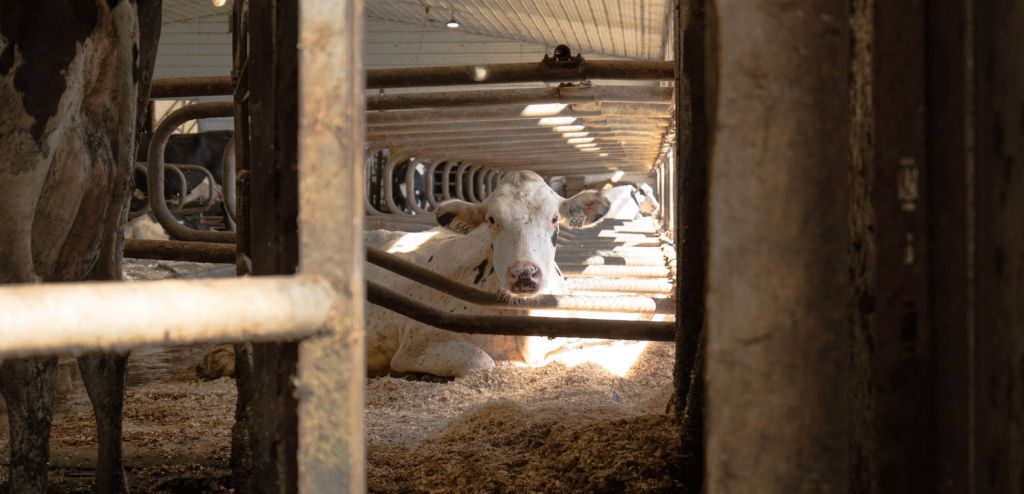
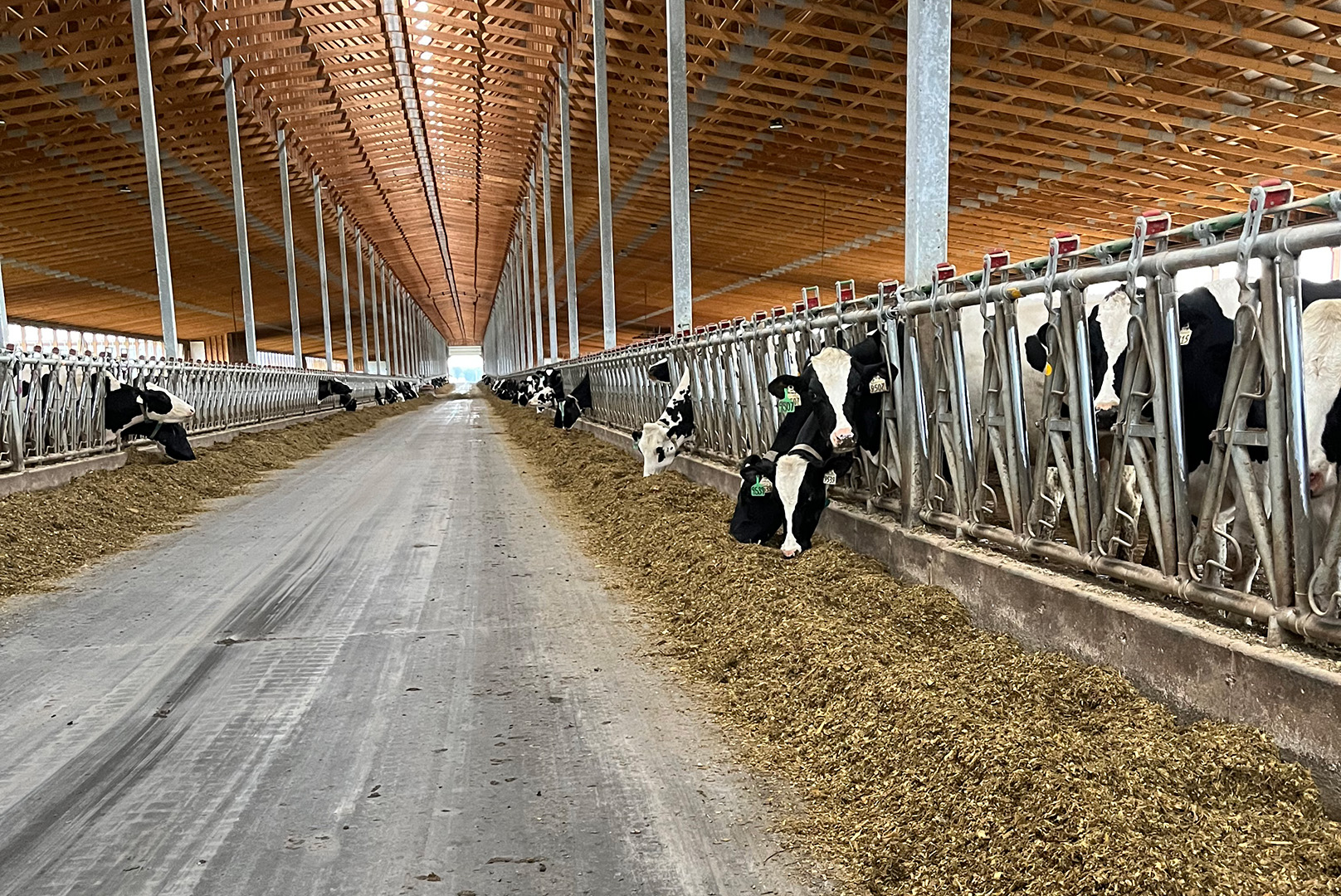
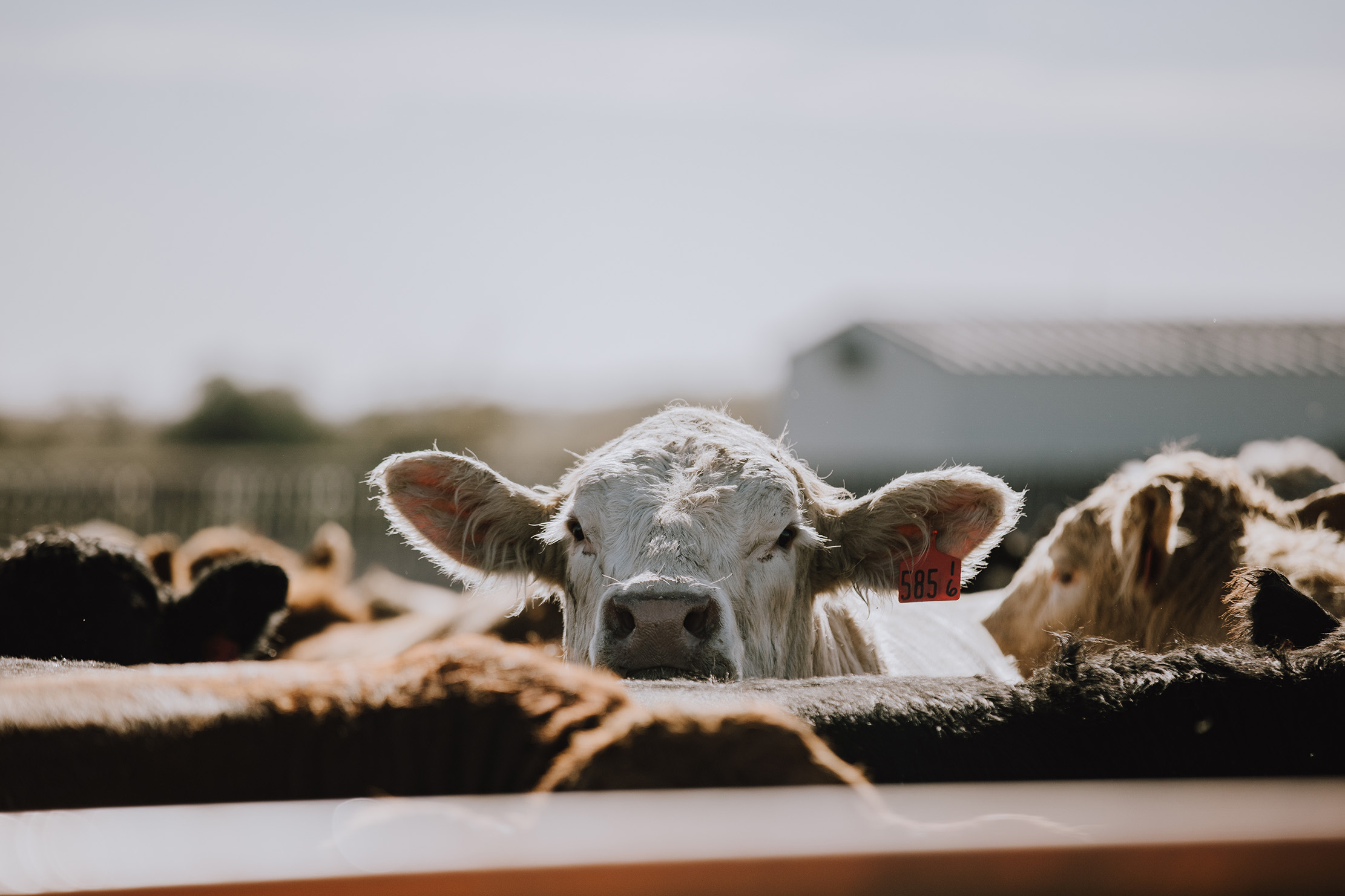
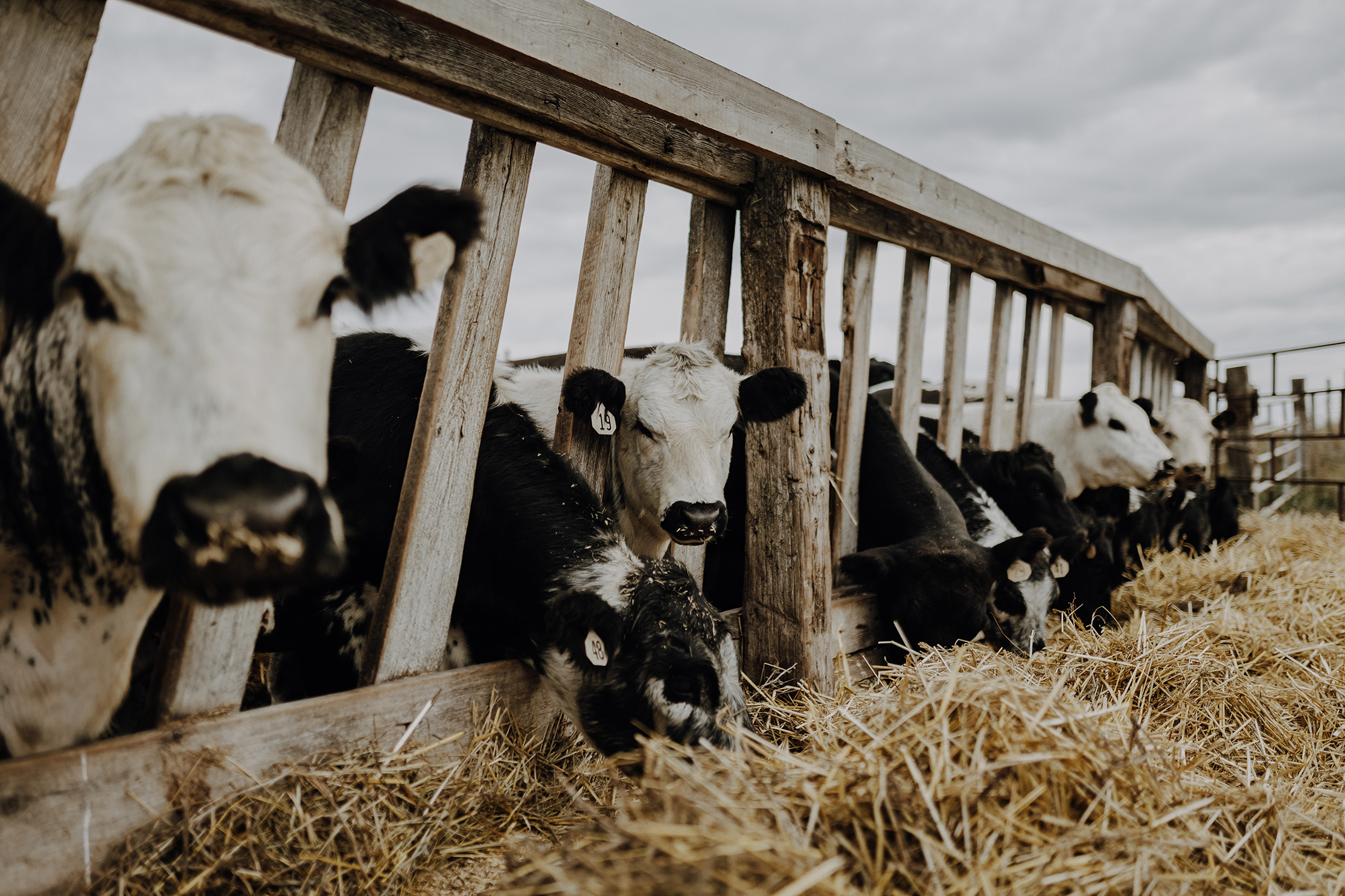
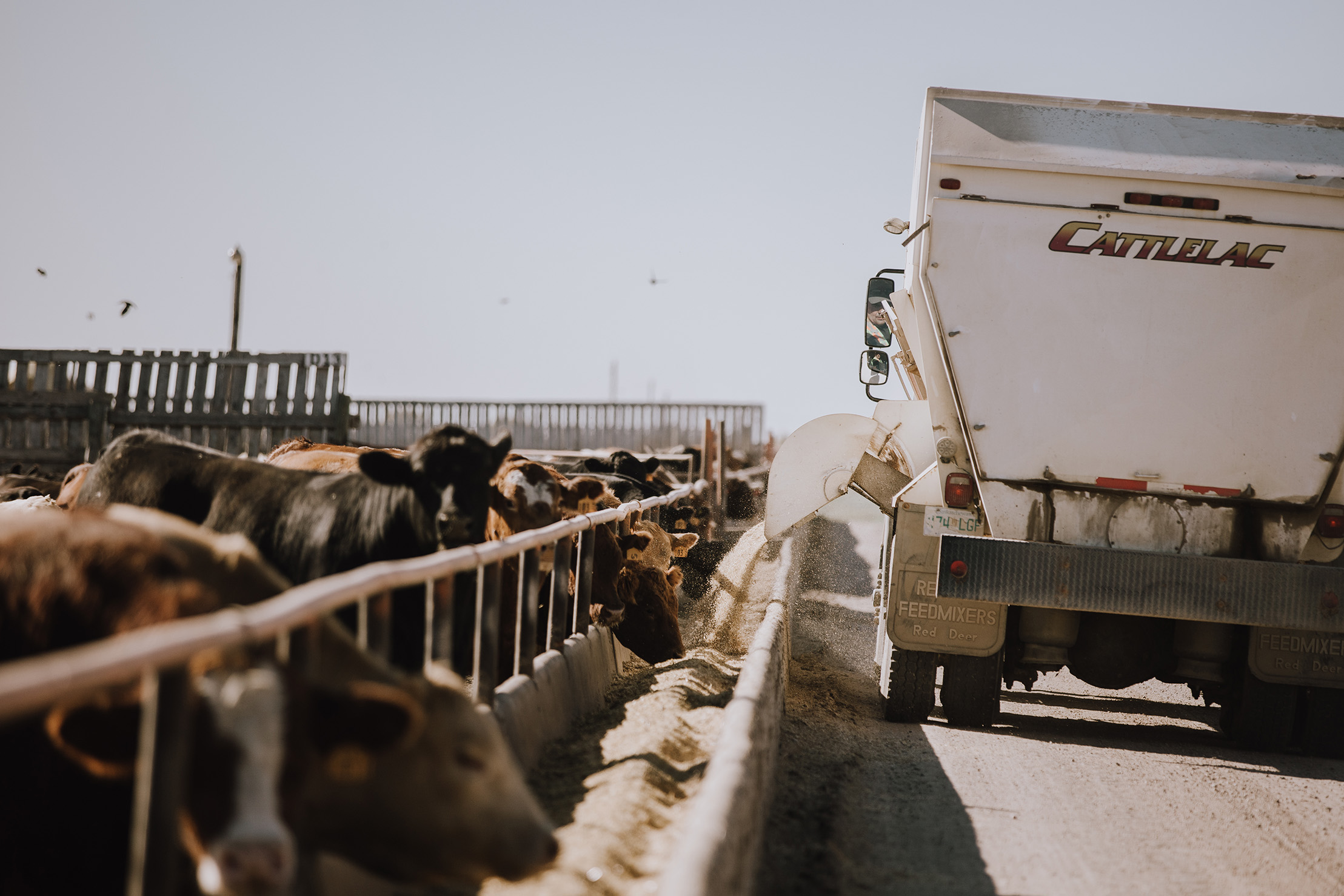
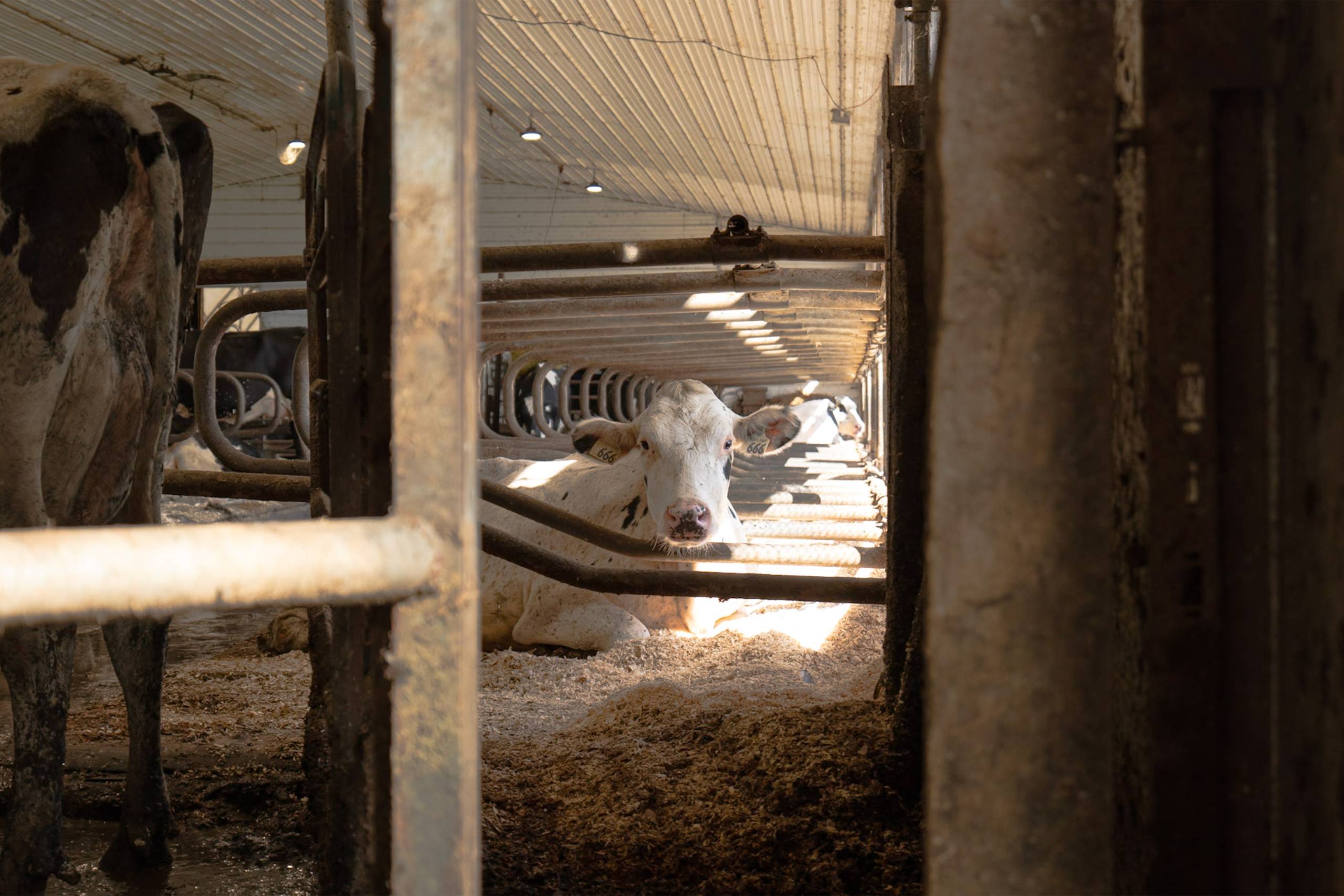
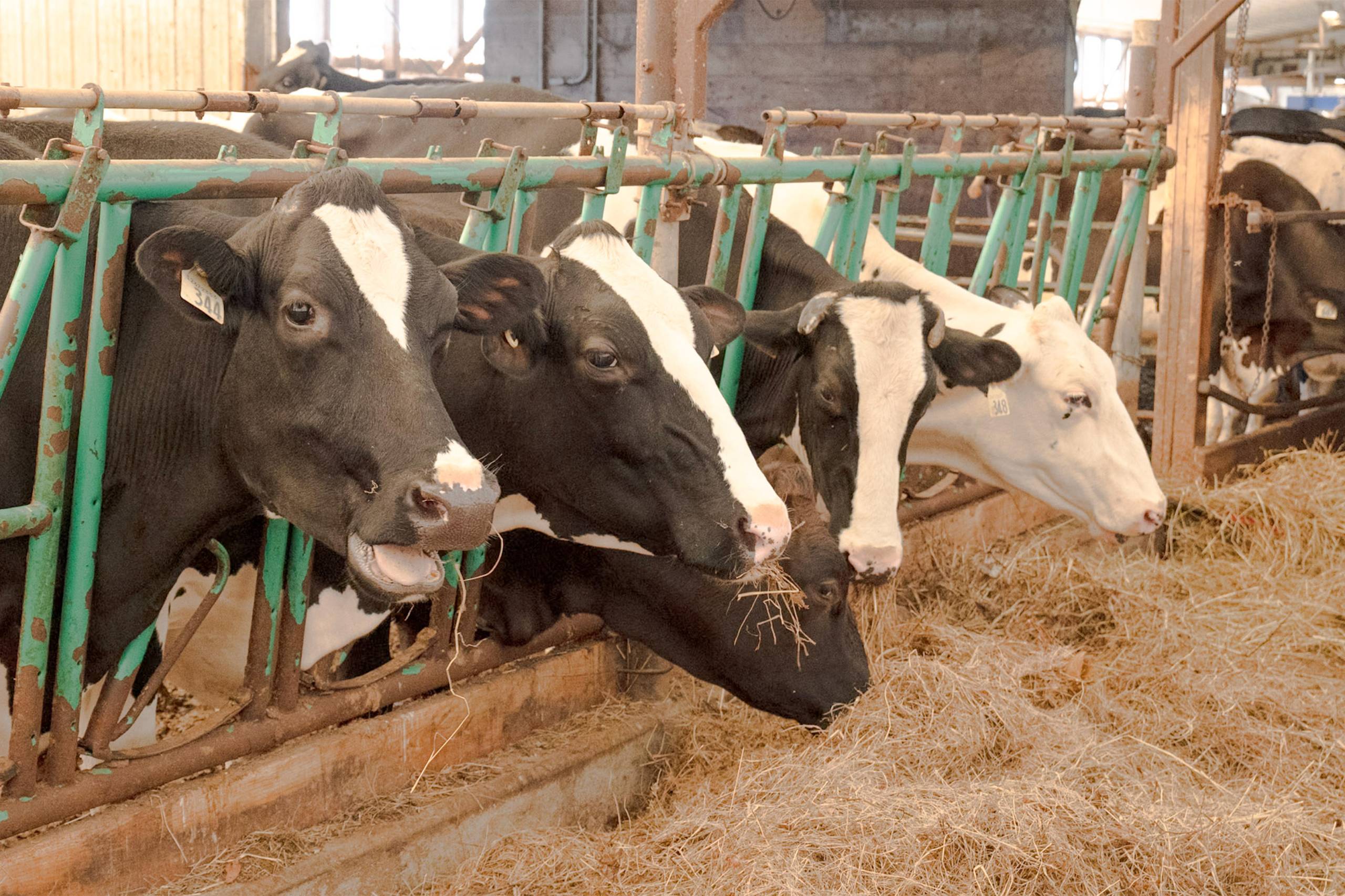
Methane emissions from cattle—driven by enteric fermentation, a natural digestion process— is the largest source of GHG emissions in agriculture and among the toughest to abate. What if the key to reducing them was ready and waiting to be unlocked?

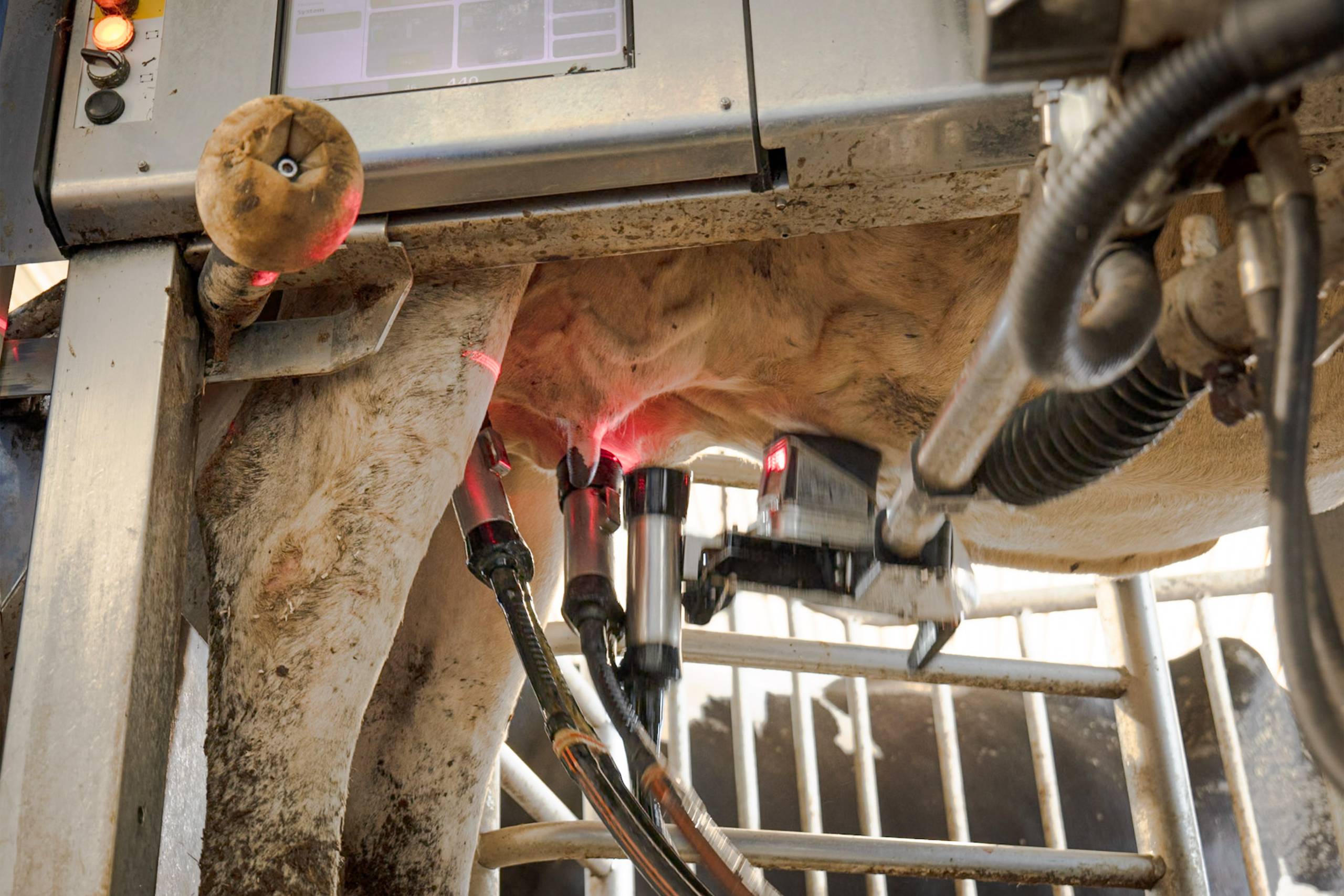
Semex offers animal semen, embryos, breeding services, and software to farmers in more than 80 countries. The company recently identified a genetic trait that farmers can now select to reduce their herds’ methane by 2 to 3% each generation, with permanent reductions of methane emissions estimated to be 20 to 30% by 2050.

The key to bringing this discovery to market wasn’t a brand-new technology—it was a new way of looking at existing industry data. Semex leveraged a national milk database managed by Lactanet, who collects data using mid-infrared (MIR) spectroscopy for milk quality and herd performance. By analyzing this data through a climate lens, researchers uncovered a striking insight: MIR datasets could also be used to predict and influence methane emissions. This existing dataset was the resource needed to unlock insights on methane production by cattle as novel and direct measurement approaches in the barn for methane are still too costly to scale.

Thanks to existing big data and collaboration, Semex was able to bring the methane efficiency trait to market.

This case study highlights a vital lesson: climate innovation doesn’t always require new tools—sometimes, it’s about looking at what we already have through a new lens. Businesses that embrace this mindset can unlock new efficiencies, market advantages, and climate solutions without reinventing the wheel.

For more on policies, people and companies driving climate action in the agriculture sector, visit the sector analysis of our flagship report here.

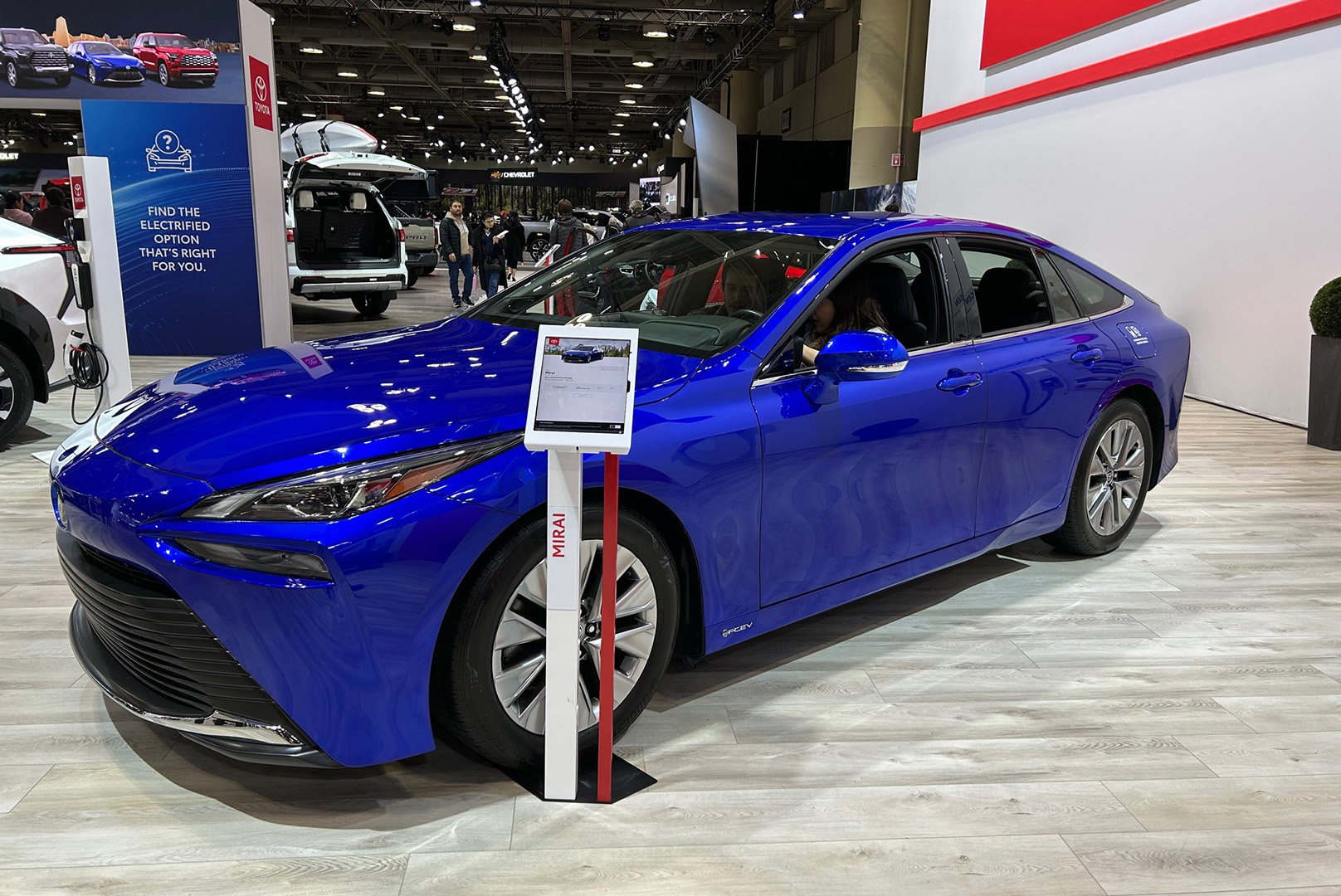
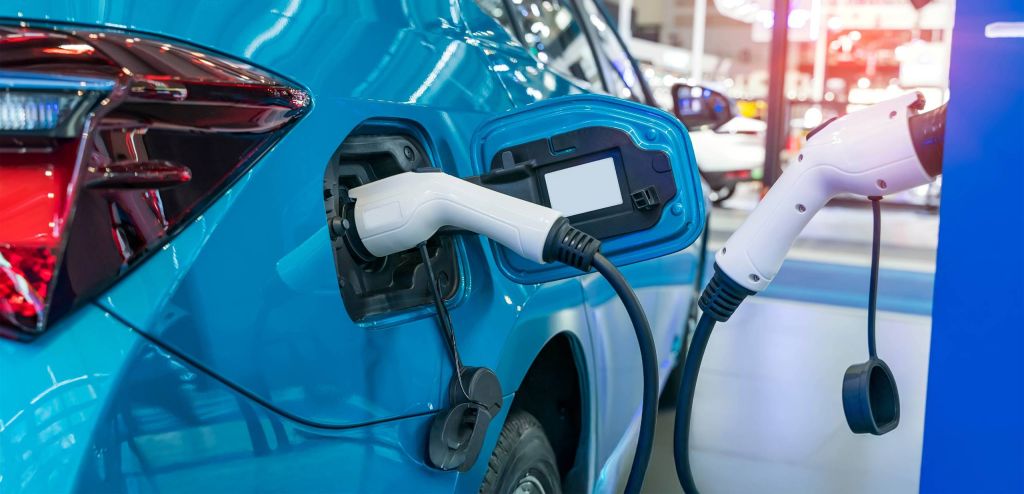
Over a quarter of a million EVs rolled onto Canadian roads in 2024 alone. But, as we noted in Climate Acton 2025: A Year For Rewiring, our annual flagship report, this year may test electric vehicle sales in the country amid a phase-out of purchase incentives that had supported the nascent market.

The European experience offers a clue: the end of EV subsidies in Germany in 2023 led to a jump in sales ahead of the deadline, followed by a significant 10-15 percentage-point decline in adoption rates over the next 12 months. Similar trends played out across other parts of Europe.

In Canada, the federal incentives program ran out of funding earlier this year ahead of schedule, ending the $5,000 incentive that had motivated buyers to get behind the wheel of an EV. Quebec, in the midst of unwinding its incentives, also paused its program for two months amid high volumes. The question on policymakers and the auto industry’s minds is whether Canadian EV sales can continue to motor along in the absence of incentives. January’s data suggests a drop in EV sales already.

Thanks to subsidies, one in seven cars sold last year was an EV last year. This high watermark can be attributed to buyers rushing to purchase before incentives were phased out. As we wrote in Climate Acton 2025: A Year For Rewiring, nearly 90% of EV sales were aided by federal or provincial subsidies.

Here are the key factors that could impact EV adoption in Canada this year:

1. Incentive phase out. Some car brands continue to replace incentives previously provided by governments to soften the blow to consumers. We believe incentives will remain a critical adoption factor until price parity is achieved with gas-powered cars.

2. Tariffs and trade hurdles. Tariffs tend to raise prices, and EVs are not immune to that despite the presence of some cheaper-priced Asian brands in the segment. Geopolitical uncertainties are also adding to delays to EV production plans in Canada.

3. Range anxiety.
Concerns over running out of battery power during trips is among the major deterrents for buyers. But battery ranges have significantly expanded, with EVs tested in cold weather1 boasting an average driving range of 300 kilometres on a single charge. That’s sufficient to meet the weekly work commute for 90% of Canadians.

4. Charging perception. Public charging spots have mushroomed in recent years, with 12,000 locations across the country compared to 10,000 gas stations, though they are mostly concentrated in urban areas. Overall, the EV-charger ratio is at the optimal range of 20-25 EVs per charger2, but the network will need to significantly expand to accommodate EV adoption among those with limited home charging access.

Issue #09

Most of the world forgot to do its climate homework

Why scrapped energy projects are back in the news The Trump Tracker Introducing the Trade Hub

Hot takes

Most of the world forgot to do its climate homework. As many as 95% of countries, missed a U.N. deadline to submit new climate pledges for 2035. The UN said many countries had asked for more time to ensure their nationally determined contributions (NDC) to the United Nations Framework Convention on Climate Change under the Paris Agreement are “first rate.” However, Canada submitted its plan, pledging to reduce emissions by 45-50% below 2005 levels by 2035. To track Canada’s progress on its net-zero journey, read our annual report Climate Action Report 2025. Energy East, Northern Gateway and Saguenay LNG. The long-dead energy projects are back in the news as the momentum to extract resources and ship to places not called the U.S. are gaining momentum. But a shake-up in regulations would be needed for companies before we see movement on any of these projects. Enbridge CEO Greg Ebel, the erstwhile backer of the Alberta-to-B.C. Northern Gateway oil pipeline, said it would require “real changes” from governments before the project would move forward. That includes legislative changes, including repealing Bill C-69 , also known as the “no-more-pipelines-act” by its detractors. François Poirier, CEO of TC Energy, which had proposed the Alberta-to-East-Coast Energy East oil pipeline back in 2013, said Canadian projects will need to compete with the company’s other opportunities in the U.S. and Mexico. But a quick overhaul of the regulatory environment, Poirier noted, would signal Canada’s willingness to get projects off the ground. BP pressed the reset button on its strategy. The U.K. energy company said it’s restructuring its low-carbon business “for growth, but in a more capital-light way .” Analysts believe the changes would lead to a watering down of the company’s climate ambitions. BP is also the target of an activist investor after the company lost nearly a quarter of its value over the past two years, with investors souring over the previous CEO’s policies. New CEO Murray Auchincloss, a key architect of BP’s net-zero strategy in the previous regime, is now helming the “ fundamental reset”. The launch event of our annual report on Canada’s climate progress sparked some great ideas. We hand-picked five for the next five years gleaned from an event to celebrate our Climate Action 2025: A year for rewiring report. Email me at Yadullah.hussain@rbc.com if you’d like a PDF of the briefing.

Carney’s plan

Are we talking about a climate plan in this day and age? Yes, yes, we are. Mark Carney, former governor of two G7 central banks, and leading contender to take the Liberals into the next federal election, has shared some ideas on his platform on how to weave climate into economic policy. First, like Conservative Leader Pierre Poilievre, he wants to axe the consumer carbon tax. Here are the contours of his some of yet-to-be-fleshed-out climate plan: Strengthen the industrial carbon tax. Carney wants to refine the Output-Based Pricing System (OBPS) to 2035, tightening benchmarks to maintain a strong carbon price signal and curb credit oversupply. The plan also calls for inter-provincial collaboration. Last year, we worked with the Canadian Climate Institute and Clean Prosperity on using industrial carbon pricing to strengthen Canada’s competitiveness. The plan is heavy on consumer-focused incentives. Expanding the Greener Homes Grants, increasing heat pump subsidies and implementing alternative financial tools, such as discounted mortgage insurance for energy-efficient homes are some of the ideas. The plan does not have a dollar figure for all these incentives and subsidies. Another idea that caught our eye: leveraging technology for real-time home energy assessments to drive smarter consumption decisions. (We wrote about that, too). Mobilizing capital. Hard to mobilize capital when tariff threats and hard stares from across the border are making investors nervous. The plan also calls for finalizing Canada’s long-delated transition taxonomy. “Mandate broad coverage of climate risk disclosure for companies across Canada,” is also going to be a tough one to accomplish in an era when the U.S. is actively going after companies adhering to climate rules. Chrystia Freeland, Carney’s Liberal rival and former Deputy Prime Minister, also has a plan to turn Canada into an “energy superpower” through major economic investment tax credits. If she were to become PM, Freeland has pledged to “double down” on getting Canadian energy and resources to market, build West-East pipelines to reduce Canada’s dependence on the U.S. and secure its energy sovereignty. Critically, her government will fast-track 10 regionally important projects, of which three must be critical mineral projects, for faster approvals each year. We will continue to monitor the climate and energy platforms of other candidates and other parties and summarize them in the run-up to the federal elections.

TRUMP TRACKER

A rundown of U.S. president Donald Trump and his administration’s pronouncements, orders, action and musings that could impact climate policy and trends. Action #1: The U.S. approved a proposal from the country’s largest grid operator in the development of 50 new power plants. Implication: Supposedly agnostic to energy sources, the projects are expected to encourage natural gas power, deemed more reliable than wind and solar power, in meeting urgent power needs. Renewable energy developers and environmental groups think the 50 new power plants “would jump the queue” and add to the delays in development of new wind turbines and solar farms. Action #2: An oil and gas advocate was nominated to run the Bureau of Land Management. Implication: If approved, Kathleen Sgamma , will oversee grazing, logging, drilling and wildlife conservation on 245 million acres of public land. The role is seen as part of the White House’s “energy dominance” vision that leans more on conventional energy than renewable power. Action #3: On Day One of his appointment as Secretary of Interior, Doug Burgum issued several orders that would have a direct impact on carbon emissions. While “prosperity by deregulation,” and resuming offshore oil and gas leasing in several areas are among the highlights of the Secretary’s Day One orders, there’s one more thing that caught our eye: taking steps to prioritize updating the U.S. Geological Survey’s list of critical minerals and accelerating the ongoing geological mapping of the country. Implication: From Greenland to Canada, the new (it turns a month old today!) U.S. administration sees critical minerals as a precious prize. Prime Minister Justin Trudeau even suggested critical minerals was driving talk of U.S.’s threat to annex Canada through “economic force.” Action #4: Paper straws are out, plastic straw are back in, according to a new presidential executive decree. Implication: “I don’t think plastic is going to affect a shark very much, as they’re munching their way through the ocean,” is an actual Trump quote. Phew, we’re sure we missed a few. Let us know any pertinent orders and regulations and we will look to include them in the next edition.

Trade Hub

We can’t talk climate without talking trade these days. Trade Hub , a new digital platform by RBC, aims to highlight opportunities for Canada in an economic order shaped by energy and national security. We will examine several key areas where Canada can leverage its strengths, including agriculture, energy, critical minerals and manufacturing supply chains, and the regulations and policies that drive investments into the country.

Read our latest insights here:

Resourceful: How Canada can strike a new commodity deal with the U.S. and others A playbook for how to measure a tariff shock in Canada 50 ways to leave your lover: Sizing the impact of a trade breakup

ICYMI

How each country’s emissions and climate goals compare—a handy guide How to build new Canadian homes out of harm’s way What are Ukraine’s critical minerals – and why does Trump want them? Climate aid projects fighting extremism and unrest are closing down Don’t say climate: how cleantech is rebranding as national security in the Trump era

The Institute In Action

Institute head John Stackhouse is on a panel at the Canadian Federation of Agriculture’s annual general meeting Feb 25-26 in Ottawa. Moderated by Tyler McCann, Acting Director at the Canadian Agri-food Policy Institute, the Canada’s Place in the World panel will explore evolving geopolitical and trade dynamics and how they impact Canada’s foreign and trade policy, with particular emphasis on the implications for Canadian agriculture. Economist Farhad Panahov attended the 2025 Canadian International Auto Show. Look out for his latest commentary on Canadian EV demand trends soon.
Curated by Yadullah Hussain, Managing Editor, RBC Climate Action Institute. Climate Crunch would not be possible without John Stackhouse, Myha Truong-Regan, Sarah Pendrith, Farhad Panahov, Lisa Ashton, Shaz Merwat, Vivan Sorab, Caprice Biasoni and Frances Dawson. Have a comment, commendation, or umm, criticism? Write to me here (yadullahhussain@rbc.com)

Issue #08

Trump Tracker: The President’s impact on energy and climate policy
A brake on EV mandates?
Meet the ‘science geek’ at the helm of U.S. energy policy

Hot takes

A trade war looms coast to coast. RBC’s economics team believes a persistent tariff could be recessionary for Canada. But is it equally recessionary for Canadian climate policy? A bit early to say, but in response to a White House that’s placing greater emphasis on energy security relative to energy transition, there is a stronger push to expand all forms of resource development in both the U.S. and Canada (see item below). That likely has negative implications on Canada’s oil and gas pollution cap. The consumer carbon tax, which is increasingly being abandoned by the Liberals and the NDP, is also on shaky ground.

B.C., for a start, is not wasting a crisis. With U.S. tariffs looming, Premier David Eby is streamlining the regulatory track for North Coast Transmission Line and other high grid projects to support the development of critical minerals and liquefied natural gas projects, etc. The government is also expediting approvals for natural resource projects to counter “threats from the south of the border.” B.C. expects its real GDP to decline by 0.6% between 2025 and 2026 if the U.S. goes forward with its tariffs on Canadian goods.

What do tungsten, tellurium and indium have in common? China has announced export controls on all three minerals, but they can be substituted by building up Canadian resources. In December, the U.S. Department of Defense and a Canadian infrastructure fund invested $35.4 million in Vancouver-based Fireweed Metals to advance its 100%-owned Yukon tungsten project towards a final investment decision. Meanwhile, Canada is a top five global producer of tellurium and indium—both are used to make solar panels. In so many ways, American energy security runs through Canada.

Fracking executive is confirmed U.S. energy secretary. Chris Wright will drive U.S. energy diplomacy and oversee the Strategic Petroleum Reserve (which the U.S. wants to build up), among other key tasks. In his Senate testimony, the self-confessed “science geek” pledged to “unleash” American energy at home and abroad, lower energy costs, and cut red tape. He is a fan of nuclear fusion and geothermal. Wright also batted away several questions from U.S. senators on rising insurance costs due to climate risks. He was also non-committal about a question on U.S clawing back renewable investments. Read his fascinating responses to senators’ questions here.

DeepSeek jolted AI exuberance—and that’s not a bad thing. The low-cost Chinese AI app’s unexpected rise rocked Big share prices, but also shook up independent power producers, natural gas producers and gas pipelines that had rallied on unprecedented power demand to fuel the AI frenzy. Suddenly, there are doubts around global power outlook (up to 3x by 2050 from current levels). It’s still early days, but it’s made Big Tech CEOs revisit their portfolio of (low-carbon) energy needs.

Climate Action Award: For successful conservation efforts to revive at-risk sea otters and peregrine falcons in Canada, according to a new research by Carleton University’s Laurenne Schiller, et al.

The brake on EV mandate

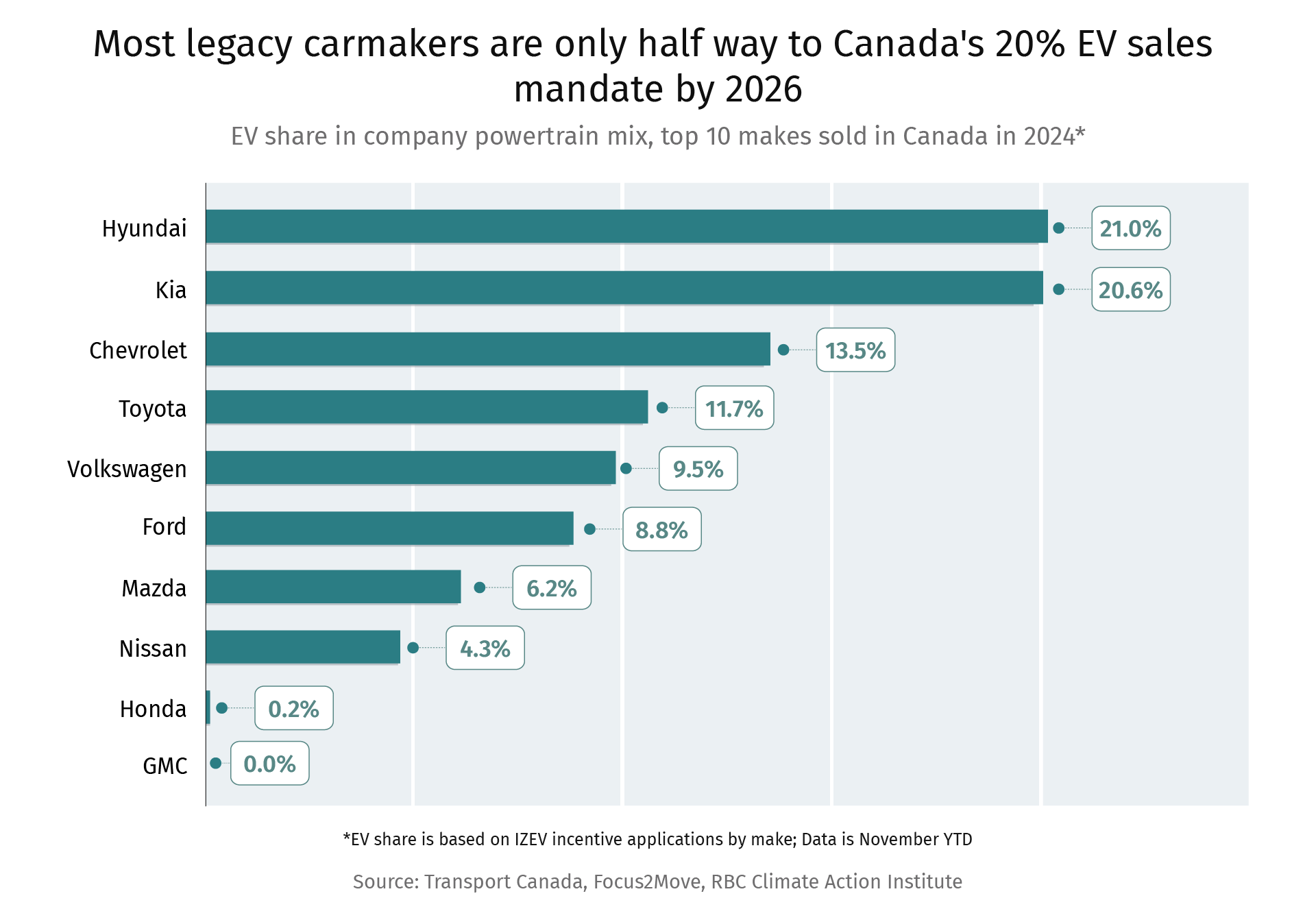
All of this might be moot by the next election cycle, but for now Ottawa’s EV mandate (20% of all new car sales must be EVs by 2026; 100% by 2035) still stands. Even before politics cast a shadow, progress is stalling: first, Ottawa ended  its EV rebate program after helping push 546,000 EVs on to the roads. Second, Quebec has temporarily suspended its generous Roulez vert Program until March 31.

If Canada’s federal EV mandate survives the next election cycle, automakers will have to purchase credits from their peers to offset the shortfall if they don’t meet their quota. Tesla collected over US$1.8 billion globally from selling regulatory credits in 2023, and will become a major seller of credits here in Canada, most likely enough to supply most of the industry. (That explains why Tesla founder Elon Musk is pushing for an end to EV incentives in the U.S.)

There is a third pain point: The new U.S. administration’s rollback of EV incentives is going to dent automakers EV plans—they are already delaying them at a time when they should be ramping up. While EVs make up around 20% of Hyundai and Kia’s sales mix in Canada in 2024, other top carmakers still have a large gap to bridge unless they quickly ramp up their EV focus.

All of this could have a net effect of 2.5 million fewer EVs on Canadian roads by 2035, and emissions level that are 10 Mt CO2e higher, or approximately 6% of sector’s current emissions, according to Climate Action Institute economist Farhad Panahov.

TRUMP TRACKER

The U.S. is changing its climate policy in deep and meaningful ways. Here are some of the highlights (or should that be lowlights?) from a flurry of executive orders and policy pullbacks:

Policy shift #1: Abolish Biden-era auto emissions rules.

Implication: Possible disruptions of automakers’ plans in Canada and the U.S. gearing up to build more efficient hybrids and EV cars.

Policy shift #2: Terminate state emissions waivers, like California’s, that seek to limit sales of gas-powered cars; rescind EV sales target of 50% total car sales by 2030; scrap 100% zero-emission federal fleet target by 2035.

Implication: Adds uncertainty to EV production, but unclear whether it impacts EV tax credits are other EV-promoting policies rooted in tax codes and Clean Air Act regulations.

Policy shift #3: Declare a national energy emergency to spur more drilling, pipelines, refineries, power plants and reactors and “a massive increase in domestic energy supply.”

Implication: Oil producers have maintained capital discipline and returned money to shareholders rather than expanding production in recent years. Trump has also urged OPEC countries to open the taps to boost oil output at a time when global oil demand is tepid. But a recent wildlife drilling auction in Alaska yielded no bids, suggesting producer are not ready to “drill, baby, drill” yet.

Policy shift #4: Withdraw the U.S. from the Paris Agreement, a global pact to address climate change.

Implication:
The U.S. will be MIA on several global initiatives to fight climate change, suggesting a bifurcated international approach to combat global warming.

Policy shift #5: Rescinded 100% carbon pollution-free electricity by 2035.

Implication: A hit to wind and solar industries, which were expected to drive record clean electricity capacity additions in 2024 and possibly 2025.

ICYMI

Los Angeles after the fires: ‘You can only live in a disaster zone for so long’

The rise of the Net-Zero Dad

Trump’s cash freeze is making clean energy projects collapse

Hotel rooms in Brazil would cost US$15,000 a night for COP30 delegates

Davos 2025: Searching for nuggets in the new golden age

The Institute In Action

What on the team’s reading list?: Range: Why Generalists Triumph in a Specialized World by David Epstein, Source Code by Bill Gates, and Supremacy: AI, ChatGPT and the race that will change the world by Parmy Olson.

Curated by Yadullah Hussain, Managing Editor, RBC Climate Action Institute.

Climate Crunch would not be possible without John Stackhouse, Myha Truong-Regan, Sarah Pendrith, Farhad Panahov, Lisa Ashton, Shaz Merwat, Vivan Sorab, Caprice Biasoni and Frances Dawson.

Have a comment, commendation, or umm, criticism? Write to me here (yadullahhussain@rbc.com)

Issue #07

America’s era of energy dominance is here. What does it mean for climate policy?
Climate Action Annual Report 2025: What Semex and Purolator have in common
What Canadian business leaders say about climate action
The TV series capturing U.S. oilpatch’s cheery mood

Hot takes

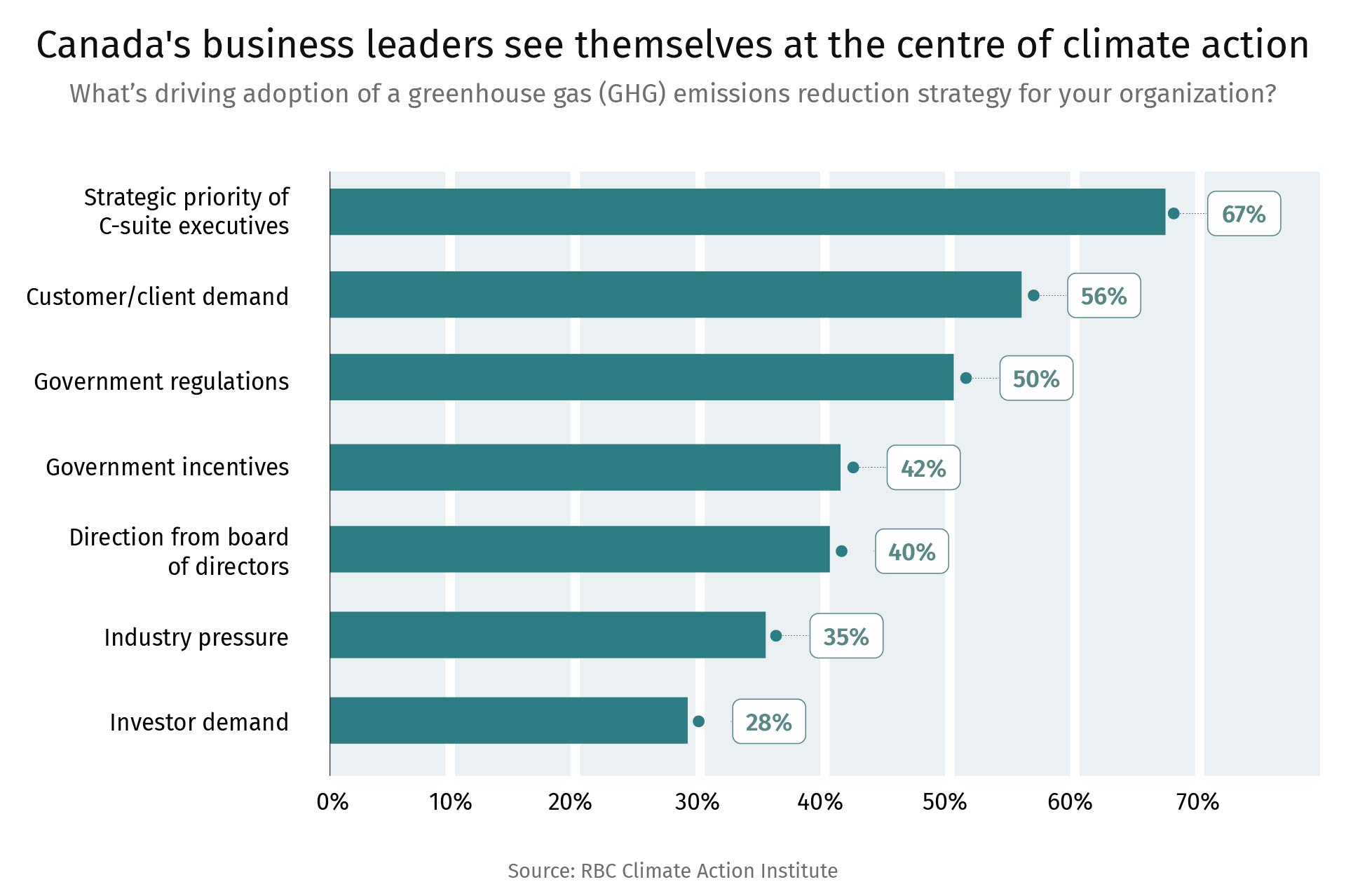
Subsidies, funding and leadership. These three levers will advance climate progress, according to a majority of the 100-plus business executives we surveyed for the Climate Action 2025: A year for rewiring, our annual report tracking Canada’s climate progress. Around three-fourths of Canadian businesses have a climate strategy in place, and roughly 40% believe they are (almost) equal partners with governments in driving climate action. Read the survey here.

Severe weather events are costing Canada’s economy. Natural disaster claims of $8 billion last year in Canada smashed the previous record of $6 billion, as climate-change fuelled weather events played havoc across the country from Jasper to Toronto, Insurance Bureau of Canada estimates. It’s not just Canada. Early estimates show Los Angeles’ wildfires could trigger economic losses of as much as US$150 billion—the costliest natural disaster in U.S. history. Globally, the losses stood at US$320-billion last year, 30% higher than 2023.

Misinformation is the world’s top short-term global risk. That’s according to a World Economic Forum report on global risks. While misinformation, and its close cousin disinformation, pervades society, it also pollutes discourse on climate issues. Social media is not helping as it plans to remove guardrails on misinformation. WEF’s top 4 long-term risks are all environmental: extreme weather events, biodiversity loss, critical changes to Earth’s system, and natural resource shortages.

Oilpatch cowboy tales. Taylor Sheridan, co-creator of the Yellowstone TV series—which tapped America’s conservative-progressive cultural clash—, is back with Landman (Amazon Prime), a Texas Permian Basin tale rife with drug cartels, roughneck life and merciless ribbing off the renewable sector’s presumed deficiencies compared to the oil sector. Watch the acerbic, plain-speaking oil lease executive—or landman—Billy Bob Thornton bat away Permian and parental troubles on a daily basis. It’s reductive and retro—quite like the American mood right now.

Bi-Weekly Climate Action Award: To Ontario for launching a Home Renovation Savings Program that offers 30% rebate on heat pumps, rooftop solar panels and battery storage systems, etc. Buildings account for 13% of Canada’s emissions.

Bi-Weekly Climate Action Fail Award: To Australia for delaying the rollout of new carbon emission targets by 2035, citing the return of Donald Trump’s return to the White House.

Canada’s role in U.S. energy dominance

There were no tariffs on Canadian goods on Day One of Donald Trump’s presidency—but they could come as soon as Feb. 1. Amid the chaos of Washington’s tariff and “economic force” threats, there might even by a sliver of opportunity for Canada: the potential of a new bilateral energy trade deal between the two as the U.S. president vows “energy dominance” for America.

The U.S. president has declared an “energy emergency” to build new critical infrastructure. Could some of it be built in Canada given the integrated nature of the two country’s energy sector?

Trump’s inaugural speech focused on “liquid gold under our feet,” and exporting American energy all over the world. Would Canada be feeding America’s domestic oil and gas markets that would free up U.S. output for exports? The contours of Trump’s Great Energy Game views Greenland, Canada, Mexico and the Panama Canal, as resource and depots hubs that the U.S. can draw upon. Glass half-full suggests Canada can be an equal partner in fortifying North American energy security. Glass half-empty suggests the U.S. may need less Canadian oil and gas in the future if its “drill, baby, drill,” mantra leads to a domestic output boom. Cue for calls in some quarters to resurrect the long-dead, Asia-facing Northern Gateway oil pipeline.

Canada has its work cut out as it keeps tariffs at bay and helps America realize its energy ambitions without losing sight of its own climate goals.

Meanwhile, the U.S.’s own climate targets are out the window with its exit from the Paris Climate Accord. If that positioning turns into a full reversal of the Inflation Reduction Act, it’s hard to see other major economies not following suit and scaling back their investments, according to Institute head John Stackhouse.

Read John Stackhouse’s take on Trump’s first day back in the White House.

Climate Action 2025: Rewire & reboot

The Institute’s second annual report on Canada’s climate action is full of insights, but here are five themes that stood out to us:

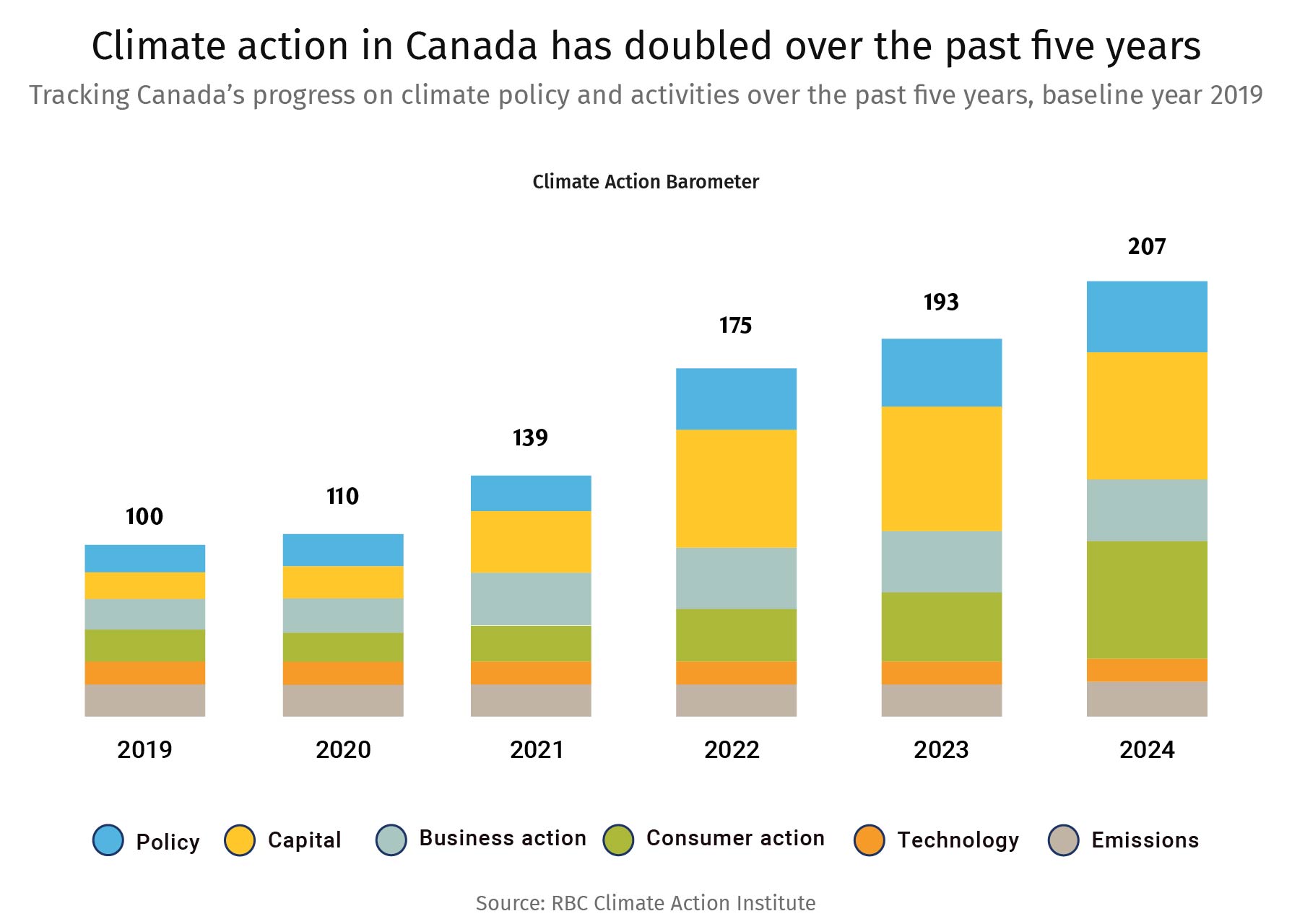
1. The big number: Climate action has doubled in Canada over the past five years, and there is one big driver: sizeable government funding announcements of $177 billion worth over the past decade, according to our tracking. Now comes the other hard part: how to fully deploy it.

2. Climate security is the new watchword. ESG is out, climate security is in—or so it seems. Protecting North American resources and supply chain is going to be critical over the next decade. However, governments will also need to distinguish between friend and foe (yes, we are looking at you, America).

3. Canadian innovation is alive and well—and under-reported: Guelph-based Semex is working away to make future generations of Holstein cattle breeds low-carbon. Meanwhile, unknown to most, logistics firm Purolator helped Canadian startups build better e-bikes. Innovation, driven by market forces, can lead to serendipitous solutions.

4. Alberta is a climate leader: The province’s early coal phaseout needs to be celebrated. Of course, Alberta’s U-turn on renewable development has undone some the goodwill, but climate progress is almost never linear.

5. A spate of new green projects could boost the Climate Action Barometer. Our proprietary index on Canada’s climate action is tracking progress from a spate of decarbonizing projects, including Entropy’s carbon capture and storage projects, Shell’s Polaris carbon capture and Canada Nickel’s Timmins project, among others.

ICYMI

Seven big environmental decisions facing the B.C. government in 2025

Donald Trump’s economic advisors on the wonder of tariffs

U.S. energy chief vows to ‘unleash’ U.S. expansion

U.S. ESG funds had a bad year with a record outflows

California is waiving climate rules to speed up wildfire-hit LA’s rebuild. That might be a mistake

The Institute In Action

On January 15, we gathered over 100 business, NGO, government, and climate leaders to launch our flagship climate action report, Climate Action 2025: a year for rewiring. We heard from Dave McKay, RBC CEO, Sir Andrew Steer, President and CEO of the Bezos Earth Fund, and Canadian artist Ed Burtynsky on ways Canada and the world can rewire our thinking and strategies to keep climate on the radar.

Institute head John Stackhouse is in Davos. Follow him on LinkedIn to read his frequent updates.

On January 30, Myha Truong-Regan, our Head of Climate Research,  will be on a panel alongside Jennifer McLeod Macey, SVP, Public Affairs & Communications, Leger, and Tracey Bodnarchuk, CEO, Canada Powered by Women, at the Toronto Regional Board of Trade’s Powering our Climate & Energy Economy Symposium, to discuss what Canadians really think about climate and energy policy.

What’s on the team’s reading wish list: Waste Land: A World in Permanent Crisis by Robert D Kaplan, The Technological Republic: Hard Power, Soft Belief, and the Future of the West by Alexander C Karp and Nicholas W Zamisk, Abundance by Ezra Klein and Derek Thompson.

Curated by Yadullah Hussain, Managing Editor, RBC Climate Action Institute.

Climate Crunch would not be possible without John Stackhouse, Myha Truong-Regan, Sarah Pendrith, Farhad Panahov, Lisa Ashton, Shaz Merwat, Vivan Sorab, Caprice Biasoni and Frances Dawson.

Have a comment, commendation, or umm, criticism? Write to me here (yadullahhussain@rbc.com)

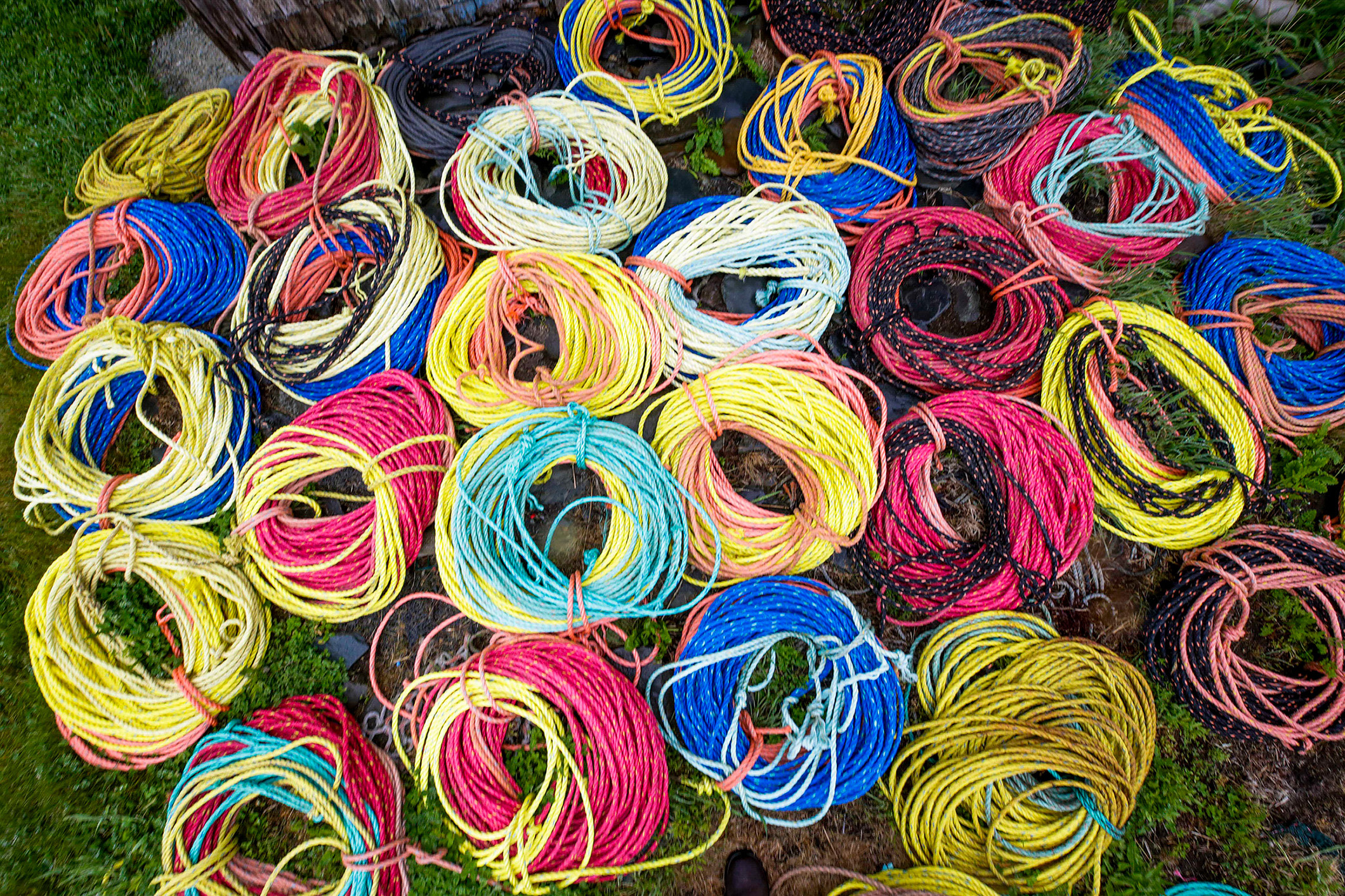
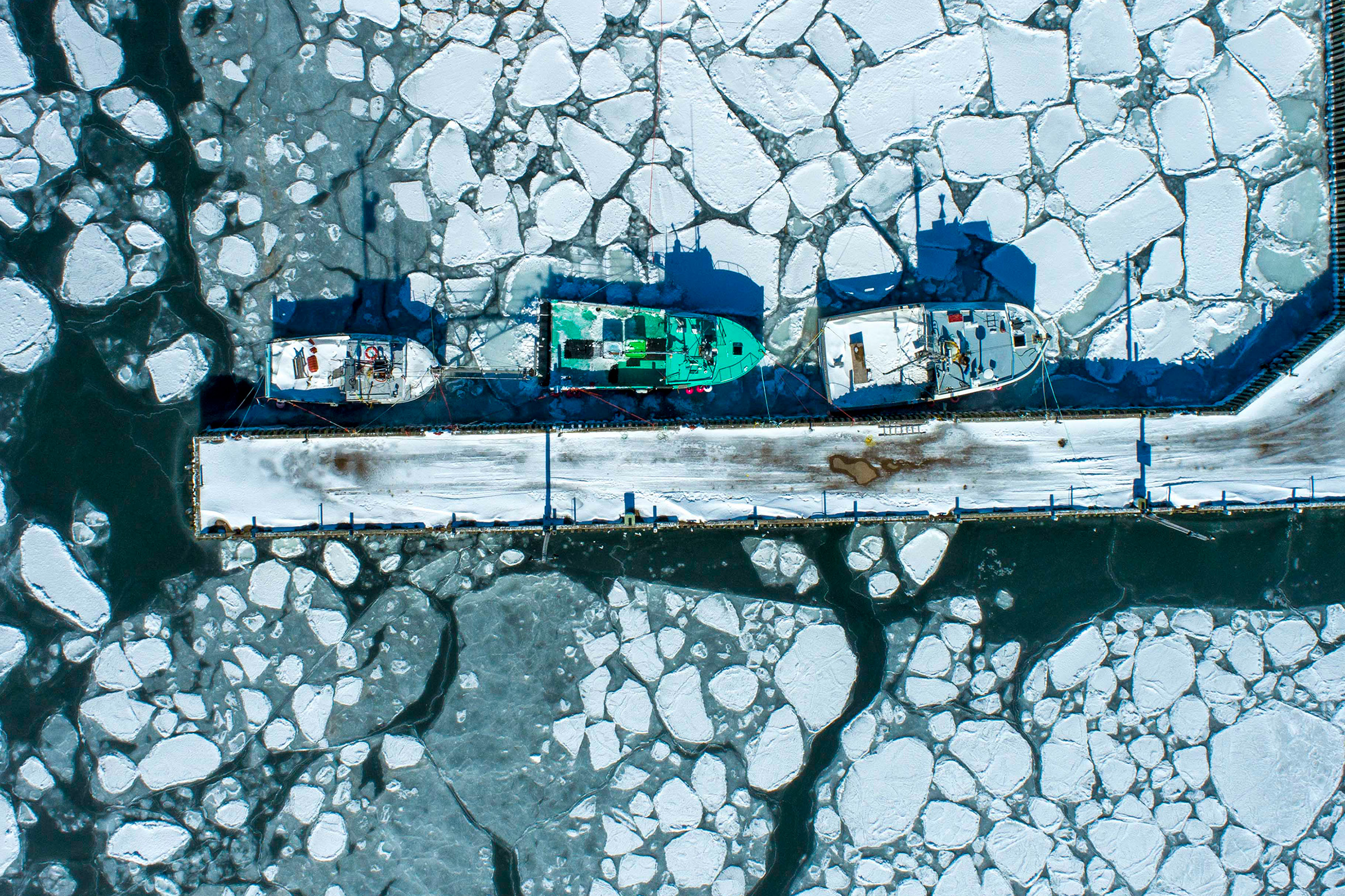
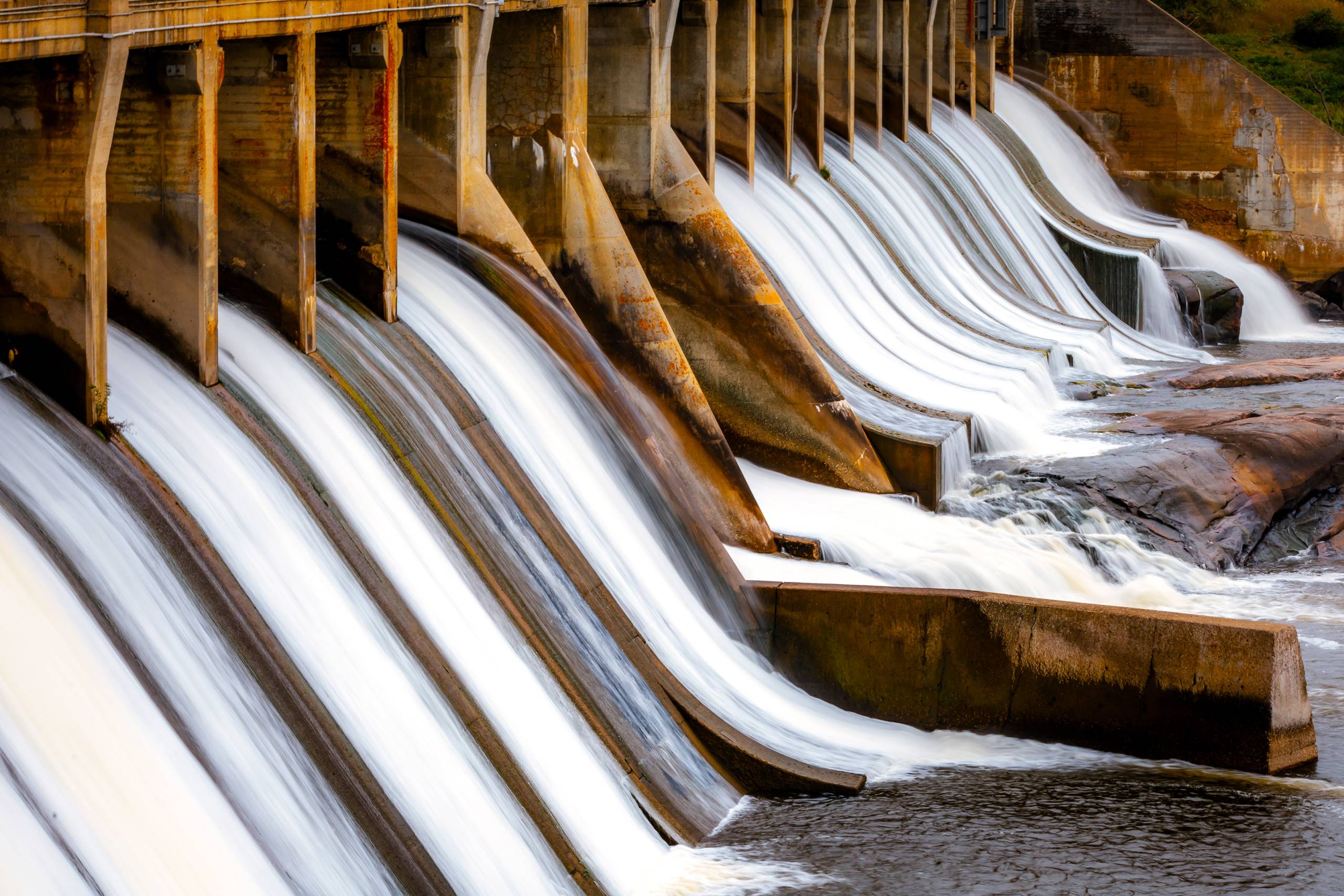
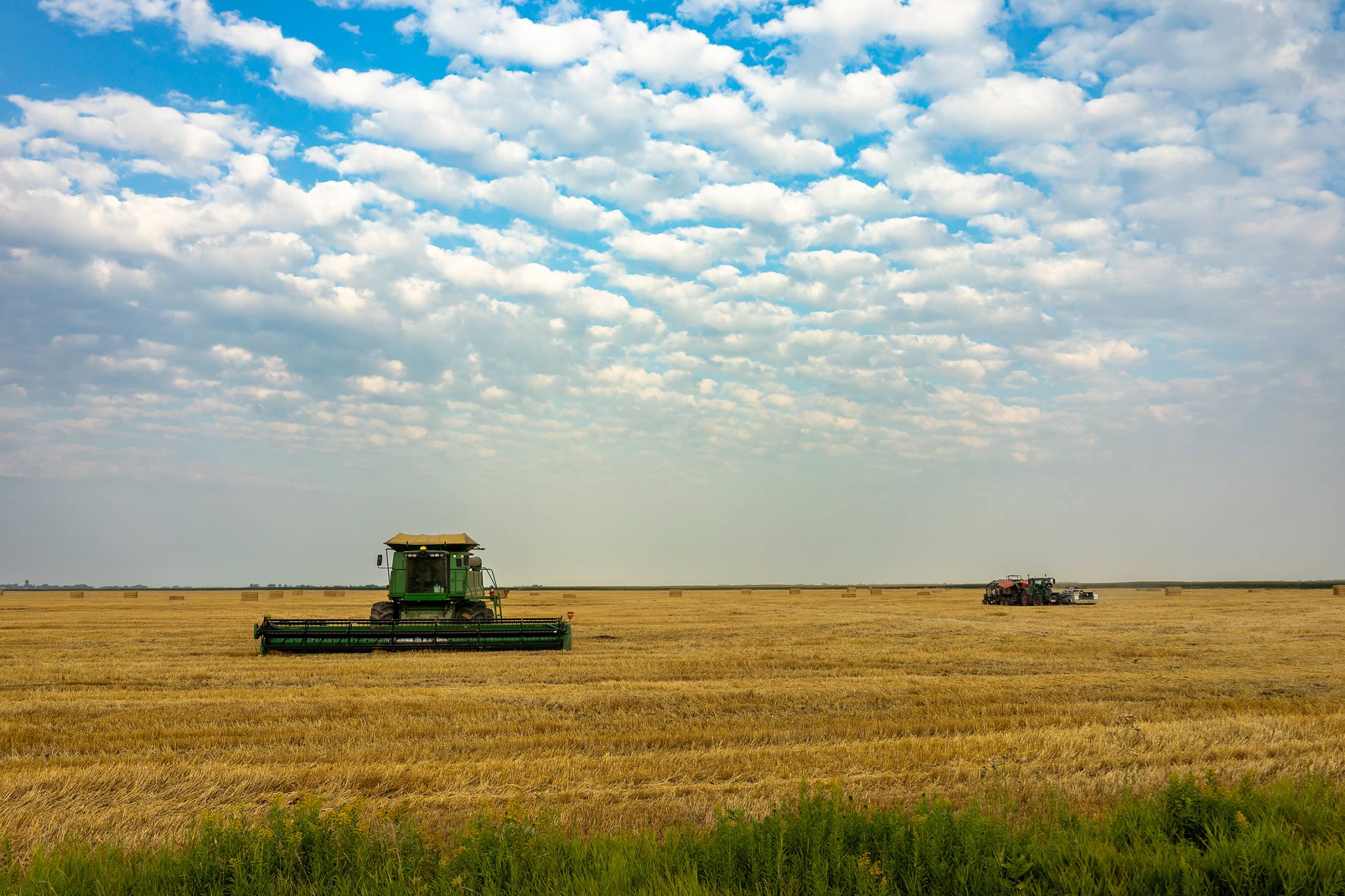
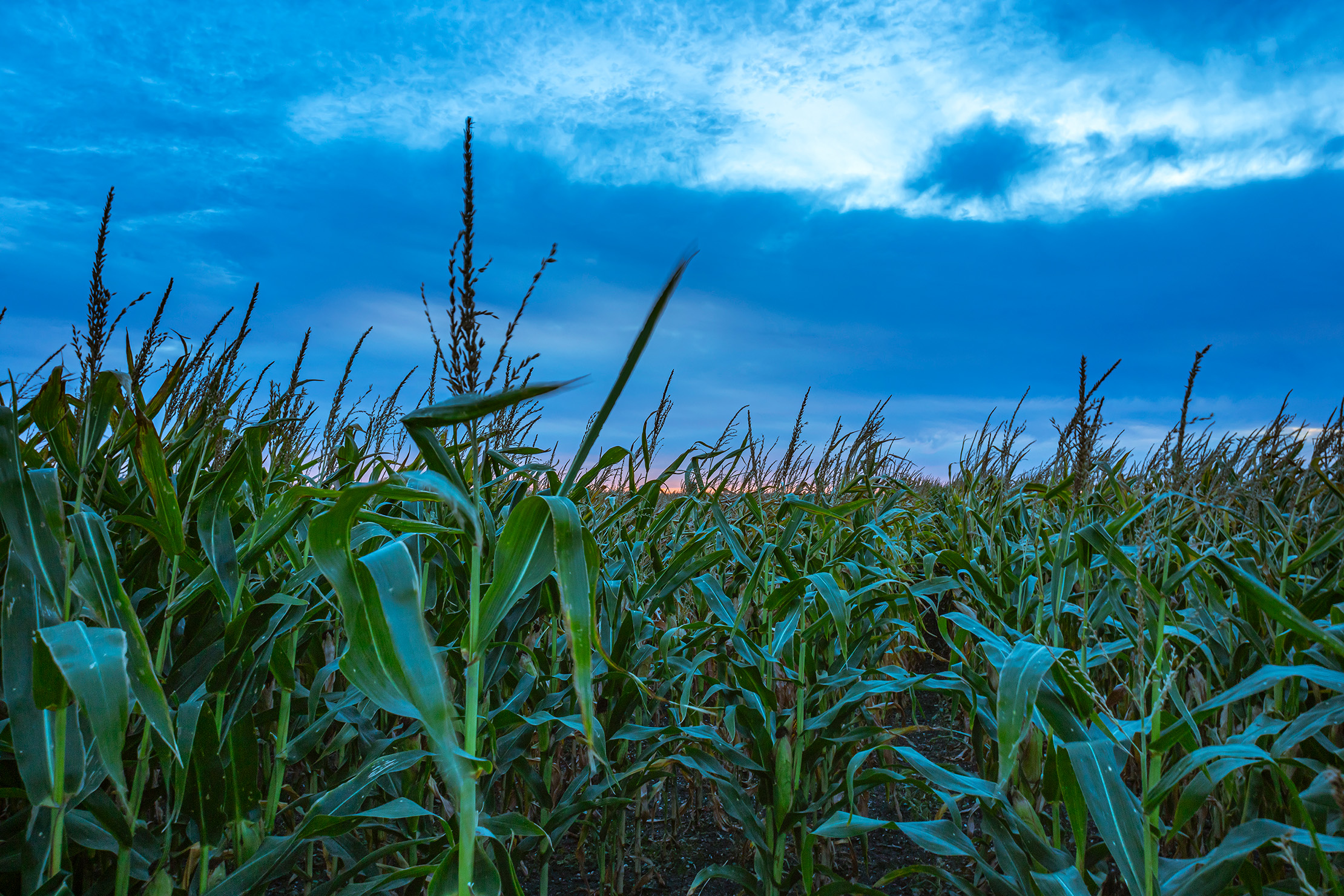
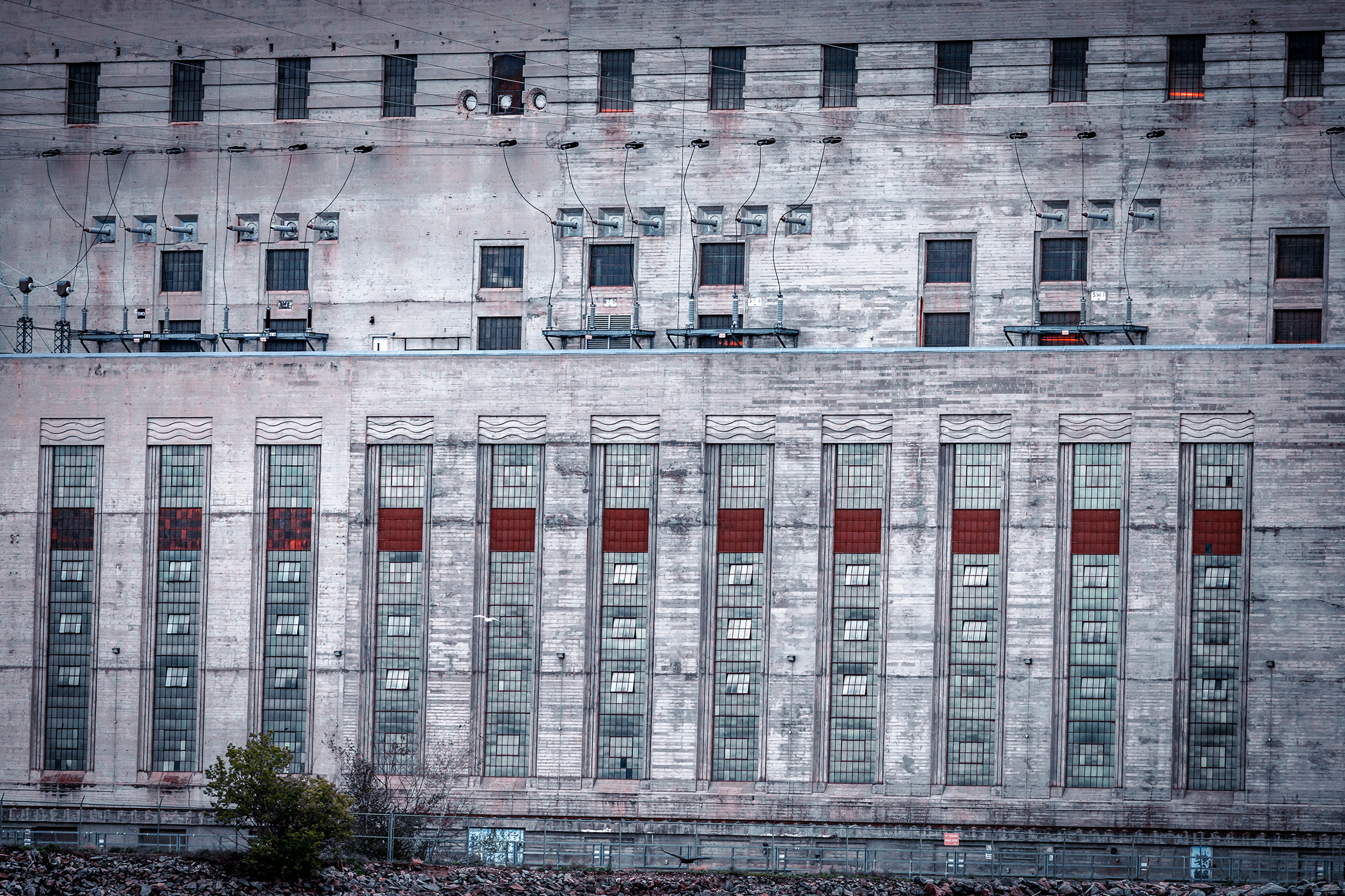
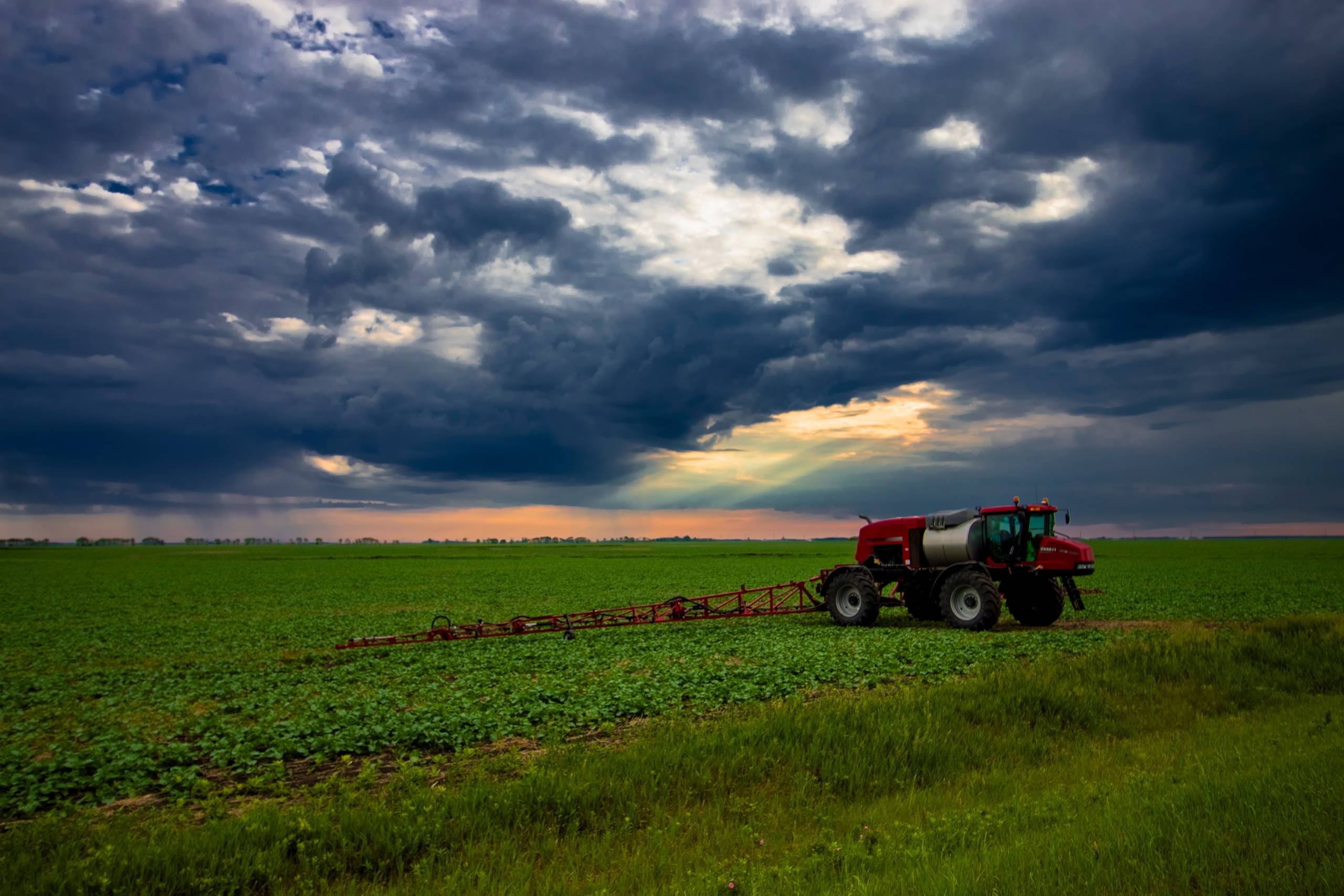
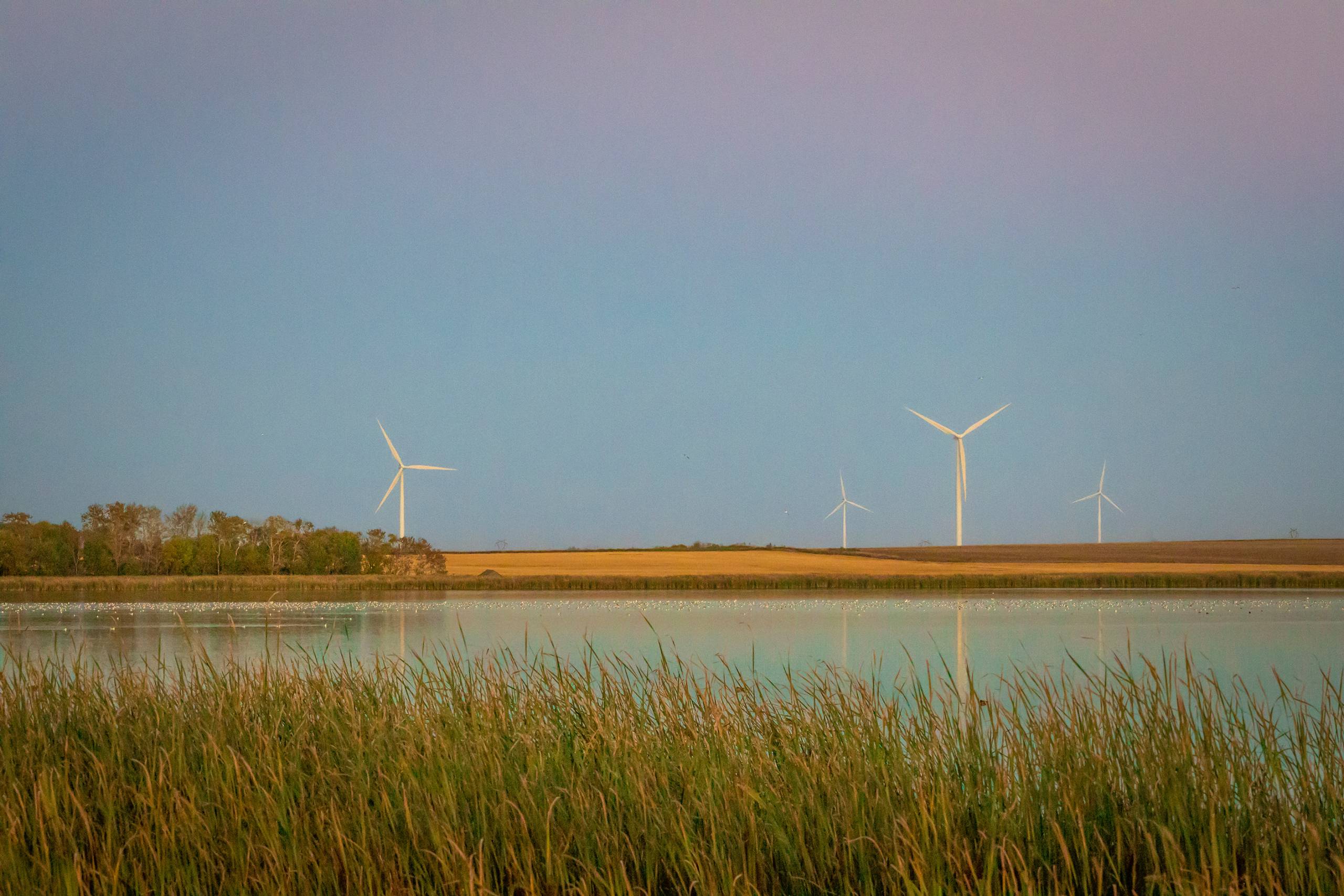
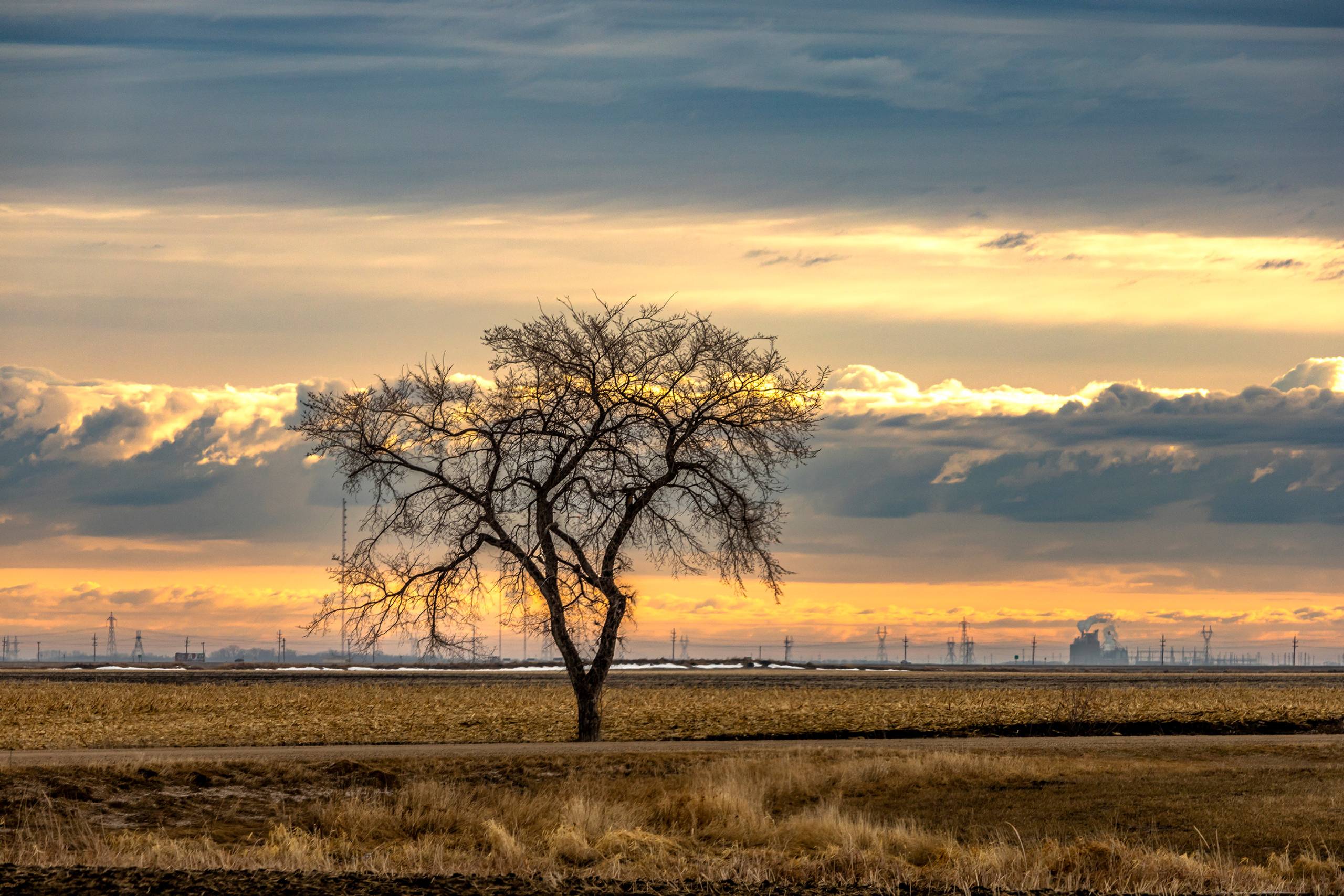
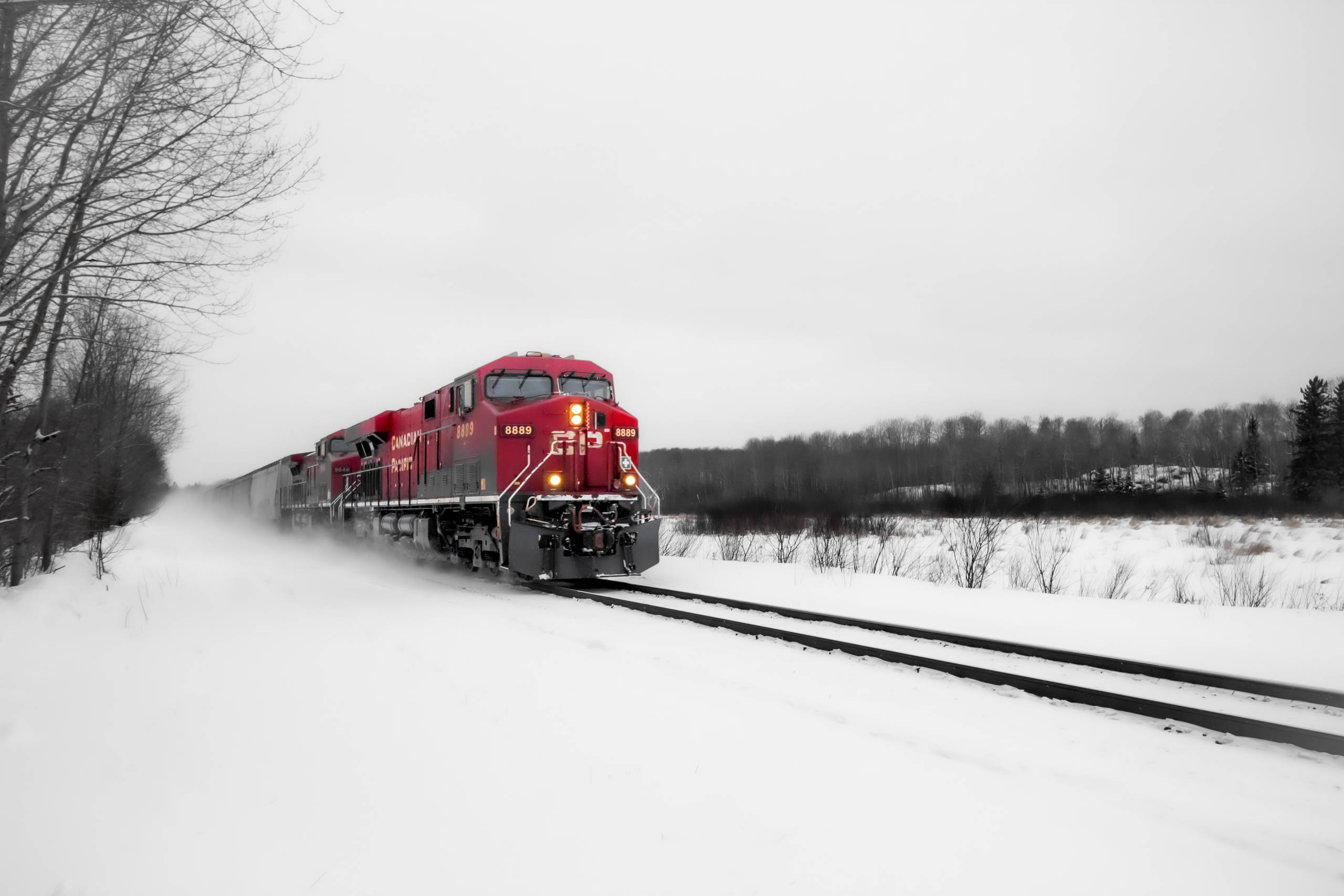
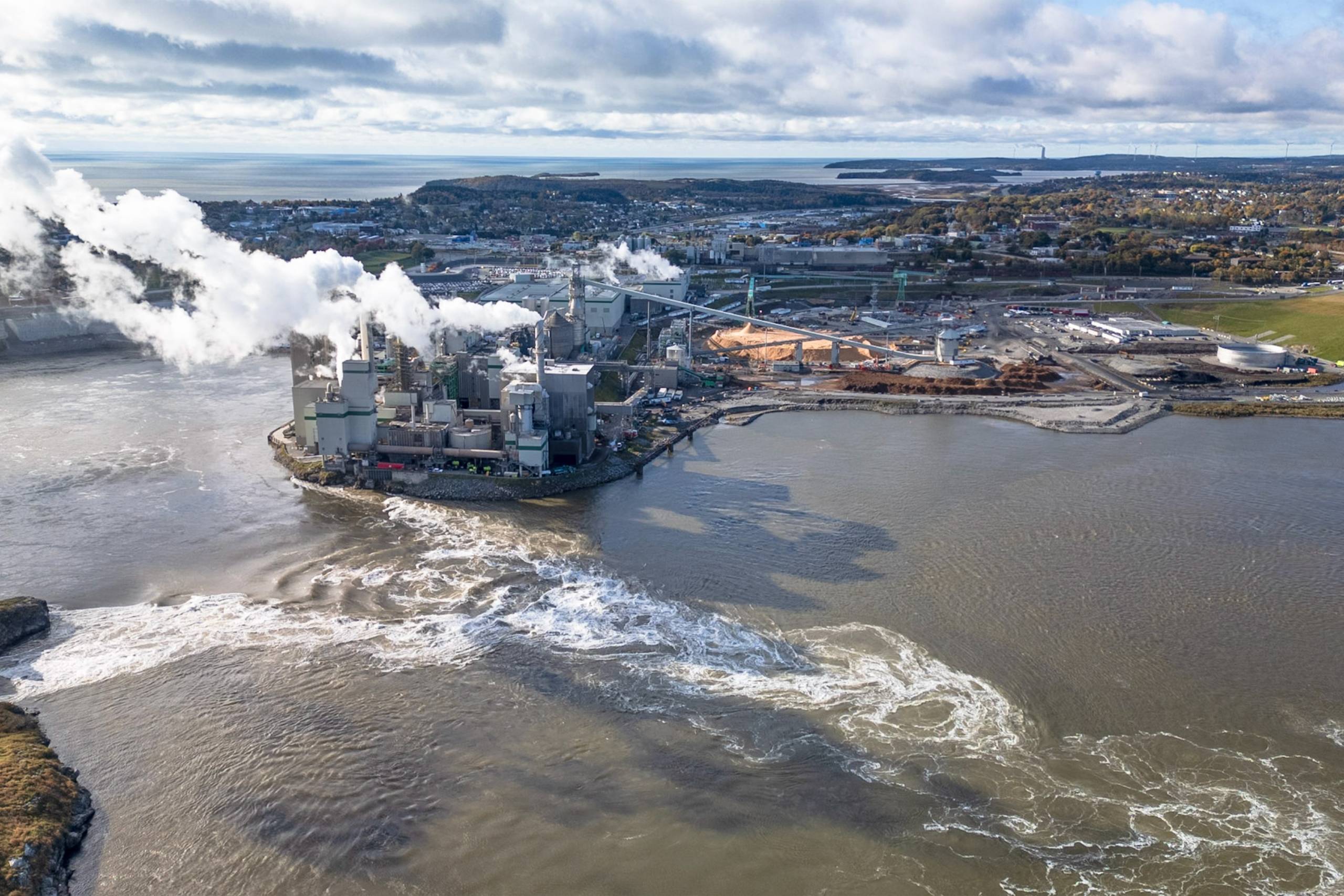
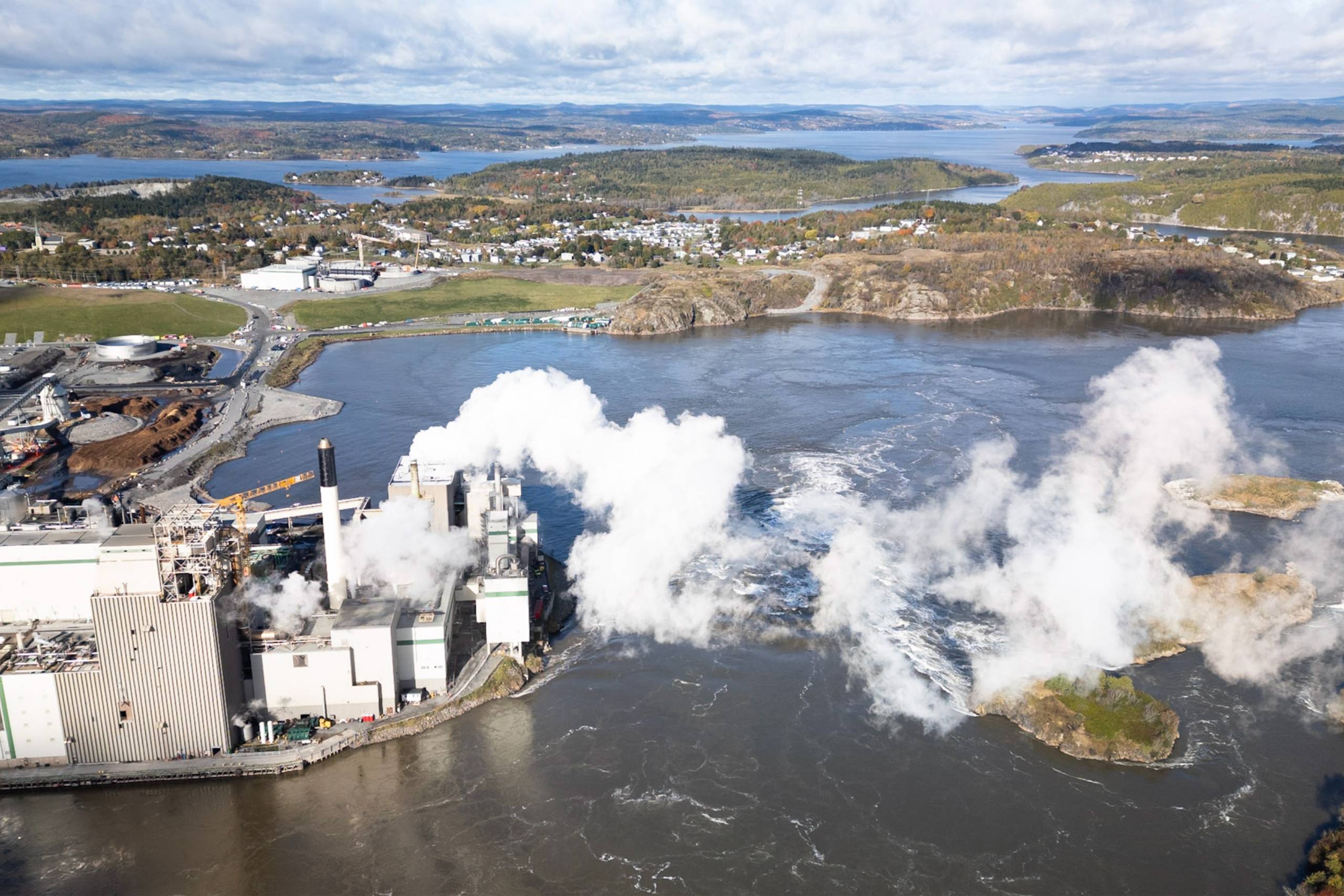
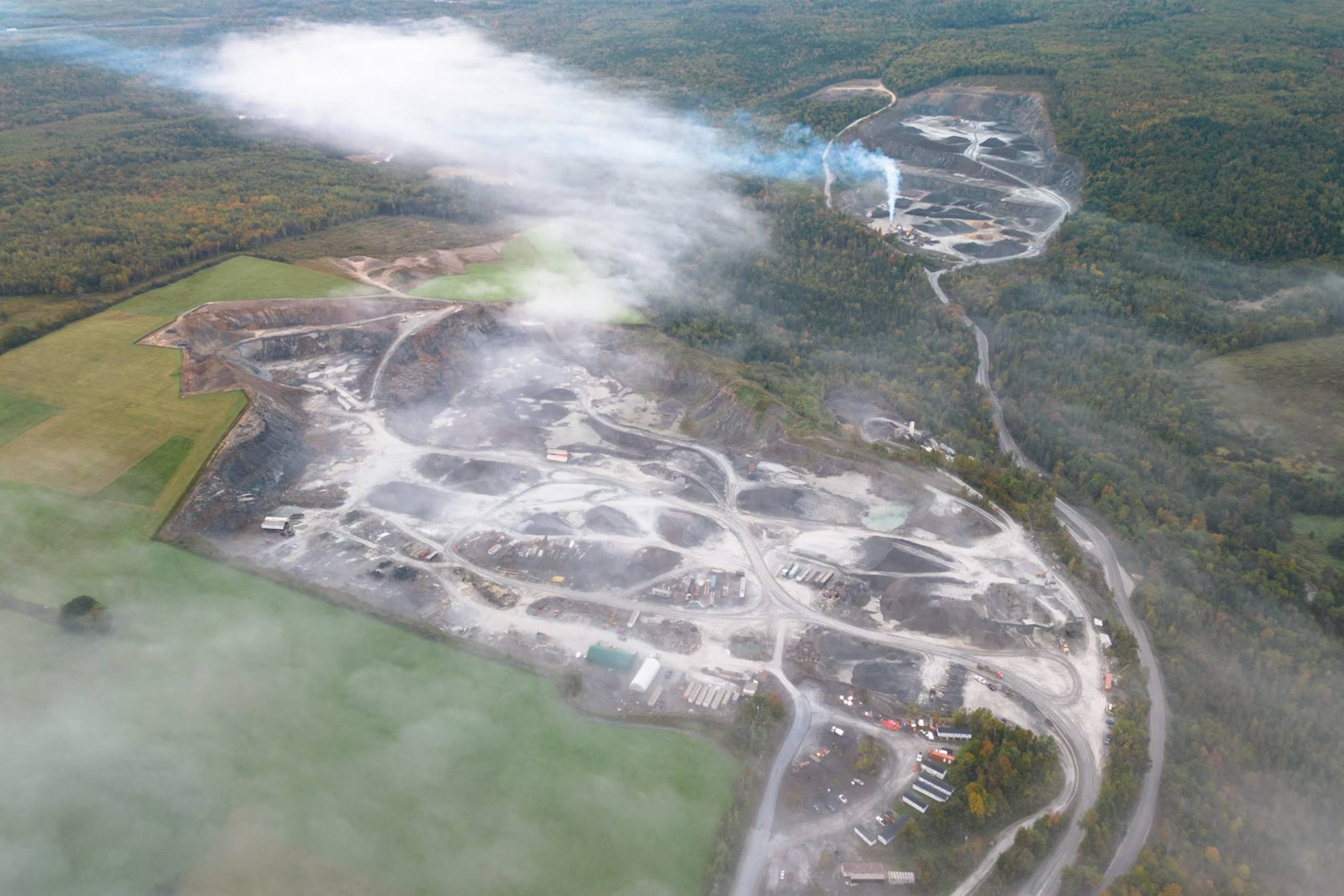
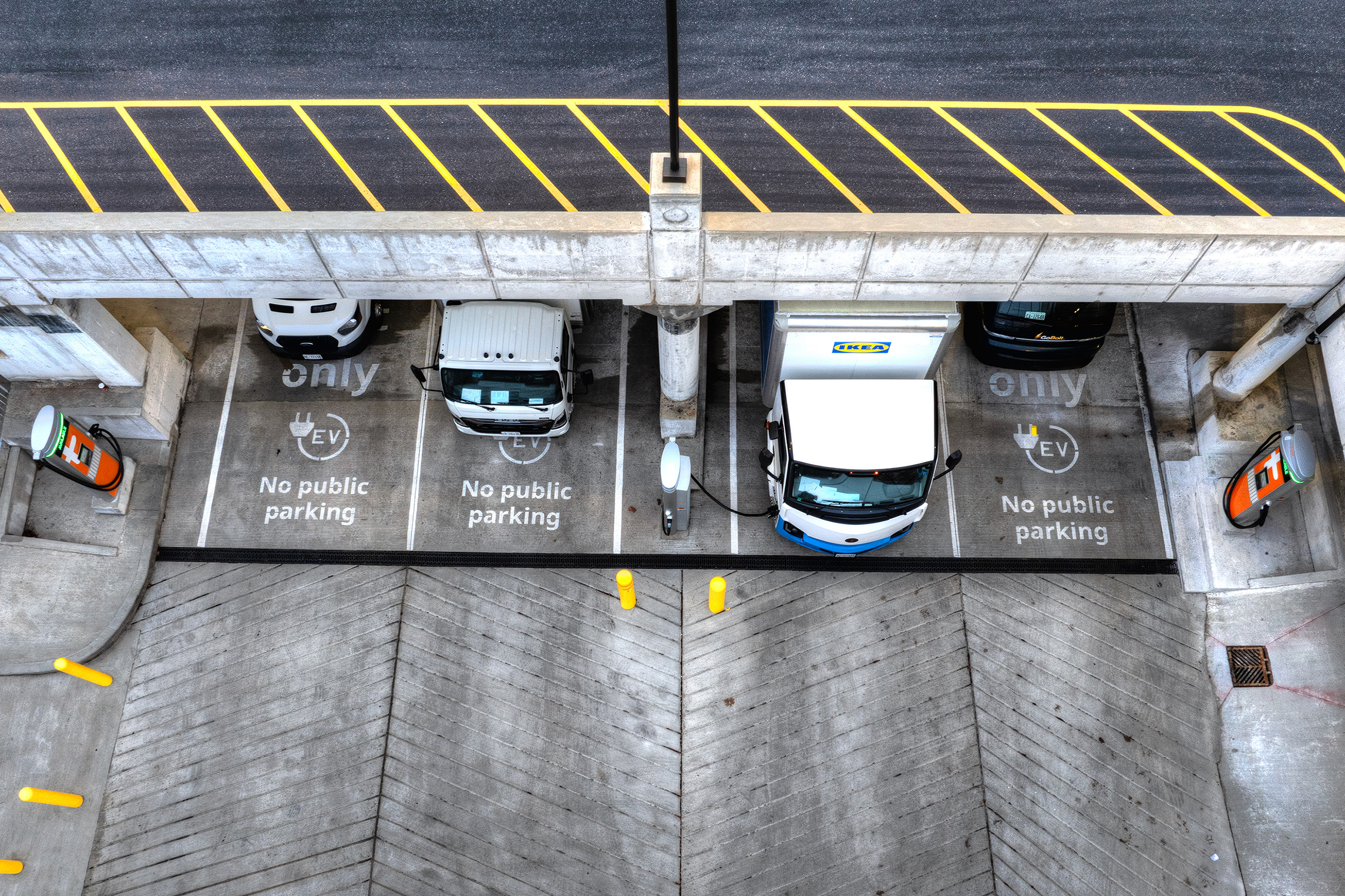
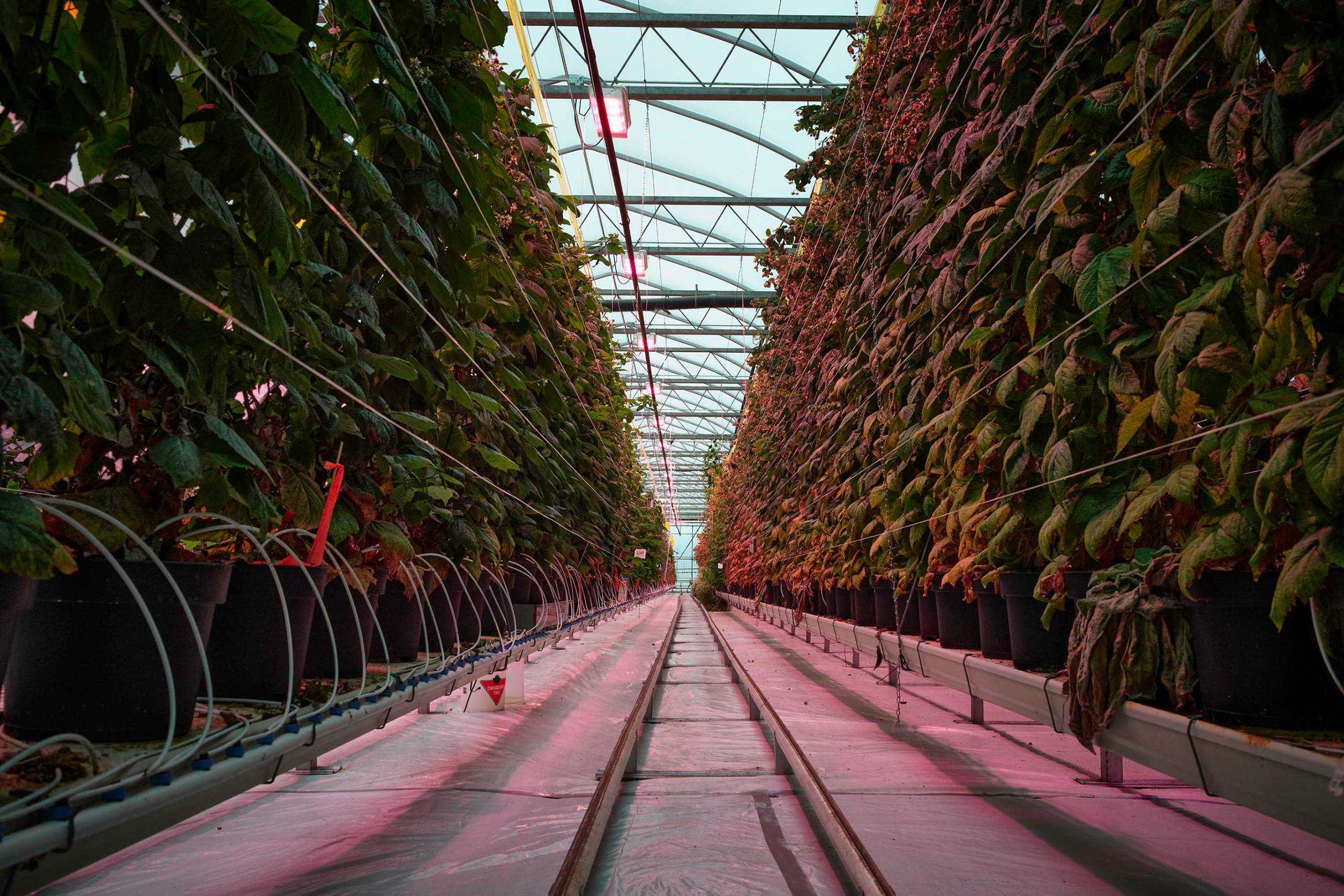
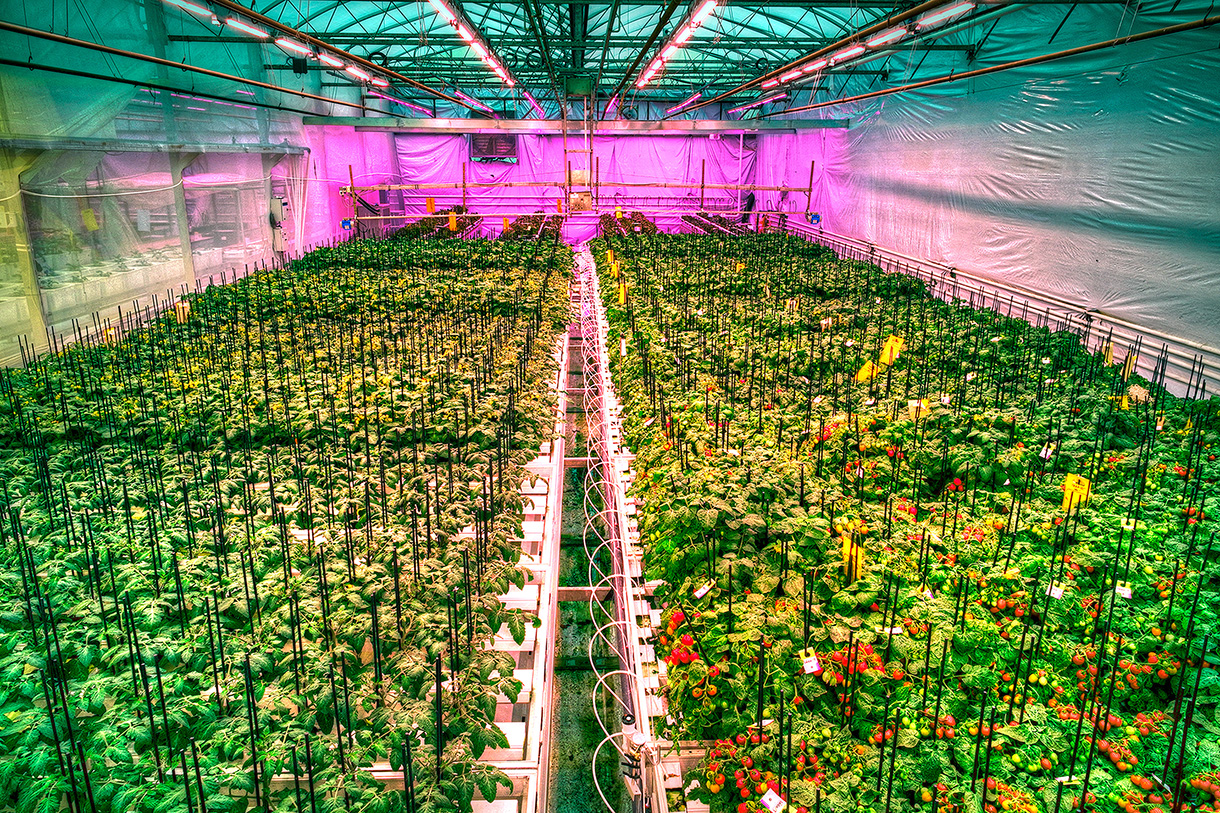
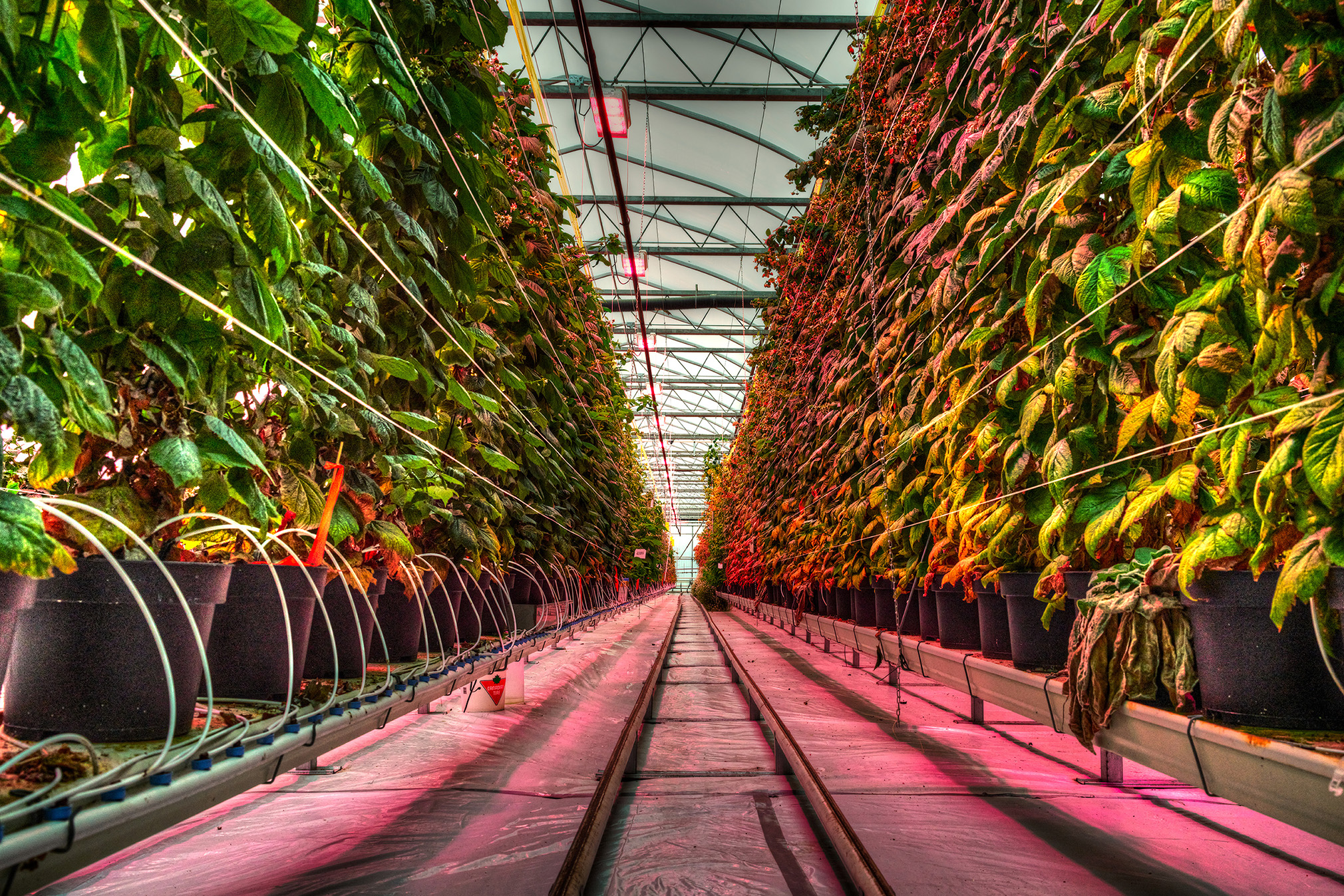
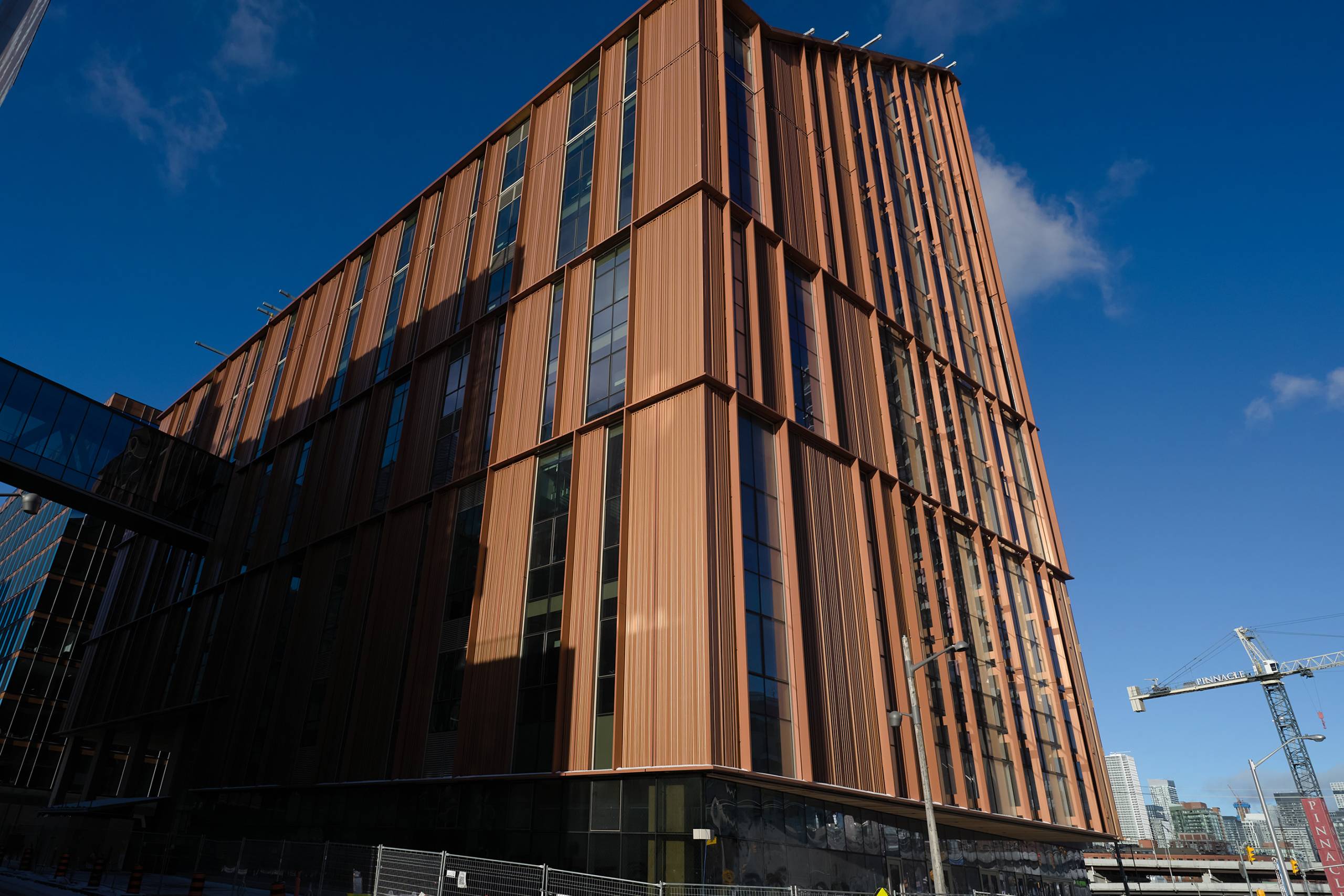
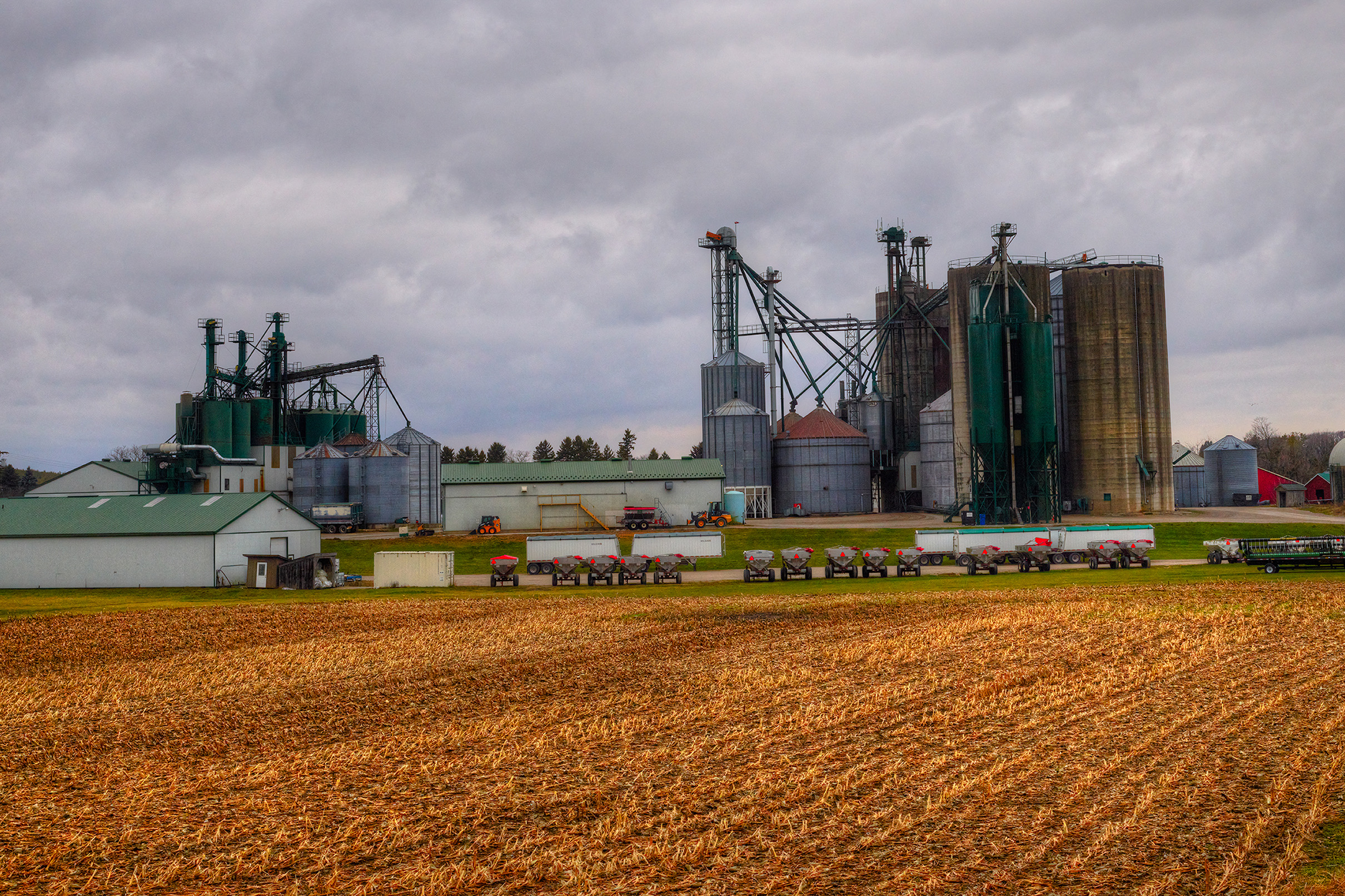
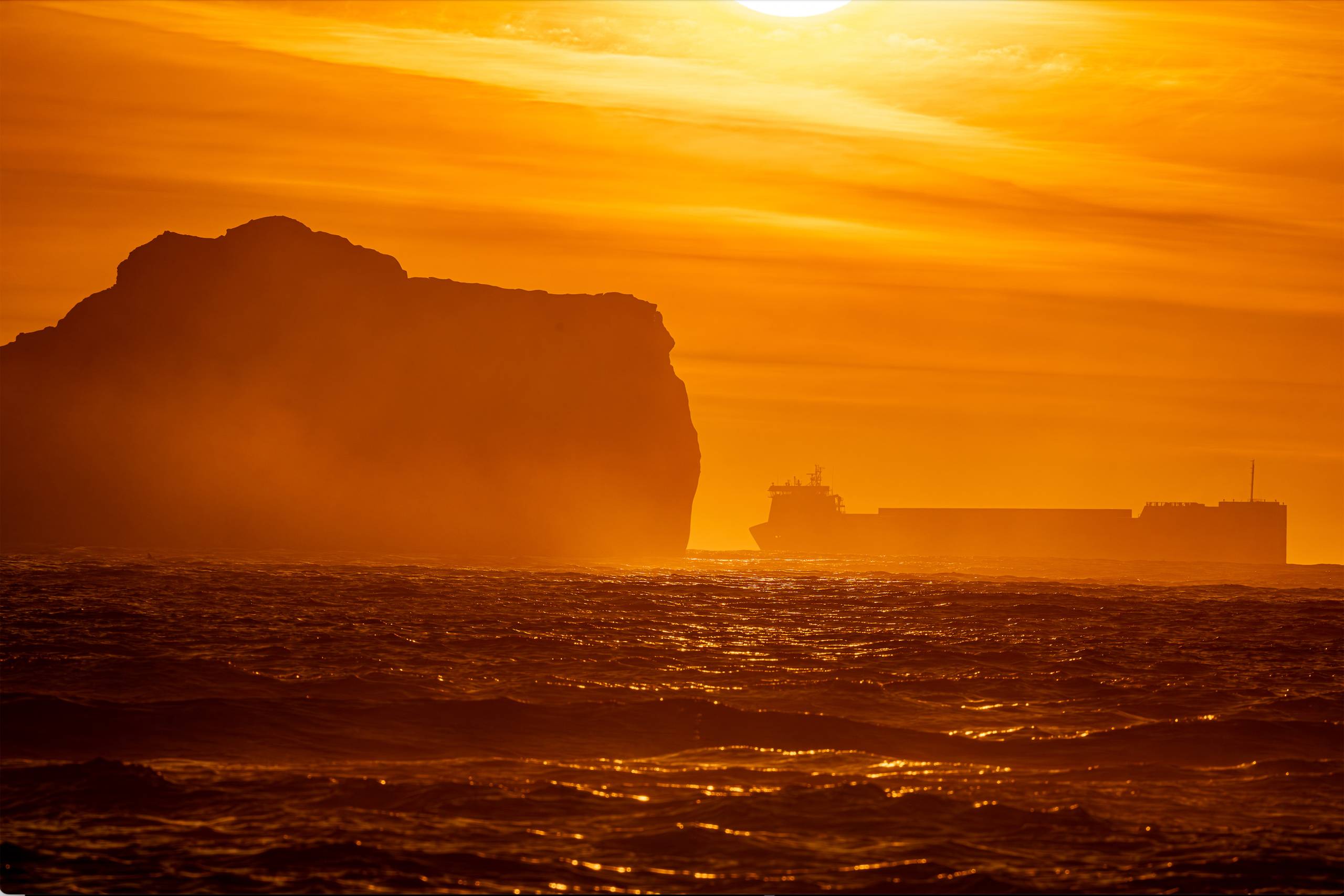
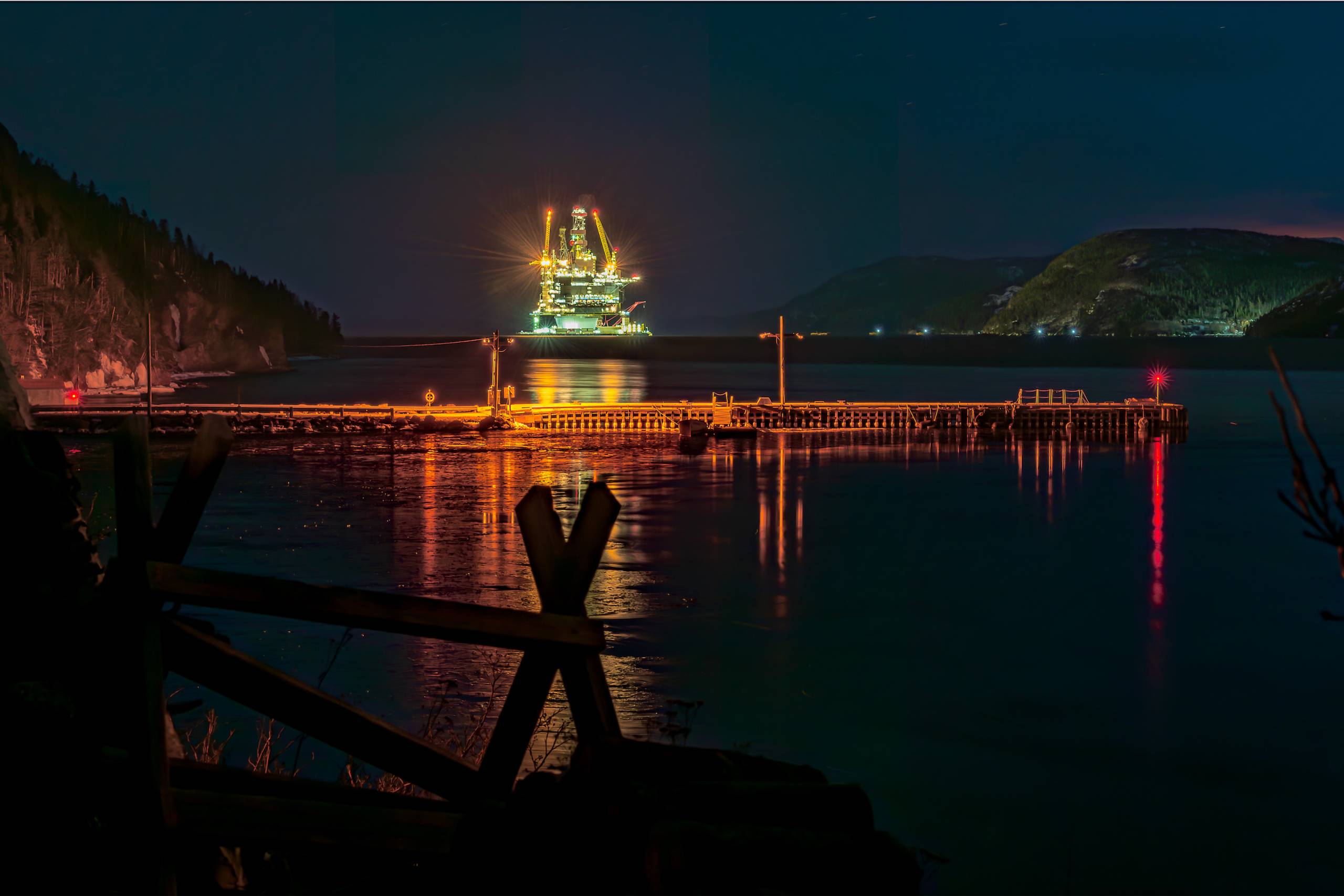
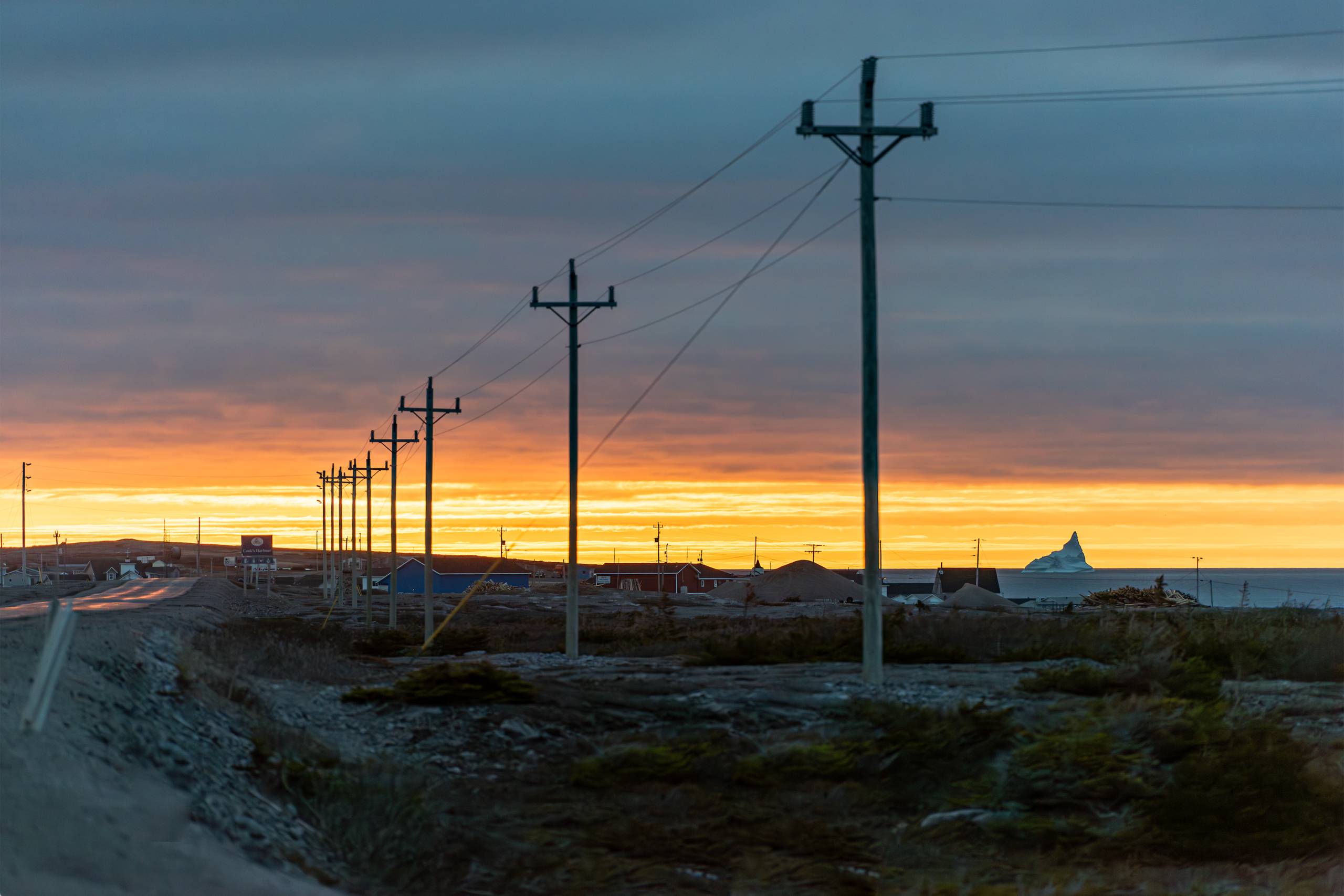
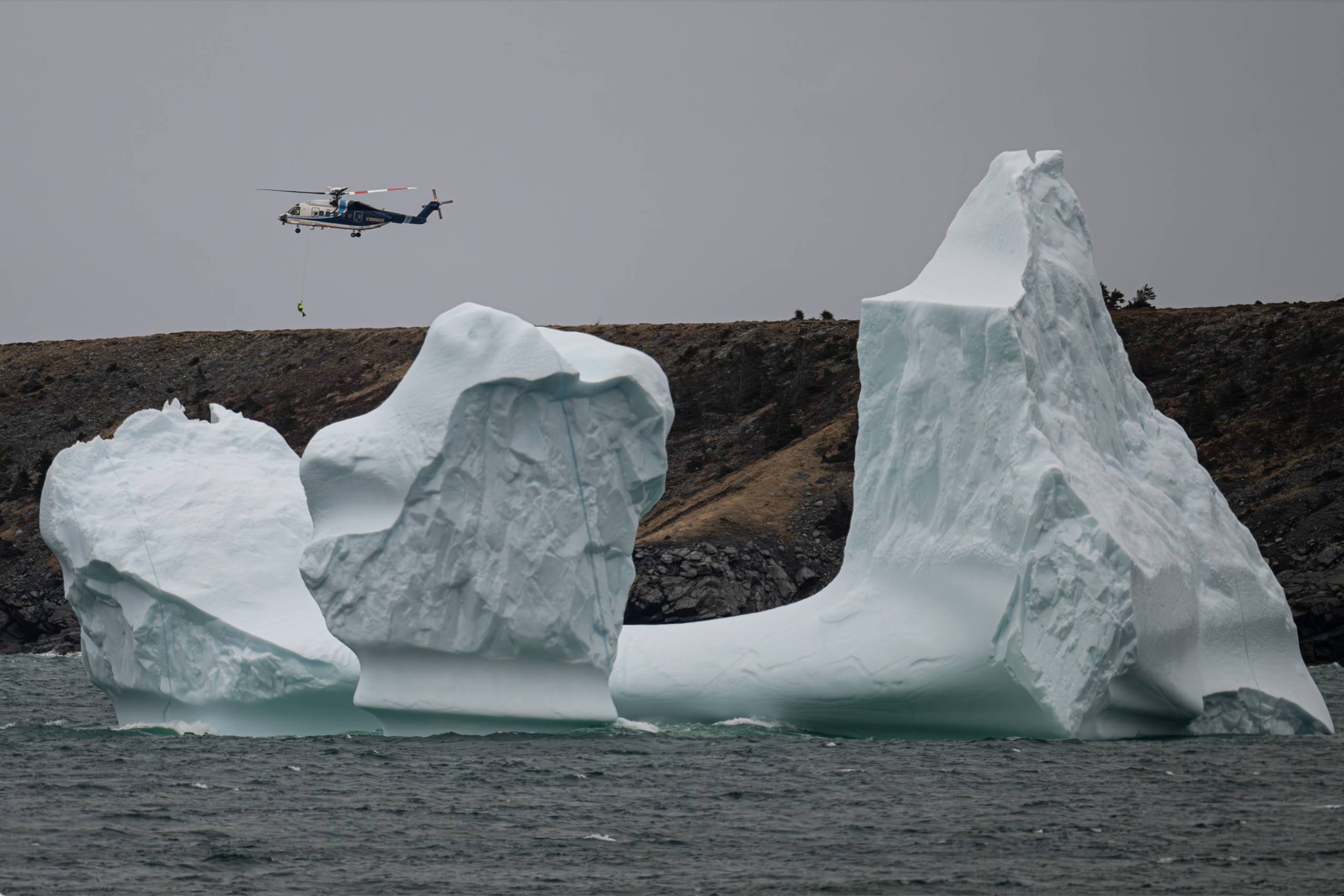
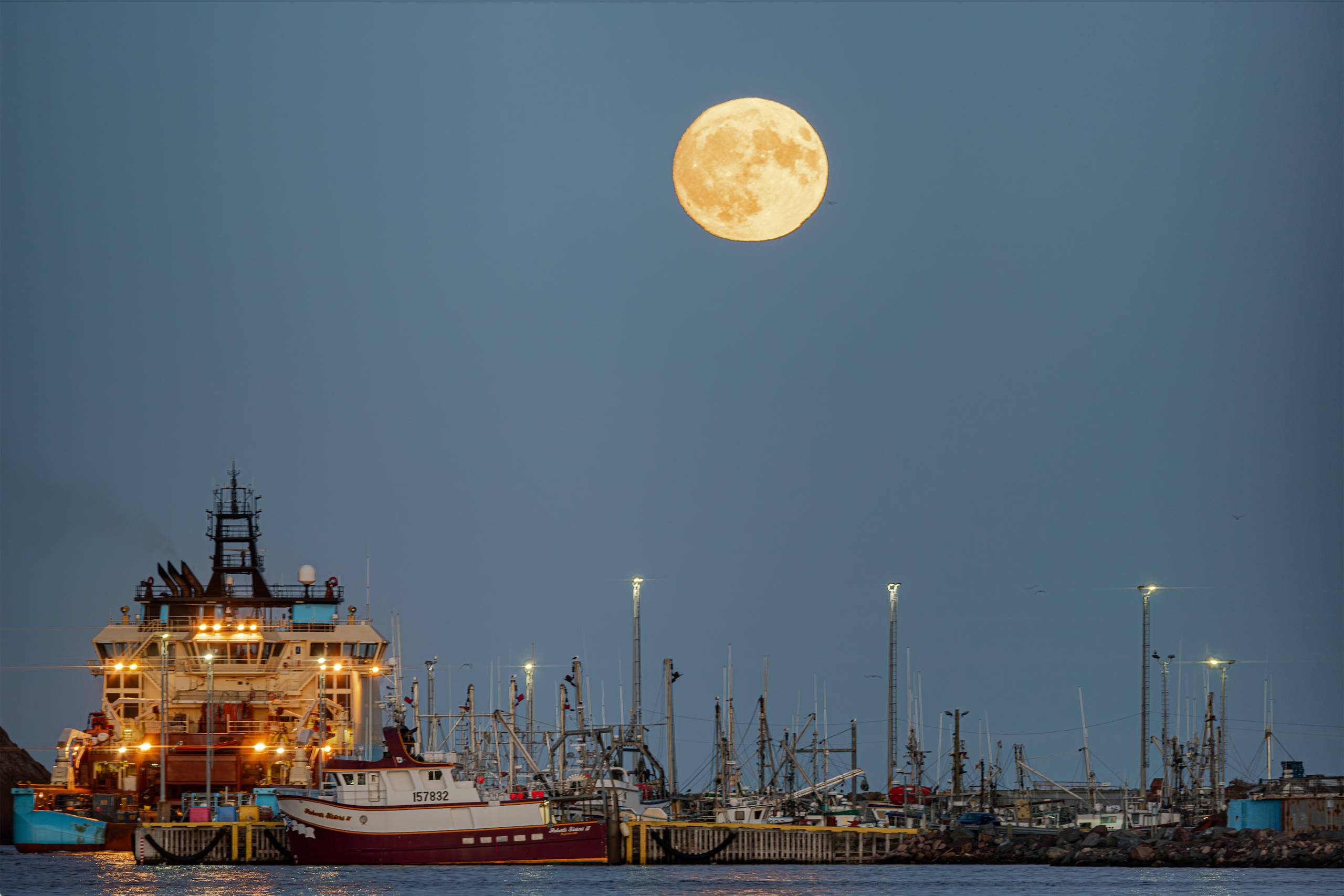
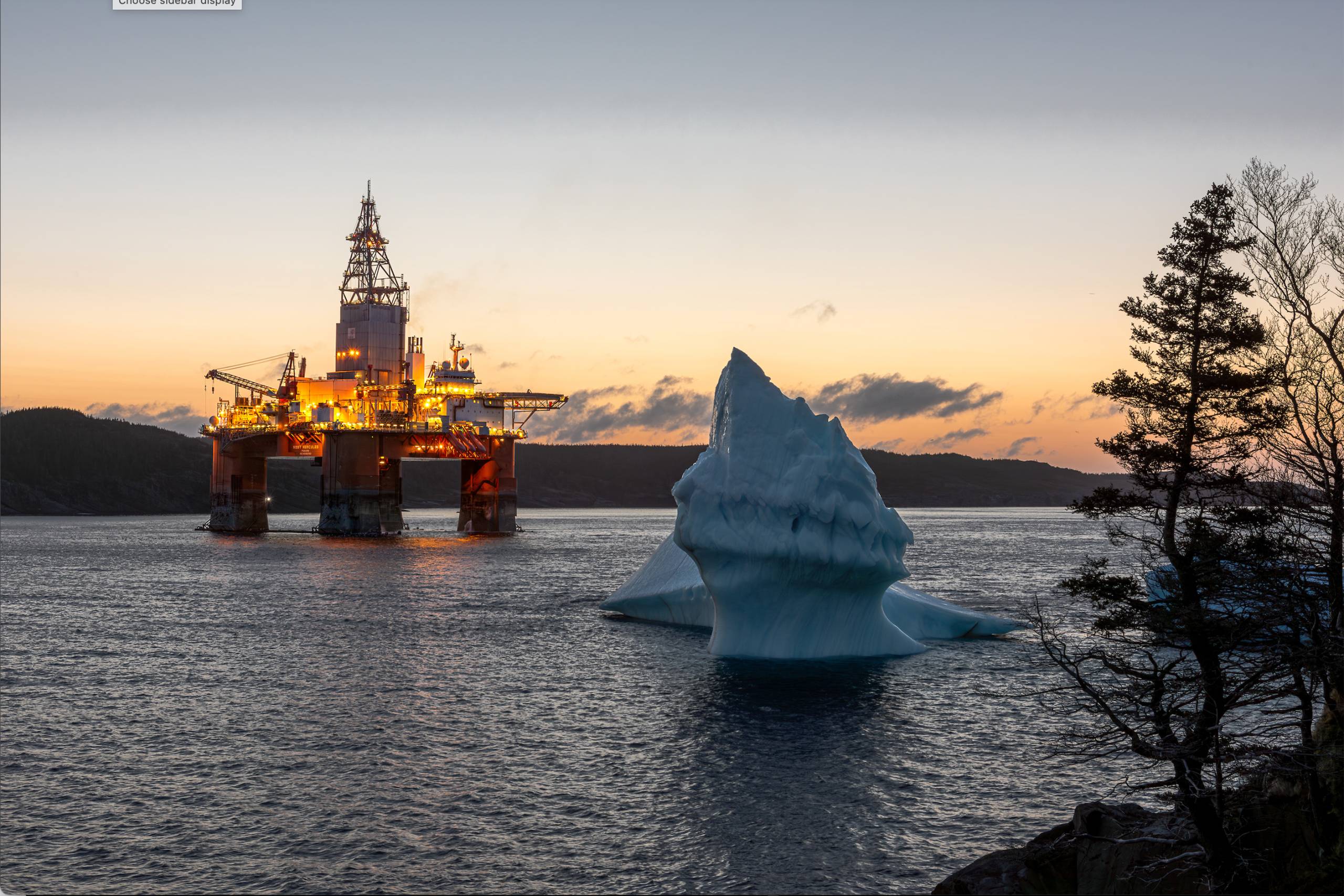
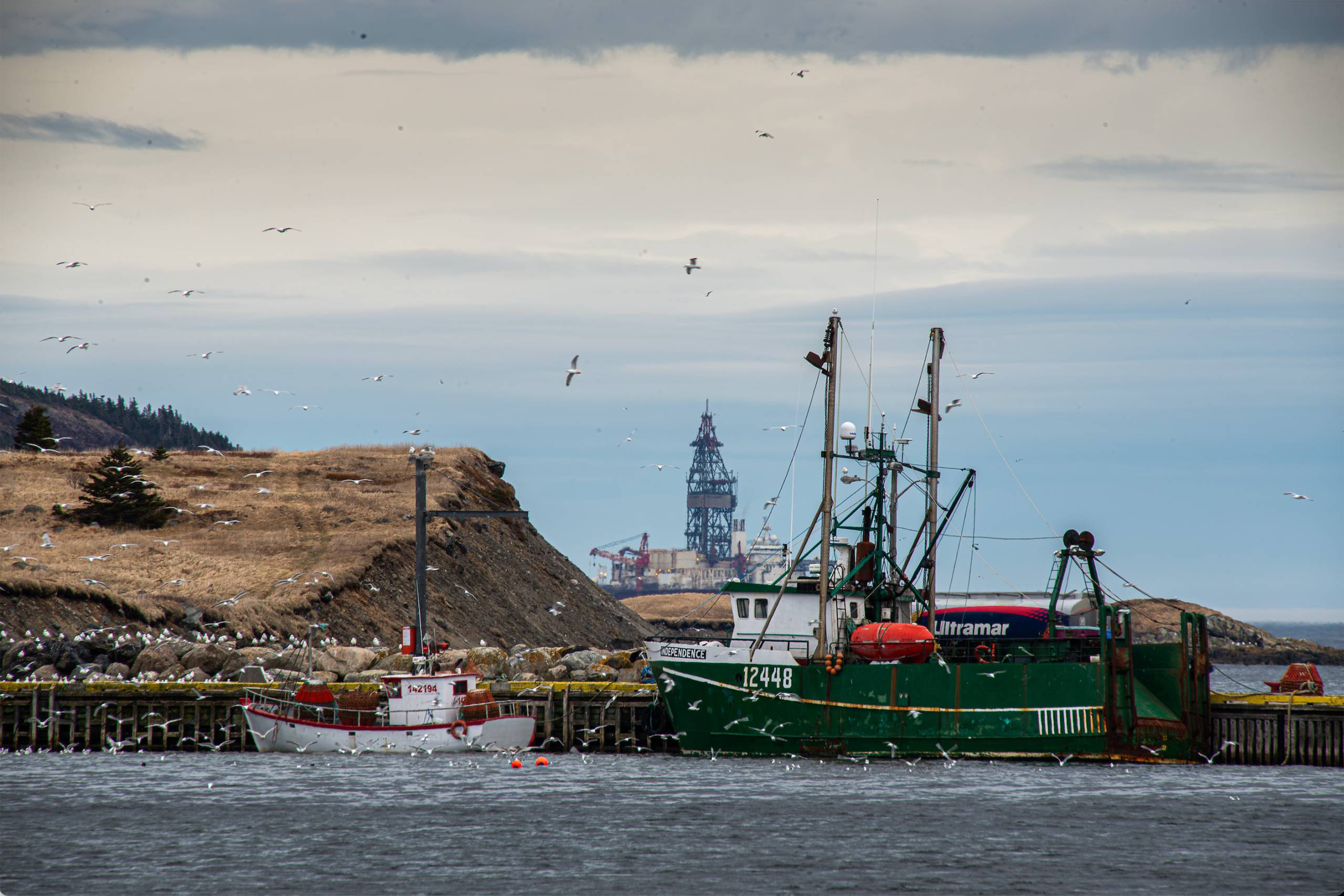
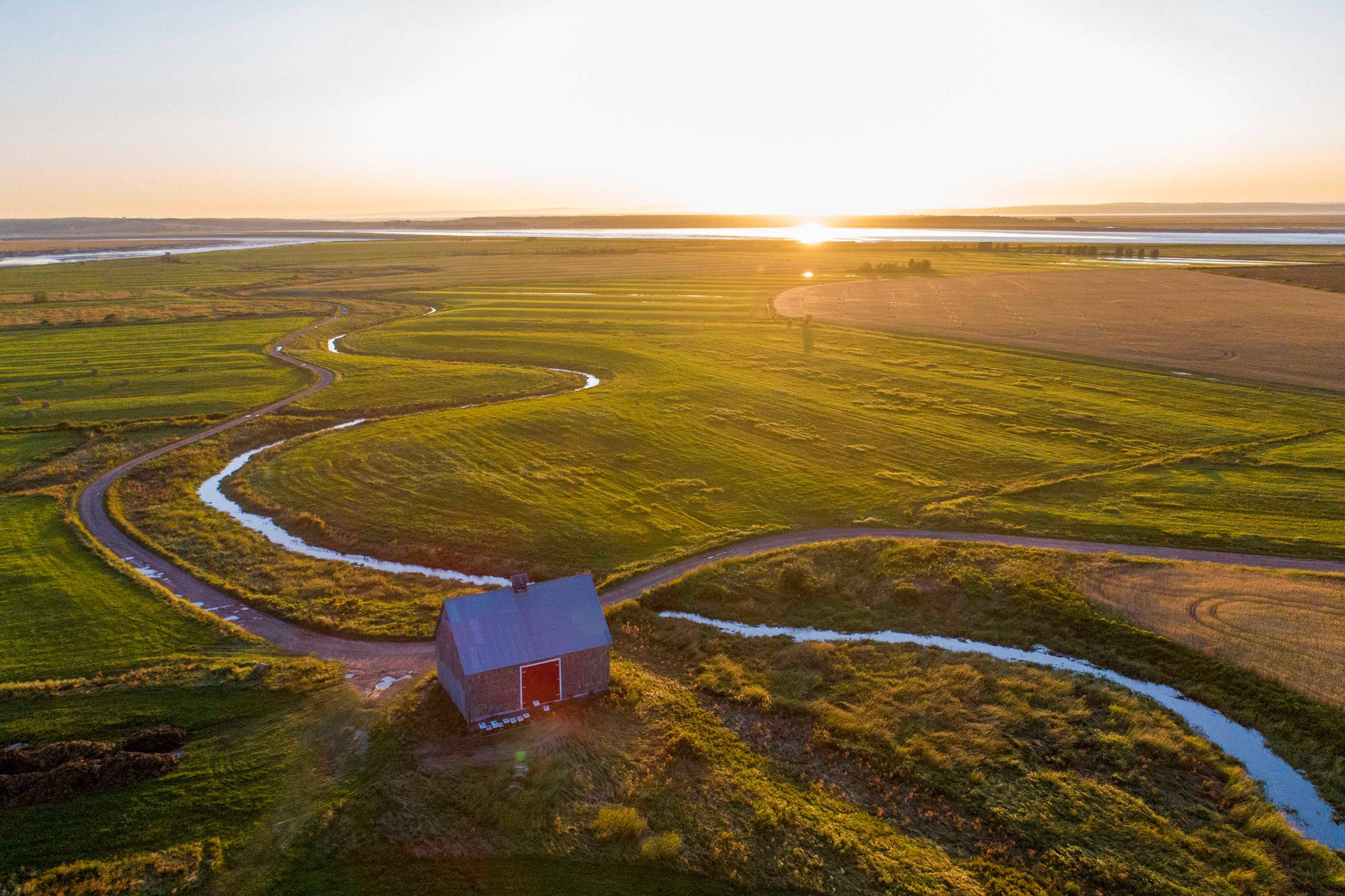
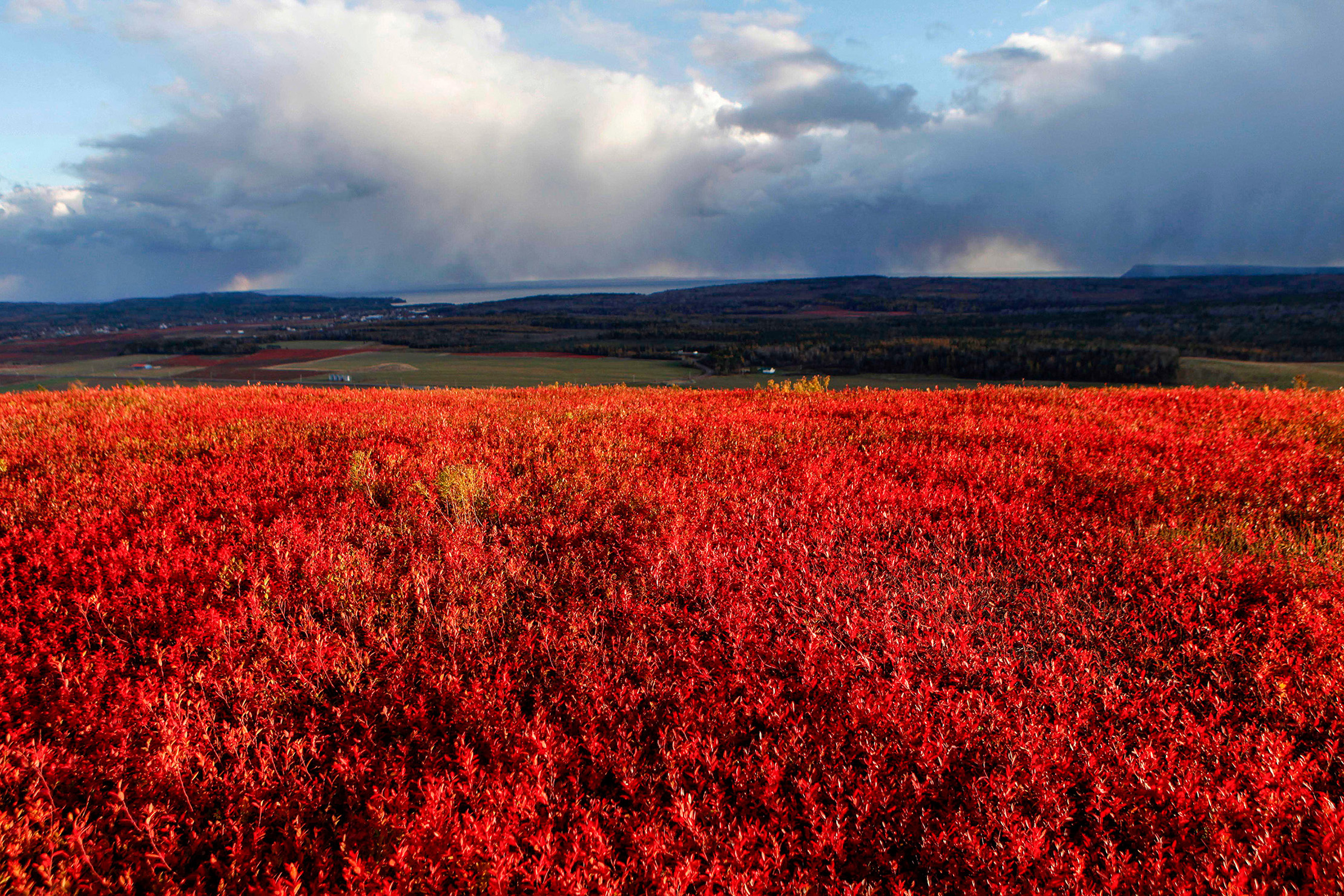
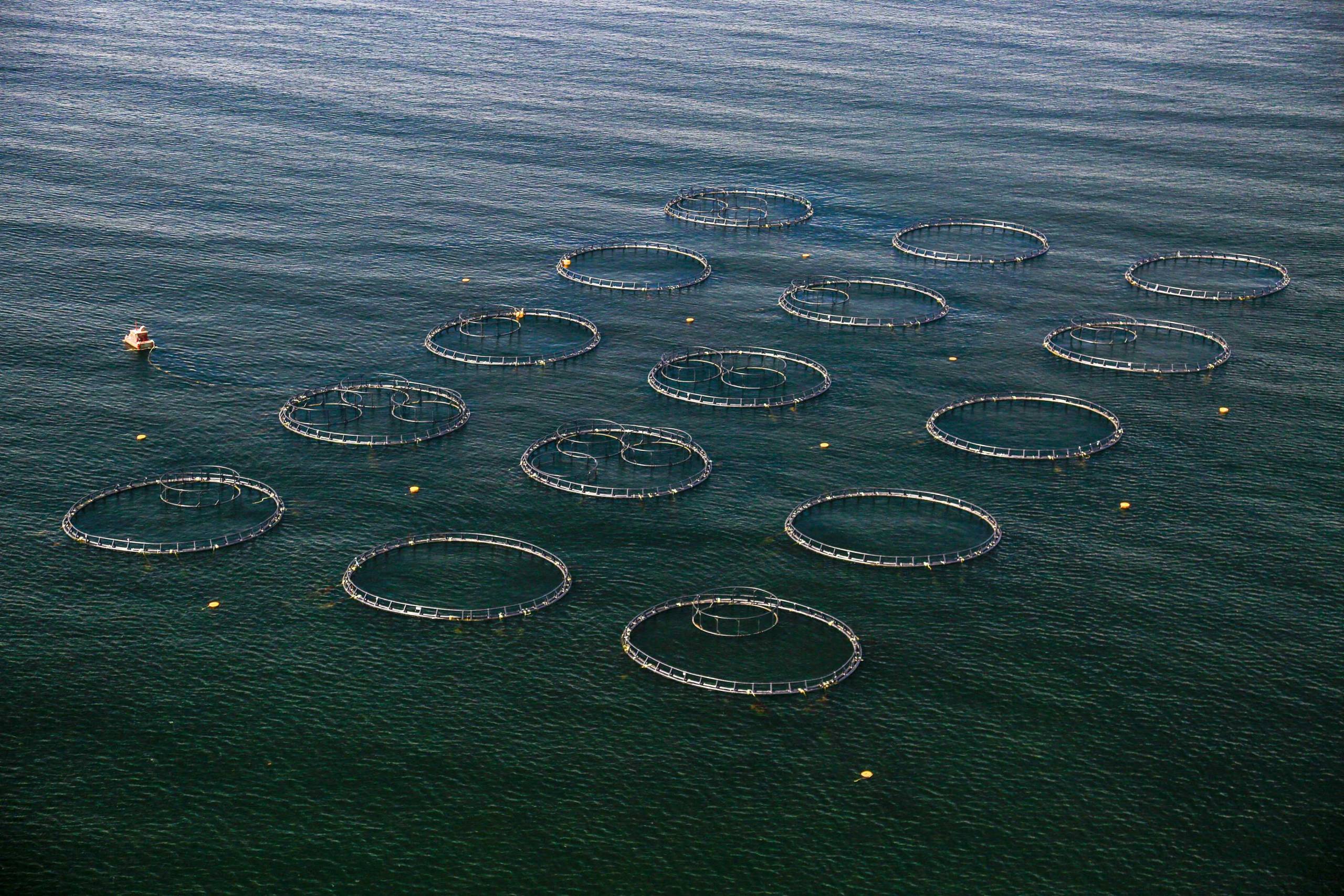
As part of our Climate Action 2025 report, we launched a national photography program to capture real-world examples of climate action across diverse sectors and regions. This collection highlights the unique stories of climate change, the juxtaposition of industry and nature, and some of the solutions in action. By bridging the gap between complexity and emotional connection, these images aim to inspire meaningful conversations and action. Explore this gallery to celebrate this group of photographers who set out to capture climate action in Canada.

Amanda Shalovelo

Amanda began photography when she was fourteen years old. She is self-taught and enjoys primarily photographing scenes from the backroads of the prairies of Saskatchewan. She has been featured in the Canadian Geographic calendars thirteen times and was recently shortlisted for Canadian Geographic’s upcoming Best Wildlife Photography 2024 special issue and the 2025 Wicked Weather Calendar for Canadian Geographic.

Harmony Le Reste

Harmony is a French photographer focusing her work on nature and the great outdoors. At the age of 22 in 2015, she moved to Montreal, Canada. This change of life was accompanied by the discovery of the wide-open spaces and wild nature characteristics of North America. She began working as a freelancer with the Tourist Offices in 2016 and traveled throughout Quebec. Since 2019, she also offers photo trips and workshops all around the world to aspiring nature photographers directly in the field.

Today, she juggles her multiple hats as a nature photographer, photo travel guide, artistic director and outdoor videographer.

Len Wagg

Len Wagg is an award-winning Canadian photographer, author and presenter. A visual storyteller for over three decades, he is well known for capturing the majestic beauty of his native Nova Scotia’s wildlife and salt-strewn landscapes. His assignments have taken him all the way from the deserts of Ethiopia to the cockpit of a CF-18 over Europe, and all across Canada. His images have appeared in newspapers and magazines around the world.

Marc Gilbert

With a passion for exploring Manitoba’s hidden gems, Marc Gilbert captures stunning images of its sprawling parks and serene rural landscapes. His bold and vibrant photographs evoke a sense of wonder, inspiring viewers to appreciate the beauty of the great outdoors.

See Marc’s full portfolio here.

Mitchell Milbury

Mitchell Milbury is a nature and landscape photographer from New Brunswick, Canada. Most of his photography work highlights the natural beauty of the Maritimes. He was raised in Woodstock, New Brunswick where he spent most of his childhood outdoors. Mitchell practices photography weekly by exploring the province of New Brunswick and creating images that showcase its rich natural environment.

Mitchell’s artwork has been exhibited in New Brunswick galleries, and has sold numerous prints of his artwork online.

You can see Mitchell’s artwork in his online portfolio.

Neil Dankoff

Neil was born and raised in Montreal where he studied Film & Communications at McGill University before heading west to Toronto in 1998. It was at this time that the first digital cameras began to emerge and Neil was instantly hooked. $1400.00 got him a 1.3 megapixel Olympus.

Neil was fortunate to have the opportunity to travel the world and develop his own style of panoramic, landscape photography. Using a Phase One, medium format camera, Neil’s unique approach and technique result in a distinct look that is easily recognizable. Each final piece consists of multiple images captured with varying exposures and focal points, all seamlessly put together in an effort to transport the viewer to a specific time and place.

Neil became a staple in the Toronto art scene and was represented by the prestigious Lonsdale Gallery. Over the next four years, the gallery featured Neil’s work in several solo exhibits.

In 2013, Derek and Kirsty Stern accompanied Neil on a photography trip to Africa. The trip was picture perfect and many more adventures were booked…Bora Bora, Hawaii, Iceland, China, Japan, France, Bolivia etc… In 2015, Neil, Derek and Kirsty opened Kandy Gallery in Montreal. Shortly after, Neil was commissioned by Hotel X Toronto in what would turn out to be the largest fine art photography transaction in Canadian history. He spent close to three years traveling the globe to capture over 800 landscape images for the one of a kind luxury resort hotel. In early 2018, Neil opened Kandy Gallery Toronto in the lobby of Hotel X Toronto and then Kandy Gallery Memphis was launched in December.

Ray Mackey

Ray is a Canadian Landscape & Nature photographer who has been capturing emotion and storylines through imagery for a lifetime and publishing them for the past 15 years. Ray’s travels to other parts of the world to seek out new imagery to capture is an ongoing passion; however, his published works largely focus on the shores of eastern Canada in Newfoundland and has led to being published and displayed in and on the covers of magazines along with other publications and Canadian embassies worldwide.

Read the full report at rbc.com/climateaction25.

Download the Report

Download

For more, go to rbc.com/climate.

Download the PDF

Download


Issue #06

How Canada can stave off a tariff-trigger-happy U.S.
AI vs Emissions: Canada can have it all

Hot takes

Give those sanctimonious Christmas climate blogs a rest. There might be better ways to make you feel less guilty about your Christmas carbon footprint. Can you travel less in the run-up to Christmas, get on public transportation more, avoid that optional plane trip, stop buying wrapping paper—even send less cards (Canada Post is on strike, anyway)? And dig in your Christmas roast guilt-free.
Environment vs economy plays out in two Canadian cities: Crowsnest Pass, Atla., wants to be a coal town again. The 6,000-strong community recently voted in favour of building the Grassy Mountain metallurgical coal project—and it wasn’t even close: 72% voted yes in a high turnout, in the hopes of securing new economic revenues. While the town’s vote is non-binding, it underscores how economic development is trumping environmental concerns for some communities. Further west, Vancouver clung on to its ban on natural gas heating for new homes—but only just. Those in favour of scrapping the ban, including mayor Ken Sims, said it would improve housing affordability in pricey B.C. But it also sparked widespread opposition. A 5-5 tie at the city council vote ensured the ban remains in place.

The backlash against the plastic backlash. Global climate leaders’ very bad, no good, awful year seems to have ended with another disaster this week in South Korea: a failure to agree on plastic pollution . More than 100 countries were pushing to phase out plastic production, but oil producers warned it could impact economic development. Talks will resume next year. The latest stalemate is part of a broader pattern of stalled progress on climate and environmental issues, especially at COP29.
Barbados swapped a portion of its debt for climate commitments. The debt-to-climate swap allows Barbados to restructure higher-interest debt, and generate $125 million in fiscal savings. In return the Caribbean nation has pledged to use the funds to boost water resource management and improve water and food security. It’s emerging as a popular way for developing countries to ease their financial burden in return for greater environmental stewardship. The World Economic Forum estimates debt-for-nature swaps could provide US$100 billion to restore nature and help countries adapt to climate change.

Bi-Weekly Climate Action Award: Omar Yaghi, a chemist at University of California, Berkely, for developing a carbon capture powder. Early tests show just half a pound of the stuff may absorb as much carbon dioxide as a tree.

Bi-Weekly Climate Fail Award: To Norway for offering commercial deep-sea mining—a world first. The government has since postponed the decision amid pressure from a coalition partner. Thirty two countries, including Canada, have called for a moratorium on deep-sea mining in international waters.

5 Energy Aces Up Canada’s Sleeves

President-elect Donald Trump hosted Prime Minister Justin Trudeau at Mar-a-Lago for dinner last week after threatening to impose a blanket 25% tariff on Canadian goods. Trump described the dinner meeting as “productive,” but Canada’s hardly off the hook. Here’s how Ottawa can leverage its energy resources to play a strong hand and steer U.S. away from mutually assured inflation in both countries.

The crude math doesn’t add up: Heavy Canadian oil still trades at roughly a $10 discount to the North American benchmark. A 25% tariff on the U.S.’s biggest oil shipper could send gasoline prices spiking well over their current US$3 per gallon average, nationwide. That could derail energy czar Doug Burgum’s mandate to lower gas to US$2 per gallon. Incidentally, Burgum was at the Trump-Trudeau dinner table.

There’s no American energy dominance without Canada: Canada is the dominant supplier of piped natural gas to the U.S. If the new administration wants to establish American “energy dominance,” it must lean on Canadian gas. A steady supply from the Montney and Duvernay, would give U.S. lawmakers the flexibility to boost American liquefied natural gas exports to Europe and Asia, without raising prices at home.

There’s uranium at the U.S.’s doorstep: The Joe Biden administration’s plan to triple U.S. nuclear capacity is something the new administration will likely be on board with. Biden’s nuclear framework envisions working closely with Canada, among others, to “establish a secure and resilient global nuclear fuel supply chain,” including uranium. Canada is the world’s second largest producer of uranium with output far exceeding the U.S.

We are critical to building an alternative to China’s supply chains: Canada has nearly five times more cobalt reserves and six times more nickel reserves than the U.S, two key metals in energy transition. We are also a bigger producer of aluminum, graphite (for lithium-ion batteries), indium (for chip-making), iron ore and lithium than the U.S., according to the U.S. Geological Survey. The U.S. needs us to loosen China’s hold on global supply chains.

We power your cities. Admittedly, a bit of a weak hand these days (see chart). Still, Hydro Quebec has built new transmission lines and sewn up long-term contracts with customers in Massachusetts and New York. Droughts are playing havoc with Canadian electricity exports, but it remains an important bargaining chip.

AI vs Emissions

Canada can have it all: a foothold in North America’s booming data centre sector powered by artificial intelligence, but also maintain its climate ambitions. What’s needed is a flexible approach, a strategic alignment with the United States—and meaningful levels of abated natural gas.

Power Struggle: How AI is challenging Canada’s electricity grid, a new report by Energy Policy Lead Shaz Merwat, analyzes how Canada can navigate the stress data centres could potentially place on the country’s grid:

What’s the opportunity?:

Canadian regulators are reviewing data centre applications with a combined estimated capacity of 15 gigawatts—enough to power seven out of 10 homes nationwide. AI is the primary driver of this surge, with data centres offering a $100 billion opportunity for the construction and build of data centres and accompanying IT infrastructure (think expensive Nvidia chips).

What’s the playbook?:

“Bring your own power” seems ideal. That’s the Alberta model, which allows for faster deployment and supports local natural gas prices, driving economic benefits for the province.

What are the climate costs?:

If natural gas powers six additional gigawatts of data centres, annual emissions could rise by 16 million tonnes of CO2e—a 3% increase in Canada’s total emissions, Shaz estimates. However, carbon capture and storage (CCS) could throttle the rise of emissions.

Read the full report here.

The Institute In Action

The RBC Climate Action Institute co-hosted a special session in Ottawa in November with the British High Commission, where Institute head John Stackhouse and Deputy High Commissioner David Prodger offered eight key messages for Canada.

John also spoke at the National Electricity Roundtable in Ottawa about Canada’s opportunity to produce more electricity to power AI, EV batteries and other parts of the economy.

John’s whirlwind Ottawa trip concluded with a discussion at the Sustainable Finance Forum on Canada’s opportunity to produce more food and emit less—it could be our best investment for the disruptive decade ahead.

What’s on the team’s reading wish list: John’s been brushing up on his Trumponomics with two books return by the president-elect’s former advisors. Here are some other books on the team’s list: The New Cold War: How the Contest Between the U.S. and China Will Shape Our Century, obert Niblett, and The War Below: Lithium, Copper, and the Global Battle to Power Our Lives, by Ernest Scheyder.

Curated by Yadullah Hussain, Managing Editor, RBC Climate Action Institute.

Climate Crunch would not be possible without John Stackhouse, Myha Truong-Regan, Sarah Pendrith, Farhad Panahov, Lisa Ashton, Shaz Merwat, Vivan Sorab, Caprice Biasoni and Frances Dawson.

Have a comment, commendation, or umm, criticism? Write to me here (yadullahhussain@rbc.com)