

 EN
EN 

Over a quarter of a million EVs rolled onto Canadian roads in 2024 alone. But, as we noted in Climate Acton 2025: A Year For Rewiring, our annual flagship report, this year may test electric vehicle sales in the country amid a phase-out of purchase incentives that had supported the nascent market.

The European experience offers a clue: the end of EV subsidies in Germany in 2023 led to a jump in sales ahead of the deadline, followed by a significant 10-15 percentage-point decline in adoption rates over the next 12 months. Similar trends played out across other parts of Europe.
In Canada, the federal incentives program ran out of funding earlier this year ahead of schedule, ending the $5,000 incentive that had motivated buyers to get behind the wheel of an EV. Quebec, in the midst of unwinding its incentives, also paused its program for two months amid high volumes. The question on policymakers and the auto industry’s minds is whether Canadian EV sales can continue to motor along in the absence of incentives. January’s data suggests a drop in EV sales already.
Thanks to subsidies, one in seven cars sold last year was an EV last year. This high watermark can be attributed to buyers rushing to purchase before incentives were phased out. As we wrote in Climate Acton 2025: A Year For Rewiring, nearly 90% of EV sales were aided by federal or provincial subsidies.
Here are the key factors that could impact EV adoption in Canada this year:
1. Incentive phase out. Some car brands continue to replace incentives previously provided by governments to soften the blow to consumers. We believe incentives will remain a critical adoption factor until price parity is achieved with gas-powered cars.
2. Tariffs and trade hurdles. Tariffs tend to raise prices, and EVs are not immune to that despite the presence of some cheaper-priced Asian brands in the segment. Geopolitical uncertainties are also adding to delays to EV production plans in Canada.
3. Range anxiety. Concerns over running out of battery power during trips is among the major deterrents for buyers. But battery ranges have significantly expanded, with EVs tested in cold weather1 boasting an average driving range of 300 kilometres on a single charge. That’s sufficient to meet the weekly work commute for 90% of Canadians.
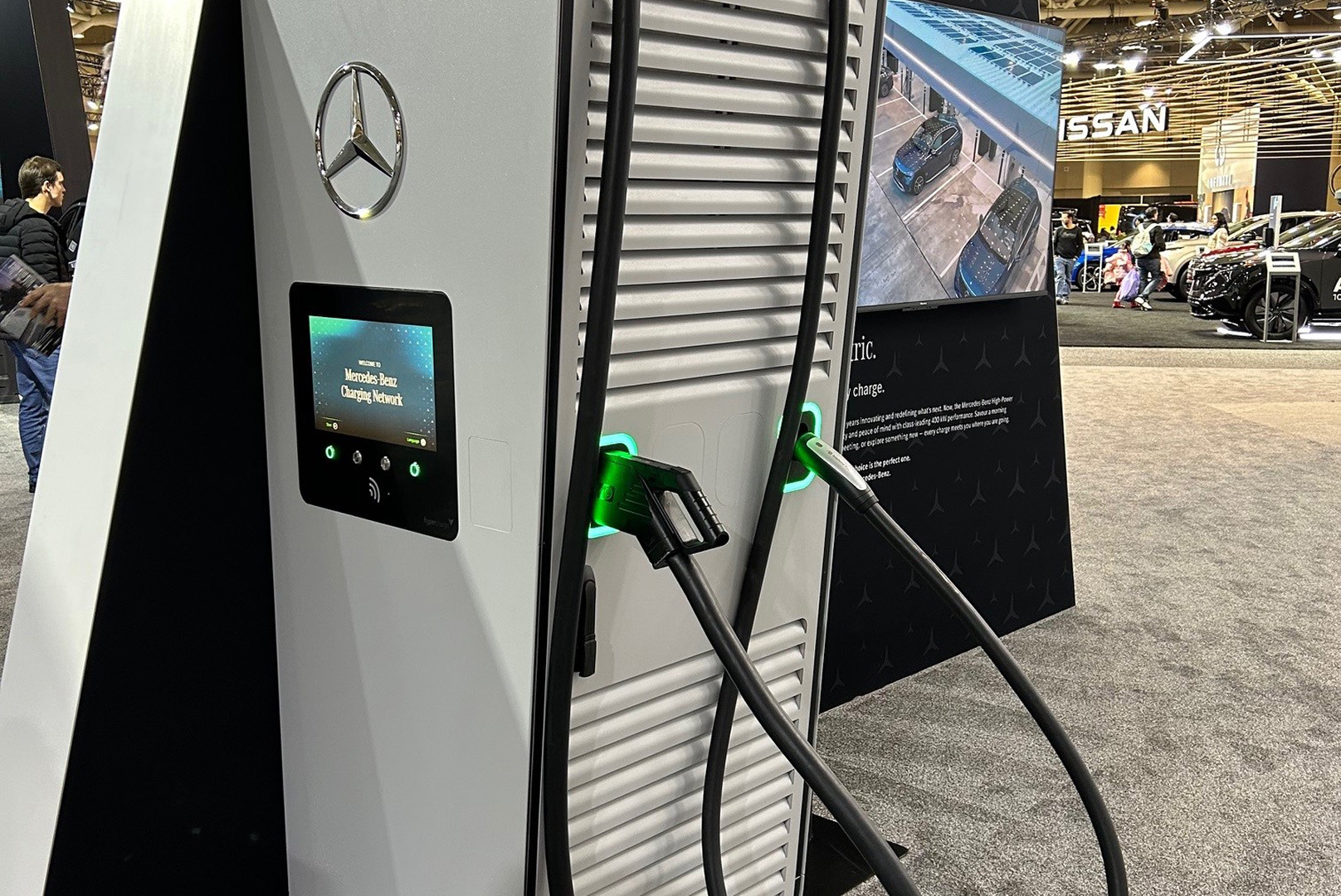
4. Charging perception. Public charging spots have mushroomed in recent years, with 12,000 locations across the country compared to 10,000 gas stations, though they are mostly concentrated in urban areas. Overall, the EV-charger ratio is at the optimal range of 20-25 EVs per charger2, but the network will need to significantly expand to accommodate EV adoption among those with limited home charging access.
This article is intended as general information only and is not to be relied upon as constituting legal, financial or other professional advice. The reader is solely liable for any use of the information contained in this document and Royal Bank of Canada (“RBC”) nor any of its affiliates nor any of their respective directors, officers, employees or agents shall be held responsible for any direct or indirect damages arising from the use of this document by the reader. A professional advisor should be consulted regarding your specific situation. Information presented is believed to be factual and up-to-date but we do not guarantee its accuracy and it should not be regarded as a complete analysis of the subjects discussed. All expressions of opinion reflect the judgment of the authors as of the date of publication and are subject to change. No endorsement of any third parties or their advice, opinions, information, products or services is expressly given or implied by Royal Bank of Canada or any of its affiliates. This document may contain forward-looking statements within the meaning of certain securities laws, which are subject to RBC’s caution regarding forward-looking statements. ESG (including climate) metrics, data and other information contained on this website are or may be based on assumptions, estimates and judgements. For cautionary statements relating to the information on this website, refer to the “Caution regarding forward-looking statements” and the “Important notice regarding this document” sections in our latest climate report or sustainability report, available at: https://www.rbc.com/our-impact/sustainability-reporting/index.html. Except as required by law, none of RBC nor any of its affiliates undertake to update any information in this document.