The past few years have been incredibly hard for many Canadians. The pandemic caused massive disruptions to the job market and the highest rates of inflation in decades, which was intensified by the war in Ukraine. And now comes a trade war with the U.S., with its own set of shockwaves, including job losses and supply-chain upheaval, sending the price of goods even higher. Many can’t keep up.
Today, one in four Canadians are experiencing food insecurity. That’s 10 million people—a level never seen before in this country.1 Ultimately, it’s an issue of affordability. There is an abundance of food available. But for an increasing number, it’s out of reach. In March 2024, more than two million visits were recorded at Canadian food banks. That’s a 90% increase in just five years.2 And food banks are a last resort, signalling how dire things have become. Properly supporting and resourcing food banks is critical. However, addressing food insecurity longer term, relies on building a stronger Canadian economy. This includes addressing the affordability crisis, improving productivity, and advancing durable economic development in Canada’s rural and remote areas.
Trade war on food: Rising job loss, costs, and disruptions
Job loss and insecurity is forcing many to make difficult choices
U.S. President Donald Trump’s trade war has caused widespread uncertainty. Launches have been delayed. Production has been paused. Layoffs have been announced. Between January and May, Canada’s manufacturing sector lost 54,000 jobs and the country’s unemployment rate rose to 7%, the highest it’s been since 2016, excluding the pandemic.3 4 Trade exposed industries, including manufacturing, continue to scale down jobs, and now there is greater uncertainty in steel and aluminum jobs with Trump’s 50% tariff on the industry. All this volatility can leave workers in precarious financial situations.
The average Canadian household spent about $76,750 on goods and services in 2023, with 15% and 32% of their money spent on food and shelter, respectively. The lowest income quintile spent $40,080 annually—nearly half that of the average household—with 18% spent on food and 35% on shelter.5 In the event of a job loss—or the fear of potential layoff—Canadians in higher income brackets can cut spending on discretionary items (e.g., new clothes, meals out) in the short term. Lower-income households don’t have that luxury and are left with difficult choices between what basic needs—utility bills, medication, food—they’ll cover. These choices can also impact the quality of food purchased, with lower income households opting for cheaper, lower-nutrient-rich foods.6
Like downturns in the job market, swings in international commodity markets impacted by tariff wars can impact Canadians whose income is directly tied to market prices. Farmers are often price receivers—unable to pass rising costs onto buyers and consumers. And China’s tariffs on agri-food products including canola oil and seafood have recently taken a toll on Canada’s rural economy. Nova Scotia is thought to be the hardest hit by China’s 25% duties on aquatic products, which represented 9.2% of the provinces total export value in 2024. Farmers and fisherpersons are familiar with volatility in the marketplace from bad weather to shifts in demand. Still, ongoing disruptions can erode stability in rural and remote regions that are already at a disadvantage in accessing economic opportunities and services.
And the impact of tariffs is not just about job security. Windsor, Ontario, for example, is reliant on automotive and advanced manufacturing, food processing, and grains and oilseed handling and shipping. This exposes the entire city and surrounding area to Trump’s tariffs on auto as well as China’s retaliatory tariffs on Canada’s agri-food products. Unemployment in Windsor is higher than the national average at 10.8% in May 2025, up from 7.8% in May 2024.7 And the knock-on effects from multiple pressures on employment within a region and rising costs of living can trickle down to local retail and services. As consumer spending tightens, all sectors and their workers are impacted.
Rising cost of living threatens to further deepen the food insecurity crisis.
With rising costs in Canada, a job is no longer a precursor for meeting basic needs. More than 60% of Canada’s food-insecure households rely on wages, salaries, or self-employment income as their primary source of income.8 Workers experiencing moderate to severe food insecurity often occupy low-wage or precarious jobs that are not keeping pace with the cost of living. Visible minorities, women and new immigrants in Canada earn less than the national average. As a result, food insecurity is disproportionality experienced by these groups. More than 46% of black households and 39% of the Indigenous population living off-reserve are food insecure.9 Single-mother households also have higher rates of food insecurity at 52%.10
The effects of food insecurity further marginalize vulnerable groups. Food insecurity is associated with higher rates of chronic diseases, including diabetes and cardiovascular disease. This means more visits to the doctor’s office and the hospital. Severely food insecure Canadians incur health costs that are more than double those who are food secure.11 Food insecurity also impacts the physical and mental development of children, as well as academic performance and behaviour.12 These impacts underline the health and socio-economic costs to families and the Canadian economy.
Over the past five years, the affordability crisis has been acutely experienced by households whose wages are not keeping pace with the rising price of goods and services. With pre-tariff inventory coming off grocery store shelves, tariffs are starting to intensify the unaffordability of products in Canada, especially food. Since January 2025, food prices have been a notable driving factor growing the Canadian Consumer Price Index. In April 2025, food prices increased by 3.8% from last year.
Supply chain disruptions impact food consistency and costs
Food companies and retailers reported loses in the first quarter—a direct result of the tariff wars.13 On top of mitigating losses, Canada-U.S. agri-food supply chains are now tasked with additional administrative demands in proving the Canada-United States-Mexico (CUSMA) trade agreement compliance as only two-thirds of Canada’s agri-food exports in 2024 were traded under CUSMA. These stacking complexities and added costs cannot only be absorbed by agri-food suppliers, wholesalers, and retailers, who often operate on thin margins. Eventually rising costs are passed onto the consumer. In the U.S., the impact of tariffs is estimated to increase food prices by 2.6% in the short run, disproportionately impacting fruit and vegetables, that are expected to rise 5.4%.14
Trade wars have sparked a diversification movement. And while trade diversification is a strategy to grow and strengthen Canada’s agri-food exports, it can also result in trade-offs such as short-term uncertainty in quality and cost for consumers while supply chains are being established. Stability and consistency in trade is a key factor in keeping transportation, logistics and operational costs down for traders, wholesalers and retailer, which helps ensure consumers have consistency in price, quality, and availability. Now, uncertainty from tariffs jeopardizes these benefits that North American consumers have become accustomed to through Canada and the U.S.’s interconnected supply chains.
The next step: Tying food solutions to Canada’s growth ambitions
Solutions to food insecurity in Canada are well documented but the issue remains on the sidelines when it comes to large-scale policy and funding commitments.
Potential solutions include:
Address the disparity between Canada’s rural and urban as it relates to access to resources, living wages, and economic development opportunities.
Rebuild Canada’s social safety net to better support low-income households and proactively respond when a household has lost income or has experienced a disruption that impacts its budget.
Improve the affordability of housing.
A food security target may be the catalyst needed to pull these solutions together to drive action across Canada and track progress. This is not a new idea. Food security experts in Canada have called for a 50% target by 2030.15 16 But now is the time to implement a bold vision for food security in Canada as the country sets out to build back a better economy. A key challenge is identifying where food security solutions can be aligned with existing landmark commitments to build momentum. A food secure plan for Canada must also consider how it proportionally improves rates in regions and among groups that are the worst impacted.
Expedite the development of rural and remote community and health services alongside efforts to expedite Canada’s major infrastructure projects. Canada’s ambitions to accelerate major infrastructure projects from the Port of Churchill to the Ring of Fire are primarily concentrated in northern rural and remote Canada. Canada’s rural and remote areas account for 25% of Canada’s GDP but are grossly underserviced when it comes to health care, housing, and other basic needs, including access to healthy food.17 Food insecurity is high across Canada but is highest in northern and remote areas. More than 58% of people in Nunavut experience food insecurity. Further, only 7% of doctors work in rural areas despite the fact Canada’s rural population accounts for 18% of the total population.18
Much of Canada’s plans to build its economic security and sovereignty hinges on having a productive workforce in rural and remote Canada. But getting people to stay in rural and remote areas or relocate for these projects is a tough sell if they can’t access resources needed for their families to lead a healthy life. Canada can help flip the trend of urban areas growing 15 times faster than rural by mitigating brain and resource drain through investments in community resources including access to healthcare, food and housing that match the ambitions of major infrastructure projects.19
Improving access to household financial supports and benefits through policy reform. It is especially timely to advance such reform efforts as the Liberal government has committed to review and reform the process of applying for the Disability Tax Credit (DTC). The DTC is the gateway to key federal programs, including the Canada Disability Benefit, the Canada Child Benefit for children with disabilities, and the dental benefit. This review process is an opportunity to engage Canada’s network of food banks servicing families that rely on DTC benefit to develop practical solutions that work for households, especially those experiencing housing and food insecurity.
On top of qualifying for benefits, Canada’s most vulnerable groups, including those with disabilities and houseless people, are often the hardest to reach populations for tax returns, and have filing rates below Canada’s national average of 92%.20 Unfiled taxes and unclaimed returns account for more than 8.9 million uncashed Canada Revenue Agency (CRA) cheques, totaling $1.4 billion.21 The value of household tax credits won’t solve a household’s financial challenges, but it’s a start.
Building upon CRA’s automatic tax filing pilot and approaches to streamline and simplify tax filing, there is an opportunity to explore support services that better position Canadians to navigate administrative processes to qualify and access credits. And to learn from community organizations including food banks who offer “wrap around services” such as food and financial literacy programming for Canada’s most vulnerable and marginalized populations.
Align food security objectives with Canada’s home building boom. Cutting housing costs can transform a household’s budget. The new federal Liberal government’s plan to build 500,000 homes a year would boost the economy and address a critical need: one of the priority functions of Canada’s forthcoming entity “Build Canada Homes” (BCH) is to build affordable housing at scale. This priority includes a $6 billion commitment for deeply affordable housing including supportive housing, Indigenous housing, and shelters. Complementary to building these homes rapidly and setting homelessness targets with provinces, government could also consider aligning with national food security targets and activities as a measure of their success in affordable housing and enabling people to achieve a healthy, more productive lifestyle that in turn contributes to growing Canada’s economy.
Food insecurity is a systemic problem, requiring systems-based solutions. As Canada embarks on its pro-growth era, it is opportune to consider how its unified approach can be applied to address the most chronic symptoms of a poor economy—food insecurity and poverty.
Experiences and approaches from around the world
Food insecurity affects every country, and over 295 million people worldwide face acute hunger.1 Countries are taking different approaches to measure, monitor, and mitigate the issue, which extends far beyond food programming and policy into income, housing and social equity domains. However, advanced economies like Canada are increasingly expanding food programming to counter the short-term impacts food insecurity is having on communities.
More than 7 million people, or 11% of the population, in the U.K. are living in food insecure households.22 And one-third of children in the U.K. are living in poverty. To tackle this challenge, the government launched a Child Poverty Taskforce.23 The U.K. also has a few notable programs that directly relate to food access such as:
Free school meals program provides meals for children and young people during school with standards on the nutrition of food offered. Complementary to school meals, the UK launched Holiday Activities and Food (HAF) in 2022 to improve access to food and resources during school breaks.24
Healthy Start vouchers in England, Wales, and Northern Ireland support people on low incomes to access pre-natal vitamins, infant milk formula, and healthy food for young children. In Scotland an equivalent Best Start Foods program launched in August 2019.
Household Support Fund: Allocated £1.5 billion in 2022/23 to help with household essentials, including food, energy and housing bills.
The U.K. is also undergoing its largest home building campaign since World War II. The lack of affordable housing and its impact on household stability and spending is a key driver for this building boom. The campaign goes as far as outlining a plan for creating a dozen new towns of approximately 10,000 homes each.25
In New Zealand, 27% of households with children ran out of food often or sometimes in 2023, up from 14.4% in 2021.26 In response to rising rates of food insecurity, New Zealand led the development of a 10-year food security roadmap for the Asia Pacific Economic Cooperation (APEC) covering four key areas: digitalization, productivity, inclusivity and sustainability. APEC includes 21 member countries across the Pacific Rim, including Canada.
Food security research, policy and programming are delivered under multiple ministries in New Zealand, including health, education, and social development ministries, signalling the recognition of food insecurity’s impact on human health and wellbeing. Within New Zealand there has been a growing movement to improve access across its four main regions to resources for basic needs and to improve healthy living standards:
Launch of the Public Health Advisory Committee in 2022, which was asked in 2023 to review New Zealand’s food system and provide advice and recommendations, which are presented in the 2024 report, Rebalancing Our Food System.
New Zealand provides some government funding to maintain community food distribution infrastructure and support regional community food hubs under its Food Secure Communities program, which was established in 2020.
Ka Ora, Ka Ako (Healthy School Lunches Program) was launched in 2019 to provide free lunches to students attending schools in low-income areas. The program is active in over 1,000 schools and provides meals for nearly 240,000 students every day.
Food insecurity affected 47 million Americans in 2023. The U.S. has experienced a similar post-pandemic trend to Canada with the rate of food insecure households rising from 10% to 14% between 2021 and 2023.27 Among those in the OECD, only Costa Rica has higher levels of income inequality. And proposed legislation such as, One Big Beautiful Bill Act, risk worsening inequality in the U.S. by raising national debt and potentially triggering cuts to programs that are designed to reduce food insecurity and improve food access, including:
The Supplemental Nutrition Assistance Program (SNAP) provides a restricted subsidy to purchase food. SNAP serves an average of 42.2 million people per month (12.6% of the US population).28 Participating in SNAP for six months has been shown to decrease food insecurity by 5-10 percentage points and is even more effective for children and those with very low food security.29 30 SNAP has also shown to positively impact local communities’ economic activity and job creation.
The Special Supplemental Nutrition Program for Women, Infants and Children (WIC) provides a restricted food subsidy for pregnant and post-partum people, infants and children up to five years old who meet both income- and nutrition-based eligibility criteria.31 In 2023, the federal government spent US$6.6 billion on WIC program, reaching an average of 6.6 million people per month.32
Statistics Canada. Food insecurity by economic family type, 2025.
Food Banks Canada. HungerCount 2024, 2024.
Statistics Canada. Labour force characteristics by census metropolitan area, three-month moving average, seasonally adjusted, 2025.
Statistics Canada. Employment by industry, monthly, seasonally adjusted and unadjusted, and trend-cycle, last 5 months (x 1,000), 2025.
Statistics Canada. Household spending by household income quintile, Canada, regions and provinces, 2025.
French et al. Nutrition quality of food purchases varies by household income: the SHoPPER study, 2019.
Statistics Canada. Labour force characteristics by census metropolitan area, three-month moving average, seasonally adjusted, 2025.
Li T, Fafard St-Germain AA, Tarasuk V. Household food insecurity in Canada (2022), 2023.
Statistics Canada. Food insecurity by selected demographic characteristics, 2025.
Statistics Canada. Food insecurity by economic family type, 2025.
Statistics Canada, Canadian Community Health Survey (CCHS) 2005, 2007-2008, 2009-2010, Ontario administrative health databases. Adapted from: Tarasuk, Cheng, de Oliveira, Dachner, Gundersen & Kurdyak (2015)
Gallegos et al. Food Insecurity and Child Development: A State-of-the-Art Review, 2021.
Thriving natural ecosystems are critical to growing North America’s resource-based economy. “Build, baby, build” and “Drill, baby, drill” policies are driven by immediate concerns such as trade, economic sovereignty and security, and affordability. But plans for growth should consider building up our foundational asset–nature.
As part of the Salazar Center for North American Conservation’s symposium in Vancouver last week, the RBC Climate Action Institute co-hosted a roundtable with Nature United. The topic: How nature conservation and stewardship can be positioned as a strategic asset in pro-growth plans for nature-dependent sectors, including forestry, agriculture, and mining.
Here’s what we heard:
Focus on the economic benefits. There continues to be a movement away from models protecting landscapes with no public activity or access to those efforts that benefit local economies–creating jobs, spaces for recreation, and new streams of revenue (environmental credits) and businesses (ecotourism, responsible logging, forest management). This shift reflects that durability in conservation requires people. A good example of this is the Heiltsuk Tribal Council’s 2021 purchase of the Shearwater Marine Ltd., a 63-acre resort and marina in Bella Bella, B.C. The Heiltsuk regained an important part of their territory and unlocked new economic opportunities, including eco-cultural tourism.
Communicate with people where they’re at. The energy transition risks leaving behind rural communities dependent on fossil-fuel extraction for employment and economic activity. Revitalizing these communities via nature-based economies can be part of the solution, but generating buy-in depends on how the opportunities are communicated, requiring a focus on place-based values and priorities. In West Virginia, a hotspot for coal mining and a focus of the Trump administration’s efforts in building back the coal industry, there has been a new wave of growth via a nature-based economy focused on job creation and regenerate abandoned towns. Opportunities span responsible forestry and forest restoration, conservation rehabilitation within renewable energy projects on retired coal mine sites, and growing tourism along the Appalachian Mountain range.
A debate over assigning nature a monetary value. While opponents argue against commodifying nature, proponents say that valuing nature enables a broader scope of stakeholders to invest. This debate has shaped nature’s role in environmental offset markets and other mechanisms that drive investment in nature, from budgetary accounting to green bonds. For example, the town of Gibsons, B.C. developed an eco-asset strategy, integrating the value of nature in its planning processes. As a result, the town determined that green infrastructure was cost effective in managing stormwater, resulting in the reduction of associated development costs for residential and commercial projects.
3 things to watch:
Proposed U.S. tax cut package could authorize the sale of nearly 300-million acres of public lands. There is growing concern that these lands will be sold for mining, logging and drilling with limited restraint on the scale. This is an issue for Canada, as well, since neighbouring public lands provide intact natural landscapes for wildlife crossing borders on migration routes. It also plays a critical role in the U.S.’s ability to meet global biodiversity and climate commitments. Public Lands in Public Hands Act is a piece of legislation that aims to prohibit the Secretary of the Interior and the Secretary of Agriculture from selling land of more than 300 acres to a non-federal entity. The bill was initially sponsored by Ryan K. Zinke, Republican congressperson from Montana. While seeking further support, the bill is with the Congress’ Subcommittee on Forestry and Horticulture.
The role of the UN Agreement on Biodiversity Beyond National Jurisdiction on Arctic development. While the agreement has 114 country signatories, only 21 have ratified it so far. That’s well short of the 60 required for it to take effect and ensure the conservation and sustainable use of marine biological diversity in international waters. The Arctic is home to some of the world’s largest intact marine ecosystems–the protection of which is a timely consideration with Russia, China, the U.S. and Canada eyeing Arctic-based tourism, commercial fishing, trans-Arctic shipping, and deep-sea mining.
Can the Carney government build up Canada’s natural resources in a pro-growth environment? The Liberal government platform outlines a plan for expediting and scaling energy and critical mineral projects, parallel to commitments to expand Canada’s nature conservation efforts. The challenge for a Liberal minority government will be integrating Indigenous reconciliation, nature-positive efforts, and resource extraction pathways while addressing tensions such as the pace of projects and the value of nature in extraction-based sectors.
Lisa Ashton, Agriculture Policy Lead, RBC Climate Action Institute
Martha Rogers, Senior Economist, The Nature Conservancy/Nature United
Field Notes: How Canadian businesses are navigating trade tensions
Canada’s agriculture sector is among the first casualties of the trade wars with China and the United States. Monty Reich, CEO of SWT Ltd, a farmer-owned, independent grain and crop input company in Saskatchewan, discusses how farmers are navigating the trade tensions.
Uncertainty and volatility a near-daily irritant
The current environment is challenging, uncertain—and confusing. “Each day is a different journey,” Reich said.
Even before the 100% Chinese tariffs on canola oil and meal and yellow peas were imposed, the U.S. had started talking tariffs in December, with durum wheat on the list to be hit.
SWT had to absorb the financial blow of U.S. tariffs on durum wheat, choosing not to pass those costs onto its farmer-shareholders. “We sold product into future spring positions and took that hit on our own bottom line,” Reich noted.
U.S. tariffs have made durum wheat exports more costly. “We are the importer of record,” Reich noted, meaning SWT itself is directly responsible for paying the 25% tariff—a cost that prohibits any future sales.
Canola prices are plunging
For canola farmers, the impact has been brutal. Prices have plunged by 25-30% since the Chinese tariffs were imposed, dropping from around $16 per bushel to $12.
“Margins on the farm are pretty narrow as it is,” Reich said. Even small price shifts can turn a profitable season into a financial disaster. With this level of decline, farmers are watching their incomes evaporate.
Tariffs are hitting from all quarters
China’s restrictions on canola and yellow peas have cut off a crucial market, leaving farmers with few places to turn to. “China accounts for about 87% of the yellow pea market along with the U.S. and India,” meaning farmers now face a near-total lockout.
India’s on-again, off-again tariffs on pulses add another layer of uncertainty, leaving Canadian farmers with few viable alternatives.
Farmers are scrambling for alternatives
“Growers are penciling in right now, trying to figure out what’s going to provide them the best return,” Reich said.
Farmers could pivot to other crops, but in practice, it’s not that simple. “It’s not easy to just flip commodities,” he explained.
Farmers are “scrambling” to adjust before the next planting season.
Deferred investments, shrinking profitability
Some canola crush plant investments were already deferred a couple of years ago due to ongoing challenges with the Chinese marketplace and the cost of construction.
Production facilities being built today are going to continue, and existing facilities will continue operating, but margins are getting tighter.
Farmers are weighing whether to cut back production, reduce costs, or even scale down their operations altogether.
Fear of stranded shipments
China’s anti-dumping tariffs on canola seeds can come soon, adding to the threat.
That risk makes exporting to China a high risk. If canola seed shipments hit the waters, the Chinese “can slap on a tariff tomorrow.” That uncertainty alone is enough to spook exporters and depress prices.
This feels different from the dispute with China in 2019 that was more restricted to a few companies over “dockage concerns,” and quality issues.
Backdoor trade routes
In the past, when China restricted direct imports, Canadian canola still made its way there—through other markets.
“There will be other South Pacific Asian countries that’ll take the product and flip it over to China.” But those countries will try to secure the goods at a discount.
In addition, building trade relationships with new markets takes time. It’s not simply about switching markets from one to another (e.g., from China to the Philippines).
Other crops are also facing challenges
Pulse crop (e.g., lentils) are also facing challenges, particularly due to tariffs from India. This adds pressure to the profitability of these crops, with farmers having to navigate changing trade policies, especially when tariffs are applied or removed unpredictably.
Who will replace Canadian canola?
In the short term, other countries such as Australia can substitute Canadian canola, but Canada’s product is generally seen as highly reliable and high-quality.
As supply and demand dynamics shift, other countries may adjust their crop rotations to meet market needs.
Billions of dollars have been invested in Western Canada in canola capacity and crush capacity. There’s a lot of investment at stake in canola to “just let it go away,” Reich said.
The need for stronger government engagement
While farmers often prefer minimal government intervention, strong trade agreements are essential in resolving issues like tariffs or trade restrictions.
Canada’s government should ensure robust trade relations with key partners (China, the U.S., India) to reduce barriers, Reich recommended.
Saskatchewan, for instance, has set up nine offices abroad to facilitate smoother trade relations and reduce friction.
Canadian agriculture needs to have strong representation globally, not just through trade agreements, but through actual presence and ongoing diplomatic engagement.
Government investments are needed to improve infrastructure to boost interprovincial markets and move products west-to-east.
U.S. trade tensions have cast a spotlight on Canadian food trade: American tariff threats pose a special challenge to Canadian agriculture and agri-food exports, as they now account for 20% of U.S. agri-food imports.
Exports to the U.S. are growing: Over 60% of Canada’s agriculture and agri-food exports go to the U.S.—and the value of those exports has quadrupled since 2000.
But Canada’s falling behind competitors globally: Canada’s position in global agriculture and agri-food trade has slipped to 7th from 5th place, and could drop to 9th by 2035 if corrective measures aren’t taken.
Rivals are gaining ground in the world’s top growth markets: Emerging competitors like Brazil have gained ground in Africa and the Middle-East, while traditional rivals like Australia are gaining market share in Southeast Asia.
Canada can increase our global share by 30%: With the right investments, Canada can increase global share from 3.7% to 4.8% to regain 5th place in exports, according to new modelling by RBC and the Boston Consulting Group’s Centre for Canada’s Future. That could add $44 billiona to agriculture and agri-food’s export value by 2035.
A clear plan is critical: To regain market share, Canada needs to focus on innovation, investment, export-oriented infrastructure, digital infrastructure, and overseas agri-food promotion.
Canada has become overly reliant on the US for agri-food exports
Steel, autos, lumber and oil: The growing trade conflict between the United States and Canada has focused on the backbone of our blue-collar economy. But check any border crossing, and you’re just as likely to see food and agriculture products—be they lobsters trucked from Nova Scotia to Maine, or muffins from Toronto to Chicago, or cattle from Alberta to Montana.
More than $100 billion worth of agriculture and agri-food products cross the border every year, with the U.S. importing nearly 60% of this trade. And thanks to a surge in agri-food processing investment over the last 20 years, that trade gap is growing. The value of Canadian exports to the U.S. has quadrupled since 2000, and Canada is now the source of 20% of U.S. agriculture and agri-food imports.2
This quiet transformation has helped the Canadian agri-food sector become the country’s largest source of manufacturing revenue. No longer just a bulk commodity producer, we are now a dominant foreign supplier to America’s grocery aisles and dining tables, as Canadian farmers and processors have become more advanced in developing new products and marketing them to Americans.
Take canola, for instance, used for cooking and biofuels and meal for animal feed. Thanks to large crushing facilities, roughly 96% of Canada’s canola oil and 65% of canola meal export volumes went to the U.S. in 2024.4 And then there’s potash, which is key to American fertilizers. Canada supplies 85% of U.S. needs, which could go higher if it pulls back from Russia and Belarus, its only other major suppliers.5
Both countries have benefitted. The U.S. has had priority access to Canada’s production and processing that has a comparative advantage for products including prepared cereals and vegetable oils. Canada’s large production base in the Prairies, as well as the scale and proximity of manufacturing and processing hubs in Ontario and Quebec, have been key to the large inflows of investment capital in recent years. In addition, consistent, high volumes and a lower dollar have propped up Canada’s ability to be a preferred importer. Historical growth in the efficiency of Canadian farms and food processors has further strengthened Canada’s position as a reliable and efficient place to source agriculture and agri-food products from. The result: Canadian food manufacturing has increased its value-add ratio—its production minus its consumption—by 71% between 2014 and 2023.7
These advantages are now in question with the threat of large-scale tariffs. If they’re applied to agriculture and agri-food products, they will make Canada a less desirable trade partner to the U.S., as our position as a low-cost exporter of agriculture and agri-food products relative to others, including China and the Netherlands, will suffer. Agri-food manufacturing may also struggle to maintain investment levels, as one of its biggest selling features has been its preferential access to the world’s largest market.
Such challenges will force Canadian producers to make a choice: accept the cost of tariffs to access the U.S. market, or search for more demand abroad.
Meanwhile, our global competitiveness has slipped
For generations, Canada has been a global leader in agriculture—wheat shipments to China during that country’s post-revolutionary struggles, pork to Japan as its economy took off, lentils to India as it looked to feed its rapidly growing cities, and maple syrup to Europe as it opened its markets. Canadian potash, fertilizer and seeds have also been critical to the ability of the world’s farmers to grow more for their own markets. Thanks to decades of export growth—ahead of most of Canada’s economic sectors—our agriculture and agri-food sector entered the 21st century as a productivity leader. But with so much focus on the U.S. market, many Canadians didn’t realize that the rest of the world was catching up, and in some categories, overtaking us.
Here’s where we stand today on the global leaderboard: over the first quarter of this century, we’ve slipped from 5th to 7th place, bumped by China and Brazil.8 And under a business-as-usual scenario, we could drop to 9th place over the next decade. A global model developed by the Boston Consulting Group’s Centre for Canada’s Future and RBC shows Canada’s market share since 2000 has declined, relatively, by 12%. Our exports are still growing—they’ve quadrupled during that time. It’s just that we’re not keeping pace with the rest of the world, which saw agriculture and agri-food exports grow five-fold over the same period.c d
This relative decline could be an early-warning signal that our agriculture and agri-food exports are not only overly dependent on the U.S., they’re likely to face even greater competition abroad in the decades ahead. Other countries such as Brazil and Chile have taken big bites of markets including meat and fish, where Canada has been competitive in the past.
Ecuador is another case worth studying. It has a highly concentrated inland aquaculture industry, outside the city of Guayaquil, where advancements in shrimp genetics have led to production volume increases of 18-fold since 2000.9 Today, shrimp accounts for roughly 24% of Ecuador’s total exports and 25% of the global crustacean export market, including shrimp and lobster.10 Similar trends can be seen in blueberries from Peru, pasta from Türkiye and soybeans from Paraguay. Such focused, aggressive growth from our competitors has contributed to Canada losing market share in two-thirds of the sectors that make up agriculture and agri-food trade—including meat (-2%), live animals (-5%) and beverages and spirits (-2%). The result for Canada, according to our model: $23 billion in forgone export value in 2023 as a result of market share loss from 2000, which is worth more than the steel and iron Canada exported to the U.S. in 2024.
An important battleground to watch is Southeast and South Asia. India and Southeast Asia‘s global agriculture and food consumption is expected to grow to over 31% of global consumption within the next decade.11 Much of the region has also been a long-time reliable market for Canadian producers, be it soybeans to Vietnam or wheat to Indonesia or peas to India. But the region is increasingly turning to other suppliers. A free trade agreement between Australia, New Zealand and the Association of Southeast Asian Nations (ASEAN) eliminated tariffs on 99% of New Zealand exports to Indonesia, Malaysia, the Philippines, and Vietnam. Through this agreement, Australia has steadily built up its exports to ASEAN, now accounting for 23% of its agriculture and agri-food export value.12 13 Brazil is another competitor to watch. Its enhanced trade promotion has not only made it a bigger supplier to ASEAN; it’s accelerating its presence in Africa and the Middle East—the world’s fastest growing regions—where its export values jumped by 24.4% and 20.4%, respectively, from 2023 to 2024.14
That re-ordering of global food trade occurred largely during a period of liberalized global trade—but that era may now be fading. If tariff and non-tariff barriers become normalized, and trade becomes more politicized, Canada’s ability to compete internationally may be challenged anew, including by growing exporters like Kazakhstan that are seeking to gain market share, especially in Asia and the Middle East.
Last year set a record US$45 trillion in global merchandise trade value, yet year-over-year growth in volumese have been on a downward trend since 2000.15 Average annual growth in trade volume was 2% between 2016 and 2025, slower than 3.45% in the previous decade.16 A key factor driving the slowdown is a deviation from a rules-based system, making way for protectionist-like policies.
For example, harmful trade interventions for cereals have increased by 2.5 times relative to liberalizing interventions since 2009, driven by financial grants, state loans, and import tariffs.17 Agriculture and agri-food often bear the brunt of such policies, given the political importance of food prices and also the political power in many countries of food producers. Average tariffs by a World Trade Organization member charged on an agriculture product is 14.8%, compared to 8% for non-agriculture products.18 A slowing appetite for trade, fewer new trade agreement opportunities, and disruptions to Canada’s North America-first export strategy are among the biggest challenges we may need to consider in the years ahead.
How to diversify: Play to our strengths, grow with new allies, invest in old markets
The opportunity is clear. Our model estimates that Canada’s share of the global export pie could grow by 30% by 2035f, adding $44 billion to total exports, if we pursue three main trade objectives: grow where Canada has market access, expand in the world’s best growth markets, and maintain existing relationships through strengthened “food diplomacy.“
The first challenge is straightforward, which is taking advantage of what we have. Canada has 15 free trade agreements providing access to over two-thirds of the global economy. Through these agreements, there is room to make better use of Canada’s market access in Europe, Asia, and Latin America. For example, the Canada-European Union Comprehensive Economic and Trade Agreement (CETA) is gradually phasing out most tariffs on seafood. Before CETA, EU tariffs for fish and seafood averaged 11%, with highs of 25%. These will be fully phased out within the next five years.19
Taking on new growth markets, with more ambition, is our next challenge. That can start in the Asian markets mentioned in the previous section. Consumers in Southeast and South Asia are expected to have more to spend on higher value products over the next decade, thanks in part to expectations for economic growth that will be among the best in the world, with GDP per capita forecast to rise 3.9%, annually, between 2024 and 2033, up from 2.6% in the previous decade.20 India is one of the clearest opportunities — a market of 1.5 billion people whose economy and standard of living are growing rapidly. This market will increasingly be an opportunity for Canada’s agri-food processing industries, especially plant-based proteins driven by Canada’s production of legumes – peas, lentils, and soybeans.
Canada’s oilseed and agriculture waste processing can also help meet expected growth in biofuel demand in Southeast Asia, where blending rates of biofuels with fossil fuels in markets such as Indonesia are expected to stay above 30%. That would raise biodiesel demand by 56% over the next decade in that country.21 Sub-Saharan Africa, the Middle East, North Africa, and Latin America are also expected to see large GDP expansions. For these regions, we can expect to see total and per capita consumption not only rise, but shift towards more nutrient-dense foods, including animal protein, vegetables, and legumes. One way to help: Canada can contribute to linking global marine transportation to local supply chains by helping to build up food corridors and port infrastructure in Türkiye, United Arab Emirates, and Saudia Arabia as key points of entry to growth markets.
Thirdly, Canada can strengthen and grow current partnerships. These markets include the U.S., Japan, China, and Mexico—the first three of which are projected to have food trade deficits over the next decade that surplus producers like Canada will compete for. Our advantage is established business networks and consumer confidence in our products. In particular, the U.S. is expected to expand its imports of fresh produce, fish, and vegetable oil over the next decade.22 Driving production and processing in these domains will help position Canada as a strategic as well as a reliable partner, if we can make some of the investments we’ll outline in the following sections.
Countries to watch
Brazil – The Investor
Now the second largest exporter of agriculture and agri-food products, Brazil is taking exceptionally large bites out of global oilseed and meat exports, with an approximate 20% and 11% rise in value shares, respectively.23
Row cropping in Brazil nearly doubled between 2000 and 2014, primarily from pasture conversion (80%), but forested land as well (20%).24 Brazil is also improving yields per inputs such as land, fertilizer use, and labour, with agriculture total factor productivity growing by 53% between 2000 and 2022. For comparison, Canada’s productivity grew by 27%. An industrial policy regime took a pro-business support model during the early and mid-2000s that attracted investment from multinational agri-businesses and life science companies, and helped finance growth in domestic storage, transportation infrastructure, and processing capacity.26
Brazil has taken an aggressive approach to marketing and promotion in growth markets and in expanding its market share in China. On the other hand, the European Union, Brazil’s second largest market, is set to enforce a zero-deforestation regulation by the end of 2025, prohibiting select imports, including soy, beef, and coffee products associated with deforestation post-2020.27 The regulation and other similar environmental policies tied to trade could present compliance challenges for Brazil even as domestic deforestation rates fall.
For the next decade, Brazil’s industrial policy playbook, Nova Industry Brazil, will drive innovation and sustainability with agri-food supply chains as a top priority for growth.
Australia – The Trader
Australia has used its 18 free-trade agreements with 30 countries to diversify, expand and adapt its agri-food export flows. The value of Australia’s agri-food exports to India increased +106% between 2022 and 2023 after the Australia-India Economic Cooperation and Trade Agreement (ECTA) entered into force in December 2022. In 2023, Australia took advantage of lower tariffs for meat in the Korea-Australia Free Trade Agreement, raising sheep and goat sales by ~50% in value relative to 2022.28
It’s diversifying its production to align with growth in export markets such as canola, and support that with trade promotion. Its new cross-sector agribusiness expansion initiative is a $85-million-dollar fund aimed at expanding and diversifying agri-food exports.29
An active participant in the Codex Alimentarius Commission, which is a collection of internationally adopted food standards. Alignment on food standards between trading partners is essential to avoid non-tariff barriers.
Spain – The Scaler
The country positioned itself as the go-to market for fruit, vegetables, and pork in the European Union, by focusing on production scale, quality, and regionalized production.
Propelled itself as a leader in agri-food reaching its EU and international customers via its 46 ports.30
Spain scaled production to meet export volume demands through growing productivity and a shift towards farm commercialization. This is evident through its centralized greenhouse production, optimized for regional market access and trade. However, this production cluster is primarily reliant on road transportation, creating vulnerabilities in logistics.
Spain will remain one of Canada’s top competitors in expanding in the European market, if it were to optimize its use of CETA.
Kazakhstan – The Grower
While not yet cracking the top 50 list of exporters, Kazakhstan’s agriculture and agri-food export value has grown by nine-fold since 2000.31
Over the next decade, if Kazakhstan’s agriculture land use trends mirror other agriculture powerhouses such as Brazil, Canada, and the U.S., we can expect to see its pastureland, which accounts for roughly three-quarters of all agricultural land to, in part, be transformed into cropland, strengthening their place in global cereal and oilseed markets.32
Under the Ministry of Agriculture 2021-2030 agricultural development plans, Kazakhstan plans to boost productivity in meat and dairy production, increasing carcass weights and milk outputs per animal, with sights on increasing their exports.33
Its agriculture sector has significant potential for growth, but is underdeveloped and underfinanced. With meaningful investments scaled through state-owned financial institutions such as KazAgroFinance, Kazakhstan will be one to watch for cereals, oilseeds, beef and sheep.34
Brésil
Brésil : l’investisseur
Devenu le deuxième plus grand exportateur de produits agricoles et agroalimentaires, le Brésil prend une part exceptionnellement importante dans les exportations mondiales d’oléagineux et de viande, avec des augmentations respectives d’environ 20 % et 11 % en valeur.
Les cultures en rangs ont presque doublé entre 2000 et 2014 au Brésil, principalement en raison de la conversion des pâturages (80 %), mais aussi des terres forestières (20 %). Le Brésil améliore également les rendements par rapport aux intrants tels que la terre, les engrais et la main-d’œuvre, et la productivité des facteurs agricoles globaux a augmenté de 53 % entre 2000 et 2022. À titre de comparaison, la productivité du Canada a augmenté de 27 %. Le régime de politique industrielle a adopté un modèle de soutien aux entreprises au début et au milieu des années 2000, ce qui a attiré les investissements des multinationales de l’agroalimentaire et des sciences de la vie et contribué à financer la croissance du stockage national, des infrastructures de transport et de la capacité de transformation.
Le Brésil a adopté une approche agressive en matière de marketing et de promotion sur les marchés en croissance, et il augmente progressivement sa part de marché en Chine. D’un autre côté, l’Union européenne, deuxième marché du Brésil, compte appliquer fin 2025 un règlement contre la déforestation interdisant des importations spécifiques, notamment de soja, de bœuf et de produits à base de café associés à la déforestation après 2020. Cette réglementation, conjuguée à d’autres politiques environnementales régissant le commerce international, pourrait poser des problèmes de conformité au Brésil malgré le repli des taux de déforestation dans le pays.
Au cours de la prochaine décennie, la politique industrielle brésilienne « Nova Industry Brazil » encouragera à l’innovation et à la durabilité, les chaînes logistiques agroalimentaires étant définies comme une priorité absolue pour la croissance.
Australie
Australie : le négociateur
L’Australie a mis à profit ses 18 accords de libre-échange avec 30 pays pour diversifier, développer et adapter ses flux d’exportation agroalimentaires. La valeur des exportations agroalimentaires de l’Australie vers l’Inde s’est envolée de 106 % entre 2022 et 2023 après l’entrée en vigueur de l’Accord de coopération économique et commerciale Inde-Australie (ECTA) en décembre 2022. En 2023, l’Australie a tiré parti de la baisse des tarifs douaniers sur la viande dans le cadre de l’Accord de libre-échange entre la République de Corée et l’Australie, augmentant les ventes de moutons et de chèvres d’environ 50 % en valeur par rapport à 2022.
L’Australie diversifie sa production afin de s’adapter à la croissance de marchés d’exportation tels que le canola, et soutient cette politique à l’aide de promotion commerciale. Sa nouvelle initiative d’expansion agroalimentaire intersectorielle est la création d’un fonds de 85 millions de dollars destiné à accroître et diversifier les exportations agroalimentaires.
Participant actif à la commission du Codex Alimentarius, qui est un ensemble de normes alimentaires adoptées à l’échelle internationale. L’harmonisation des normes alimentaires entre les partenaires commerciaux est essentielle pour éviter les barrières non tarifaires.
Espagne
Espagne : l’expansion
Le pays s’est positionné comme le marché de référence pour les fruits, les légumes et le porc dans l’Union européenne, en se concentrant sur l’échelle de production, la qualité et la production régionalisée.
L’Espagne s’est hissée au rang de chef de file de l’agroalimentaire en se connectant à ses clients européens et internationaux depuis 46 ports.
L’Espagne a augmenté sa production afin de répondre à la demande de volumes d’exportation, grâce à une amélioration de la productivité et à une transition vers la commercialisation agricole. Cela se traduit par une production sous serre centralisée, optimisée aux fins d’accès au marché régional et de commerce international. Toutefois, ce centre de production dépend principalement du transport routier, ce qui crée des vulnérabilités logistiques.
L’Espagne restera l’un des principaux concurrents du Canada pour ce qui est de l’expansion sur le marché européen si le pays décide d’optimiser son utilisation de l’AECG.
Kazakhstan
Kazakhstan : la croissance
Bien qu’il ne figure pas encore parmi les 50 premiers exportateurs, le Kazakhstan a multiplié par neuf la valeur de ses exportations agricoles et agroalimentaires depuis 2000.
Au cours de la prochaine décennie, si les tendances d’utilisation des terres agricoles du Kazakhstan reflètent celles d’autres puissances agricoles telles que le Brésil, le Canada et les États-Unis, on peut s’attendre à ce que ses pâturages, qui représentent environ les trois quarts de toutes les terres agricoles, soient transformés en marchés de cultures.
Dans le cadre des plans de développement agricole 2021-2030 du ministère de l’Agriculture, le Kazakhstan prévoit stimuler la productivité de sa production de viande et de produits laitiers en augmentant le poids des carcasses et la production de lait par animal en vue d’accroître ses exportations.
Le secteur agricole du Kazakhstan présente un potentiel de croissance important, mais il est sous-développé et sous-financé. À la suite des investissements significatifs réalisés par les institutions financières d’État telles que KazAgroFinance, le Kazakhstan deviendra un pays à surveiller pour les céréales, les oléagineux, le bœuf et le mouton.
Leveraging global strengths to ensure food security at home
Canada’s agriculture and agri-food sector is not just an exporter; it’s a source of high quality, affordable, and nutritious food for a growing domestic population. We produce more than we need, positioning ourselves as a net exporter of agriculture and agri-food products by $32 billion in 2023.35 However, the production mix of an export-oriented sector may not round out a healthy diet for all Canadians.36 A balanced approach is needed.
Canada has formed trade relationships with countries that specialize in producing foods such as fruit at a more competitive and productive rate. As a result, Canada runs a production deficit in fruits and vegetables, as well as sugar and confectionary products. Technology can help, in this case through the rise of modern, controlled environment agriculture. Pockets of production in Ontario, Quebec, Alberta and British Columbia have led to greenhouse fruit and vegetable production volumes increasing by roughly five times since 2000.37 This growing industry can play a critical role in closing the production gap, where vegetable production would need to double and fruit production would need to grow by five times to feed domestic demand.38
Canada will need to enable this growth through sufficient utilities, especially water, energy, and waste management. Expanding and decarbonizing Canada’s electricity grids will be essential, and could require provinces to invest nearly $160 billion to double their electricity supply with clean energy. Such investments create ripple effects in decarbonizing Canada’s food system by reducing the carbon intensity of energy used in storage, processing facilities and transportation.
Other areas for growth to meet domestic demand and regain global market share can be found in meat processing as well as fish and seafood production and processing. Meat production nearly doubles Canada’s average consumption rate, while fish and seafood production are just above consumption averages.40,41
These industries have been challenged by high operation costs, volatile commodity prices, labour shortages, and a challenging policy environment for aquaculture. Yet, there is a growing domestic and international demand for sustainable, Canadian-made proteins, which means the efficiencies created through global operations in Canada can help improve the cost and availability for domestic consumers.
Betting on Canada to feed the future may prove to be a safe environmental bet, too. While no country is immune from the negative impact of climate change on crops and animals, yield growth scenarios that account for increasing effects of climate change suggest Canada is projected to increase its role as a global breadbasket of staple crops such as wheat, soybeans, and corn.42 Canada is also well endowed with natural resources, and home to efficient production systems that responsibly use them. Canada’s agriculture water use for agriculture remains low at 11% of total freshwater withdrawal, compared to 67% in Australia and 40% in the United States. 43
Canada’s land use for agriculture also pales in comparison to the United States and Australia, which represents over half of their total land masses, while Canada’s agricultural land covers 6% of the country, underlying the limitations that other agriculture powerhouses face in meeting competing land demands for housing, energy, and food.44,45,46
Five keys to unlocking Canada’s export potential
1. Innovation
We’re a production leader and an innovation commercialization laggard. However, Canada is now also facing a productivity slowdown in agriculture production. Creating room for innovation in efficiency is the next reboot in productivity. Adoption is one area for improvement. Take automated steering for tractors and variable rate technology for fertilizers and seeds, as examples. Adoption rates for both remain low at 27% and 16%, respectively.46 We also need greater connectivity among researchers, start-ups, funders, and companies, preferably within agri-food innovation hubs like the ones grown in the U.S. Mid-West and Netherlands. That will require us to address the widening gap between private and public resourcing, which threatens Canada’s ability to develop partnerships in IP and commercialization. Government spending on agri-food research and development has declined by 9% on average, annually over the past decade. .47
2. Capital
Canada is in the top 10 countries for investments in agri-food technology and innovation.48 We could be in the top five, if annual investments in Canadian-based startups doubled. That could be tougher in a tariff world, which is inherently risky to foreign capital, but the returns on overseas exports could be enough to offset those North American challenges. Further expanding Canada’s agri-food processing sectors will also require upfront investments. Protein Industries Canada estimates we could own 10% of the global market share of plant-based foods by 2035, which would add $25 billion to annual sales. To achieve this ambition, Canada will need 10 to 15 new plant-based food processing facilities and $6 to $9 billion of capital investment for ingredient manufacturing alone.49 Scaling capital in Canada will also require us to beef up the business case, with more competitive approaches to tax and regulation. We can also do more to tell our story and reposition ourselves as a value-add producer, competing on price, quality, and volume. Developing company, region, and industry case studies (see box) that explicitly showcase what in Canada is ripe for growth, can contribute to attracting a new wave of investors.
3. Digital access
Canada needs to fix our 5G gaps. The use of precision agriculture tools highlights the importance of strong wireless connections in rural Canada. These tools rely on app or web-based platforms to improve use of feed, seed, fertilizer, and pesticide, so we can produce more with less. That requires high-speed internet and strong 5G cell reception, which rural Canada is lagging in. Deetken Insights estimates that if all Canadian farmers had access to 5G, it could add between $2.7 billion and $3.5 billion to Canada’s GDP by 2030, through input efficiencies and enhanced automation on farm.50 Canada’s Connectivity Strategy, a national vision for IT infrastructure, has propelled projects across Canada to expand access. Yet, two key agriculture producing provinces, Saskatchewan and Manitoba, have only 50% and 30% rural coverage, respectively, when it comes to 5G.51 Redeploying Canada’s rural connectivity funds to focus on rural and remote 5G access could be the initiative needed to unlock the digital economy for Canadian farmers.
4. Export infrastructure
Turnaround times at Canada’s ports are slower than many large competitors, averaging 2.7 days in 2022 while the United States, Brazil, and Australia, had average turnaround times of 2.1, 1 and 2 days, respectively.52 The Port of Vancouver, Canada’s largest port, has had longstanding infrastructure bottlenecks from the Second Narrows Bridge to the Thornton tunnel, which mechanisms such as the National Trade Corridors Fund or Canada Infrastructure Bank could help transform—if they have transformational funding. Currently, Canada’s roughly $20-billion a year investment on transportation infrastructure lags agriculture competitors such as Australia and the United Kingdom. Keeping up with these economies would require additional investments of between $13-20 billion.53 While ports are our main connection to global markets beyond the U.S., Canada’s rail system is a major domestic connector, and it is challenged with limited routes and rising labour disputes, that too require a rethink for growth. There are smaller opportunities, too, such as container logistics and inland terminals, as simple problems like container storage can clog our ports and rails.
5. Global marketing
Canada is suffering from a dilution effect in its market development and access approach—with limited resources to boot. The U.S. spends close to 20% of its agriculture support services budget on marketing and promotion, or triple Canada’s share of 6%.54 In a similar vein, gaining market share requires robust inspection and control services that ensure food safety and agriculture production’s protection against new diseases and pests. Canada has a strong reputation, but also must come to grips with a dilemma: even though we allocate 40% of that agriculture support services budget to inspection and control, we still face market access issues and duplicative inspections.55 One approach would be to pick the top five products for export potential and develop priority market assessments, such as Europe for seafood. Pooling public-private resources, the federal government could work with industry associations, companies, and provinces in region-specific, agile taskforces to promote exports and inform regulatory bodies on what’s needed to support growth. A complementary option: position regulatory bodies such as the Canadian Food Inspection Agency to proactively develop standards recognition and harmonization in the identified growth markets.
Canada in 2035
In just 10 years, the world will need to feed close to nine billion people, and many of them will have more income, and appetite, for higher quality foods like the kind Canada is known for. To meet this demand, the world will need to produce 14% more food, feed, and biofuels than we’re delivering today, and do it in a more disruptive trade environment.56
To feed this future, agriculture must also compete with climate change, urban sprawl and rising land use needs from energy production. Moving from short-term reactionary tactics to strategic growth, Canada can use the U.S. tariff threats as a wake-up call to leverage agriculture and agri-food as a driving force for trade diversification while building Canadian self-sufficiency.
Under a high growth scenario, we estimate Canada could return to our position as the world’s 5th largest exporter, regaining our international clout from the early 2000s. In such a scenario, Canada in 2035 would need to expand value added agri-food exports by 50% and grow agriculture commodity exports by 10%.h
If we achieve this growth, we can imagine a Canada in which:
The Atlantic aquaculture industry doubles in production and processing, feeding our European neighbours and the ones just next door;
Alberta, home to 80% of the country’s beef output, advances the resilience of its feedlots and supply chains, contributing to Canada becoming the second largest source of meat in Japan, just behind the U.S., from fourth place today.57,58
Our greenhouse sector, with aspirations of doubling its acres over the next decade, moves Canadians closer to their fresh produce at an affordable price.
Finally, all these products are delivered to consumers via transportation systems with fewer bottlenecks from rail to port and fewer constraints, from on-farm internet to non-tariff trade barriers.
Agriculture is often left off the plate in Canada’s economic strategy discussions. This needs to change if we are to build resilience at home and regain our presence abroad. By acting on these ideas, and others, with precision and speed, the next decade can see a boom in productivity, an unprecedented scale of manufacturing, and a new path for growth through diversified markets. For every part of the country, the opportunity is ripe for growth.
How to be a global champion
AGT Food and Ingredients—The value of processing clusters
Pulses and plant-based product supplier exports to more than 100 countries.
Primary markets: Türkiye, Algeria, Iraq and the U.S.
Growth markets: India, South Africa, Saudi Arabia, and United Arab Emirates.
Export strategy:
Its ability to handle and process high volumes of pulses grown in close proximity to processing facilities in western Canada has boosted its export ambitions.
AGT has an integrated supply chain from farm gate to global distribution, and has expanded its ownership into export-oriented packaged foods and value-added processing infrastructure and bulk and containerized freight handling and transportation.
International business has also been driven by expanding offices and processing capacity in Türkiye, Kazakhstan, United Kingdom, Australia, Europe, U.S., South Africa, and India.
Growth strategy:
Acquisitions and new capacity to expand processing within production clusters have enabled AGT to become a global exporter of value-added pulse and durum wheat food products. It has also positioned AGT to go from a buyer and exporter of commodities to retail products with over 21 facilities across Western Canada.
AGT is investing and engaged in research and development to create novel products and processing systems.
Maple Leaf Food—The value of efficiency
Protein company with products sold in roughly 20 countries.
Primary markets: U.S., China, and Japan.
Growth markets: Philippines, Singapore, and Vietnam.
Export strategy:
Advanced market and supply chain integration with the U.S extends its geographical reach.
Market access and development between Canada and U.S. has also been strengthened through mutual standard recognition on animal welfare, biosecurity, and quality.
The quality of Canadian pork has been well established and enjoys a strong reputation in existing Asian markets.
Setting up offices have helped support market development in Asia. It has enabled MLF to work closely with trade commissioners in Asia for market access and development, and resolving local market issues.
Growth approach:
Recognized portfolio of brands and strong leadership, especially within North American and Asian markets.
Vertically integrated supply chains with a prioritization of reinvesting in the business to expand capacity and improve operational and supply chain efficiencies.
Over the years, MLF has used acquisitions to achieve greater scale but also to acquire major competing or complementary brands.
Highly focused on production efficiencies through automation and developing centres of excellence where processing plants specialize on particular product lines, taking advantage of scale.
McCain—The value of networks
Products are sold in over 160 countries.
Export strengths and approach:
Developed local sales offices in Tokyo and Osaka, and distribution centers throughout Japan to ensure on-time delivery
Close relations between international office and processing facilities to ensure reliable and consistent supply that responds to international customer needs.
In the event of a product shortage due to a force majeure event, such as transportation delays or crop-related issues, they are able to propose an alternative product in a timely manner, since they have production bases in various countries.
Growth approach:
Developed strong, long term relationships with farmers through direct contracts, allowing McCain to be nimble in responding to production and supply chain disruptions and build business resilience.
Invested in regional-specific agriculture resilience to help key supply sheds mitigate and adapt to climate change and other disruptions.
Expanded processing facilities and logistics to existing and emerging agriculture production hotspots. This approach is demonstrated through their recent investment in processing facilities in southern Alberta.
John Stackhouse, Senior Vice-President, Office of the CEO, RBC
Myha Truong-Regan, Head of Research, RBC Climate Action Institute
Yadullah Hussain, Managing Editor, RBC Climate Action Institute
Farhad Panahov, Economist, RBC Climate Action Institute
Caprice Biasoni, Graphic Design Specialist
Shiplu Talukder, Digital Publishing Specialist
Boston Consulting Group
Terence Smith, BCG Centre for Canada’s Future
Keith Halliday, Partner and Associate Director, BCG Global Advantage Practice Area
Arrell Food Institute at the University of Guelph
Evan Fraser, Professor and Director
Amy Standish Assistant Deputy Minister, Policy and Programs, Government of Saskatchewan Brian Innes, Executive Director, Soy Canada Brodie Berrigan, Senior Director of Government Relations and Farm Policy, Canadian Federation of Agriculture Charlie Angelakos, Vice President, Global External Affairs and Sustainability, McCain Foods Limited Craig Klemmer, Manager of Thought Leadership, Farm Credit Canada Cyr Couturier, Marine Biologist & Aquaculture Scientist, Marine Institute of Memorial University Dana Dickerson, Director of Market Development and Sustainability, Grain Farmers of Ontario Darlene McBain, Director of Industry Relations, Farm Credit Canada Dave Carey, Vice-President, Government & Industry Relations, Canadian Canola Growers Association David McInnes Principal, DMci Strategies Deb Stark, Former Deputy Minister, Ontario Ministry of Agriculture, Food and Rural Affairs Erin Gowriluk, President, Canadian Grains Council Greg Northey, Vice President, Corporate Affairs, Pulse Canada Guillaume Lhermie, Professor and Director, The Simpson Centre for Food and Agricultural Policy Ian Ross, President and CEO, Grand Valley Fortifiers Janelle Whitley, Senior Director, Market Access & Trade Policy, Pulse Canada Janice Tranberg, President and CEO, Alberta Cattle Feeders Association Jean-Marc Ruest, Senior Vice-President, Corporate Affairs and General Counsel, Richardson International Limited Jeff Vassart, President, Cargill Limited Canada John Cranfield, Dean and Professor, Ontario Agricultural College at the University of Guelph Kendra Donnelly, Chief Financial Officer, Korova Feeders Kim McConnell, Industry Advocate Kristjan Hebert, President, Hebert Group Kinga Nolan, Policy and Regulatory Affairs, Grain Growers of Canada Kyle Jeworski, President and CEO, Viterra Kyle Scott, Managing Partner, Emmertech Leif Carlson, Director of Market Intelligence and Trade Policy, Cereals Canada Lenore Newman, Professor and Director, Food and Agriculture Institute Simon Fraser University Lorne Hepworth, Board Member, Agricultural Research and Innovation Ontario Michael Harvey, Executive Director, Canadian Agri-Food Trade Alliance Margaret Hudson, President and CEO, Burnbrae Farms Limited Margaret Hughes, Vice President, Sales and Marketing, Avena Foods Mark Walker, Vice President, Markets and Trade, Cereals Canada Martin Scanlon, Dean and Professor, Faculty of Agricultural & Food Sciences, University of Manitoba Matt Korpan, Executive Director of Research and Development, Center for Horticultural Innovation Peter Dhillon, Chairman, Ocean Spray Randall Huffman, Chief Food Safety and Sustainability Officer, Maple Leaf Foods Ray Price, President, Sunterra Richard Lee, Executive Director, Ontario Greenhouse Vegetable Growers Rickey Yada, Dean and Professor, Faculty of Agricultural, Life & Environmental Sciences, University of Alberta Ryder Lee, General Manager, Canadian Cattle Association Sylvanus Afesorgbor, Associate professor, University of Guelph Ted Bilyea, Distinguished Fellow, Canadian Agri-Food Policy Institute Tim Kennedy, Executive Director, Canadian Aquaculture Industry Alliance Tom Rosser, Assistant Deputy Minister, Agriculture and Agri-Food Canada Trevor Tombe, Professor, University of Calgary William Gould, Director of Business Operations, The Progressive Group of Companies Yves Ruel, Associate Executive Director, Chicken Farmers of Canada
UN Comtrade. Trade.
UN Comtrade.
Statistics Canada. Annual Survey of Manufacturing Industries, 2023.
Statistics Canada. Canadian International Merchandise Trade Database.
UN Comtrade.
UN Trade and Development. Revealed Comparative Advantage.
Statistics Canada. Annual Survey of Manufacturing Industries, 2023.
UN Comtrade.
World Bank Group. Aquaculture production (metric tons) – Ecuador.
World Bank Group. Aquaculture production (metric tons) – Ecuador.
OECD and FAO. OECD-FAO Agricultural Outlook 2024-2033, 2024.
Australian Government. Snapshot of agricultural export diversification to ASEAN, 2024.
New Zealand Foreign Affairs and Trade. The ASEAN-Australia-New Zealand Free Trade Area.
Government of Brazil. Historic milestone for Brazilian agribusiness shows leadership in global food security, 2024.
United Nations. Global trade to hit record $33 trillion in 2024, but uncertainties over tariffs loom, 2024.
World Trade Organization Stats. Merchandise export volume change.
Global Trade Alert. Cereals.
Afesorgbor, SK. Trump’s Tariff Threat Could Shake Trade Relations and Upend Agri-Food Trade, 2024.
Government of Canada. Opportunities and Benefits of CETA for Canada’s Fish and Seafood Exporters, 2022.
OECD and FAO.
OECD and FAO.
USDA Economic Research Service. USDA Agricultural Projections to 2034, 2025.
UN Comtrade.
Zalles, V., et al. Near doubling of Brazil’s intensive row crop area since 2000, 2018.
USDA Economic Research Service. International Agriculture Productivity Data.
USDA Economic Research Service. Brazil’s Momentum as a Global Agricultural Supplier Faces Headwinds, 2022.
UN Comtrade.
Australian Government. Agriculture, fisheries, and forestry exports in 2022–23, 2024.
Australian Government – ABARES. Snapshot of Australian Agriculture 2024, 2024.
Invest in Spain. Spain for agri-food industry.
UN Comtrade.
United States International Trade Association. Kazakhstan – Country Commercial Guide, 2022.
Statistics Canada. Table 32-10-0456-01. Production and value of greenhouses fruits and vegetables.
FAO STAT.
RBC Climate Action Institute. Climate Action 2025, 2025. 40FAO STAT.
OECD and FAO.
FAO AQUASTATS. Agricultural water withdrawal as % of total water withdrawal.
AAFC. Overview of Canada’s agriculture and agri-food sector, 2024.
Australian Government – ABARES. Snapshot of Australian Agriculture 2024, 2024.
USDA Economic Research Service. Land Use, Land Value & Tenure – Major Land Uses, 2025.
Statistics Canada. Canada’s farms integrate renewable energy production and technologies toward a future of sustainable and efficient agriculture, 2023.
OECD. Agricultural Policy Monitoring and Evaluation, 2024.
AgFunder. Global AgriFoodTech Investment Report 2024, 2024.
Protein Industries Canada. The Road to $25 Billion, 2022.
Deetken Insights. The socio-economic impacts of 5G, 2022.
Canadian Radio-television and Telecommunications Commission. Current trends – Mobile wireless.
World Bank. Connecting to Compete, 2023.
CANCEA. Canadian Construction Association: Transportation Infrastructure, 2022.
OECD. Agricultural Policy Monitoring and Evaluation, 2024.
OECD. Agricultural Policy Monitoring and Evaluation, 2024.
OECD and FAO.
AAFC. Distribution of slaughtering activity and number of federally inspected plants.
AAFC. Sector Trend Analysis – Meat trends in Japan, 2023.
Estimates are conservative and based on 2023 nominal value.
Trade data is converted from USD to CAD using Bank of Canada’s average annual rates.
Total trade of all goods. This category is inclusive of agriculture and agri-food.
Model estimates a high growth scenario of Canada’s market share growing from 3.7% in 2023 to 4.8% in 2035.
Based on a 3-year moving average.
Scenarios are developed for HS codes 1-24, from 2024 to 2035. Growth in global trade is based on the latest OECD-FAO Agricultural Outlook (projected export tonnage growth at 2023 prices) individually for Cereals, Oil Seeds, Fats, Sugars, Meat and Fish. Global exports in all other categories are assumed to grow at 1% per-year based on OECD-FAO’s projected growth for agricultural commodities overall.
How indoor agriculture can serve as a local food source in northern—and urban—settings
Vertical farming is a form of controlled environment agriculture (CEA), that gives growers more control over the environment they tend their crops in, which can be advantageous in challenging growing conditions.
Indoor vertical farming was set to take off in a big way, but lacklustre investment returns and scaling challenges has limited production.
“There was a big bubble around this industry that has more or less burst over the past four years,” said Dr. Alesandros Glaros, Food and Agriculture Institute, University of the Fraser Valley. “The companies that have weathered the storm are patient and have invested substantially in research and development. They have tried and true technologies, are integrated into strong local and regional supply chains, and are highly collaborative. Now, we can find their vertically grown, competitively priced leafy greens in remote regions as well as major grocery stores.”
There are examples of innovations in the space. British Columbia-based QuantoTech Solutions, a vertically integrated ag-tech company, has developed a growing system that features 8 by 12 feet sheds with shelving units to allow for vertical farming, producing 4.8 between 7.2 tonnes of food per year, including leafy greens, strawberries, and cherry tomatoes. Each unit requires approximately 37.2 to 52 gigajoules of energy per year, which is less than the energy needed to power the average Canadian home1. The mobile units were originally developed for northern and challenging growing conditions, but are also suitable for urban settings.
QuantoTech Solutions’ system features 8 by 12 feet sheds with shelving units to allow for vertical farming.
A food source for northern and remote communities
Northern and remote communities face many barriers in accessing fresh fruits and vegetables, which are often of poor quality and high cost by the time they reach northern communities from production or distribution centers below the 49th parallel. Indoor vertical farms are not capable of addressing northern food insecurity alone or replacing traditional Indigenous food sources, but can contribute to raising the region’s supply of local, fresh vegetables and fruit.
Key considerations for indoor agriculture in northern and remote communities:
1. Investing and scaling. The timescale for return on investment and availability of grants to support upfront and operational costs are critical before growers can invest in starting, or scaling, indoor farming.
2. Energy source and use. Around 178 remote Indigenous and northern communities in Canada rely on generators powered often by diesel fuel as they are not connected to the North American electricity grid and natural gas infrastructure2.
3. Growing yields. Sustaining operations require streamlining access to inputs and improvements in yields. Developing and maintaining access to suppliers and local vertical farming expertise is key.
Building up urban agriculture
The indoor vertical ecosystem can easily be replicated in urban settings, which have their own set of challenges. Connections to agriculture production in large urban areas is increasingly less common as our cities expand and demand rises, placing a high need for commercial scale production with streamlined supply chains. Indoor vertical farms that can be integrated within building developments and retrofits is one pathway to provide urban dwellers with fast access to local produce, as well as potentially contributing to cities and the building sectors’ decarbonization efforts.
Key considerations for indoor agriculture in urban areas:
1. Connecting consumers. Encouraging consumers to get their greens from a local vertical farm will require awareness and ease of access.
2. Making the case. More energy, more space, and more investments are needed to scale indoor vertical farms in or close to urban areas and the return on investment must be there to justify further development.
3. Planning land use. Urban areas are home to intense competition for land. Throwing food production into the mix should be strategically aligned to city planning, collaborative with municipalities, and meet local needs.
Indoor vertical farming could evolve as a mainstream source of food across Canada, if it improves the business case in scaling production. But for now, its strength is in meeting niche, local market demands.
Lisa Ashton is Agriculture Policy Lead at RBC Climate Action Institute.
Statistics Canada. (2024). Household energy consumption, Canada and provinces.
Canada Energy Regulator. (2023). Market Snapshot: Clean Energy Projects in Remote Indigenous and Northern Communities.
Canada’s greenhouse sector is a hotbed for growth. Greenhouses specializing in fruits and vegetables in Canada have increased in farm gate value for the 11th consecutive year, up 9.2% to $2.5 billion in 2023–doubling in size from a decade ago.1
Infrastructure limitations could stunt future growth. Greenhouse production in Ontario is expected to more than double in acreage over the next 10 years, but the industry faces key barriers in accessing energy, water, waste management, and labour2. The Windsor-Essex and Chatham area peak demand is projected to rise from 500 megawatt (MW) in 2023 to approximately 2,100 MW by 2035, driven primarily by growth in advanced and electric vehicle battery manufacturing and greenhouses.3
Canada’s global greenhouse strengths lie in productivity and land-use efficiency. The country’s greenhouse production boasts the highest yields per area of land among top greenhouse nations. Canada produces 4.6 times more per area of land than Spain, is slightly more productive than the Netherlands, and 2.6 times more than Mexico4,5. The challenge over the next decade for Canada will be to continue to lead on land-use efficiency, while scaling production to meet domestic and trade demands.
A key market for export growth is the western United States. Greenhouse vegetables account for 39% of Canada’s fresh produce exports, 99.5% of which are U.S.-bound. Canadian greenhouse fruit and vegetable products are consumed in the east from New York to Florida. Canada could also tap into the U.S. Midwest’s 68-million-strong market, if it can build relationships, branding, and cold chain logistics.
Greenhouses must solve their energy trilemma—of demand, emissions, and bills—to expand. Energy costs for Canadian greenhouses have surged 55% between 2013 and 2023, while natural gas-sourced power is driving the industry’s carbon footprint.6,7 Reducing natural gas demand and the green premium for alternatives including renewable natural gas, hydrogen, and clean electricity would enable Canadian greenhouses to thrive in a low carbon economy.
Rows of strawberry plants inside Center for Horticultural Innovation, Leamington, ON
(From left to right) Linda Nuhn, RBC; Lisa Ashton, RBC; Aaron Coristine, OGVG; Matt Korpan, CFHI; Peter Quiring, NFF; John Stackhouse; Gary Toupin, RBC.
Banana trees inside Center for Horticultural Innovation, Leamington, ON
Table of fresh produce grown at the Center for Horticultural Innovation, Leamington, ON
Sticky surface to detect location of bugs, Center for Horticultural Innovation, Leamington, ON
Opening the doors to the possibilities
Globally, population growth is expected to rise to 9.7 billion in 2050, with food demand rising around 56% by 2050 from 2010 levels8,9. Meeting future demand is a daunting task amid rising food insecurity. In Canada, more than 20% of households experience food insecurity, while food prices in stores have increased 21.6% from February 2021 to February 2024 due to several factors, including poor growing conditions, supply chain issues, and high input costs10. These factors present a challenge for the agriculture sector to innovate and advance climate resilient, efficient systems that bring more of the food produced to people’s plates at an affordable price.
Canada’s greenhouses are well positioned to help meet the challenge because of their high land use and input efficiency, potential to shorten supply chains for Canadians, and a strong history of growth and innovation.
Between 2013 and 2023, greenhouses specialized in vegetable and fruit production have grown each year11:
103 %
Value of product
36 %
Harvested volume
12 %
Greenhouse operations
Doubling down on these achievements over the next decade would require overcoming energy, water, and waste infrastructure challenges, while addressing regulatory constraints, labour shortages, and shortcomings in supply chains.
Greenhouses’ innovation advantage is growing in controlled environments. Enclosed spaces mean operators can design dynamic systems of lighting, fertigation, and heating to optimize plant growth and improve efficiency of resource use. For example, greenhouse operators can adopt low-tech innovations such as horizontal curtains to keep heat closer to plants, and high-tech innovations in early genetic testing to combat disease and pests that risk wiping out an entire crop’s growing cycle. Controlled environment agriculture also presents an opportunity to innovate in climate adaptation. By growing fruits and vegetables in enclosed structures and in controlled growing mediums, production can be more resilient to extreme weather events, changes in precipitation, and seasonal shifts, safeguarding a consistent supply of food. With climate change already disrupting supply and markets, there are economic costs to inaction—there is no time to create a false dilemma between choosing climate action or food supply12. Instead, food production and supply chains can advance their efforts in converging economic, production, and climate goals.
Canadian Greenhouses energy use is primarily powered by natural gas, which means high energy use equates to high greenhouse gas (GHG) emissions13. Canada needs to expand clean and renewable energy options, while also bringing down bills and reducing energy consumption to help the sector successfully decarbonize. Options in development include renewable natural gas (RNG) production from agriculture biowaste and neighbouring landfills, investments in regionalized hydrogen production, and exploring deployment of industrial sized electric heat pumps.
Disruptions and volatility in markets are to be expected from now until 2050, but so too is rising demand for fruits and vegetables produced in Canada. North America’s population is estimated to steadily grow during this period, and as incomes rise, consumer preferences are likely to shift to selecting more nutritious foods like fruits and vegetables for health reasons and complementary measures such as sugar taxes. Supply needs to be available to meet changing tastes, but projections suggest that the land used for fruits and vegetable production in North America will shrink over the next decade14. These multifaced issues present new growth challenges for Canada’s greenhouse sector.
What is CEA?
Controlled environment agriculture (CEA) is a continuum of growing systems from low tech to high tech that allows growers to have more control over the environment that crops are grown in.
CEA growing infrastructure
Glass or poly greenhouse:
Enclosed structure made from glass, polycarbonate, or
polyethylene.
Low-tech plastic hoop house:
Plastic film tunnel-shaped structure that are often low-tech with limited climate control systems.
Indoor vertical farm:
Enclosed room such as warehouses with stacked growing units that often use artificial lighting and soilless growing mediums.
Other indoor farm:
Enclosed, opaque structures such as retrofitted buildings using different growing systems, from aeroponics to deep-water culture.
CEA growing medium
Hydroponics:
Plants are grown in water-based mineral nutrient solutions.
Aeroponics:
Plants are grown by suspending their roots, receiving nutrients through misted solutions.
Aquaponics:
Plants are grown in water in a symbiotic environment with aquatic organisms.
Soil-based:
Plants are grown in soil.
A glimpse into current Canadian greenhouse production
A regionalized approach to greenhouse growth
In Canada, there are 920 greenhouses specializing in fruits and vegetables, spanning more than 5,000 acres15. These greenhouses produce more than 800,000 tonnes of tomatoes, cucumbers, peppers, lettuce, strawberries, and other produce, and are mainly made of glass, polycarbonate, or polyethylene, with different growing mediums depending on the crop16. Canada is also home to greenhouse production for flowers and cannabis. There are more than 1,500 operations growing flowers and plants generating a farm gate value of $2.1 billion in 202317. This report is focused on fruit and vegetable greenhouse production given Canada’s opportunity and challenge ahead to expand agri-food production and trade, while decarbonizing and adapting our food system to climate change.
Two-thirds of greenhouse production of fruits and vegetables in Canada takes place in Ontario and is mostly concentrated in Essex County in the province’s southwest. Leamington, Ontario, or the “Sun Parlour” of Canada, is in Essex County and home to North America’s largest concentration of greenhouses growing fruits and vegetables.
Essex County benefits from warmer temperatures, long sunny days, a Great Lakes-induced microclimate that creates ideal growing conditions, and is under an hour away from the U.S. border. The region has also benefitted from family farms that have invested locally and innovated in greenhouse construction, research, and cogeneration of energy and heat, making it a unique greenhouse hub. For example, the Center for Horticultural Innovation in Leamington trials the production of fruits and vegetables and new technologies such as bug-zapping drones to identify what can be scaled in Canadian greenhouses, keeping the industry moving forward. Ontario’s broader greenhouse sector is also supported through a variety of means including innovation funds such as the Greenhouse Competitiveness and Innovation Initiative (GCII), energy efficiency incentives, numerous research projects under the Ontario Agri-Food Research Innovation Alliance, and energy expansion projects underway to support regional growth.
Canada: A Greenhouse Powerhouse
Source: Statistics Canada
British Columbia, Quebec, and Alberta follow in production with smaller slices of the pie, but each have a growing greenhouse sector, in part, because of strategic regional development.
Quebec is actioning its ‘2020-2025 Greenhouse Growth Strategy’ through mechanisms such as rebates on energy consumption to double the size of the province’s greenhouse operations to approximately 620 acres by 2025.
Alberta is scaling innovation in agri-tech in greenhouses through research on novel strawberry and tomato seed varieties and efficiencies in lighting and energy. There is also support in the province to develop cross sector collaborations between the energy and greenhouse sectors to install transparent solar panels within greenhouses and facilitate the use of waste heat and CO2 from the production of natural gas to feed plant growth.
British Columbia is leveraging agriculture technology to advance its greenhouse sector through the creation of the B.C. Centre for Agritech Innovation at Simon Fraser University—part of the StrongerBC Economic Plan.
Canada’s greenhouse vegetables account for 39% of all fresh produce exports, valued at over $1.4 billion. Ontario is responsible for 88% of this export value, predominantly to the U.S. (99.5%), but also to Japan, France, and Taiwan18 .
The U.S.’s demand for fresh fruits and vegetables exceeds its production capacity, making it a key market for Canada to expand exports. For example, greenhouse tomatoes represent around 65% of the U.S.’s total fresh tomato import volume and value, and make up a significant chunk of its domestic consumption19. Canada is second to Mexico in U.S. imports of greenhouse tomatoes by some distance. Building upon innovation and energy solutions, Canada could market its products as high-tech and low-carbon to capitalize on consumers’ rising preference for sustainable products20.
Growing conditions, costs, and regulations
Delivering on domestic and export demands requires highly efficient and productive growing systems.
In Ontario, the top producers of greenhouse tomatoes, cucumbers, and peppers had gross margins of approximately 80 to 90% between 2017 and 2021, growing in greenhouses sized at approximate 29, 117 and 49 acres on average, respectively21.
Natural and artificial lighting, CO2, heat, water, nitrogen, phosphorus, and companion plants all contribute to a dynamic growing system for greenhouse fruits and vegetables. The balance across inputs varies depending on the produce. Cucumbers are mostly made up of water and therefore require substantial amounts of water to grow. In greenhouses, water is recirculated, and cucumbers’ water needs are approximately 800 to 1,200 litres per square metre per growing season. The exact amount of water needed depends on different factors, including the light source used. Inputs for tomatoes can slightly vary depending on the variety, but the outputs highlight the key differences. For example, a beefsteak tomato requires similar lighting, water, energy, CO2, and fertilizer to cherry tomatoes, yet beefsteak yields are more than double of the cherry variety22.
Greenhouses use energy, primarily from natural gas, for heating, lighting, and CO2 production. Natural gas is often used to heat water using boilers, which is pumped into greenhouses via piping that runs along the ground like a grid network and serves a dual purpose in creating tracks that harvesters can move along like a train to pick the produce. The flue gas from the boilers is often scrubbed and converted into CO2 for plant food.
Natural gas, electricity, heating oils, and other types of fuels are rising in cost for Canadian greenhouse operators, and have increased by 55% from 2013 to 2023, to $406 million23. Energy use in greenhouses can also be costly for the environment with the use of natural gas often the main source of emissions in a greenhouse’s carbon footprint24. Some greenhouse operations have developed co-generation energy and heat facilities that power production in greenhouses and is integrated in the electric grid to help optimize efficiencies and meet peak energy demands. For example, Leamington-based Under Sun Acres operates four combined heat and power gas engines adjacent to their greenhouse used for pepper production. The engines supply the Ontario electricity grid with 13 MW of electricity, and the waste heat recovered from the engine exhaust and jacket is utilized to heat the greenhouse25.
Co-generation engine at Under Sun Acres, Leamington, ON
Greenhouse’s role in energy production can help meet regional demands, such as the Windsor-Essex and Chatham area’s projected rise from 500 MW peak demand in 2023 to approximately 2,100 MW by 2035, primarily driven by greenhouses, advanced manufacturing, and electric vehicle battery production.
Land is also a hot commodity, but efficiency per area of land relative to field production is a keystone in greenhouse’s sustainability story, freeing up land for other uses. In Canada, greenhouse tomatoes, peppers, cucumbers, lettuce, and strawberries together produce around 8.5 times more per area of land compared to Canadian field production, demonstrating strong productivity. However, yields over the past decade have plateaued26,27. Innovations underway to surpass historic yields include dynamic lighting systems, reconfiguring growing infrastructure to optimize space and light, and genetics to overcome stagnation.
Pyramid growing system at the Center for Horticultural Innovation, Leamington, ON
Labour is necessary but costly, accounting for 29% of Canada’s greenhouse operating expenses28. Farmer 4.0 highlights that greenhouses have far less returns on labour expenditure relative to other agriculture sectors such as beef. While the harvesting process remains primarily human-powered, promising innovations such as conveyer belt harvesters and robotics transporting and packaging in warehouses, can cut the time it takes produce to reach store shelves.
Yellow peppers at Under Sun Acres, Leamington, ON
Greenhouses have benefitted from government and industry support, but their policy and regulatory environment can also be an impediment. Controlled environment agriculture is often caught up in a no-man’s land of regulations, where it does not fit neatly into agriculture or industrial categories for development and access to resources. It can also take years to get approval for new projects. Canadian greenhouses face higher taxes and barriers in accessing affordable energy relative to some of their U.S. counterparts, hurting their competitiveness. The sector also comes up against regulatory barriers in accessing sufficient water, leading operators to choose between a few options, including making large upfront investments to build irrigation ponds and storm water collection systems, paying hefty development charges, or enduring lengthy processes to obtain easements and permits to access water.
The Big 5
Canadian fruit and vegetable greenhouses are highly specialized. The five big staples in Canadian greenhouse production include:
Tomatoes: Tomatoes are the king of greenhouse production in Canada, covering more than 1,800 acres, producing around 315,000 tonnes and $869 million in farm gate value29.
Cucumbers: Cucumbers represent the largest share of Canadian greenhouse vegetable exports at 34% of the value30.
Peppers: With nearly 170,000 tonnes, produced in 2023, peppers are the third largest greenhouse product in volume and value, but second in land use31.
Lettuce: Lettuce is a distant fourth in greenhouse production, led by Quebec. There is an opportunity to boost domestic production as lettuce represents the highest share of field vegetables imported into Canada by value at 18%, with the U.S. and Mexico combined accounting for around 99% of imports32.
Strawberries: Strawberries are the star fruit in greenhouse production, but currently account for only 3% of Canadian fruit and vegetable space33. This household favourite has runway to grow as Canadian greenhouse operators continue to modify their approach to protect strawberries from pest and diseases.
Five to watch
Canadian tastes are evolving and diversifying and Canada’s access to highly consumed items such as bananas and coffee could become more challenging over time amid concerns about climate change, supply chain disruptions, and geopolitical shifts. This context creates opportunities to innovate in the types of commodities grown in Canada.
Berries beyond strawberries: Raspberries and blueberries are among the top five fruit imports by value in Canada, presenting a large domestic demand for greenhouses to meet if production of these delicate, high-value products can be mastered34.
Spinach: Canada is a net importer of spinach, but efforts are underway to improve yield in greenhouses, speed up and automate the cultivation process, and improve cold chain logistics35.
Bananas: Bananas are the largest fruit import into Canada by volume, and have experienced global yield increases since the 1960s. But the next 50 years may not be as fruitful, opening an opportunity for greenhouses to grow bananas36,37.
Coffee: While it may be hard to imagine Canadian coffee production, research is underway to explore development of greenhouse coffee beans and address the multifaceted issues causing cocoa bean shortages and soaring prices38.
Okra: Okra is a key ingredient in many international cuisines and is steadily climbing year-over-year as a vegetable imported into Canada. Currently representing 1% of vegetable import value, it has grown more than 50% from 201839.
Canada leads on land use efficiency
Canada’s strength in greenhouse vegetable and fruit production relative to its international competitors lies in its productivity per acre. Canada produces 4.6 times more per area of land than Spain, is slightly more productive than the Netherlands, and 2.6 times more than Mexico40,41,42.
Productivity per area of land
Estimated yield per hectare (tonnes)
*Global comparison of top greenhouse producing nations in 2022. Estimates include combined annual greenhouse production of tomatoes, cucumbers, peppers, lettuce, and strawberries.
Source: Statistics Canada, Government of Mexico, EuroStat.
These high-producing regions have their own strengths, thanks to a variety of factors including the technology they’ve adopted, geographical location, and climatic conditions. While Canada can’t compete with Mexico’s heat—at least not in the near-term—, it can learn many lessons from its competitors.
Climatic conditions
Labour availability
Proximity and access to North American markets
Mexico has access to a large and productive labour force that will be challenging to replicate in Canada. Canadian greenhouse operators are actively exploring approaches to integrate the use of artificial intelligence (AI) in greenhouse operations to centralize data and optimize growing conditions in real-time. The use of AI and other efficiency disruptive technologies are not expected to replace humans, but can improve Canada’s competitiveness. Complementary to a productive labour force and favourable climatic growing conditions, Mexico has also benefitted from open and free trade with the U.S. supported earlier by the North American Free Trade Agreement (NAFTA) and now the Canada-United States-Mexico Agreement (CUSMA). Simultaneously, Mexico fostered investments in large scale greenhouse facilities, improving its competitiveness overtime in providing fresh produce year-round that can reliably fulfill the U.S. demand. However, a growing trade imbalance between the U.S. and Mexico on fresh fruits and vegetables means there is pressure within the U.S. to explore legislative options that support its fresh produce industry43.
Proximity and access to European markets
Regional concentration
Climatic conditions
Spain’s ability to scale centralized greenhouse production within a short period of time and optimize regional market access and trade is certainly a model to learn from. Centralization of production has enabled Spain to emerge as a greenhouse exporting leader. The southeast city of Almeria accounts for 72% of greenhouse vegetables in the country, spanning 98,000 acres—the largest concentration of greenhouses anywhere in the world44. Spurred from strategic development and a lack of land use planning, Almeria is a centralized hub market that accounts for more than 80% of Spain’s greenhouse vegetable exports to the European Union45. However, Almeria’s expansive network of greenhouses has created negative externalities for the environment and those working and living within the region, such as depletion and salinization of water supply and even changes to the microclimate of the region46. Mitigating negative impacts on local communities, pollution, and the workforce from expanding highly concentrated areas of greenhouse production requires an inclusive and strategic lens to planning and development.
Investment in decarbonization
Land-use efficiency
High-skilled labour matches hi-tech industry
The Netherlands has a head start over Canada in navigating the complex landscape of producing more on less land, while mitigating GHG emissions. The country has limited land availability and has set GHG targets specifically for the greenhouse sector of 1Mt CO2 eq reduction by 2030 from 2016 levels, primarily from reducing emissions from energy47. The Netherlands’ target is coupled with enabling mechanisms such as the Energy Efficiency in Greenhouse Horticulture scheme, Green Label greenhouse certification, and demonstration projects to promote knowledge development and exchange. Packaging GHG targets with mechanisms designed to support the sector to grow and innovate while transitioning to a low-carbon system is a model that could be replicated by governments in Canada through initiatives such as the Sustainable Agriculture Strategy.
Climatic conditions
Labour availability
Proximity and access to North American markets
Mexico has access to a large and productive labour force that will be challenging to replicate in Canada. Canadian greenhouse operators are actively exploring approaches to integrate the use of artificial intelligence (AI) in greenhouse operations to centralize data and optimize growing conditions in real-time. The use of AI and other efficiency disruptive technologies are not expected to replace humans, but can improve Canada’s competitiveness. Complementary to a productive labour force and favourable climatic growing conditions, Mexico has also benefitted from open and free trade with the U.S. supported earlier by the North American Free Trade Agreement (NAFTA) and now the Canada-United States-Mexico Agreement (CUSMA). Simultaneously, Mexico fostered investments in large scale greenhouse facilities, improving its competitiveness overtime in providing fresh produce year-round that can reliably fulfill the U.S. demand. However, a growing trade imbalance between the U.S. and Mexico on fresh fruits and vegetables means there is pressure within the U.S. to explore legislative options that support its fresh produce industry43.
Proximity and access to European markets
Regional concentration
Climatic conditions
Spain’s ability to scale centralized greenhouse production within a short period of time and optimize regional market access and trade is certainly a model to learn from. Centralization of production has enabled Spain to emerge as a greenhouse exporting leader. The southeast city of Almeria accounts for 72% of greenhouse vegetables in the country, spanning 98,000 acres—the largest concentration of greenhouses anywhere in the world44. Spurred from strategic development and a lack of land use planning, Almeria is a centralized hub market that accounts for more than 80% of Spain’s greenhouse vegetable exports to the European Union45. However, Almeria’s expansive network of greenhouses has created negative externalities for the environment and those working and living within the region, such as depletion and salinization of water supply and even changes to the microclimate of the region46. Mitigating negative impacts on local communities, pollution, and the workforce from expanding highly concentrated areas of greenhouse production requires an inclusive and strategic lens to planning and development.
Investment in decarbonization
Land-use efficiency
High-skilled labour matches hi-tech industry
The Netherlands has a head start over Canada in navigating the complex landscape of producing more on less land, while mitigating GHG emissions. The country has limited land availability and has set GHG targets specifically for the greenhouse sector of 1Mt CO2 eq reduction by 2030 from 2016 levels, primarily from reducing emissions from energy47. The Netherlands’ target is coupled with enabling mechanisms such as the Energy Efficiency in Greenhouse Horticulture scheme, Green Label greenhouse certification, and demonstration projects to promote knowledge development and exchange. Packaging GHG targets with mechanisms designed to support the sector to grow and innovate while transitioning to a low-carbon system is a model that could be replicated by governments in Canada through initiatives such as the Sustainable Agriculture Strategy.
What Canadian greenhouses need to grow
Canada’s greenhouse sector is a success story in growth and productivity, but it’s now time to consider steps that can sustain and expand the sector. A pan-Canadian greenhouse growth strategy that maps out production, trade, value, and GHG targets could enable the sector to still experience year-over-year growth by 2035 and beyond. In conjunction with mapping the possible, considering infrastructure, skills, policy, investment, and research needs are essential to address the challenges the sector will need to navigate.
Energy: Address the sector’s trilemma
Natural gas is the primary energy source powering the sector, but continued use could challenge Canada’s GHG reduction targets. Reducing production carbon footprints would require greenhouses to scale alternative energy sources such as RNG, electric powered heat pumps, and hydrogen. RNG makes up only 0.36% of natural gas distribution in Canada, but has the potential to halve the carbon intensity of gas use relative to natural gas, depending on the type of feedstock (e.g., manure) used48 49 50. However, green premiums for such alternatives are high. For example, in Ontario RNG is cheaper than electricity, but five times more expensive than natural gas51. Creating awareness and financial mechanisms that appropriately compensate farmers and greenhouse operators for biowaste suitable for RNG production is vital to ensure Canada builds a consistent supply of feedstock for biodigesters.
Fully electric systems are also being explored. But operators considering switching to electric heat pumps to improve energy efficiency and reduce their carbon footprint, must also consider the source of electricity. Nationally, GHGs associated with public electricity and heat production are down 56% as of 2022 from 2005, which is Canada’s baseline year for its 2030 GHG emissions target52. However, the level of GHGs associated with electricity substantially differs between provinces as the power sources vary between fossil fuels and renewables, equating to different carbon intensities. In 2021, Alberta electricity generation’s carbon intensity was 510 times more than Quebec53. This variability emphasizes the need for regionalized strategies and targeted commitments and action to clean grid expansion and enable industrial processes to decarbonize.
Waste: Design circular and low-carbon systems
Natural gas is the primary energy source powering the sector, but continued use could challenge Canada’s GHG reduction targets. A steady and consistent supply of feedstock is required to scale RNG. Greenhouses produce biowaste that could be used as a feedstock for RNG production, but would likely need to be supplemented with other waste to make supply consistent as greenhouse waste dips during growing seasons and peaks when they end. Due to biosecurity concerns and plastic tags and twine in greenhouse biowaste, the safest and common option is to dispose of the biowaste at a landfill. Close to Canada’s greenhouse hub, Enbridge is developing an RNG project at Waste Connections of Canada’s Ridge Landfill in Chatham-Kent, which is expected to offset 110,000 CO2eq tonnes from the landfill and produce 1.591 petajoules per year54.
Landfills like Ridge Landfill are at capacity or expanding to meet waste disposal demands. To alleviate waste disposal pressure and complement landfill RNG production, agriculture biodigester hub- and- spoke models could present new revenue streams within highly productive agriculture regions, collecting farm biowaste from multiple agriculture systems, from crop to livestock to greenhouses. That would create circularity and promote rural access to RNG.
Land: Produce more on less
The increasing cost and competition for land among housing, retail, agriculture, and industry, especially within densely populated regions such as the Windsor and Montreal Corridor, has strained land resources. Canadian greenhouses have demonstrated their global leadership in productivity per area of land, but innovations that lead to leaps in yield are needed to maintain Canada’s global lead. Producing more with less is one of the agriculture sector’s biggest challenges. Greenhouses’ contribution to addressing this challenge for growth, should be more explicitly included and supported through sector-wide sustainability policy, especially the forthcoming federal Sustainable Agriculture Strategy.
Water: Conserve an increasingly precious resource
Like land, water access is also being pinched in some regions for greenhouse operators. Development charges introduced by municipalities on new developments using public water in Chatham-Kent, Ontario, highlight the changing landscape. Investments in rural infrastructure is needed from different levels of government given the rising demand for food production and the competing pressures and rising costs of natural resources. Alignment across municipalities and provincial infrastructure development plans and growth targets for the sector could help rural Canada address future shortcomings.
Light: Consider community in rural development
Greenhouses can emit bright lights around the clock, which can be a nuisance to rural residents. Municipalities in regions such as Leamington that have a high concentration of greenhouses have regulations that require operators to mitigate light pollution by using curtains or turning lights off in the evening. Ensuring greenhouse operators comply with local regulations and expansion plans consider the implications for community well-being is critical to its sustainable growth and ability to attract high-skilled labour.
Skills: Rebrand Canadian agriculture to attract diverse talent
Advancements in automation in greenhouses can result in greater efficiency and create demand for more high-skilled jobs. But is Canada ready to fill them? The sector is already struggling to address its labour shortage, with one in every three agriculture jobs expected to be vacant by 2030 without significant action55. Convincing more Canadians to move to rural regions is increasingly challenging with rural population growth 15 times slower than in urban areas56. Further, recent policies that impact foreign students’ pathways to stay in Canada can shrink enrollment in post-secondary programs, further limiting access to high-skilled individuals. As these challenges mount, greenhouse operators continue to rely heavily on temporary foreign workers from Mexico and Central America. Agriculture needs to rebrand to attract job seekers and promote itself as a place for highly skilled, tech-driven, and ambitious individuals that want to make a positive impact in Canada and globally.
Regulation and Policy: Modernize for a more competitive world
Becoming a global center for sustainable and efficient greenhouse production would require exploring the policies and regulations that leave Canada at a disadvantage compared to global competitors. A key place to start is by identifying and modernizing regulations that put greenhouses and other forms of CEA in regulatory no-man’s land and delay development.
Market Development: Develop a blueprint for tapping into new markets
A blueprint for greenhouse fruit and vegetable exports could help stakeholders chart a course on possible actions Canada needs to expand. Targeting the U.S. Midwest is a key expansion opportunity and could serve as a foundation of a trade blueprint. Co-led industry and government trade promotion missions can serve as means to collect information on cold chain logistic needs, size up the market opportunity, build relationships and a Canadian brand. Expansion to in new areas should also consider climate impacts of extending refrigeration and food miles, as well as key competitors in the region such as California’s field production.
Trade: Create a made-in-Canada carbon calculator
The greenhouse sector is primed for a made-in-Canada carbon intensity calculator. Not knowing the carbon intensity of greenhouse production is a blind spot for Canadian climate policy and for the industry in developing solutions and marketing its sustainability progress. Governments have a role in investing in and collaborating on the development of user-friendly tools for Canadian greenhouse operators to identify, understand, and reduce their carbon footprint. Calculating the carbon intensity of products is increasingly important to meet market demands, overcome trade barriers, and empower the industry to make informed decisions on new developments and retrofits.
Research: Coordinate and scale Canadian innovations
Canada is not only a leader in greenhouse productivity but also in innovation. Yet, funding programs are fragmented, and knowledge translation is siloed. These challenges come from Canada operating on a reactive model, whereby industry and universities might work collaboratively with individual operators on projects to address a specific issue, but lack overarching alignment on research priorities, funding, and goals. This patchwork presents an opportunity for an umbrella research framework to bring projects and stakeholders together to advance research in a targeted and coherent fashion. Stakeholders could agree upon research priorities such as automation, genetics and breed, Net Zero goals, and agronomy, which can then be used to facilitate coordination and partnerships across relatable projects. A research framework with priorities, committed funds, and timebound objectives can also ensure research institutions are better aware of their relative speed of travel, aligning industry needs and research projects.
The next 10 years
Greenhouses can emerge as a pillar of Canada’s agri-food growth and sustainability ambitions over the next decade and towards 2050. The sector is set to double in acreage over the next 10 years, deliver more diversity of products, and improve yields. The real challenge for Canadian greenhouses in meeting demands in growing markets and overcoming rising resource constraints will be developing infrastructure that spurs growth and decarbonization, and enables rural communities to thrive.
Dias et al. (2017). Life cycle perspectives on the sustainability of Ontario greenhouse. tomato production: Benchmarking and improvement opportunities. Journal of Cleaner Production.
United Nations. (2022). World population to reach 8 billion this year, as growth rate slows.
Van Dijk et al. (2021). A meta-analysis of projected global food demand and population at risk of hunger for the period 2010–2050. Nature Food.
Statistics Canada. (2024c). Consumer Price Index, February 2024.
Statistics Canada. (2024a).
Deloitte. (2022). The turning point: A new economic climate in the United States.
Statistics Canada. (2024b).
Organisation for Economic Cooperation and Development (OECD). (2022). OECD-FAO Agricultural Outlook 2022-2031
Statistics Canada. (2024a).
Statistics Canada. (2024a).
Statistics Canada. (2024d). Estimates of specialized greenhouse operations, greenhouse area, and months of operation.
Agriculture and Agri-Food Canada (AAFC). (2022a). Statistical Overview of the Canadian Greenhouse Vegetable and Mushroom Industry.
United States Department of Agriculture (USDA). (2024). Vegetables and Pulses Outlook: April 2024.
McKinsey & Company. (2023). Consumers care about sustainability—and back it up with their wallets.
Open Government. (2024). Ontario farm financial analysis data.
Last fall RBC partnered with BCG’s Centre for Canada’s Future and Arrell Food Institute at the University of Guelph. We set out to explore what we believe is Canada’s moonshot: to produce 26% more food by 2050 (enough to maintain our contribution to the global population as it grows) with fewer emissions. The result was The Next Green Revolution: How Canada can produce more food and fewer emissions.
Throughout the past year, here’s what we learned:
Canada is uniquely placed to lead: Our assets are unparalleled, but we need to do more to maximize them. Other nations are allocating substantial funding to promote climate-smart agriculture. Canada can proportionally match those investments while establishing new market mechanisms to help finance agriculture’s sustainable transition.
Nothing will happen without accurate measurement technology: Tools to monitor emissions accurately (especially carbon sequestration in soil) are essential to building markets and helping producers take advantage of them.
Cross-sector collaboration is key: A successful transition to Net Zero demands a new approach. It requires public-private actors across the fragmented agriculture supply chain to work together, as one sector, toward a single vision.
Private sector R&D is insufficient: Canada has invented some of the most important agricultural technologies globally. But private sector funding for innovation is at an all-time low. To remain leaders in this space, we’ll need private actors to invest.
Skills gaps are limiting growth: The sector requires more workers to drive the Net Zero transition. From on-farm managers to data analysts, qualified workers and advisors are desperately needed on Canadian farms, but post-secondary funding is insufficient.
Early adopters should be rewarded: A significant number of producers across Canada have engaged in climate-smart agricultural practices for years—if not decades. These pioneers could be left out as programs develop to financially incentivize farm operators making their first transitions to better soil health methods. To continue growing current carbon stock levels, early adopters must receive a financial benefit for their continued contributions.
The world needs Canada more than ever: With global supply chains under stress from the Ukraine-Russia War and extreme climate events, many countries are facing food shortages or unstable supply lines. As a politically stable country, and a reliable supplier of safe, high-quality food, Canada has an opportunity to become the world’s sustainable breadbasket.
Canada’s investment in climate-smart agriculture lags global peers
Source: BCG analysis, RBC analysis, USDA, and OECD
Brazil and Indonesia were not included due to climate-related funding directed to financing programs
The world’s top food producers are on the move. Making sustainable agriculture a strategic priority, Canada’s peers are laying the foundations for formidable climate-smart food supply chains backed by sizeable funding and bold policy measures.
Amid these dramatic investment and policy shifts, a pivotal moment is emerging for Canadian agriculture. The sector risks falling behind if Canadian governments don’t match their competitors in supporting producers with the funding and policy tools to grow more food with fewer emissions.
Canada is already falling behind. The agriculture sectors in the U.S., EU, Australia and China get roughly three times the climate funding that Canada provides to its industry. Yet the expectations placed on our farmers are growing: to produce more (in increasingly adverse weather conditions), to cut emissions and to help boost global food security.
We began to explore the opportunities around climate-smart agriculture last year, in the midst of twin global crises over food shortages and climate shocks. Since then, our research teams have spoken with more than 500 farmers and food producers, to gain a better understanding of what practical policies could make a difference now.
The right policy measures will help strengthen our economy, soften geopolitical threats and accelerate emissions reductions.
Ottawa and the provinces will need to transform their approach to agriculture policy to protect a sector that accounts for 7% of national GDP—with huge potential for further growth.
This report lays out nine polices across five areas—soil, methane, fertilizers, talent & technology, and consumers—that can slingshot Canada’s agriculture sector to the forefront of the next green revolution and compete globally.
The nine-point plan could serve as a powerful response to IRA’s ambition, and lays the ground for a prosperous, expanded, and sustainable food powerhouse.
Currently, Canada’s ag policy and funding falls well short of the US$19.5 billion in incentives and tax credits embedded in the Inflation Reduction Act to support ag-tech, conservation and other measures. Even before Washington rolled out its signature climate program, U.S. climate funding as a percentage of total farmers’ revenues stood at 1.7%—more than three times the level in Canada. The proposed US$1.5 trillion Farm Bill could further extend America’s advantage.
China, meanwhile, is revitalizing farmland through an annual US$7 billion investment, while the European Union is dedicating US$224 billion to “climate-relevant initiatives” through 2027.
The farmers we spoke to suggest agriculture is already ahead of other economic sectors in fighting climate change, and in deploying technologies, innovations and methods that have reined in emissions. But soaring global and national emissions mean there are new expectations—from domestic and global markets—on Canada’s major sectors to raise the bar.
Our proposed policies will reduce agriculture sectors’ emissions, which currently account for more than 10% of the nation’s total greenhouse gas emissions.
A climate-era agriculture business model involves farmers to provide demonstrable proof of emissions reduction to meet challenging government and investors targets and growing consumer expectations.
The good news: Canada is already a vital contributor to global food security and has a head start in climate-smart farming.
Canada is already a top food exporter, with a food system ranking among the highest in sustainability, according to the Food Sustainability Index. Over 65% of Canada’s farmers have adopted at least one practice to improve their farm’s resiliency to adverse soil, water or biodiversity challenges.I
Now is the time for Canadian governments to build on our farmers’ successes. The nine-point plan could serve as a powerful response to IRA’s ambition, and lays the ground for a prosperous, expanded, and sustainable food powerhouse.
Soil As An Asset Class
A corn farmer near the township of Elmira, Ontario, recently shared his excitement with us about the prospect of boosting his bottom line by integrating carbon credits into his farming practices.
He’s not alone. Thousands of Canadian farmers are also eyeing the carbon credit market, which promises fresh sources of revenue and recognizes their efforts to remove carbon from the atmosphere.
However, stories and experiences of unsuccessful pilots that didn’t ultimately pay out, unclear guidelines on access, and limited data and knowledge is dampening enthusiasm. In addition, producers that implemented practices to sequester carbon at a higher rate years ago feel left behind and rue their timing.
Canadian governments could pursue three policy measures to create thriving carbon markets.
1. Build Standards To Support Carbon Markets
Opportunity
A $4B carbon market by 2050
Challenge
No clear standards
Serving as a powerful carbon sink, active farmland in Canada can sequester between 35MT to 38MT of carbon by 2050, around 40% to 45% of the oilsands’ current annual emissions.
Currently in a nascent stage, Canadian voluntary carbon markets could emerge as a $4 billion behemoth by 2050, our research shows. An active market could mean tens of thousands of dollars in fresh revenues streams for some operators—and over a $1 million for larger operations.
But the building blocks of a viable carbon inset or offset carbon market in Canada will rest on a solid system for measuring and reporting soil carbon and emissions.
Agriculture and AgriFood Canada (AAFC) and Environment and Climate Change Canada (ECCC) have done extensive work in this space, but more can be done collaboratively.
Here’s how we can build a vibrant Canadian carbon market:
Based on the private sector’s work, the federal government can publish methodologies on the most credible approaches to creating offsets and insets (see box).
To receive any carbon credit payment, the impact must be measured scientifically. Working with farmers/ranchers and agribusiness and through regional pilots across the country, AAFC and ECCC could introduce publishing standards for a preliminary measurement, reporting, and verification (MRV) framework for different climate-smart practices. This would work in tandem with the soil database detailed in the next section. It will be tricky, though. Finding a consistent and cost effective MRV methodology to measure the impact of climate-smart agricultural practices (including cover cropping and no-tillage) on soil carbon sequestration and emissions remains challenging.
An MRV framework would guide producers on earning credits in an affordable way, and enable buyers to confidently purchase those credits or incorporate them in an inset program.
Governments should explore viable ways to ensure market prices are stable and farmers and investors can secure a consistent and substantial return.
The U.S.’s 8-year, US$300-million investment in MRVs could serve as a template for Canada. The investment will enable improved data collection mechanisms and build algorithmic models to establish current and future emission baselines. It will also determine the protocols needed for soil testing, identify scalable and affordable remote sensing and soil sampling technologies, and establish a nationwide network of research to improve on-farm practices. Canada will need to match this funding proportionally to ensure producers can compete.
Insets
Organizations directly avoid or reduce emissions within their own supply chains. The process helps companies avoid or reduce Scope 3 emissions in their supply chains and better prepares for them for future regulations that may be more stringent.
Offsets
Companies or individuals purchase tradeable credits generated by renewable energy or other emissions-reducing projects. This credit negates or offsets the same amount of carbon emissions created by their operations.
2. Create A Climate-Smart Database To Help Farmers
Opportunity
A data-smart ag sector to manage risks and boost productivity
Challenge
Lack of accessible knowledge
A deep and extensive data pool is critical for measuring status of climate practices and future areas of focus. But a lack of government funding for climate-smart data programs has hampered efforts to manage risks and boost productivity.
The federal government, in cooperation with provinces, can address these challenges and accelerate the adoption of efficient methods by developing the framework for a national soil database:
Building on years of work by the AAFC and provinces, a national soil database can collect data through a common system. This is critical to understanding the current health of various soil classes across Canada, particularly since some soil maps have not been updated since the 1950s. It’s also key to understanding soil’s impact on nitrous oxide emissions (which is especially damaging to crops and human health), carbon sequestration and organic carbon stock patterns.
Established and funded by the AAFC, the database could serve as a portal delivering real-time and downloadable economic intel to producers, experts, and decision makers.
The slew of data, from provinces, soil laboratories, ag-machinery providers and remote-sensing operators, will create real-time regional and national baseline emissions. It will also help in charting regional crop modelling, establishing ways to improve nutrient management, encourage biodiversity and water conservation practices.
Armed with insightful data, farmers could reduce the risk of adopting climate-smart agricultural practices by understanding potential economic impacts of adopting new practices. The database could also serve as an invaluable tool for companies and research firms looking to develop export-ready agricultural technologies.
3. Develop A Fair System That Ensures Market Equity
Opportunity
A system that incentivizes early-adoption of sustainable technology
Challenge
Little recognition for first movers
The first two pieces of our soil policy package are aimed at incentivizing future behaviour. This final segment recognizes past actions.
Canadian farmers have been ahead of the curve, with many implementing climate-smart practices that pre-dates the Paris Accord, sometimes by decades. But these early adopters’ worry their carbon stock may not have been documented consistently over the years. After all, to be rewarded in a carbon market, producers must demonstrate an increase in carbon absorption over time.
Failing to reward these early adopters could bring unintended consequences. It could demotivate farmers or compel them to once again till their land (thereby releasing carbon) to set a lower baseline for carbon in their soil—leading to higher payouts in the future.Early adopters who can demonstrate they have increased carbon stock could be compensated in the following ways:
An expanded capital gains exemption could be created for qualifying farmland. Currently, there is an exemption of $1 million of property value that is not taxed on qualified property during intergenerational transfers. The new policy would entitle producers to the total value of organic carbon in their soil based on latest market prices (in addition to current exemptions). It would be associated with the value of the farmland at the time of transfer and exclude the exemption received. Through back-casting, a modelling process where past changes in soil-bound carbon are estimated, we can chart the evolution of soil organic carbon stock over several years. This method can be used to determine baseline estimates to compensate farm operators.
Producers could receive a pool of tax credits, based on scientifically proven carbon stock on their farms, that can be used toward paying taxes. An allotment of credits can be spread over 10 years with producers choosing the year they want to pay business taxes.
Parts of the Scientific Research and Experimental Development (SR&ED) can be simulated to encourage environmentally beneficial on-farm investments. A new program would issue investment tax credits to farm operators that invest in projects promoting ecosystem services. If an investment matches an activity from a list of appropriate on-farm investments, producers can submit a claim to receive a tax credit.
Methane As A
Growth Opportunity
A dairy farmer just south of Ottawa told us he was eyeing a biodigester, but worried about its substantial price tag and economic viability. The biodigester will help break down organic materials (such as manure) at his farm to produce biogas, mostly methane. But he, and other farmers we spoke to, believe Canadian policies are not attractive, even under the supply management program. This made the biodigester hard to justify, despite its role in cutting costs and managing emissions.
It’s a different story south of the border. Under IRA, American farmers are well positioned to benefit from 30% tax credits from the production of biogas through at least 2025. In addition, the U.S. Department of Agriculture’s Rural Energy for America Programs have provided US$2 billion in loans and grants to increase energy efficiency and renewable energy like biogas.
Canada will need to match the U.S.’s investment in biogas to tap its improved sustainability benefits, waste-to-energy conversion and lower energy costs.
4. Promote Ways To Make Methane Cuts Profitable
Opportunity
Create a robust value chain for biogas
Challenge
Investments are not profitable
While Canada needs to produce more food, it must do so with fewer emissions. Crops and livestock production currently generates more than 10% of Canada’s greenhouse gas emissions, with methane among the most potent sources.
As a signatory to the Global Methane Pledge, the federal government acknowledged that agriculture is responsible for 31% of the country’s total methane emissions. Enteric fermentation, the digestive process of ruminant animals, accounts for 86% of that total with manure responsible for the rest. While manure contributes to methane emissions, it can also emerge as a source for renewable natural gas, or biogas.
The technology and tools to tackle methane are ready, but successfully deploying them will require both financing and a broad system approach. We recommend the following approaches:
The federal government could co-ordinate with provinces to create a nationwide blend mandate to incentivize utilities to purchase renewable natural gas (RNG) from digesters. Provinces such as Quebec and British Columbia mandate natural gas providers have a blend of over 10% minimum renewable content within their supply by 2030, motivating utilities to purchase RNG. It has encouraged farm operators to install biogas-producing digesters that can then be converted into RNG at an upgrader. Through a nationwide mandate, provinces would be expected to establish a minimum blend requirement.
Support more proposals for the construction of digesters through the Strategic Innovation Fund (SIF). Though SIF currently accepts agrifood proposals, this is not a core feature of the program.
Credits can be granted to producers through the Clean Fuel Regulations (CFR) for biofuels used in the transportation market. To ensure the program is effective, ECCC could review the program after a year to ensure all participants are receiving appropriate financial compensation and that obstacles to installing biodigesters are reviewed and fixed in a timely manner.
Installation cost of digesters and pipes could be included in the Cleantech Investment Tax Credit. IRA provides a tax credit of up to 50% of project costs to businesses that install digesters. A similar tax credit will be needed for Canada to compete and develop a market that will use the RNG produced from this technology. Accelerating RNG production investment will lead to a greater supply of ultra-clean fuel for the transportation market.
Create agile regulations and government policies for methane-reducing feed additives to reduce methane emissions. These feed additives currently can’t enter the Canadian market due to stringent regulations. A permanent and independent panel of experts could advise regulators on the abatement potential and productivity benefits of low-emission livestock feed technologies. This panel could be empowered to work with regulators at Health Canada and the Canadian Food Inspection Agency (CFIA) to review regulations, collect data, and provide technical guidance on policies related to the new additives. As many feed additives are considered veterinary drugs, the panel will review and update regulations to ensure innovation and competitiveness are key criteria. The panel could also collaborate with key trading partners to develop standards that recognize producers who use methane reducing feed additives.
Supply Chains As
Strategic Drivers
A potato producer in Lethbridge, Alberta, acknowledged the efficiencies of the 4R Nutrient Stewardship program—the right fertilizer source, at the right rate and time, and in the right place.
But he believes the government can do more in the fertilizer space to ensure the security of inputs vital for safeguarding the national food supply-chain.
Worrisomely, Canada does not have enough agricultural inputs to support the entire industry if it’s cut off from external suppliers, especially major exporters such as Russia.
Promoting a domestic industry of fertilizers and other agricultural inputs would reduce costs and ensure a steady supply of innovative solutions to farmers across Canada.
A domestic push on sourcing agriculture inputs will also create jobs in rural regions, as the raw resources for many innovative fertilizers, like biostimulants, originate in rural areas and are processed close to their source.
Beyond focusing on revenues, farmers need to ensure the supply of fertilizers and agriculture solutions, is affordable and accessible.
Fertilizers are made of three vital components: nitrogen, phosphorus, and potassium. They ensure plants have the right access to nutrients to grow and increase yields. While Canada is the world’s largest producer of potash (a common form of potassium) and supplies 31% of global demand for this commodity, the country is reliant on other nations for nitrogen and phosphorus.
This has become a major pain point in light of the Russian invasion of Ukraine and Canada’s dependence on Russian nitrogen fertilizer. Before 2022, farms in central and eastern Canada used over 660,000 tonnes of nitrogen fertilizer imported from Russia annually (representing over 85% of total nitrogen fertilizer used in the region). With the government issuing steep tariffs on fertilizers to punish the Russian economy, Canadian producers have been left paying the bill.
Biological products, such as biocontrols, biostimulants and biofertility (see box), can emerge as critical add-ons or substitutes to traditional agricultural solutions. Biostimulants can be blended with traditional fertilizers to promote healthier soils and increase efficiencies and currently represent a US$12 billion global market.[i] Canada is in a unique position to lead in this space given the raw resources required to create these solutions are found in rural regions. Firms making these products are often headquartered in rural communities and can ensure that local demand for organic nitrogen fertilizers is met while creating high-paying jobs.
The following steps can help build a resilient, home-grown agriculture value chain:
CFIA, which is tasked with registering biological products, should streamline approval processes. CFIA should also seek further funding for additional staff, as it currently takes the agency more than 380 days to approve new registrations–-not including potential delays.
The federal government, in conjunction with provinces, should bolster supply chains by improving transportation networks such as roads, railways and ports. Governments should also continue their support and expansion of carbon capture, utilization, and storage projects and research and development initiatives for domestic nitrogen fertilizer production.
Provide funding from the federal government to biological companies to improve domestic and foreign market development. Biological products can help reduce soil erosion, which is costing Canadian and American farmers over $3 billion annually, according to research. Research grants should be awarded for on-field trials for marketing purposes. While many fertilizer programs will continue to use chemical products, farmers can blend biological options to improve soil health.
The seaweed extract opportunity, often used as a biostimulant, can generate 30,000 jobs in rural British Columbia alone, the industry estimates.
Establish biological products as a lucrative made-in-Canada product. Several Canadian companies are currently providing innovative biological solutions, and many markets, including Europe and South America, are adopting them. In 2021, half of Canadian fertilizer retailers had a positive view of biostimulants while over 80% sold a biostimulant product. Common biostimulants include enzymes that promote nitrogen fixing, seaweed extracts, or beneficial bacteria and fungi.
Types of biological solutions
Biocontrol:
Assists plants in biotic stress and prevents further damage from pests, pathogens, and other organisms.
Biostimulant:
Supplies plants with support during abiotic stress to improve overall crop quality by increasing nutrient use efficiency.
Biofertility:
Promotes crop growth through the application of living organisms to soil, seeds, or plant surfaces to colonize internal plant tissue and encourage growth.
Technology & Talent As
Competitive Advantages
On the outskirts of Saskatoon, Saskatchewan, a canola producer told us he won’t bother posting a “Help Wanted” sign this year after recent efforts to find talent had failed. Like other farmers, the Saskatoon producer believes sourcing talent is about more than getting labourers to participate during harvest. Farms need on-site specialists and a network of advisors to identify key requirements. These specialists need to communicate quickly with data collected from machines to boost efficiencies.
Farmers are also concerned about cost of critical technology and new innovations that could eliminate time-consuming tasks remain cost prohibitive. On-farm specialists and technology that can help manage droughts and weather episodes are going to be central to their success.
Yet, investment in the space has been declining over the past few years. To guarantee operators’ access to technology and talent, the federal and provincial governments could increase their support of research and development to decrease the cost of new innovations, advisory networks, and education.
The following policy package could help hone talent and drive innovation:
6. Nurture An Innovation-Driven Ag Sector
Opportunity
Find the next wave of Canada’s ag-tech giants
Challenge
Minimal investment in ag-tech
The launch of a thriving carbon market and growth of big data analytics will sow the seeds for the next crop of tech-savvy Canadian agriculture companies.
However, ag-tech investment in Canada is lagging global peers, stymying innovation. In 2021, over US$6.9 billion in venture capital funding went to American ag-tech companies. By comparison, only US$270 million went to Canadian ag-tech firms. More public and private research and development (R&D) funding is needed to scale Canadian ag-tech companies.
Here’s how Canada can fine-tune its funding mechanisms:
The private sector and Innovation, Science and Economic Development Canada, could invest in the creation of a network, similar to the Clean Resource Innovation Network (CRIN) for oil and gas projects that promote research and development. The public-private partnership would include farm operators, smart farms, research institutions, investors, and companies (small, medium, and large) throughout the agriculture supply chain.
Hold competitions (similar to CRIN) to develop and commercialize sustainable technologies. For instance, a call for proposals focused on reducing harmful nitrous oxide emissions could spur innovation in the genetics of nitrogen-fixing crops, enhanced efficiency fertilizers, or other technologies that allows plants to take nitrogen directly from the atmosphere, reducing the need for energy-intensive fertilizers.
Allow innovative companies to showcase their solutions and finance their innovations. Participating farm operators and smart farms in the network can evaluate innovations directly through on-field trials at minimal cost. Researchers can also initiate studies that companies can use for marketing purposes, gaining access to investors at different levels. Corporations involved in the network can have priority access to investments and can pair their R&D teams with the ag-tech firms participating in the challenges.
Increased private sector R&D in agriculture will ensure that current obstacles to on-farm labour are eliminated in the future. Technologies can automate processes, enable farm operators to focus on management, decrease inputs and grow yields.
7. Revive Canada’s Knowledge-Sharing Network
Opportunity
Build a Canadian ag knowledge portal
Challenge
Insufficient infrastructure
Agriculture extensions—a network of agriculture experts dotted across provinces— and Canadian universities have historically supported farmers with guidance. Agronomists and experts in these networks often offered advice to producers on the most suitable strategies and technologies. But over the years most universities have stepped back, while provincial extension services diminished due to funding cuts. The U.S. witnessed the reverse, with many land-grant universities providing a series of programming initiatives to help producers.
Here’s how Canada can revive these networks:
Farmers can acquire information and knowledge from privately funded experts, but greater provincial involvement is needed as the urgency of climate challenges build. Indeed, on-farm demonstrations are the most effective tools for increasing adoption of new management practices and innovation. Farmers have also identified a lack of access to experts, on-farm demonstrations and knowledge as the main barriers to further adoption.
A new approach to extension service programs should consider a collaborative approach involving public, private, and institutional actors. A new blended approach would encourage provinces to partner with agricultural colleges and post-secondary institutions through increased federal and provincial investment in research facilities on campuses. It would also promote in-house consultancies in provincial agricultural departments (as in Nova Scotia) that can drive further recruitment.
The private sector has a powerful role to play, too, with in-house agronomists offering farmers real-time recommendations to boost productivity.
8. Boost Investment In Post-Secondary Education
Opportunity
Grow and deepen the ag sector’s talent pool
Challenge
Difficulty in attracting diverse set of skills
Canada’s agricultural sector will soon enter one of its biggest labour and leadership shifts. Current immigration policies that fast-track skilled farmers and on-farm labourers should continue to expand to meet this challenge.
Here’s how we can ensure future generations of producers and a network of advisors and consultants are on hand to provide expertise:
Agricultural colleges and universities should continue creating programs that welcome students from different educational backgrounds and micro-credential programs. Creating programs that blend the expertise of different faculties will help increase students’ exposure to agriculture.
A carbon management program could invite students from different faculties to understand how greenhouse gas emissions are tracked, ways to create corporate objectives to decrease emissions, and effective methods to monitor progress.
Eliminating barriers to foreign credentials (for example for veterinarians) can help bridge labour gaps and bolster productivity in the agriculture sector.
Consumers As Drivers
Of Market Change
An apple farmer from Quebec posed a question to us at an Ottawa event: why is the government not proactively procuring climate-smart food from domestic producers. While acknowledging that procurement should respect trade deals, she believes governments should lead by example and purchase locally as a sign of support.
Incentivizing consumers can be a challenge and the government has a role to play in leading by example. Research from Fertile Ground, another report in our Next Green Revolution series, found that few consumers are willing to pay more for sustainably made food due to its higher cost.
To stimulate the market, different levels of government should make a concerted effort to remunerate producers who are implementing climate smart agricultural practices.
9. Influence purchasing patterns through procurement
Opportunity
A “green premium” government program
Challenge
Government not optimizing procurement levers
To ensure a virtuous cycle, the federal government’s procurement policies should be aligned with its Net Zero commitments.
Here’s how public-sector buying policies can support climate-smart farming practices:
To improve sustainability across federal departments, Public Works and Government Services Canada should establish a green procurement program to purchase food produced through climate-smart agricultural practices. According to available figures, the federal government purchases over $400 million in food annually to cater its facilities. Directing these funds to sustainable food purchases will guarantee a buyer for growers and potentially reduce food waste.
By setting clear and broadly recognized standards and certifications, producers can sell their goods to government. Measures could include improved soil health, 4R management, livestock partnerships, effective grazing and pasture practices, efficient water use, restoration of native grasslands, and fuel and energy efficiency. Metrics should be accessible to every farmer in Canada.
This should be directly administered by commodity groups and farm organizations. On-farm interviews by these groups will verify the practices performed on farms and inform producers on their status. Results will be reported to government before a designation is assigned. These groups should receive additional funding to cover the cost of verification. Due to their expanded role, the organizations should receive further resources for on-farm demonstrations of leading-edge land management practices.
To ensure government accountability, a review mechanism should exist to track Ottawa’s progress in expanding adoption of climate-smart agriculture practices.
Conclusion
The Canadian producers we spoke to over the past year are positioned for growth. The sector has punched above its weight, serving as a rich source of jobs, trade, and economic gains, even during periods of crisis.
But producers believe that the ambition of recent government budgets has been less ambitious than peer nations that are implementing generational programs.
Canadian governments have an opportunity to step up their commitments and create a robust policy environment that recognizes the sector’s economic potential, its global role as a reliable food exporter and as a climate-smart leader.
This is Canada’s moment.
Lead author: Mohamad Yaghi, Agriculture & Climate Policy Lead, RBC Climate Action Institute
RBCYadullah Hussain, Managing Editor, RBC Climate Action Institute
Naomi Powell, Managing Editor, Economics and Though Leadership
Darren Chow, Senior Manager, Digital Media
Shiplu Talukder, Digital Publishing Specialist
Caprice Biasoni, Graphic Design Specialist
Myha Truong-Regan, Head of Research, RBC Climate Action Institute
Gwen Paddock, Director of Sustainability, Royal Bank of Canada
Arrell Food InstituteEvan Fraser, Director, Arrell Food Institute, University of Guelph
Ibrahim Mohammed, Ph.D. Candidate
Lisa Ashton, Ph.D.
Emily Duncan, Ph.D.
Boston Consulting GroupKilian Berz, Managing Director and Senior Partner
Keith Halliday, Director, Centre for Canada’s Future
Sonya Hoo, Managing Director and Partner
Chris Fletcher, Managing Director and Senior Partner
Thomas Foucault, Managing Director and Partner
Taylor Whitehouse, Project Leader
Chris Kornas, Project Leader
Erin Doherty, Arrell Food Institute, University of Guelph
Alice Raine, Arrell Food Institute, University of Guelph
Rene Van Acker, Dean, Ontario Agriculture College, University of Guelph
Lenore Newman, Director, Food and Agriculture Institute, University of Fraser Valley
Rickey Yada, Dean, Land and Food Systems, UBC
David McInnes, Founder and National Coordinator of the National Index on Agri-Food Performance
Kim McConnell, Strategic Partner, AdFarm
Keith Currie, President of the Canadian Federation of Agriculture
Peggy Brekveld, President of the Ontario Federation of Agriculture
Tyler McCann, Managing Director, Canadian Agri-Food Policy Institute
Barbara Swartzentruber, Senior Fellow & Program Director Agriculture & Food Systems, SPI/Natural Step
Scott VanEngen, Financial Planning Specialist, RBC Dominion Securities Inc.
Karen Proud, President & CEO, Fertilizer Canada
Catherine King, Vice President of Public Affairs, Fertilizer Canada
Cassandra Cotton, Director of Sustainability, Fertilizer Canada
Fawn Jackson, Chief Sustainability Officer, Dairy Farmers of Canada
Fiona McNeil-Knowles, Sustainability Specialist, Dairy Farmers of Canada
Adam Hayter, Hayters Farm
Wayne Cantelon, Cantelon Farms
Dana Dickerson, Market Development and Sustainability Manager, Grain Farmers of Ontario
Michael Williamson, CEO and Co-Founder of Cascadia Seaweed
Nick Harsulla, Manager of Government Relations, United Farmers of Alberta
“Canada’s 2021 Census of Agriculture: A story about the transformation of the agriculture industry and adaptiveness of Canadian farmers,” Statistics Canada, last modified May 11, 2022.
Stratus Ag Research, “Tracking biostimulants: Retailers – USA and Canada 2022.”
Canada’s agrifood sector contributes over 136 MT to the country’s annual emissions tally. By 2050, these emissions are expected to rise above 196 MT—representing 19% of the national total. As the world combats climate change, there has been a growing movement toward achieving Net Zero emissions across all sectors of the economy. But one sector that hasn’t been given what it needs to hit this target is agrifood.
With a global population set to grow by two billion by 2050, agriculture needs to be integral to our national sustainability agenda. Producers must have the right tools to increase their adoption of climate-smart farm practices. And the entire agrifood supply chain recognizes that change needs to happen now.
RBC, Loblaw, Maple Leaf Foods, Nutrien, Boston Consulting Group’s (BCG) Centre for Canada’s Future—with support from Smart Prosperity Institute/Natural Step Canada, and the Arrell Food Institute—have provided the initial support to launch the Canadian Alliance for Net Zero Agrifood (CANZA). At a high level, CANZA is about bringing the right people together across the food value chain and partnering sectors to significantly scale up investment and drive innovation at a national level, while being reflective of regional realities.
CANZA will be a national voice for the industry and will utilize the power of the entire agriculture supply chain to spur change. The aim of this alliance is to cut emissions by 50 MT by 2030 and 150 MT by 2050.
In late 2022, RBC, the BCG Centre for Canada’s Future, and the Arrell Food Institute at the University of Guelph identified six potential cross-cutting initiatives that could shape a Net Zero roadmap in agriculture. To make change as fast and effectively as possible, two workstreams have been established: the Carbon Farming Initiative and the National Biodigester Network Initiative. These will address the largest emission sources in the agrifood supply chain with the goal of reducing emissions by 50 MT by 2030.
The Carbon Farming Initiative aims to develop a low cost, scalable, and nationally relevant measurement reporting, verification system (MRV) and create a carbon credit platform to help producers develop and monetize high quality carbon assets. The workstream will also help develop climate-smart products and a certification strategy to increase consumer awareness and demand. A first demonstration project in Saskatchewan will lay the foundation for additional pilots across the country that will cater to all farms.
The National Biodigester Network Initiative seeks to develop a roadmap and model for scaling a ‘waste to value’ digester network in high emission areas across Canada. By creating policy and market incentives for agricultural digester development, the workstream will provide stable feedstocks and new economic opportunities.
Upon the successful launch of these two workstreams, more initiatives will be introduced to help Canada reach its goal of cutting emissions in the agriculture sector by 150 MT by 2050.
Ultimately, CANZA’s goal is to find mechanisms that financially reward farming operations for their conservation practices. The alliance seeks to build low carbon initiatives for farmers across the country and to scale the sector’s sustainability practices at an accelerated pace. Through this broad coalition, the agrifood supply chain will be able to take substantial steps toward reducing its emissions footprint.
For more information, please contact mohamad.yaghi@rbc.
By 2033, 40% of Canadian farm operators will retire, placing agriculture on the cusp of one of the biggest labour and leadership transitions in the country’s history.
Over the same period, a shortfall of 24,000 general farm, nursery and greenhouse workers is expected to emerge.i
66% of producers do not have a succession plan in place, leaving the future of farmland in doubt.ii
These gaps loom at a time when Canada’s agricultural workforce needs to evolve to include skills like data analytics and climate-smart practices that enable us to grow more food with fewer emissions.
Through short-, medium-, and long-term policies, Canada can establish the digitally-savvy agricultural workforce needed to make our country a global leader in low carbon, sustainable food production.
To offset a short-term skills crisis, we’ll need to accept 30,000 permanent immigrants over the next decade to establish their own farms and greenhouses or take over existing ones.
To meet our medium and long-term goals, we’ll need to build a new pipeline of domestic operators and workers by bolstering education and increasing the R&D spending behind productivity-enhancing automation.
Other nations, like Japan and New Zealand are rapidly deploying national strategies to tackle similar challenges. They are offering incentives to farm operators who become more autonomous or unlocking pathways for foreign skilled workers and new farmers to enter their industries. Canada needs to act fast.
Canadian farmers are getting older and fewer
2001
166M acres
346,000
Avg age 50
2006
167M acres
327,000
Avg age 52
2011
160M acres
294,000
Avg age 54
2016
159M acres
272,000
Avg age 55
2021
153M acres
262,000
Avg age 56
*all bars are illustrative Source: RBC Economics and Statistics Canadaiii
A 3-point plan for growth
Increase immigration of farm operators by 30,000 over the next decade.
Promote agricultural education across colleges and universities to attract new students.
Accelerate the adoption of autonomous and mechanized solutions on farms.
Short Term:
Opening the border to new producers
Canada’s agricultural skills crisis is already one of the world’s worst. The country has one of the highest skills shortages in food production compared to other major food exporting nations-trailing only the U.S. and the Netherlands.
Canada’s shortage of agricultural workers is among the most severe
Sources: OECD Skills for Jobs Databaseiv
A rapidly approaching demographics crisis is set to make the problem worse. In 10 years, 60% of today’s farm operators will be over the age of 65. Never have so many Canadian farmers been so close to retirement. In addition, the number of operators below the age of 55 has declined by 54% since 2001.v The most immediate solution to this challenge rests at our borders. Providing permanent immigration status to over 24,000 general farm workers and 30,000 operators can assist in bridging retirement and staffing gaps, help the sector fulfill its productivity potential and meet domestic and foreign food demands.
Many farms and greenhouses are already looking to other countries to address the need for low-skilled labour. Indeed, Canada’s agricultural sector is among the most diverse in the world though the degree of demand for foreign workers differs significantly by province and operation.
The Temporary Foreign Workers program remains a critical source of low-skilled labour. But it has its disadvantages. First, it’s a provisional solution to a chronic issue. Second, many of these temporary foreign workers (TFWs) who develop skills essential to Canadian seeding and harvests, must return to their home countries for short periods. If they are unable to return to Canada (for reasons that can include their government barring the shift due to its own food security fears) then Canada’s on-farm workforce is dramatically reduced. Better policies are needed to enable the immigration of low-skilled labourers. For instance, a pathway to permanent residency for experienced TFWs will immediately address this type of shortage.
When it comes to more highly-skilled farm operators, Canada has always welcomed these types of immigrants from the Netherlands, China, United States, United Kingdom and India. But there are now valuable untapped opportunities to attract operators who have lost their farms because of regulatory policies in other nations.
In the Netherlands for instance, the government set aside €24.3 billion to buy out the 3,000 Dutch farms with the biggest emissions. Producers that do not accept the offer will be forced to close. And farms permitted to stay in operation will need to significantly reduce their nitrogen application. The country will also have to reduce its livestock population to a third of its current size over eight years. In New Zealand, a 2019 law that requires producers to reduce their emissions by 10% in the next three years is already forcing farms to scale back.
Hundreds of thousands of skilled farmers worldwide are being forced to downsize or are facing closures. In the EU alone there has been a loss of over four million farms since 2005. This is creating a labour pool of qualified farmers around the world that can help Canada grow its food exports while also adapting to stringent sustainability regulations.
The immigration of scientists, data engineers, and entrepreneurs has been recognized as critical to Canada’s growth. A similar approach needs to be adopted to attract farmers.
Medium Term:
Agricultural schools must evolve to meet today’s demands
There has been a fundamental shift in agricultural schools across Canada. As enrolment declined in the 1990s, many schools reassessed their curricula. To boost enrolment, they began to offer cross-disciplinary courses that might attract urban students less interested in working on a farm. This meant focusing on topics outside agricultural science, from food security to international development.
The approach worked. Since bottoming out in 2003, admissions have grown by more than 40%—a sign of shifting attitudes toward agricultural studies.vi Currently, Canada’s rate of post-secondary education enrolment in agricultural, forestry, fishing, and veterinary education is among the highest in the OECD, EU, and G20. Despite this, demand for graduates continues to exceed supply.vii
Canadian enrolment in agricultural education is strong
Percentage of total enrolment
Source: OECD Education at a Glance Database and RBC Economicsviii
To boost enrolment further, more needs to be done to integrate agriculture into mainstream programs. For instance, no full-time MBA program among Canada’s top 10 business schools currently offers elective courses in agribusiness. Similarly, agricultural schools don’t do enough to promote a cross-disciplinary approach that integrates students in fields ranging from engineering to social science. These innovations will be critical to increasing enrolment and developing a stronger, better-resourced agriculture ecosystem.
On the other hand, some agricultural schools and colleges are transforming into the most cross-disciplinary centres in the country as they take on topics ranging from the financial incentives to promote carbon sequestration in soil to clean energy. The Controlled Environment Systems Research Facility at the University of Guelph even works with NASA and the Canadian Space Agency to research methods of growing food on Mars.
While raising enrolment numbers, agricultural schools must also keep an eye on equipping students with the tools to put their skills to work. For example, engineering, business and computer science schools could develop more ag-related coops, case studies, and special project courses that would provide experiential education opportunities focused on food production.
Advisory services for producers
Education doesn’t stop at the school gate. Producers have historically been among the first adopters of new technology. To put even more digital skills to work they’ll need access to advisory services that can educate them on the best solutions, the most effective production practices, and the best ways to reduce costs and promote sustainability on their farms. Just as the challenges facing each farm are unique, so too are the solutions for them. Advisory services help farmers design those bespoke solutions. They also offer formal and informal workshops to farm operators and their employees. Advisory services, similar to those provided to farmers in the United States, ought to be made more publicly available to new Canadian farmers.
Long Term:
Introducing more mechanized and autonomous solutions on the farm
Automation has been a core theme in agriculture for centuries. Most machinery and tools today are equipped with technologies that increase efficiencies on every acre. And producers that invest in technology tend to be more profitable. In 2020, over 50% of farms investing in new technology noted a decrease in costs. And while automation reduces the need for on-farm labour it also creates new jobs for highly skilled workers. The introduction of the tractor, self-propelled combine, and auto-steer are among the milestones in on-farm innovation and productivity.
Smart agriculture technology and practices will promote higher levels of efficiency, increase productivity, limit environmental impact, and promote sustainability. Just as important, these innovative solutions can reduce the need for low-skilled labour.
A lot of this innovative technology is already being developed in Canada. But more ambitious research and development is critical to cutting staffing needs and improving production rates and sustainability. This begins with funding. In Canada, agricultural R&D dollars predominantly originate from public sources. We should strive to be more ambitious with funding as every dollar invested in R&D generates $10 to $20 in GDP.ix As production intensifies on farms, more tools to decrease emissions autonomously will be needed.
Canadian public funding for agricultural R&D lags global peers
Millions $USD
RBC Economics, OECD, and Stats Canada
Public investments represent the largest source of funding for Canada’s agriculture R&D at CAD $ 450 million in 2020, but private in-house R&D lags by comparison at CAD $108 million.xxi And Canadian firms invest less on average in R&D than foreign firms. Corporations have contributed significantly to past innovations that ease labour shortages while making agricultural production more resilient to extreme weather events and improving quality and sustainability. However, for Canada to become the world’s most reliable and sustainable food exporter, further investments will be needed.
R&D can spur growth in the sector, but distribution among producers will be critical. Though capital expenditure in agriculture has risen faster than in other Canadian industries over the last 15 years the largest investments have been among crop producers.
Canadian agricultural firms trail global competitors in R&D spending
Expenditures as a percentage of revenues
2018
1.2%
Canada
5.2%
Foreign
2019
1.0%
Canada
3.8%
Foreign
2020
1.4%
Canada
4.6%
Foreign
RBC Economics, Statistics Canadaxii
World Comparison
Canada is not the only nation facing a labour and skills gap in its agriculture sector. These countries have already taken action to address shortages through unique policy programs:
Japan
The average age of a Japanese farmer is 68, making it the country with the biggest agricultural leadership challenge in the OECD. To ensure young farm operators enter the sector, the government provides them with income support for five years upon establishing their own farms. In addition, the launch of the Smart Agriculture program provides free advisory services for how to implement autonomous and mechanized solutions. The country has also established “pilot villages” that can demonstrate the effectiveness of new technologies.xiii
New Zealand
New Zealand is struggling to get young people and new producers to enter the sector. In 2014, the Primary Industry Alliance was formed among producers, universities, colleges, and public officials.xiiv The agriculture component of the program focuses on attracting new farmers through education and immigration. In addition, the government has engaged with the Māori community to increase its participation in the industry.
The Netherlands
Over 530,000 migrant workers are employed across the Dutch agriculture sector.xv While the Netherlands is increasingly reliant on these migrant labourers, it wants to increase its share of highly-skilled workers. To confront this challenge, the government established the Strategy for Green Education to attract students to the industry and coordinate education institutes to meet the labour needs of the sector.
The United States
Like Canada, the U.S. relies heavily on temporary labourers. However, as the rate of farm operators has declined, the demand for labour has only grown. There is funding for agricultural education programs in secondary schools and support for land-grant universities that offer advisory services to farmers. But the labour crunch is nevertheless forcing the average wage higher and has prompted many producers to invest in autonomous solutions.
Conclusion
The agriculture sector is facing a transformational skills and labour crisis. However, with the right approach, this acute disadvantage can become a generational advantage. By increasing the immigration of skilled farmers, encouraging colleges and universities to bring students of all backgrounds into the sector, and investing in innovative solutions to automate and reduce on-farm labour, Canada can lead the world into a new era of low carbon farming.
Budget 2023 was an opportunity to set ambitious goals that capitalize on Canada’s natural advantages in agriculture. While many of the measures unveiled provide temporary relief to various issues, the budget lacked a comprehensive vision for the sector’s future and the climate challenges it is encountering. The opportunity is there for farmers, governments and the broader agricultural supply chain to work together on this issue.
Meeting these challenges will demand a whole new approach that includes the participation of all of these stakeholders.
Lead author: Mohamad Yaghi, Agriculture and Climate Policy Lead, RBC
RBC Naomi Powell, Managing Editor, Economics and Thought Leadership Farhad Panahov, Economist Carrie Freestone, Economist Darren Chow, Senior Manager, Digital Media Shiplu Talukder, Digital Publishing Specialist Gwen Paddock, Director, Sustainability & Climate – Agriculture
Boston Consulting Group Youssef Aroub, Project Leader Keith Halliday, Senior Director, Centre for Canada’s Future Chris Fletcher, Managing Director and Partner Thomas Foucault, Managing Director and Partner Shalini Unnikrishnan, Managing Director and Partner Sonya Hoo, Managing Director and Partner Pilar Pedrinelli, Expert Consultant
Arrell Food Institute, University of Guelph Evan Fraser, Director Ibrahim Mohammed, Ph.D. Candidate, Environmental Sciences Deus Mugabe, Ph.D. Candidate, Plant Agriculture Lisa Ashton, Ph.D. Candidate
Dr. Joy Agnew, Associate VP of Applied Research, Olds College
Christopher Johnson, Senior Development Partner, Olds College
Dr. Danny Le Roy, Associate Professor of Economics, University of Lethbridge
Jeanna Rex, Arrell Food Institute, Education Coordinator, Arrell Food Institute at the University of Guelph
Beverly Agar, Senior Relationship Manager, Agriculture and Agri-Business, RBC
Employment and Social Development Canada and RBC Economics,
Statistics Canada 2021 Agricultural Census and RBC Economics,
Statistics Canada 2021 Agricultural Census and RBC Economics,
RBC Economics and OECD Skills for Jobs Database,
Statistics Canada 2021 Agricultural Census and RBC Economics,
Statistics Canada 2021 Agricultural Census and RBC Economics,
OECD Education at a Glance Database and RBC Economics,
OECD Education at a Glance Database and RBC Economics,
Agricultural Institute of Canada, “An Overview of the Canadian Agricultural Innovation System.”
Statistics Canada, and RBC Economics,
Statistics Canada and RBC Economics,
Statistics Canada, OECD Statistics, and RBC Economics.
“Labour and skills shortages in the agro-food sector”, OECD Food, Agriculture and Fisheries Papers, No. 189, OECD Publishing, Paris, https://doi.org/10.1787/ed758aab-en.
“Labour and skills shortages in the agro-food sector”, OECD Food, Agriculture and Fisheries Papers, No. 189, OECD Publishing, Paris, https://doi.org/10.1787/ed758aab-en.
“Labour and skills shortages in the agro-food sector”, OECD Food, Agriculture and Fisheries Papers, No. 189, OECD Publishing, Paris, https://doi.org/10.1787/ed758aab-en.
Canadian farmers manage one of the world’s largest inventories of agricultural land.
Canada’s vast area of cultivated agricultural land is the 12th largest globally.
This soil could be a powerful “carbon sink”.
Soil has the potential to store or “sequester” carbon, pulling it out of the atmosphere where it contributes to climate change. Canada’s agricultural land could sequester between 35MT and 38MT of annual GHG emissions—cutting about 25% of potential 2050 emissions, according to our estimates.
By using sustainable practices, farmers can unlock this potential, earn money and protect water, land and air.
Through practices such as cover cropping, reduced tillage and nutrient management, farmers not only increase soil carbon, they also improve water and air quality and preserve biodiversity.
The challenge: soil sequestration on Canadian cropland has fallen by 58%.
Degradation from heavy tillage and practices like mono-cropping (where a single crop is grown year after year on the same land), have halved the amount of carbon stored annually in agricultural soil over the last two decades.
And major financial barriers are deterring farmers from adopting sustainable practices.
Sustainable farming eventually enhances yields. But upfront costs (including for new equipment) and the potential for initial yield loss can pose significant obstacles. This is particularly true for farmers operating on slim margins.
To accelerate adoption of sustainable farming, we’ll need more money.
Financial incentives can boost farm income and assist producers with the costs associated with the transition. Storing 38MT of carbon in soil per year will require incentives of up to $4 billion annually. To secure those funds, we’ll need to find the right financial instruments and funding sources.
Insetting and government funding are currently the best mechanisms to inject this capital.
Carbon offsets will also be important. But uncertainties about systems to measure, report and verify soil carbon (MRVs) persist across all financial instruments. And Canada’s public funding for sustainable agriculture lags peer economies.
More reliable measurement, reporting and verification systems (MRVs) will provide the foundation for better insetting and offsetting.
But significant obstacles to MRVs persist, including the lack of standardization.
Betting on the farm:
Leveraging soil to fight climate change
For generations, Canadian farmers have been financially rewarded for the food they produce. The more bushels of wheat a farmer grows—and the greater price that commodity fetches on markets—the larger the return will be.
Yet by embracing sustainable practices, farmers also hold unparalleled power to cut emissions, and to improve air and water quality, soil health and biodiversity.
Tapping that power will require capital. While the current potential of sustainable agriculture is robust, the economics underpinning it are not. We’ll need to price in sustainable practices while supplying the funding and financial instruments to de-risk and incentivize their use. And we’ll need to rethink an economic system that wholly rewards agricultural production while placing little value on preservation.
These efforts—supported by national MRV protocols, and cross-industry partnerships—can be the foundation of a world-leading sustainable agriculture strategy.
What are MRVs?
Measurement: A tool monitors reduction of emissions by farming activity. Reporting: The measurement is submitted to a third party verifier. Verification: The third party verifier certifies emissions.
Agriculture could be a much larger source of emissions reduction and removal
Source: Elis (2021). BCG Analysis
What are insets and offsets?
Insets: Organizations directly avoid or reduce emissions within their own supply chains. Offsets: Companies or individuals purchase tradeable credits generated by renewable energy or other emissions-reducing projects. This credit negates or offsets the same amount of carbon emissions created by the buyer.
Hitting pay dirt:
Three financial pathways to a more sustainable agriculture sector
In this paper, we examine three financial instruments that could boost carbon storage in soil and create other benefits: carbon offsets, carbon insets, and government funding. All of these tools are currently operating at varying scales. However, their potential to make an immediate impact on sustainable farming ranges.
Insetting is currently the most effective mechanism to incentivize farmers to adopt new practices. Though broad consumer demand for sustainable food has yet to develop, agri-food companies have displayed a willingness to pay more for sustainable inputs as a way to reduce emissions in their own supply chains.
Government support will also be critical in the early days of this transition. Yet as it stands, Canadian government funding is lagging that of its global peers. This discrepancy could put Canadian farmers at a disadvantage as sustainable and reliant food systems become more important in the global marketplace. In all cases, reliable measurement, reporting and verification systems (MRVs) are key. Offsets are particularly reliant on MRV trials to build a foundation of market integrity and trust. Developing these systems will take time.
1 | Carbon Offsets
Short-term: Challenged
Long-term: Important
[inpage-tabs id=”2″ background_colour=”#ffffff”]
How do carbon offsets work?
Projects Projects reduce or remove GHG emissions (for example, through direct air capture, reforestation, sustainable ag practices). Once the projects are validated, credits are issued and then verified by a 3rd party auditor.
Offsetting Organizations or individuals can purchase external credits to offset their emissions.
For farmers, the return on offsets doesn’t add up
A farmer using sustainable practices receives roughly $8 to $13 in carbon credits per acre. But due to imperfect science and shaky measurement, a large portion of these credits may be withheld. That’s before multiple project costs deduct as much as 60% (35% for costs, 25% for fees) and another 20% for insurance. In the end, the farmer’s share is just $2 to $4 per acre, a sliver of total farm receipts.
Poor revenue
~$8-$13
Carbon credits per acre
Large deductions
Costs – 35%
Fees – 25%
Insurance – 20%
Weak incentive
~$2-$4
Carbon credit per acre after deductions
Source: Research on North American MRV trials; BCG analysis
The quality of carbon credits hinges on measurement
3 Main Types of MRVs
[inpage-tabs id=”3″]
Framework to identify high quality MRVs
Though every MRV is different, the most effective deploy the following:
At least two 3rd party certifiers to audit findings
Remote sensing
Assessment of life cycle inputs on farm or more than three best management practices
Coverage of more than five field crops
2 | Insetting
Short-term: Ready
Long-term: Important
[inpage-tabs id=”4″]
How sustainably-grown foods can cut supply chain emissions
Farmers A network of farmers within a supply chain are selected to farm sustainably by incorporating new practices or expanding them.
Companies Companies pay farmers more for this food, which helps compensate them for the costs and risk associated with transitioning to sustainable farming. Companies may absorb the added cost of this or pass it on to consumers in the form of a higher price or “green premium”.The process helps companies avoid or reduce Scope 3 emissions in their supply chains and better prepares for them for future regulations that may be more stringent. These supply chain initiatives can also be used for marketing purposes.
Consumers Consumers have the option to purchase products that have been grown sustainably.
Most consumers won’t buy for sustainability alone1
10%
of consumers are buying just to “save the planet”.
10-30%
of consumers are willing to buy when sustainability2 is linked to other benefits such as health, safety and quality.
40-60%
of consumers express concern for sustainability but are limited by barriers3 like income, cost and convenience.
1. Including shoppers often/very often purchasing sustainably and considering themselves as sustainable; 2. Including shoppers that sometimes buy sustainably; 3. Includes non-buyers that would be willing to pay a >5% premium at parity of other benefits.
But half of companies, including those in agri-food, will pay more
Prepare for government regulation, (e.g. carbon price)
Capture customers willing to pay for and/or willing to stop buying for sustainability
3 | Government funding
Short-term: Ready
Long-term: Important
[inpage-tabs id=”5″]
Canada’s funding for sustainable agriculture lags peers
United States
Total farm receipts1
$545B
Ag support as a % of receipts
$64B|12%
Climate funding as a % of total farm receipts
~1.7%
Inflation Reduction Act (IRA) includes $27 billion for agricultural conservation and stewardship through 2031
European Union
Total farm receipts1
$699B
Ag support as a % of receipts
$122B|18%
Climate funding as a % of total farm receipts
~1.8%
Common Agricultural Policy includes about $224 billion through 2027 for ‘climate-relevant initiatives’
Canada
Total farm receipts1
$83B
Ag support as a % of receipts
$8B|10%
Climate funding as a % of total farm receipts
~0.5%
The Sustainable Canadian Agricultural Partnership could commit $500M in added funding, and $800 million in On-Farm Climate Action Fund & Ag Clean Tech funding
For more information see appendix
Recommendations:
Harvesting change
[inpage-tabs id=”6″]
Cover crops | Crops, such as clover, can be grown in the off-season after cash crops, increasing carbon storage & reducing soil erosionReduced Tillage | Reducing soil disturbance by limiting tilling in croplands improves carbon storage
Nutrient Management | Applying fertilizer from the right source, at the right rate, at the right time, and in the right place, using as little as required
Silvopasture Integrate trees, forage, and livestock grazing in the same area to improve soil nutrients and livestock wellness
Crop rotations | Planting different crops sequentially to improve soil health and nutrients, while combating pests and weeds
Manure Management | Manure can be turned into energy through anaerobic digestion or used as a natural fertilizer
Biochar | Converting crop residue (i.e., waste) to charcoal; when used as a fertilizer, it can increase carbon storage
Lead author: Youssef Aroub, Project Leader, Boston Consulting Group
Boston Consulting Group Keith Halliday, Director, Centre for Canada’s Future Chris Fletcher, Managing Director and Partner Thomas Foucault, Managing Director and Partner Shalini Unnikrishnan, Managing Director and Partner Sonya Hoo, Managing Director and Partner Pilar Pedrinelli, Consultant
RBC Darren Chow, Senior Manager, Digital Media Naomi Powell, Managing Editor, Economics and Thought Leadership Mohamad Yaghi, Agriculture and Climate Policy Lead Colin Guldimann, Economist Trinh Theresa Do, Senior Manager, Thought Leadership Strategy Zeba Khan, Digital Publishing Aidan Smith-Edgell, Research Associate Shiplu Talukder, Digital Publishing Specialist Gwen Paddock, Director, Sustainability & Climate – Agriculture
Arrell Food Institute, University of Guelph Evan Fraser, Director Ibrahim Mohammed, Ph.D. Candidate, Environmental Sciences Deus Mugabe, Ph.D. Candidate, Plant Agriculture Lisa Ashton, Ph.D. Candidate
In addition to those cited in this report, we’d like to thank the following individuals for their insights:
Alison Sunstrum, Founder, CEO CNSRVX-Inc
Dan Lussier, Director, Canadian Agri-Food Data Initiative
Tim Faveri, Global VP, Sustainability & Stakeholder Relations
Michelle Nutting, Director, Agricultural and Environmental Sustainability, Nutrien Ltd.
Karen Haugen-Kozyra, President Viresco Solutions
Dr. Brian McConkey, Chief Scientist, Viresco Solutions
Anthony D’Agostino, Director – Commodity Markets, RBC
Marty Seymour, COO, Carbon RX
Gillian Flies, Co-Founder, Farmers for Climate Solutions
Matt Sawyer, fourth generation farmer, Acme, Alberta
Doug Whitehead, crop farmer, Manitoba
Julia Maria-Becker, Senior Manager, Sustainable Enterprise Solutions, RBC
Janay Meisser, Director of Innovation, United Farmers of Alberta
Derek Eaton, Director of Industrial Policy, The Transition Accelerator
Ryan Cooke, Research Associate, Smart Prosperity Institute
David Hughes, President and CEO, The Natural Step Canada
Kristjan Hebert, Managing Partner, Hebert Grain Ventures
Appendix
Canada The Sustainable Canadian Agricultural Partnership includes $3 billion over 5 years. About $1 billion is through federal programs and activities, of which $690M goes to innovative and sustainable growth including the AgriScience program to tackle pre-commercial and other research. About $2 billion is dedicated to supporting sustainable agriculture, equipment purchases, training, and scientific research.The $200 million On-Farm Climate Action Fund was distributed through 12 organizations across Canada. These will dispense money to help farmers adopt sustainable practices. Provinces are also establishing or managing their own carbon trading systems where producers can sell agricultural carbon credits. Alberta and Quebec’s offset systems are well established, while Nova Scotia and Saskatchewan are in the process of launching their own approaches.United States The Inflation Reduction Act (IRA) is the largest piece of federal legislation to ever address climate change, increasing the pool of funding for conservation efforts by US$20 billion. It expands the Partnerships for Climate-Smart Commodities program which seeks to remove 50 million metric tons of carbon dioxide. It has allocated US$3 billion to 141 projects on crop and livestock farms across all 50 states and Puerto Rico. And it involves collaboration among more than 100 universities, 20 tribes and tribal groups, and 60,000 farms, on over 25 million acres of working land. The project will remove the emissions amounting to the equivalent of 12 million gas-powered vehicles.
European Union The Common Agricultural Policy (CAP) program was revamped in 2022. It includes €387 billion, a third of the EU’s entire 2021-2027 budget, to assist in the transition to Net Zero farms and rural communities. Its goal is to cut greenhouse gases by 55% by 2030—in line with EU’s Green Deal targets. In all, 40% of the CAP’s financial plan is explicitly dedicated to climate relevant activities and a further 10% of the EU’s budget outside the CAP is directed towards biodiversity efforts.
Australia The Emissions Reduction Fund is Australia’s flagship program for fighting climate change. It supports farmers, businesses, and rural communities in decreasing greenhouse gases by providing carbon credit units that can be sold on to public or private buyers. The scheme actively promotes soil carbon projects by sharing the upfront costs of soil sampling. The program expects Australian farmers to earn over AUD 400 million from the sale of credits from soil carbon sequestration by 2050. The federal government is also dedicating AUD 64 million in funding to promote the development of soil carbon measurement technologies and an additional AUD 54.4 million to encourage active soil testing and national data sharing.
Brazil Brazil is offering farmers low-interest loans through the ABC Plan. Farmers are given credit and financing options to adopt sustainable farming practices like no-till, intercropping, crop rotation, and recovering degraded pastures. Launched in 2010, the program was recently revamped with the goal of storing 41MT annually of carbon dioxide over 177 million acres of farmland across the country. In its last financing round, over 62,000 contracts were signed. This made Brazil the second highest ranked nation in the world for no till farms (around 18% of Brazil’s total agricultural land).


 EN
EN 


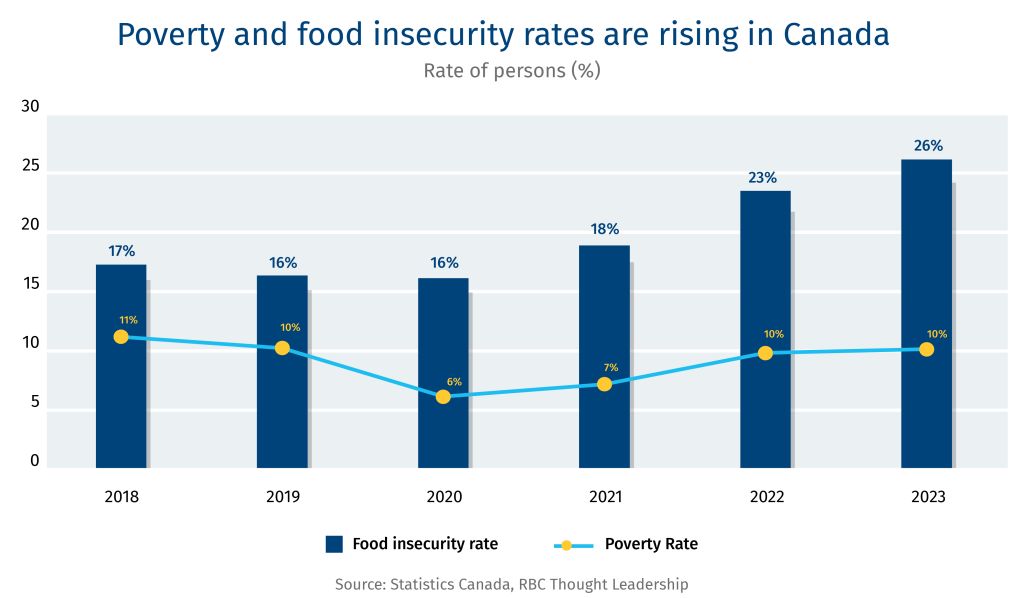
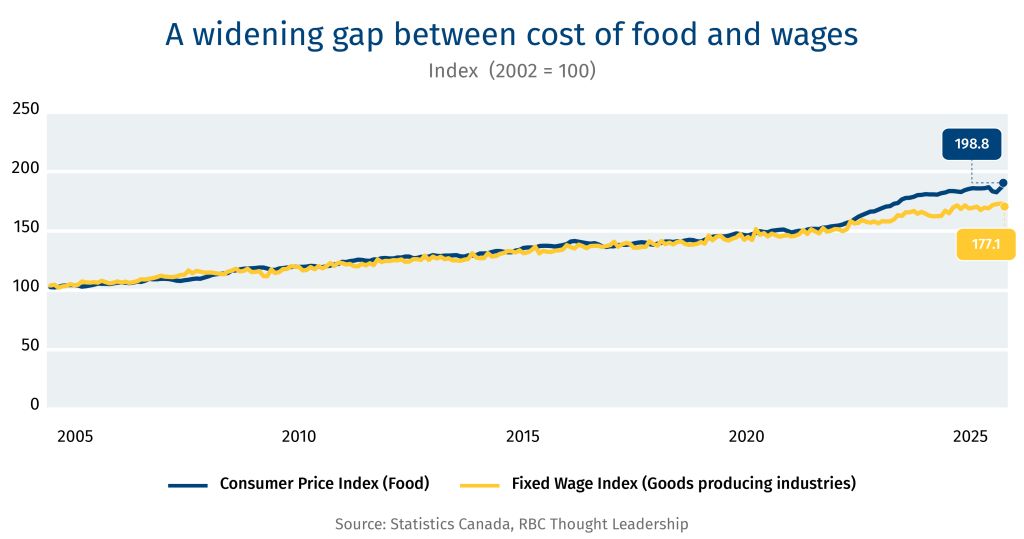
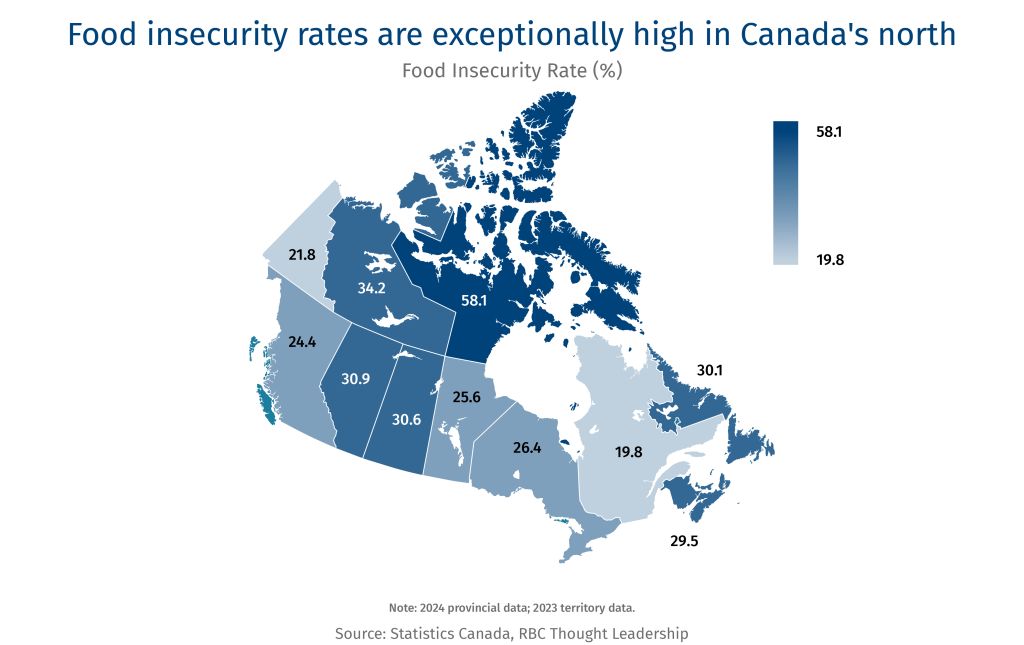










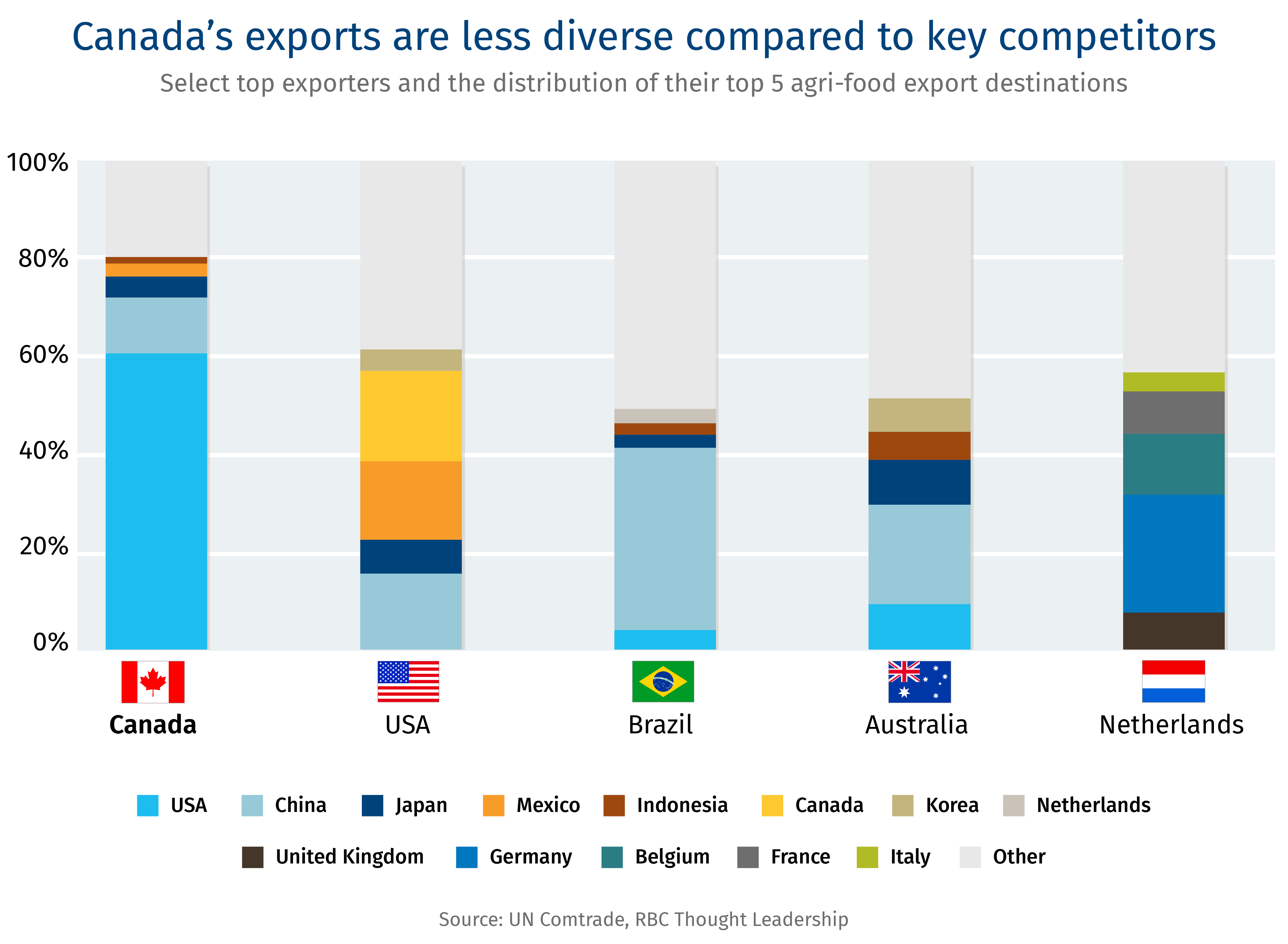
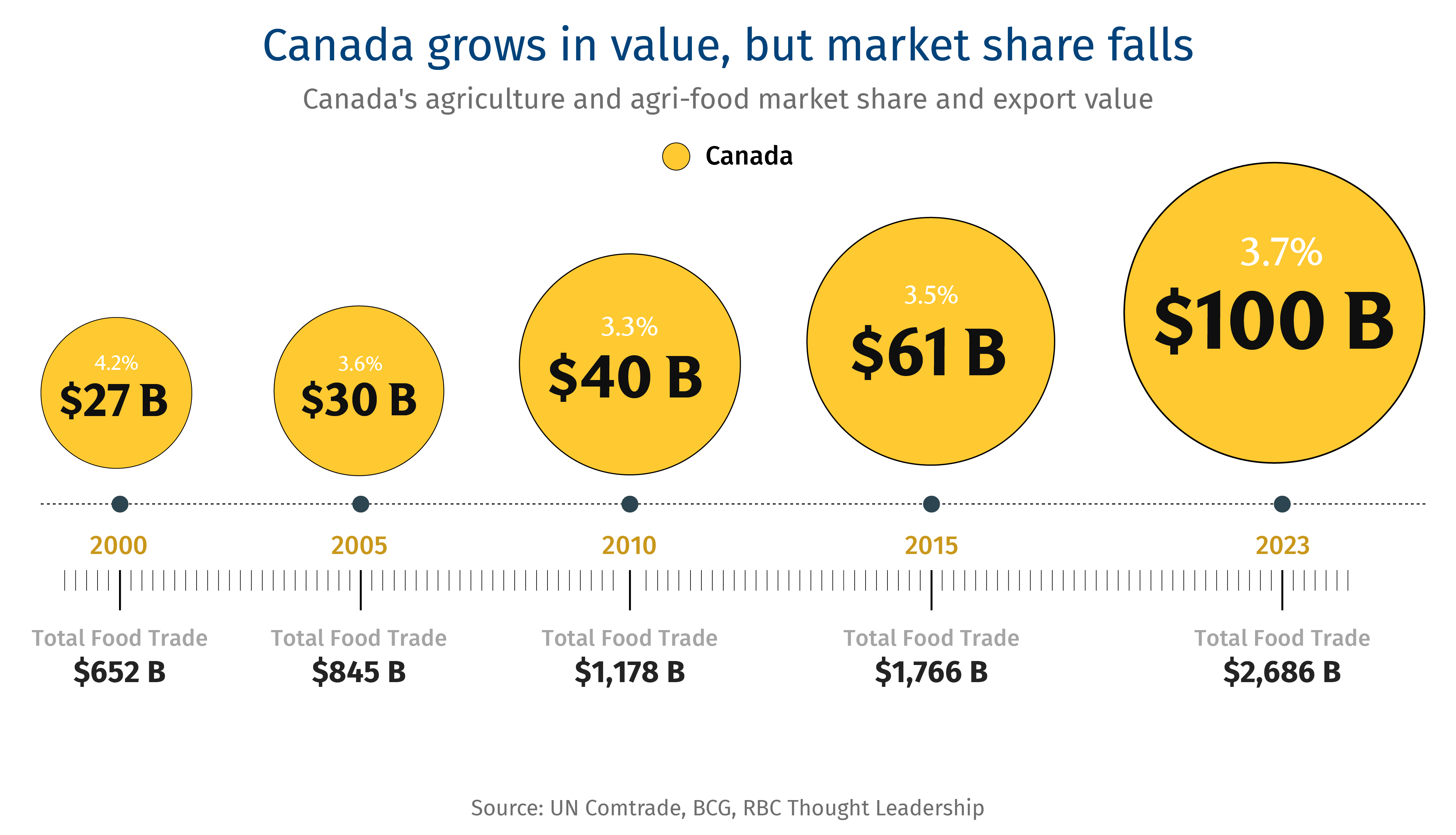




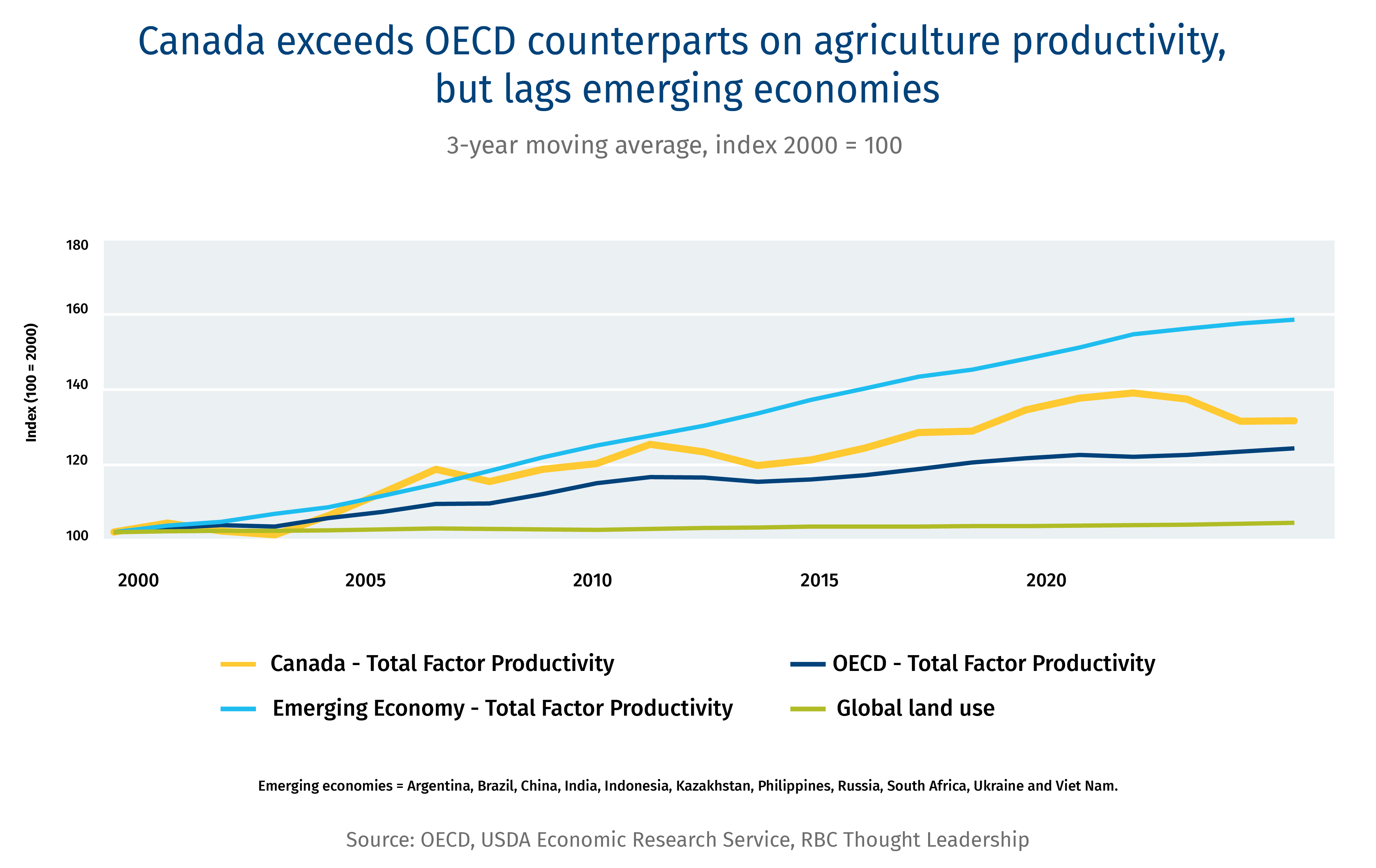
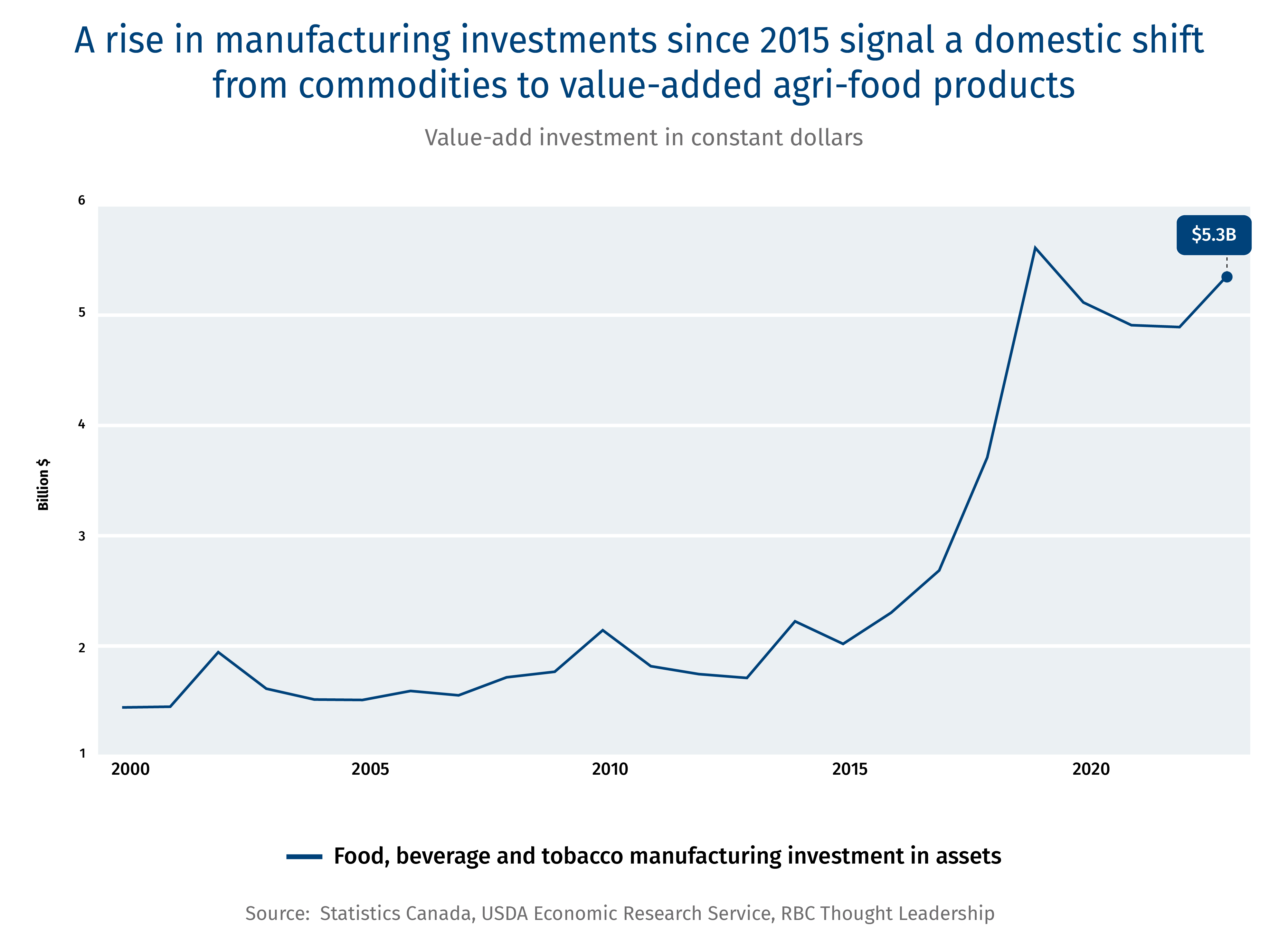
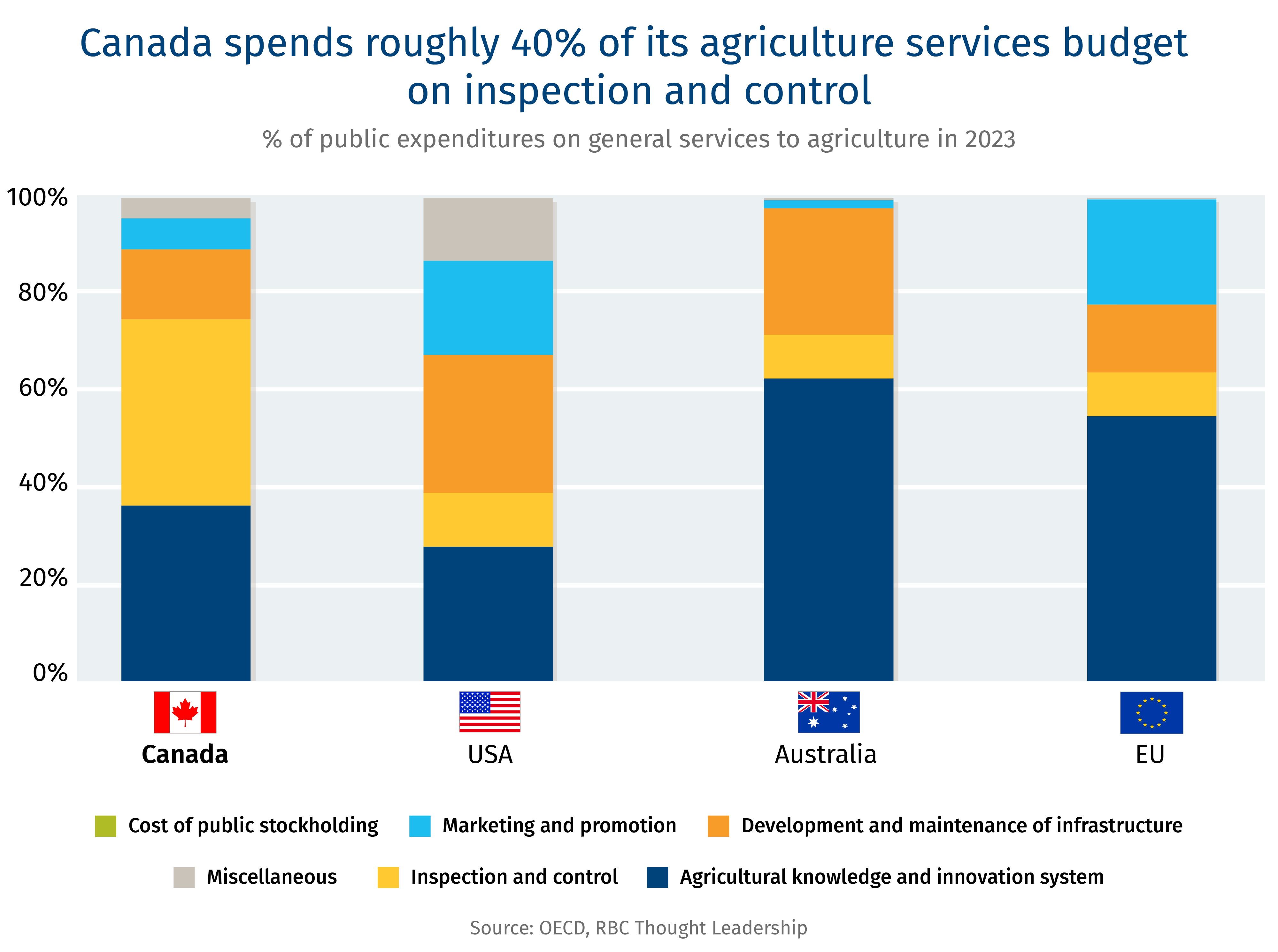
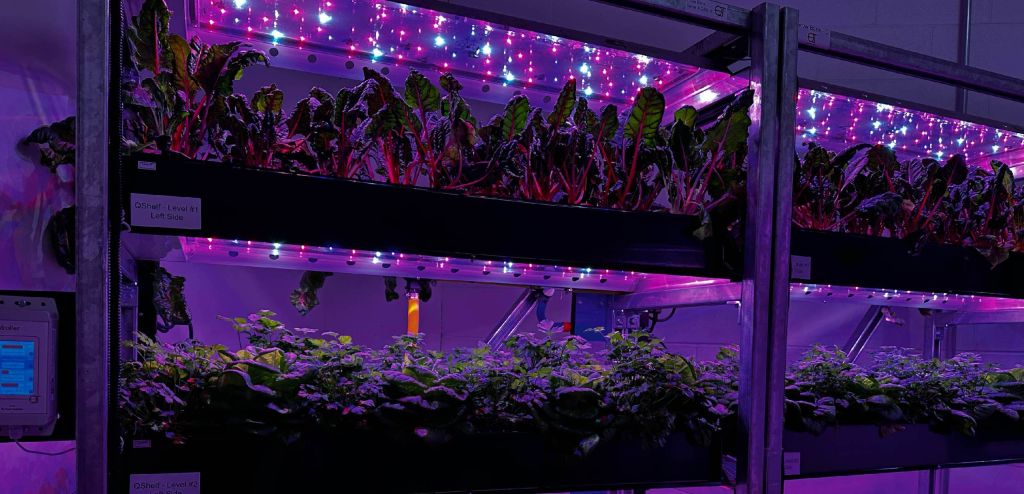

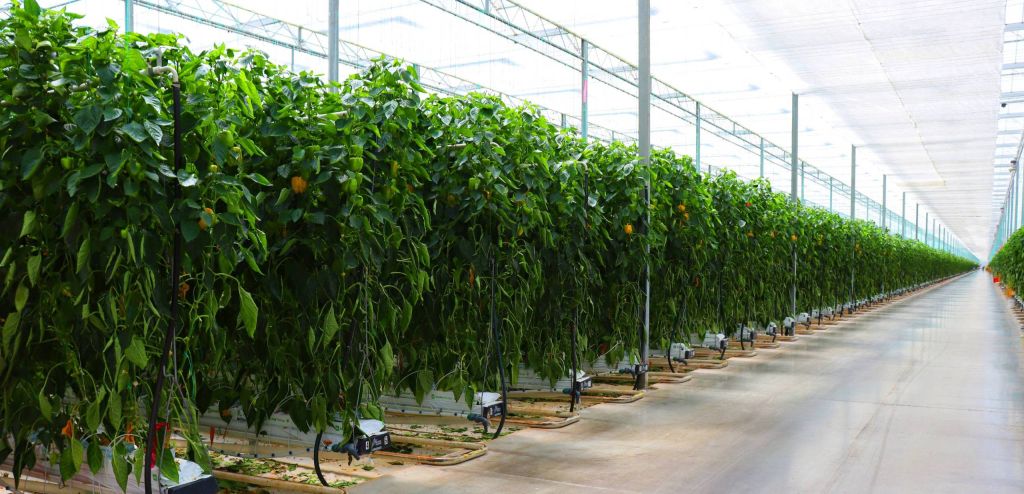




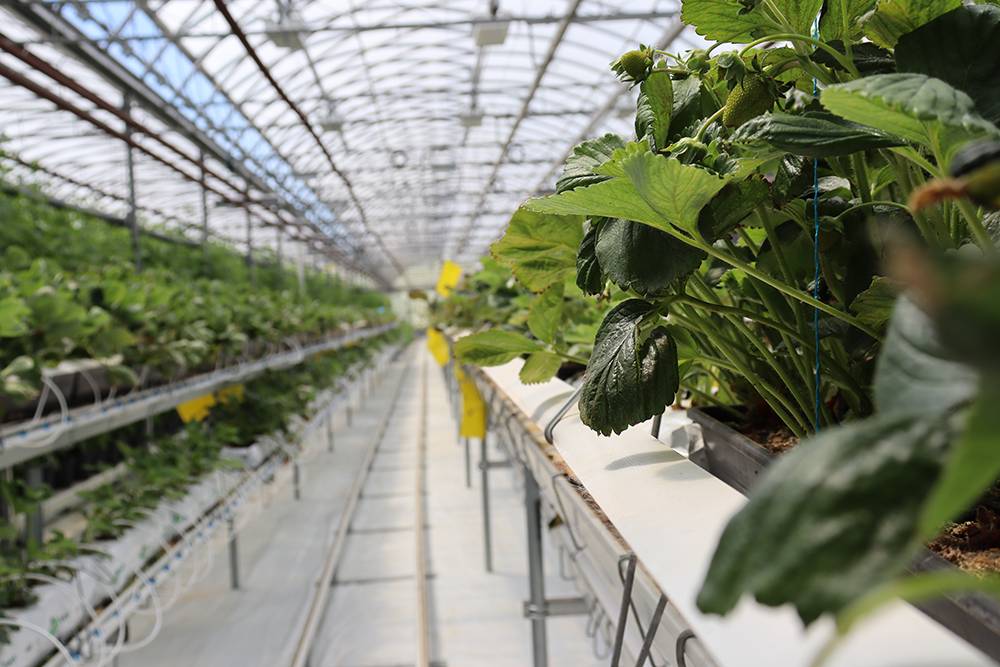

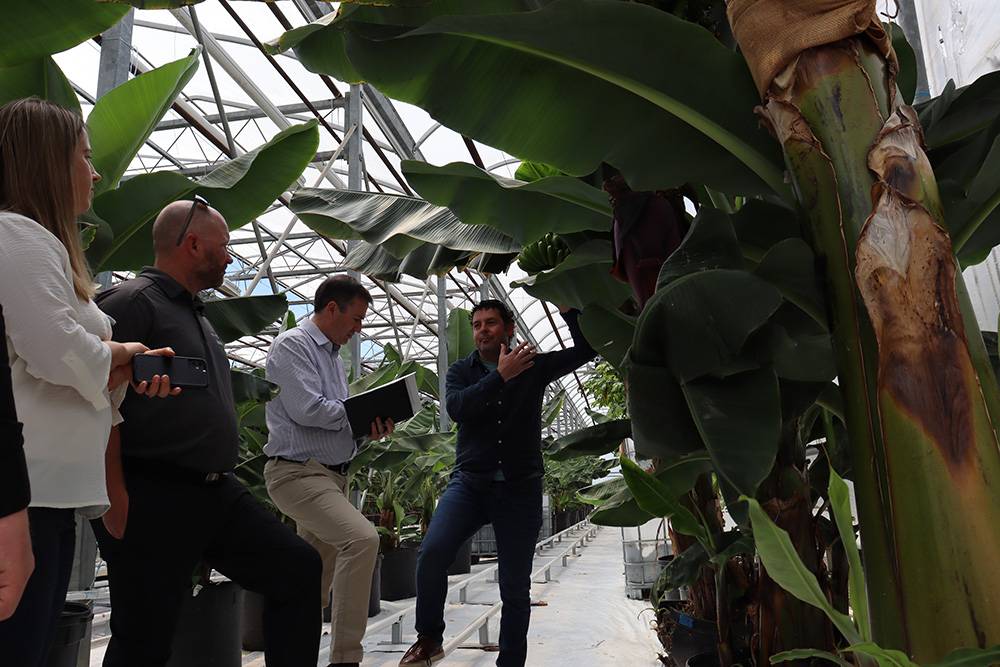
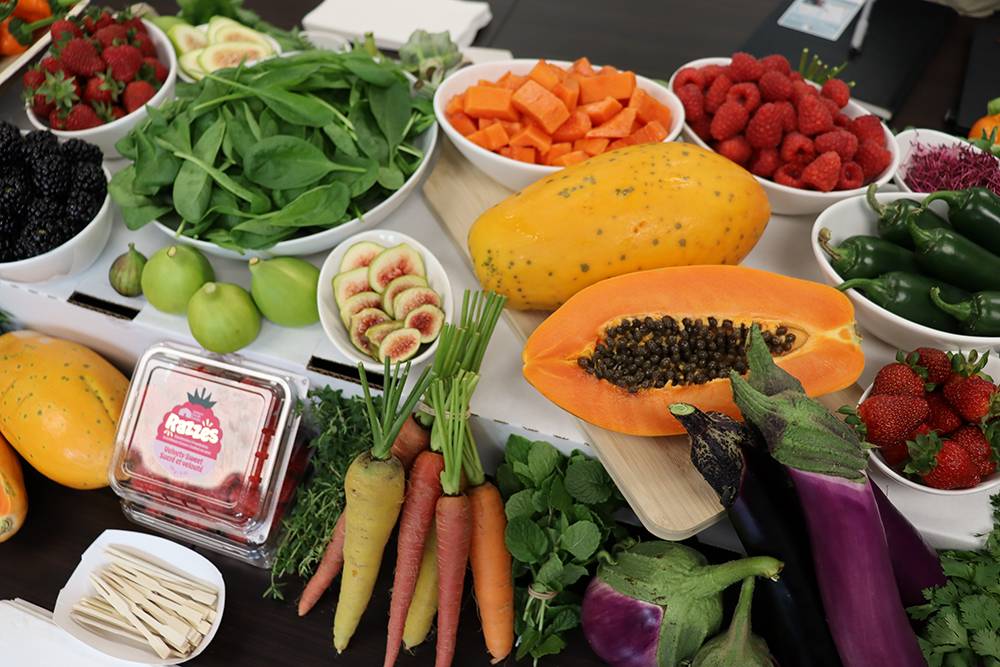



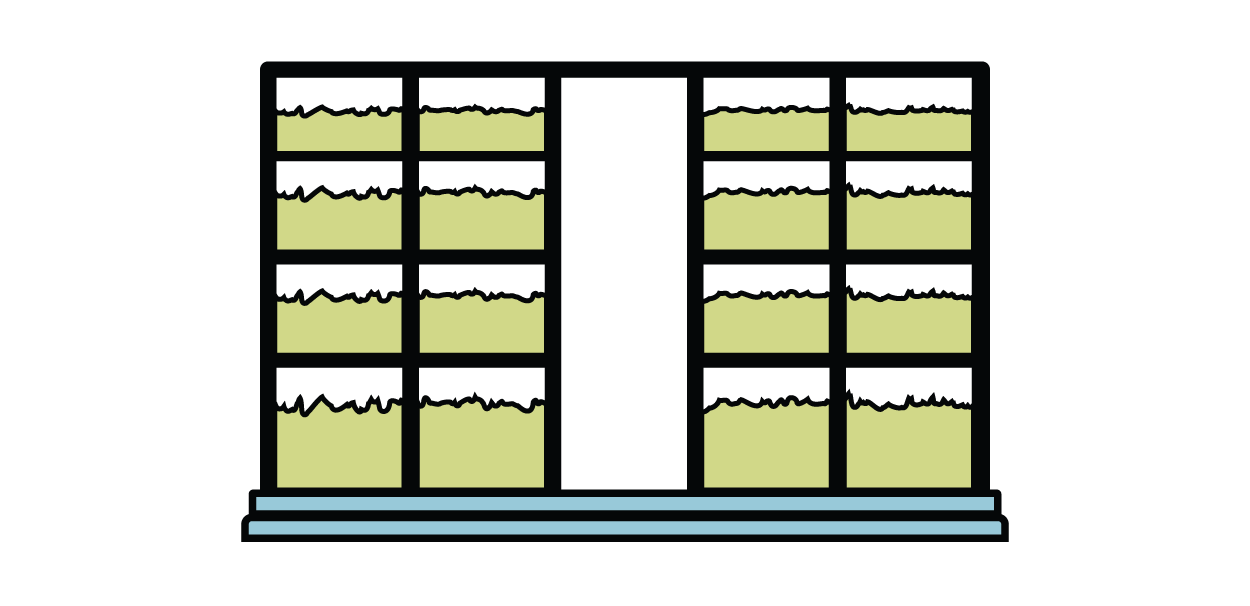
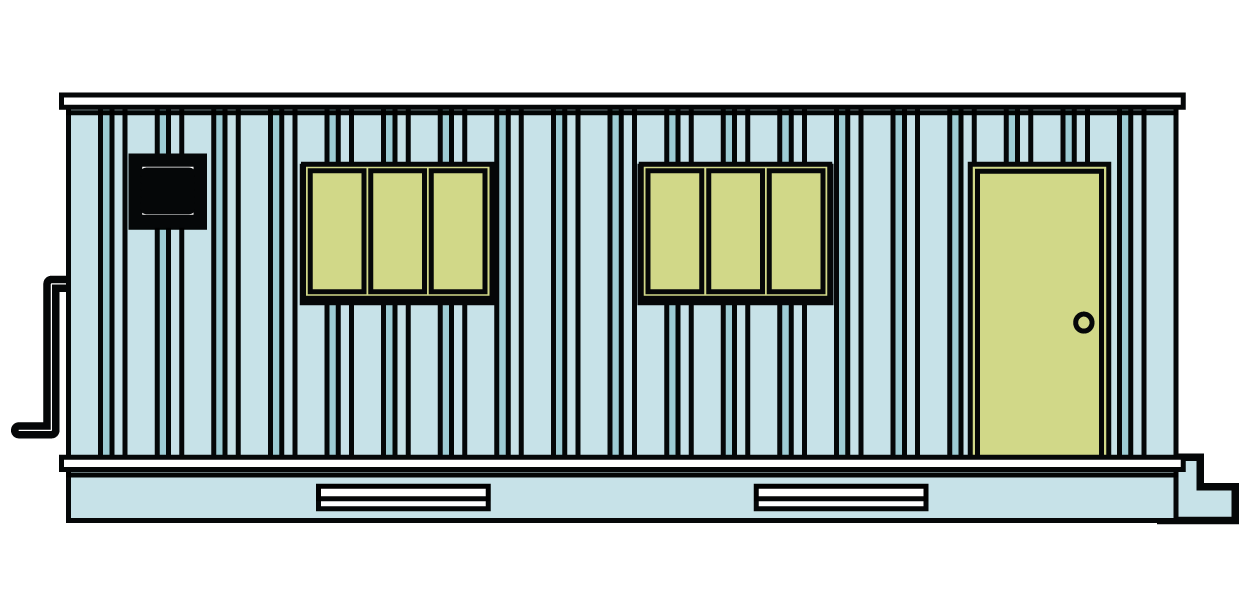
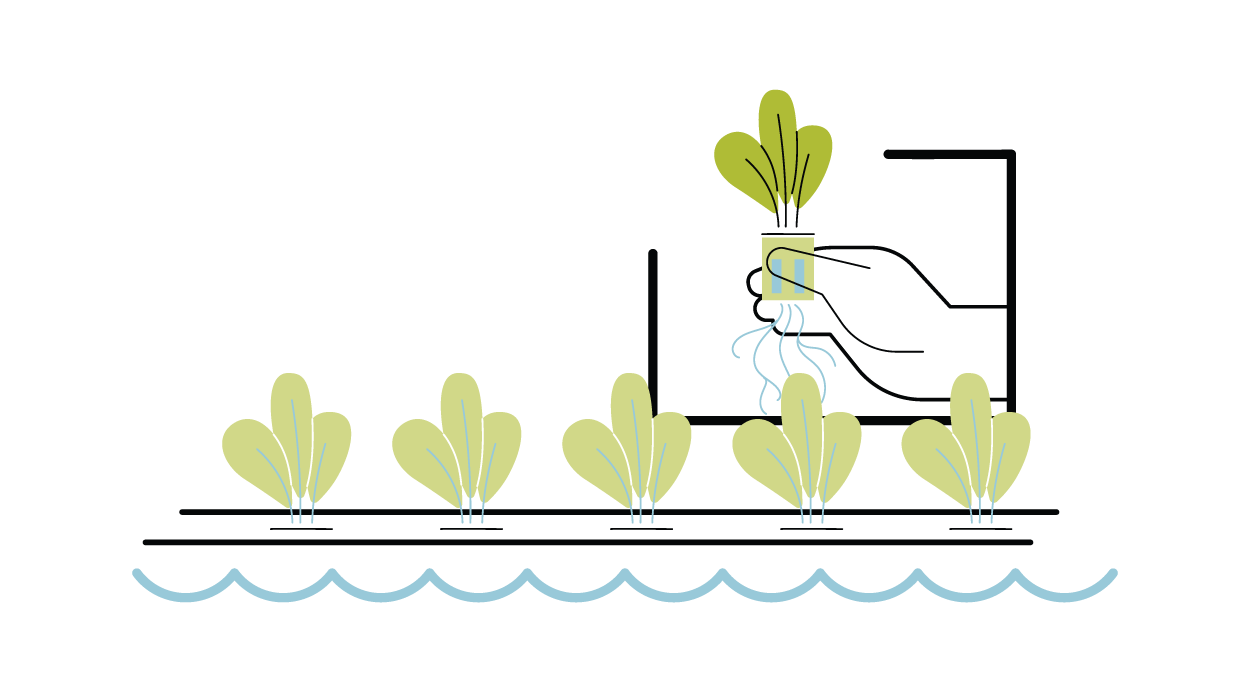
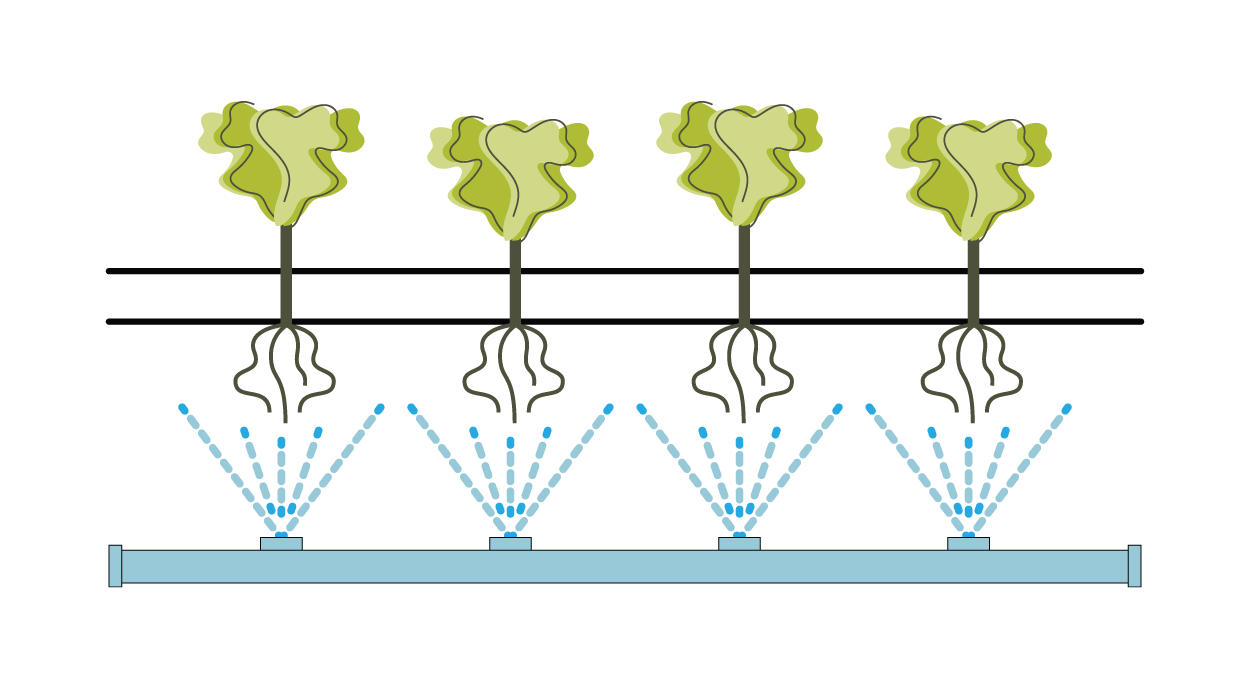
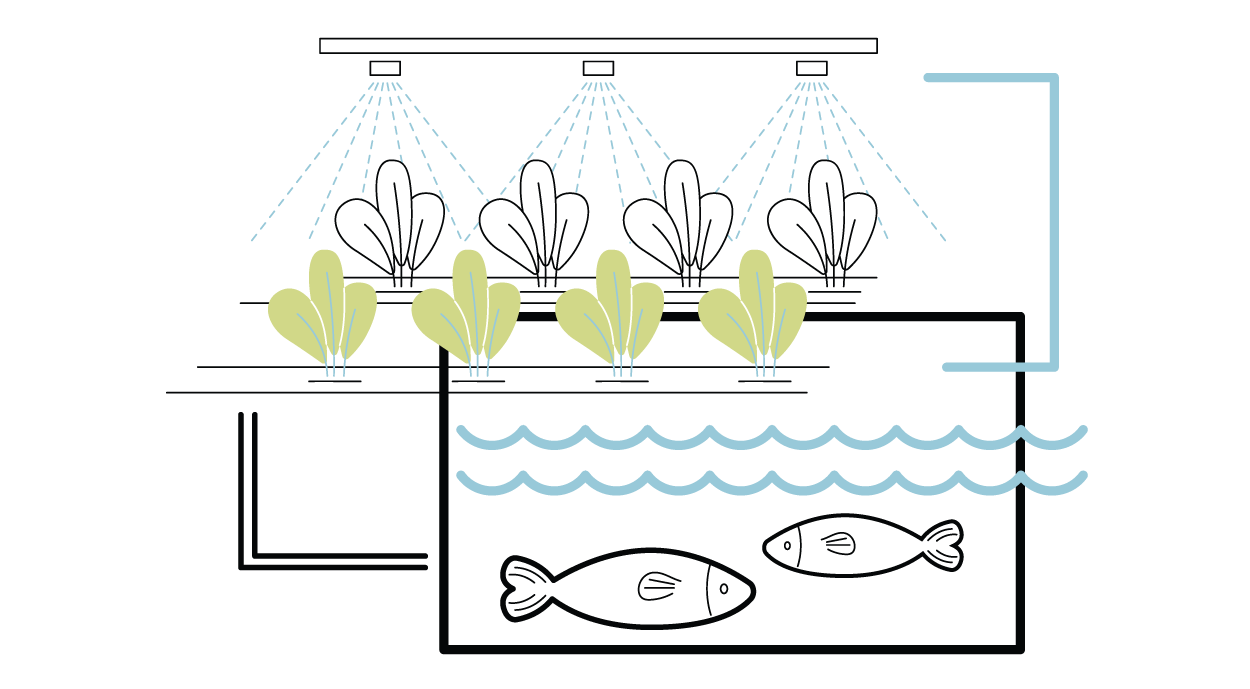




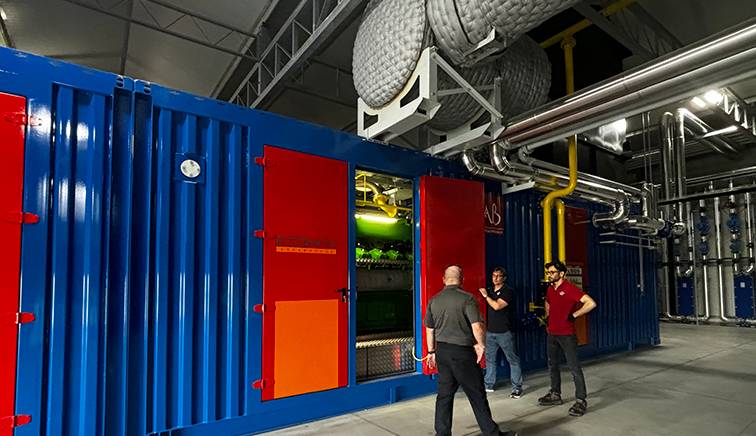
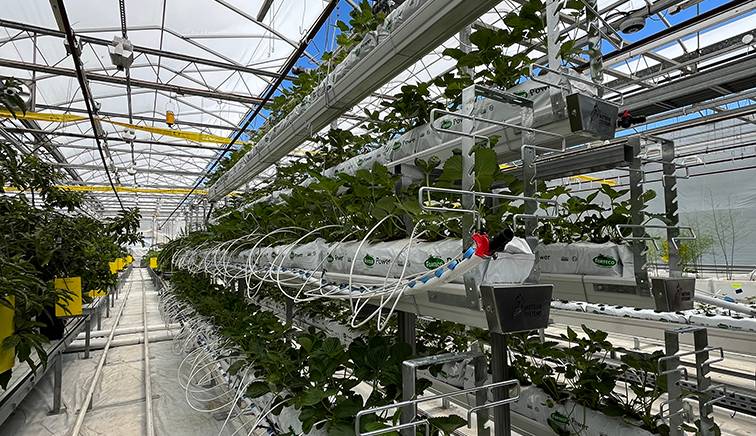











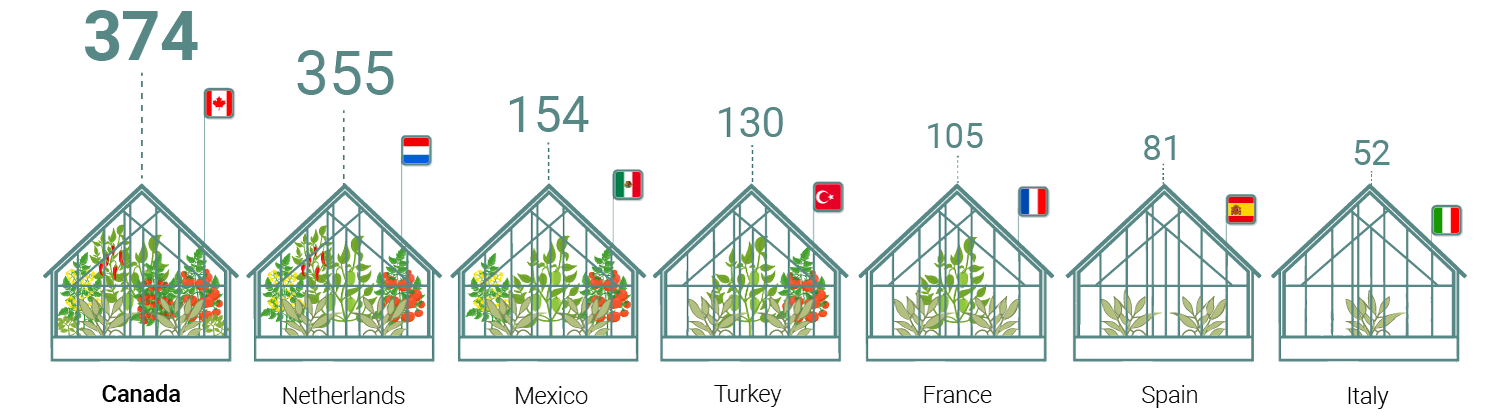
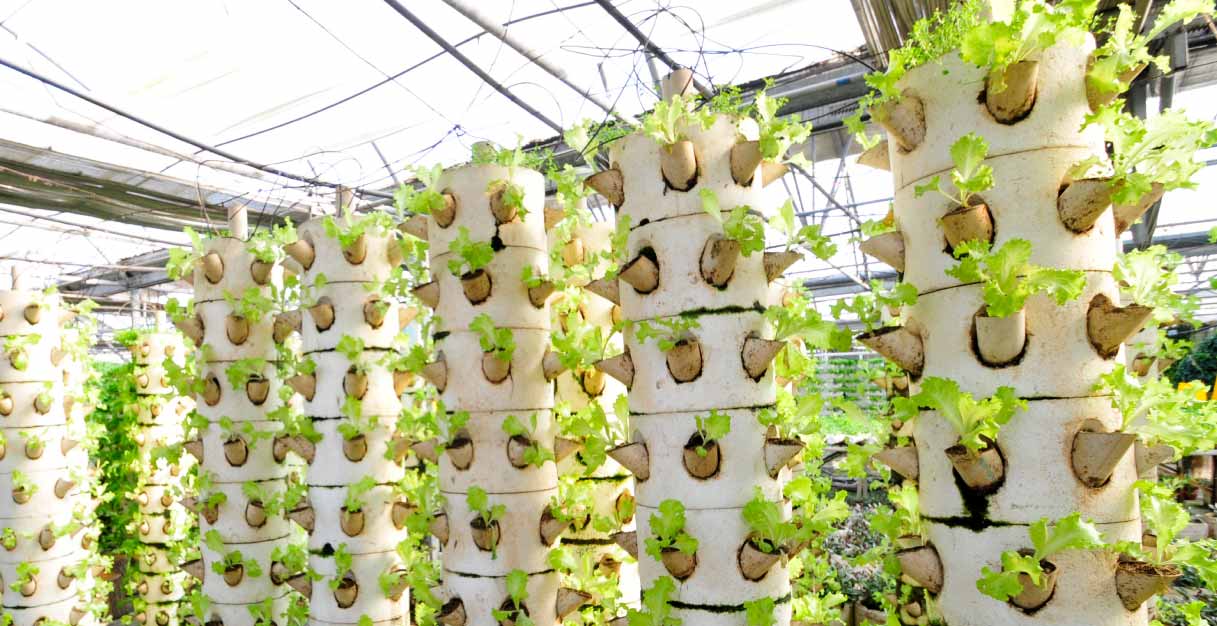
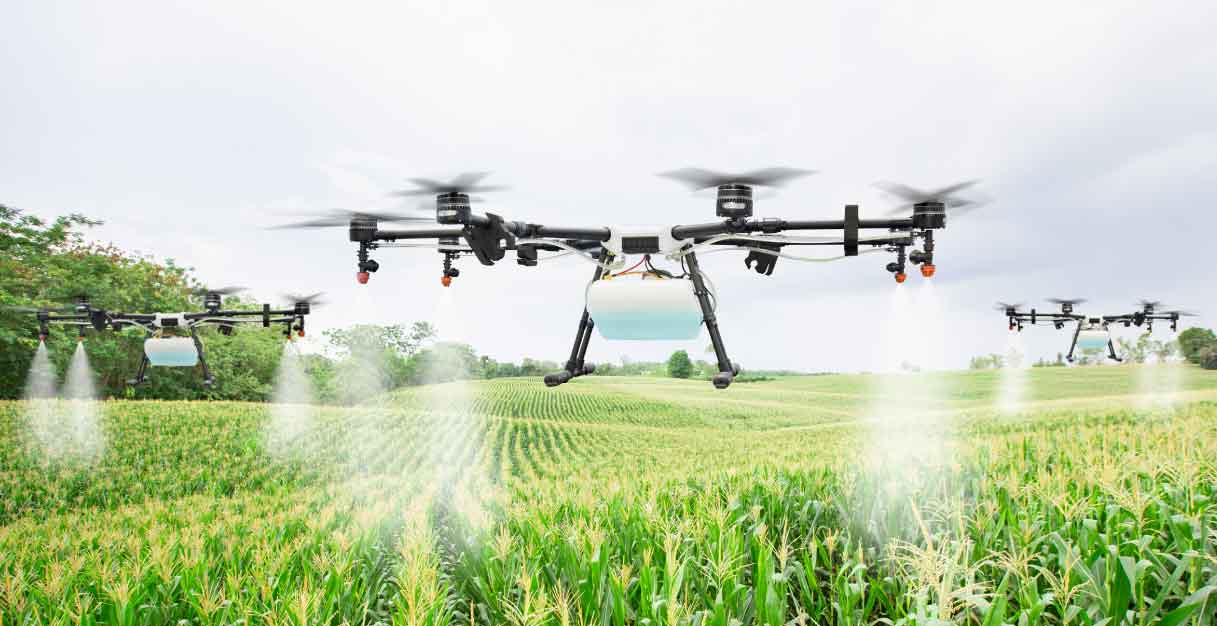

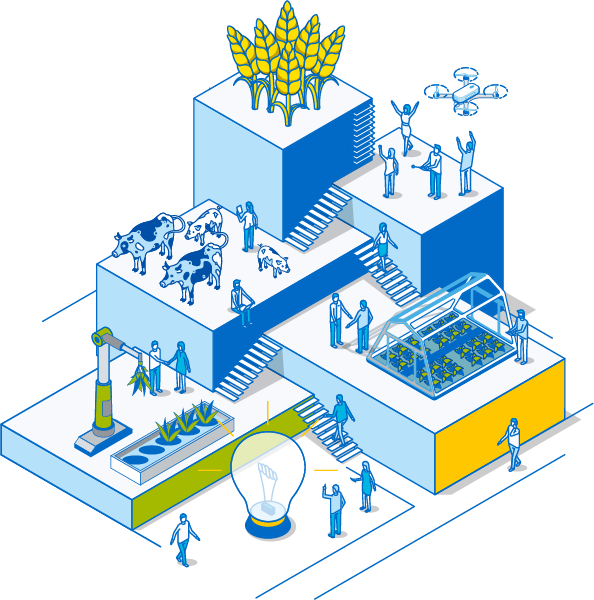
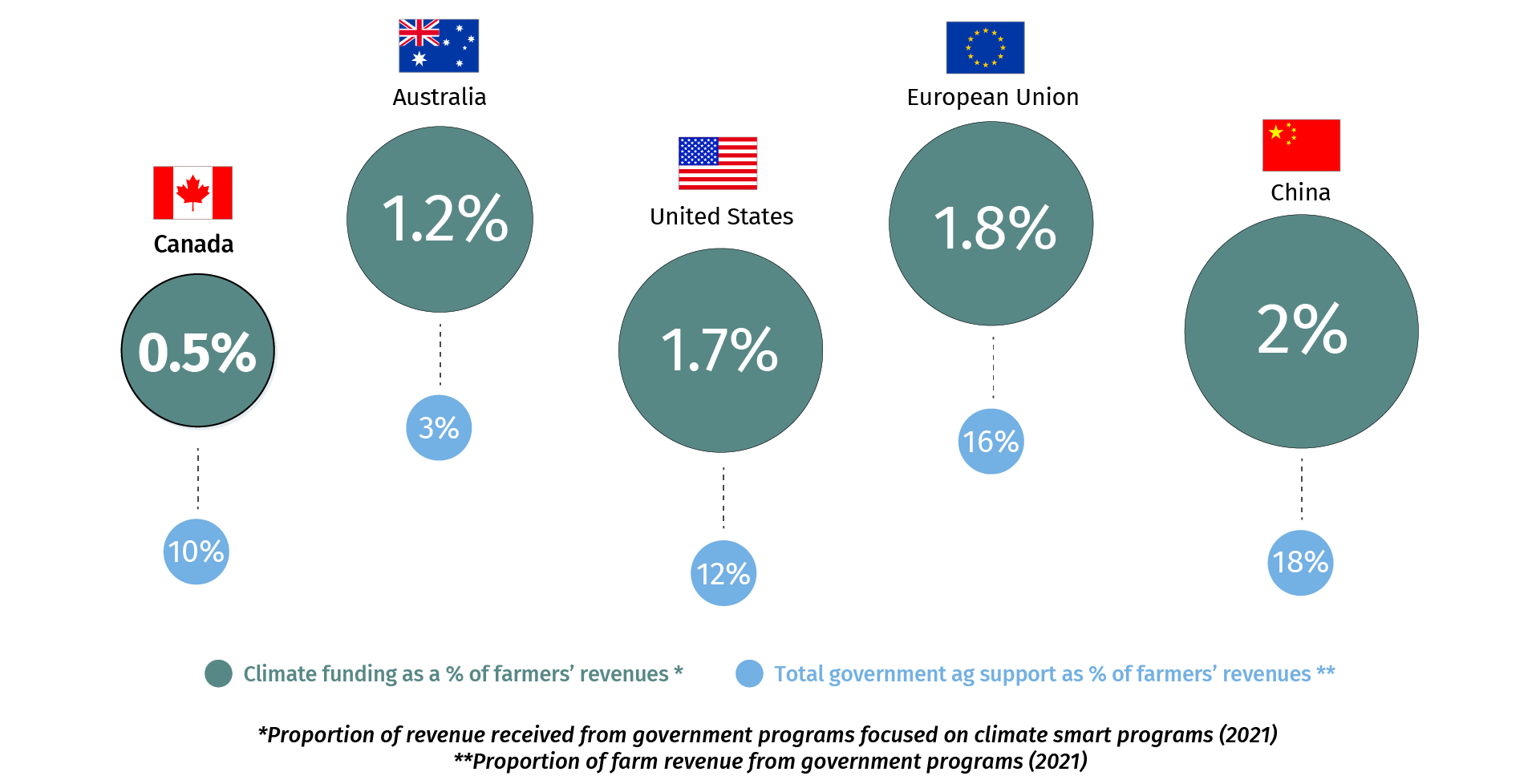













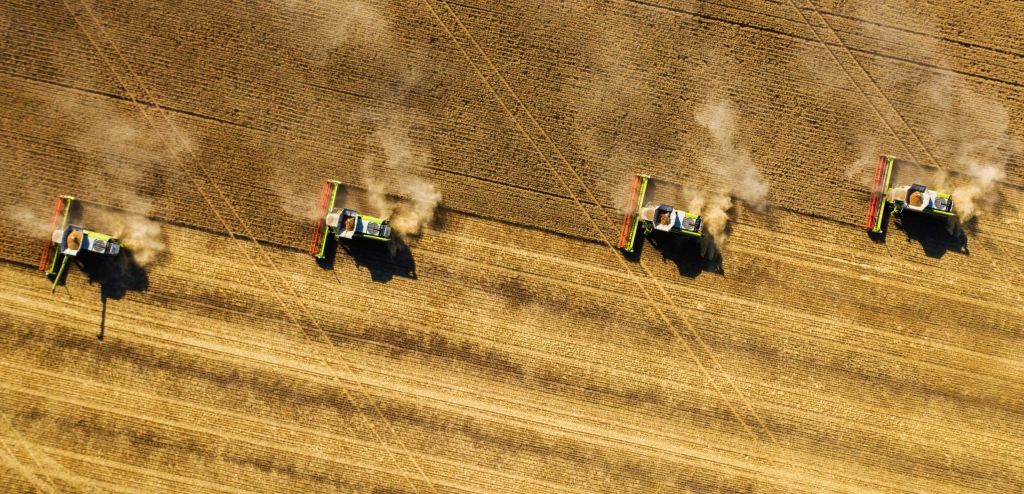










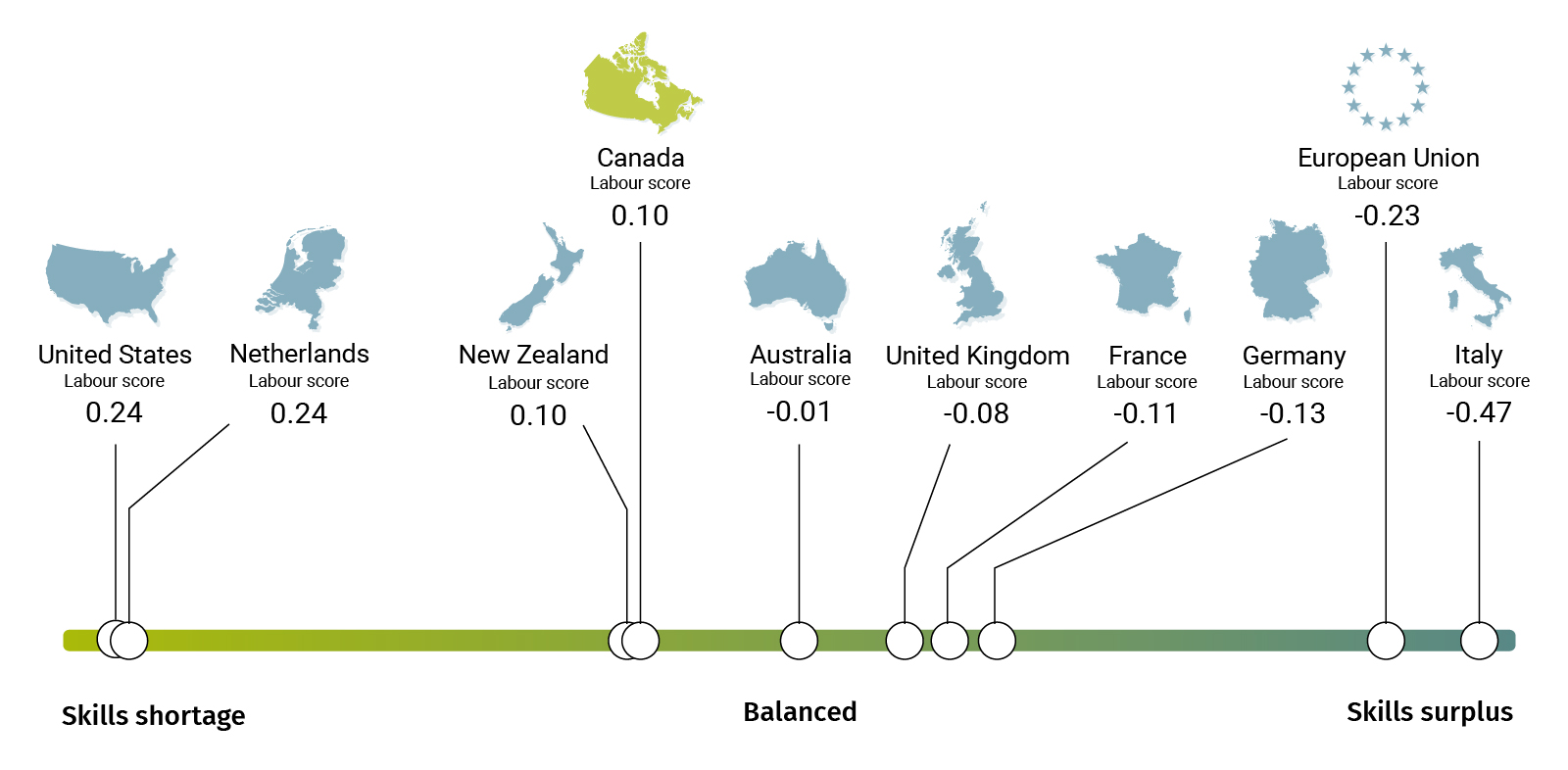

 Japan
Japan New Zealand
 The Netherlands
 The United States
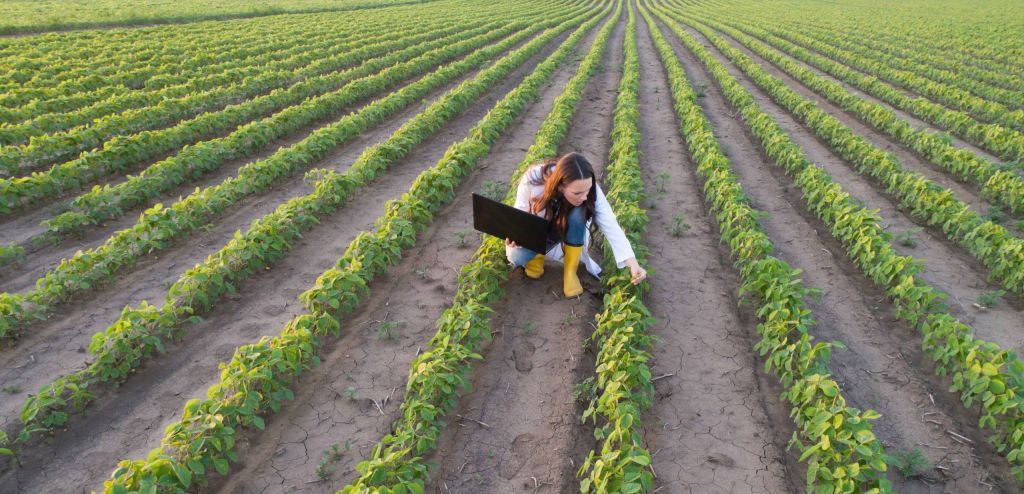
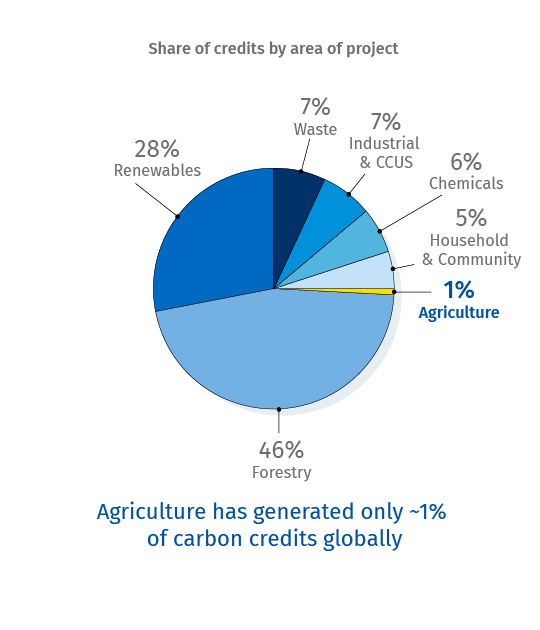





 Costs – 35%
 Fees – 25%
 Insurance – 20%