RBC Thought Leadership RBC Climate Action Institute

➔ Canada charts new scenarios for a new energy era

➔ The small switcheroo that revolutionized energy efficiency

➔ A handbook for climate hopefuls

What happens to coffee farms when pest-controlling bats disappear? The world is waking up to the fact that biodiversity impacts everything from your morning cup of Joe to corporate bottom lines. Recently, 152 member governments, including Canada, backed the IPBES Business & Biodiversity Assessment report. It’s groundbreaking research as more than half of the world’s economy, roughly US$78 trillion, depends on nature, from food to tourism to construction, according to RBC research. One of the IPBES report’s key takeaways: align fiscal policies and financial flows with biodiversity and sustainability goals. However, muted mainstream media coverage suggests the message of nature as an asset—and shield—has yet to resonate with a mass business audience. For more, read Unearthing Value: How nature can play a critical role in pro-growth agendas

It’s a light-bulb moment for energy efficiency. While the global built floor area grew 20% over the past decade, lighting electricity use remained stable—in no small part to the humble LEDs, which are nearly 12 times more efficient than halogen lamps. Without them, the world would have gobbled up 800 TWh more electricity—exceeding Africa’s annual electricity consumption, the International Energy Agency estimates. Significant potential remains: 30% of lamps in South America and parts of Asia-Pacific (excluding China and India) still need upgrades, while replacing aging first-generation LEDs would further conserve power watts.

Nuclear’s making a climate comeback. The low-carbon electricity technology underlies some of the world’s cleanest grids and could help decarbonize several industries, says Vivan Sorab, our Clean Tech Policy Lead. France’s electricity grid emits just 22 gCO2/kWh, one of the lowest in the world, as nuclear supplies 65% of the country’s power. Ontario’s grid saw emissions intensity rise to 74 gCO2/kWh in 2024 over the previous year as nuclear refurbishments and demand growth necessitated more natural gas in the system. Small modular reactors (SMRs) could extend nuclear’s climate logic beyond the grid. Carbon-intensive industries like heavy oil extraction and petrochemicals require high-temperature steam that renewables are struggling to deliver on their own. SMRs could eventually provide both electricity and industrial process heat, making them one of the few technologies that can help hard-to-decarbonize sectors. For more on nuclear, read Atomic Advantage: Canada’s generational opportunity in a new Nuclear Age.

By John Stackhouse, Senior Vice-President, Office of the CEO
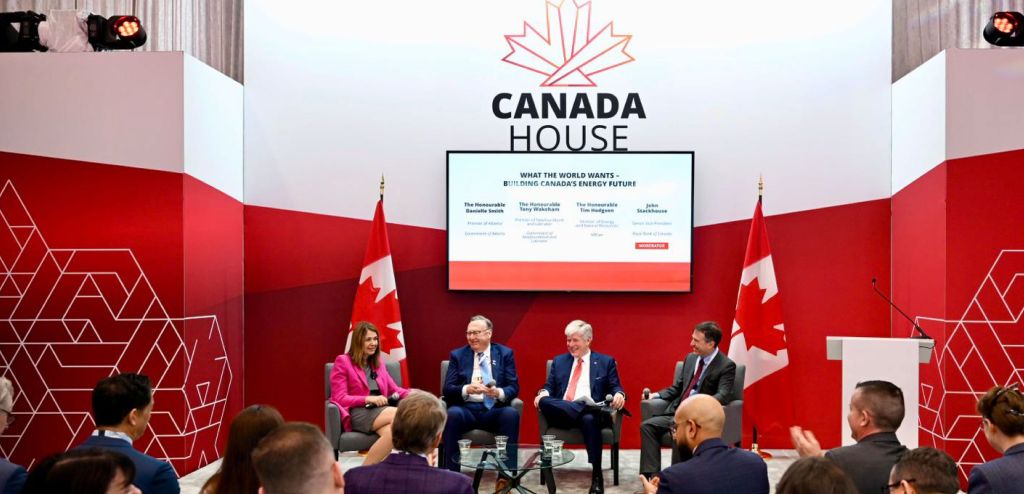
John Stackhouse at CERAWeek

The climate contingent at this week’s big CERAWeek energy conference in Houston could be forgiven for a bit of dizziness. It’s not just the bayou city’s humidity (early) or the marathon TSA lineups at Bush International (late); the tenor on climate action felt a bit 180. 

Two years ago, Joe Biden’s energy secretary Jennifer Granholm was here to explain the administration’s LNG pause. On Monday, Donald Trump’s energy secretary Chris Wright stood on the same stage to explain plans to double LNG production this decade.

It’s not just the White House that has changed climate colours. Delegations from dozens of countries came to Houston to plead for more of everything—especially natural gas. The Japanese—home to Kyoto and a lot of climate innovation—were at the front of the queue, explaining they can no longer rely on Qatar and a few others for the gas that powers their island economy. (Remember the nuclear shut down, post-Fukushima.)

The U.S. is now working to supply Japan and other allies with as much gas and oil as it can muster. And it looks like a lot of that will come from Canada.

When it comes to oil, Canada covers two-thirds of the gap between U.S. production (12 million barrels a day) and consumption (20 million). We supply an even bigger share of Americans’ gas in a range of states.

Energy Minister Tim Hodgson came to Houston to tell the world that the federal government is committed to seeing oil production increase by 2.5 million barrels a day — a 50% jump — and doubling LNG exports from what’s now planned. Can that massive increase be done in line with climate commitments?

I posed the question to Hodgson and Alberta Premier Danielle Smith in a conversation I moderated at Canada House, as part of the conference. They expressed strong alignment (so much so that Smith called herself the environmental spokesperson for Carney’s energy policy). They then honed in on three words: methane, carbon pricing and Pathways.

Their governments later that day unveiled an agreement on methane emissions that will help keep Canada, and Alberta, on a path to net zero (“carbon neutrality” is Smith’s preferred measure). Industrial carbon pricing is thornier, although it may get solved by extending some timelines.

The big nut is Pathways, which Hodgson called “the biggest carbon capture project in the world” and would make all those new barrels much more carbon efficient. Cost is another matter. Ottawa thinks Pathways could cost as little as 50 cents a barrel, which it sees as a deal for the industry if it secures a 50% increase in production. Industry people here see the cost to be higher, although there’s some hope that possible investments from Canadian pension funds would reduce long-term capital costs.

We can expect more on all this next week, when the Ottawa-Alberta MOU on energy hits its key milestone date of April 1. The global crisis may cause some delays, and lead to further adjustments. But the message in Houston from Ottawa and Alberta was clear: more production and lower emissions is the new Canadian plan.

By Shaz Merwat, Energy Policy Lead

Electrification is going to be Canada’s key climate enabler. Electricity generation is expected to be up 50% by 2050, with renewables making up 91% of the grid (compared to 79% today), according to Canada Energy Regulator’s latest traditional scenario, which it labels as Current Measures.

While net-zero by 2050 remains a challenging aspiration, the economy is also forecast to advance towards lower-carbon sources. With carbon-intensive coal almost out of the equation, and crude oil production growth easing, fossil- fuel growth will be driven by the relatively lower emissions natural gas: By 2050, natural gas will account for 43% of total oil and gas production—compared to 36% today.
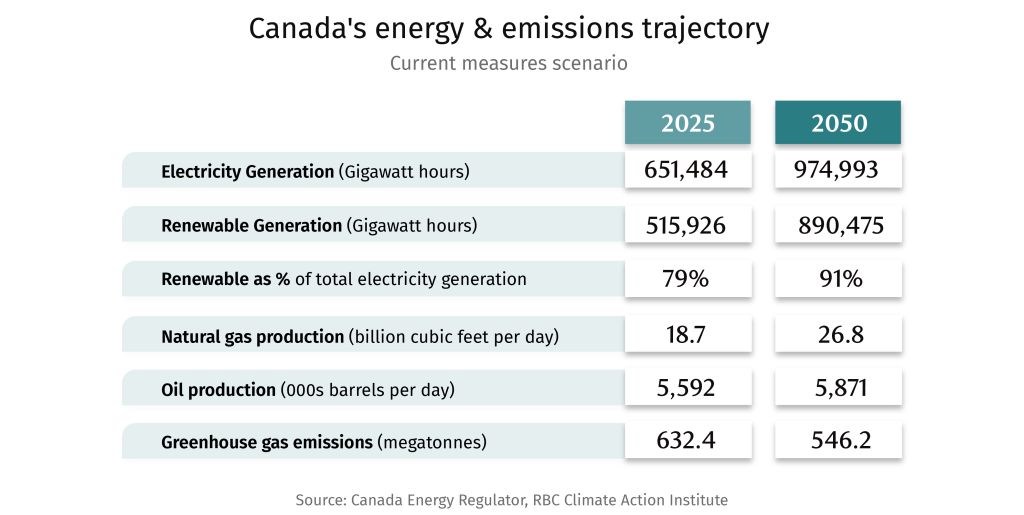
Canada's energy & emissions trajectory

Published two weeks into the war on Iran—what could prove to be one of the most cataclysmic energy events of this century—the report offers multiple paths for Canadian energy and electricity growth and emissions contraction.

  • Canada is moving beyond net zero: This year’s edition retains the Current Measures and Canada Net-Zero Scenarios from Canada’s Energy Future 2023 (EF2023), but adds Higher and Lower Cases that bracket the baseline by varying economic growth, liquefied natural exports, data centre demand, and global energy prices—offering a more plausible ±20% range of outcomes rather than anchoring the analysis around net zero by 2050 as the only destination.

  • Emissions will decline around 14% by 2050. GHG emissions under Current Measures are lower in EF2026 at every point—but a net-zero Canadian economy is nowhere on the horizon. By 2050, EF2026 projects 546 megatonnes (Mt) versus 566 Mt in EF2023, reflecting better near-term decarbonization from policies already in place, particularly in the electricity sector.

  • Sun and wind power will power the grid. Electricity generation under Current Measures is broadly similar across both reports. By 2050, total generation reaches approximately 975 Terawatt-hour (TWh) in the Energy Futures 2026 report compared to 972 TWh (EF2023). The more notable divergence is in the renewables share: EF2026 projects a faster ramp-up, reaching 91% non-emitting generation by 2050 versus 86% in EF2023, with stronger growth from 2035 onward.

  • Canada’s kicking the peak oil can down the road. Oil production is consistent near-term but EF2026 is notably more conservative in the medium term. By 2035, EF2026 projects ~6.0 million barrels per day (bpd) versus 6.5 million bpd in EF2023—converging closer by 2050 at 5.9 versus 6.3 million bpd by 2050. Peak oil production has been pushed out seven years, to 2042 from 2035 prior. The High Scenario projects oil production soaring to 6.4 million bpd.

  • …and firing up natural gas. EF2026 projects substantially higher output in every time horizon, reaching 26.8 billion cubic feet per day (bcfd) by 2050 versus 21.5 bcfd in EF2023—a 25% increase—driven largely by new LNG export assumptions baked into the 2026 modelling.

  • Carbon capture, utilization and storage (CCUS) volumes will likely be marginal. While not specifically broken out in the forecast, about 4% of Canada’s total power generation will be from carbon-captured natural gas in the Current Measures scenario.Total oil and gas emissions are expected to be 176 MT in 2050, down 12% vs 199 MT as modelled in 2025, on the back of a 5% increase in oil and gas production (5.9 million bpd by 2050, compared to 5.6 million bpd in 2025).

  • Canada is trailing peers: Within a global context, under Current Measures, Canada’s emissions decline from 694 Mt in 2023 (latest available data) to 562 Mt by 2035 is a 23% reduction from its 2005 baseline of approximately 730 Mt. That puts Canada marginally behind the U.S., where Rhodium Group projects a 26–35% reduction below 2005 levels by 2035. Both trail the EU considerably—the EU is on track for roughly a 45–47% reduction by 2035 under current and planned measures. All three are falling short of net-zero without additional policy action.​​​​​​​​​​​​​​​​

Fred Pearce, a UK-based science writer and public speaker, who has authored a few ominously titled books over the years: When the Rivers Run Dry, The Land Grabbers and With Speed and Violence, has a change of tone with Despite it All: A Handbook for Climate Hopefuls. In it, heaims to tell stories about “hope amid the gloom.”

Here’s an excerpt from a short email exchange:

What makes you hopeful?
We remain in deep peril. Every tonne of greenhouse gases added to the atmosphere sticks around for centuries. But my hope lies in the extraordinary progress we have made technically. China, and increasingly India and other fast-developing countries, are adopting solar power as their default source of energy, because it is so cheap. That was unimaginable even 20 years ago. The Chinese are now transforming the cost of batteries so we can store the sun’s energy, rather than just tapping it real-time. We are entering the solar age. It is economics now, not politics, that is making the difference. Whether it is happening fast enough remains as issue. But it is happening.

One of the reasons you give for your optimism are smaller families and an ageing population—but isn’t that going to impact economic growth and government’s ability to support citizens?
 
It’s a new kind of population bomb. The fear is of a growing number of aged economic “dependents”, and fewer people of working age to support them. Ageing could also slow economic activity by undermining innovation from young go-getters. We have to rethink the old: see them as a source of wisdom and knowledge, as carers as well as the cared for. I am 74 now and still working, so I would say that! But let’s also remember we have fewer children to care for, and today most women are economically active, not at home to bring up the kids.

What worries you the most?
Cliff-edges, points of no return. Melting ice sheets on Greenland and Antarctic and the resulting rising sea levels may soon be unstoppable—even if temperatures come back down. Deforestation in the Amazon may be near the point where lack of trees dries out the air so the remaining trees die off. And the ocean circulation system could be close to collapse, switching off the Gulf Stream.  Then there is melting permafrost unleashing methane, a potent greenhouse gas that would supercharge warming. Again, unstoppable. Science cannot tell us yet where or when we may trigger such tipping points. So even as we make remarkable ground in ending our addiction to carbon-based fuels, my fear is it could be too late to avoid these great regime shifts. We may be lucky; we may not.

  • Failure to value and account for natural assets are among the four barriersholding back climate adaptation initiatives in Canada,write C.D. Howe senior fellow James Stewart and Anabela Bonada, managing director at the Intact Centre on Climate Adaptation, University of Waterloo.

  • Gavin Mooney at the Energy Transition Advisor explores how rapid solar power deployment helped Pakistan cushion its crushing dependence on Middle East natural gas.

  • Canada is entering one of the largest electricity buildouts in its history. If it’s going to succeed, Indigenous Nations must be at the centre—not on the sidelines, write Kwatuuma Cole Sayers and Blake Shaffer in an op-ed.

  • As energy systems are struggling to transform in the face of climate change, Justice in Canada’s Energy Transition report asserts that justice and equity are central to making a low-carbon economy sustainable, writes Julie MacArthur, a co-editor of the report.

  • “Excessive heat warnings, red flag warnings for wildfire conditions, and monthly temperature records being shattered yet again… this is easily one of the most anomalous out-of-season heatwaves that I’ve observed,” says climate scientist Zachary Labe about the current season.

Curated by Yadullah Hussain, Managing Editor, RBC Climate Action Institute.

Climate Crunch would not be possible without John Stackhouse, Jordan Brennan, John Intini, Farhad PanahovLisa AshtonShaz MerwatVivan SorabCaprice Biasoni, Lavanya Kaleeswaran and Joelle Schonberg .

Have a comment, commendation, or umm, criticism? Write to me here (yadullahhussain@rbc.com)

Climate Crunch Newsletter
Driving effective carbon pricing. That’s a core challenge for Canada in implementing a carbon competitiveness strategy and underpins the active review of the national carbon pricing benchmark by Environment and Climate Change Canada (ECCC).

Carbon markets are no longer an abstract policy debate. They’re a practical test of whether capital shows up — or goes elsewhere.

The Climate Action Institute team spent time this week with the Pembina Institute and other leaders in carbon markets and climate investment to focus on one question: what is required to drive further investment?

The answer was consistent and blunt: a well-functioning carbon market. And in Canada, we still don’t quite have one.

The clearest signals from the room:

Carbon policy is increasingly shaped by global market access and competitiveness, not domestic policy alone.

Large trading partners are embedding carbon constraints into trade architecture. The EU’s Carbon Border Adjustment Mechanism (CBAM) is the most visible example: it effectively exports EU carbon prices into global supply chains. Starting with exporters selling steel, cement, aluminum, fertilizers, or electricity into the block, carbon pricing is no longer optional – it’s a cost of doing business. However, shifting political winds in the EU could cast uncertainty onto the implementation of CBAM, creating a rocky landscape for Canada’s carbon policy makers to navigate as they consider benchmark stringency in the context of market access under unpredictable geopolitical conditions.

But emerging economies aren’t waiting.

Brazil is advancing a national carbon market framework tied to sustainable finance taxonomies. Several African jurisdictions are building carbon market infrastructure alongside trade and development partnerships–often accelerated by deeper commercial ties with Europe.

These systems may start narrower, but they are being designed with international alignment in mind from day one.

Large consumer blocs are pulling climate policy into their economies at scale.

China now operates the world’s largest Emission Trading System (ETS) by covered emissions. The EU ETS covers thousands of facilities, has a declining cap, deep liquidity, and a clear long-term trajectory. The UK ETS mirrors this logic. Systems in Japan, Korea, and India are expanding rapidly.

Canada stands out–not for ambition, but for structure. Instead of a single scaled trading system, we operate a patchwork: the federal backstop, provincial fuel charges, and multiple industrial output-based systems (OBPS, TIER, etc.), each with different rules, prices, and compliance options. Scale and harmonization have helped other countries build function carbon pricing system. Canada’s fragmented approach makes it harder for investors and trading partners to engage. The benchmark review must grapple with whether flexibility has crossed too far into fragmentation.

Financing decarbonization at scale without a carbon market will be extremely challenging. Large-scale decarbonization projects can be risky to backstop through government guarantees alone. A deeper, more liquid national market would let the market itself absorb more of that price risk, reducing reliance on public balance sheets.

Establishing fungibility of carbon credits across federal-provincial systems emerged as a critical first step to building the market depth that serious decarbonization investment requires. Investors were clear: price volatility kills capital formation.

  • They need price certainty over investment time horizons

  • They need credible incentives that reward real decarbonization

  • They need policy or fiscal backstops that hold when markets wobble

Alberta’s TIER market is a frequently cited example for price volatility. Prices swung from under $15 per tonne to over $40 in a matter of weeks in tandem with the announcement of the Alberta MOU. And this ignores the reality that too often TIER prices can become dislocated from the headline federal carbon backstop–implying future volatility as well. The result is investors are forced to price in the risk that spreads could widen further.

ECCC benchmark criteria focused only on minimum price levels may miss the point. Predictability, guardrails, and credible price corridors matter just as much as nominal stringency. By contrast, the EU ETS combines a long-term cap trajectory with market stability mechanisms that dampen extreme swings. The result isn’t cheap carbon—it’s bankable carbon.

Canada is in the middle of an infrastructure push. The first tranche of major projects under Bill C-5 was announced six months ago; the second tranche is underway. Hydrogen, LNG, pipelines, grid interconnections—there’s real momentum behind getting things built faster.

Market design choices made now will shape where capital flows next. The ECCC benchmark review is an opportunity to signal that Canada is serious about building a market that works and how complementary instruments can crowd in capital.

Carbon contracts for difference (CCfDs), for example, were discussed as a powerful complement to carbon pricing, if used in a targeted manner. They de-risk investments by guaranteeing a carbon price floor for projects that deliver deep emissions reductions.


Market design is investment policy. It determines whether Canada attracts the next generation of clean industrial projects – or watches them land elsewhere.

As ECCC reviews the national carbon pricing benchmark, the question isn’t whether carbon pricing should exist. That debate is over. The real question is whether Canada’s system is credible, scalable, and stable enough to compete in a world where carbon markets now shape trade, capital flows, and industrial strategy.

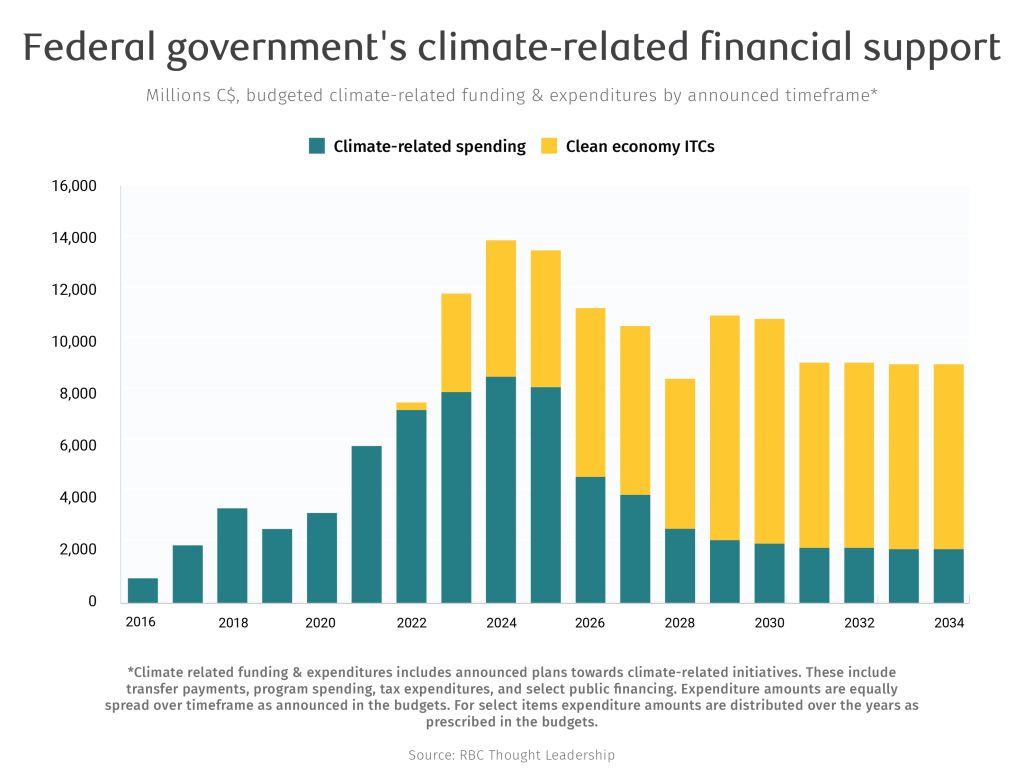
Consumer carbon pricing—scrapped. Electric vehicle mandate—delayed. Oil and gas emissions cap—all but gone. The headlines suggest Canada’s climate ambition is in retreat. However, much of the climate action-enabling capital has already been locked and loaded, with an estimated nearly $100 billion worth of incentives—by our count—ready to be deployed between now and 2035 for clean-tech and climate programs and initiatives.1

Federal givernment's climate related financial support

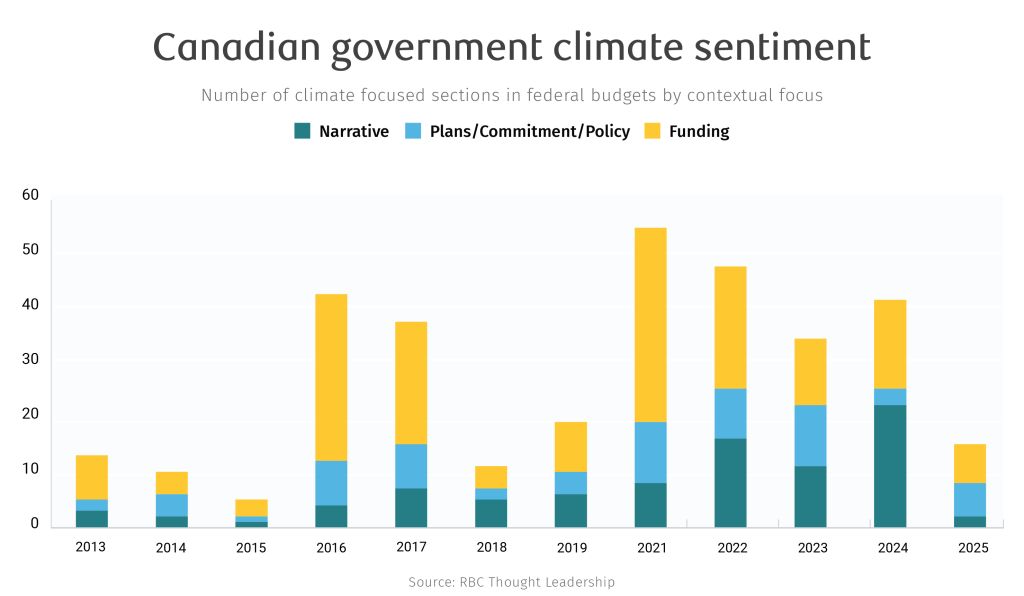
As part of the Climate Action Report 2026, which will be released on January 13, we analyzed the various federal government’s climate policy and commitments over the decades.

For the Canadian Government Climate Sentiment we used OpenAI’s advanced reasoning models to curate and analyze contextual framing of climate and related topics to assess government resolve around climate.

Our research applied the analysis to federal government budgets across three main categories: narrative (references to climate trends and past actions), policy, commitments and plans signalling government intentions, and new funding announcements.

Canadian governemnt climate sentiment
  • The Trudeau years were packed with talk—and action. Climate talk hit its highest levels during the pandemic years. Justin Trudeau’s Liberal government started strong with a number of climate focused funding announcements in its first federal budget in 2016 to about $6 billion, according to our count.2

  • Climate funding has been frontloaded. Since 2016, cumulative budgeted climate-related spending has risen to $150 billion. Clean economy Investment Tax Credits of around $78 billion as initially announced are already in place and will support adoption of low-carbon technologies for another decade into the 2030s.3 Program spending, transfer payments and other tax expenditures accounted for another $70+ billion in financial support.4

RBC Climate Action Institute’s latest annual survey of 150 executives shows 136 (91%) Canadian executives said their organization had a greenhouse gas (GHG) emissions reduction strategy—a sizable jump from 73% in last year’s survey.1

The survey, part of the RBC Climate Action Institute’s soon-to-be released Climate Action 2026 report, finds businesses in review-and-reset mode.

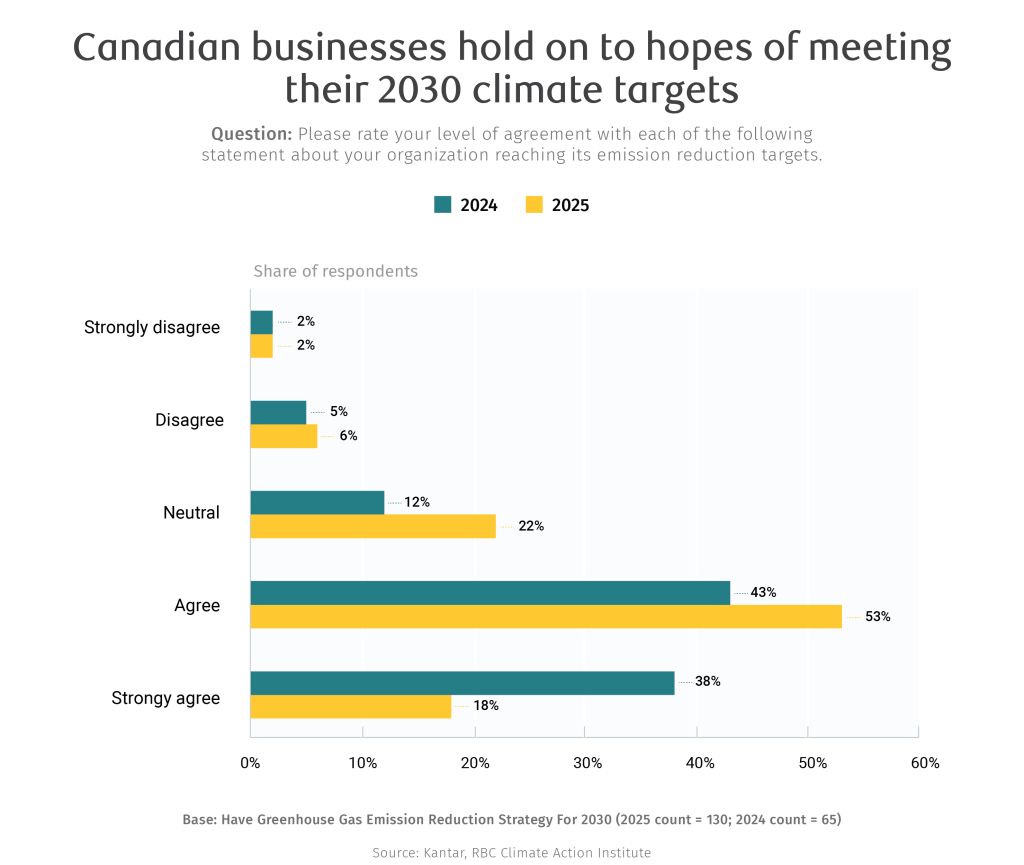
While a strong majority had a strategy, they were scaling back their targets in the interim: the percentage of executives “agreeing” or “strongly agreeing” when asked whether their organizations will reach its 2030 climate targets stood at 71% this year, compared to 81% last year.

That seems understandable as tectonic shifts are shaking up several planks of the Canadian and global economy this year, including trade, investments and energy security. Nearly three out of five senior leaders said their companies are planning to scale, or have already scaled back, their climate commitments or targets. More than a quarter cited the risk of political blowback in the U.S. as a key factor in their company’s decision, while just over 20% pointed to shifting sentiment at home for their decision.

Canadian Businesses hold on to hopes of meeting their 2030 climate targets

A few other highlights from our survey:

  • Executives believe they should be driving climate progress. Corporate priority (63%) was the biggest driver of their emissions reduction strategy, followed by government regulation (60%). With several federal and provincial government climate policies in retreat in Canada, it will be interesting to see whether GHG emission reduction strategies wane in future surveys.

  • Energy efficiency was a popular way (82%) to lower emissions. When asked “what’s the primary focus of your organization’s climate strategy?” 62% picked waste reduction, and 41% identified the purchase of carbon credits—similar to last year. There was, however, a drop in switching away from fossil fuels (46% in 2025, versus 52% in 2024), and electrification (48% in 2025, versus 59% in 2024).

  • Customers are seeking sustainable products and services. Customer/client demand (54%) was the next big driver of their strategic decision-making—little changed from last year despite new economic and affordability pressures on customers. However, only 30% of executives cited investor demand as a key factor.

  • Sustainability policies are viewed as expensive… 60% of executives said implementing sustainability policies led to a moderate cost increase of between 5 to 15% to their business costs, while another 13% reported cost inflation exceeding 15%. In our survey, we did not define what sustainability policies companies were pursuing.

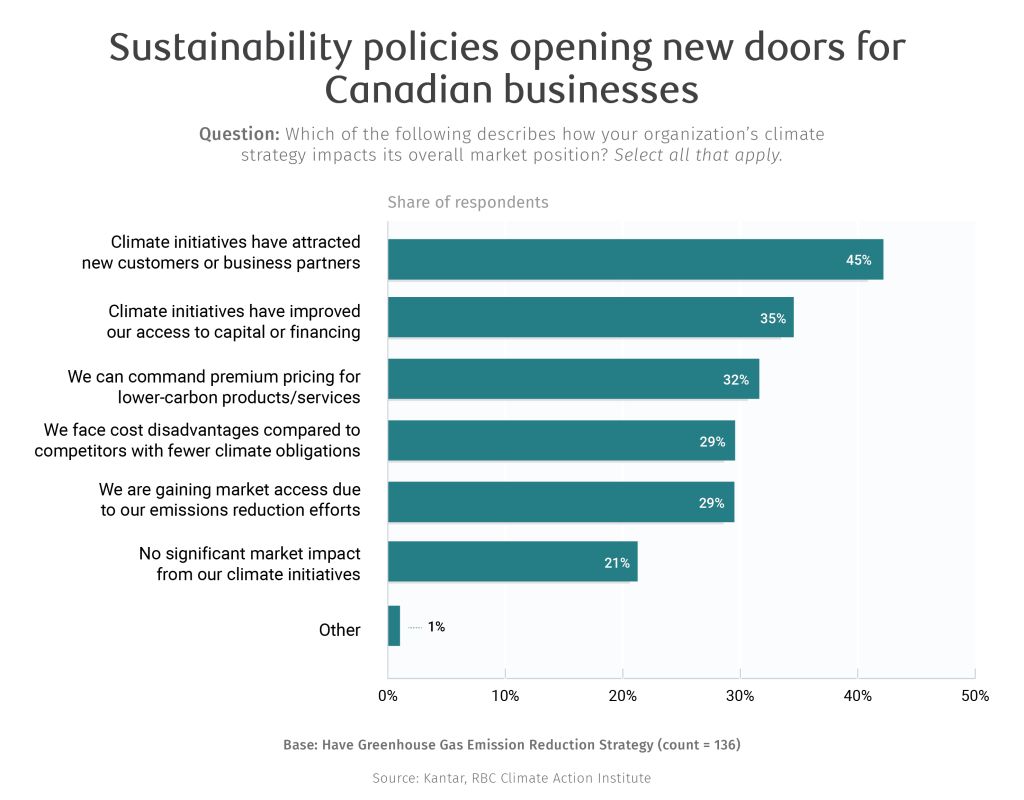
  • … But deploying climate policies had upside, according to the executives. Around a third of executives (32%) reported commanding premium pricing for their lower-carbon products and services, with 29% reporting securing new market access; 45% said their climate initiatives attracted new customers and business partners. However, nearly a third suggested they faced cost disadvantages compared to competitors with fewer climate considerations. A fifth reported noting no difference from their climate action.

  • Lack of access to capital tops the barriers list. In addition, the challenge of qualifying for government incentives and regulatory uncertainty, along with macro-economic conditions, were most frequently ranked as the top three barriers facing executives in their effort to lower their corporations’ GHG emissions.

Climate change may have slipped on Canadians’ priority list, but it remains front and centre when it hits closest to home—most notably in the form of wildfires inflicting property damage, raising insurance costs and impacting health.

That’s one of the key findings of RBC Climate Action’s latest consumer survey, which polled 2,000 Canadians. The survey is part of the Institute’s third annual Climate Action report, which reviews Canada’s progress on its environmental goals. (The full report is out Tuesday, January 13.)

Concerns around climate change has ebbed and flowed in tandem with Canadians’ economic prospects. In last year’s Climate Action report, 14% of respondents reported climate change as one of their top three concerns, down from 26% in 2019. This is consistent with the general observation that climate change, while important, ranks below pocketbook issues such as the cost of living and job security. When the economy is strong and jobs are secure, people can ‘afford’ to prioritize climate action. In times of economic stress, climate change tends to be de-prioritized.

This year’s consumer survey, conducted by market research firm Ipsos, again finds Canadians focused more on the economy, jobs and personal finances. However, the frequency of extreme weather events ensures that environmental issues continue to simmer just under the surface.

Here’s what we heard in the survey:

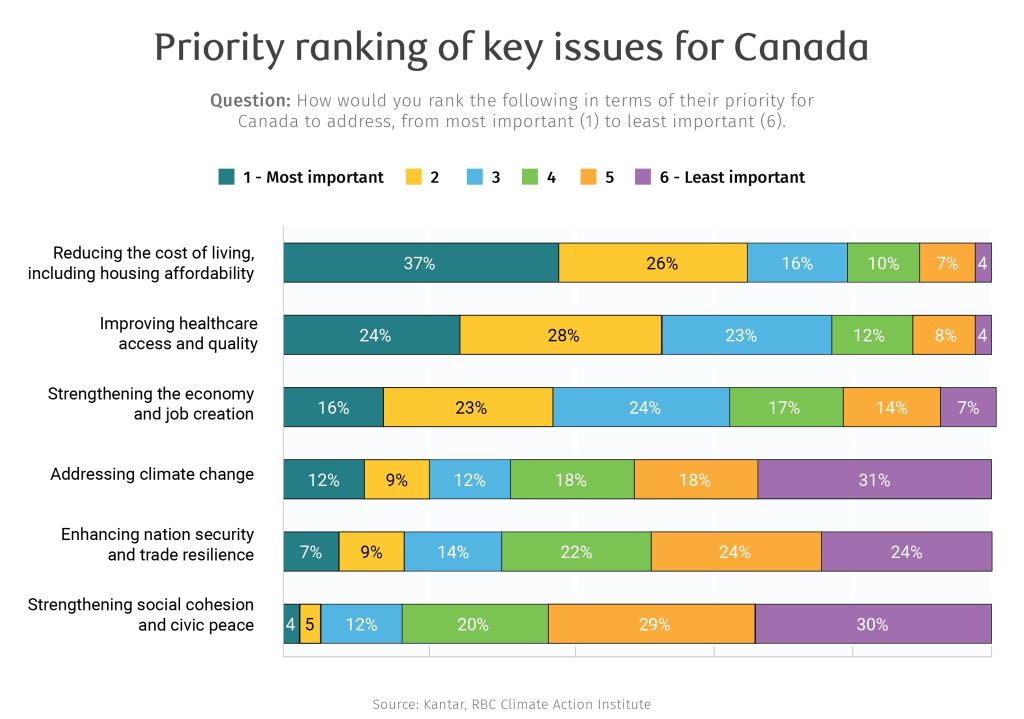
  • It’s about personal issues right now. Cost of living (79%), healthcare (75%) and economy and jobs (63%) were the top three challenges for most Canadians. Only 33% of respondents listed climate change as a top three issue. One-in-eight Canadians (12%) identified it as their top priority.

  • More than three out of five Canadians (67%) didn’t see climate change as a top three priority. It appears that climate change as an abstract concept is struggling to capture the attention of Canadians in the same way as the immediate impact of wildfire smoke or urban flooding does.

    Priority ranking of key issues for Canada including cost of living, healthcare, job creation, national security, and civic peace
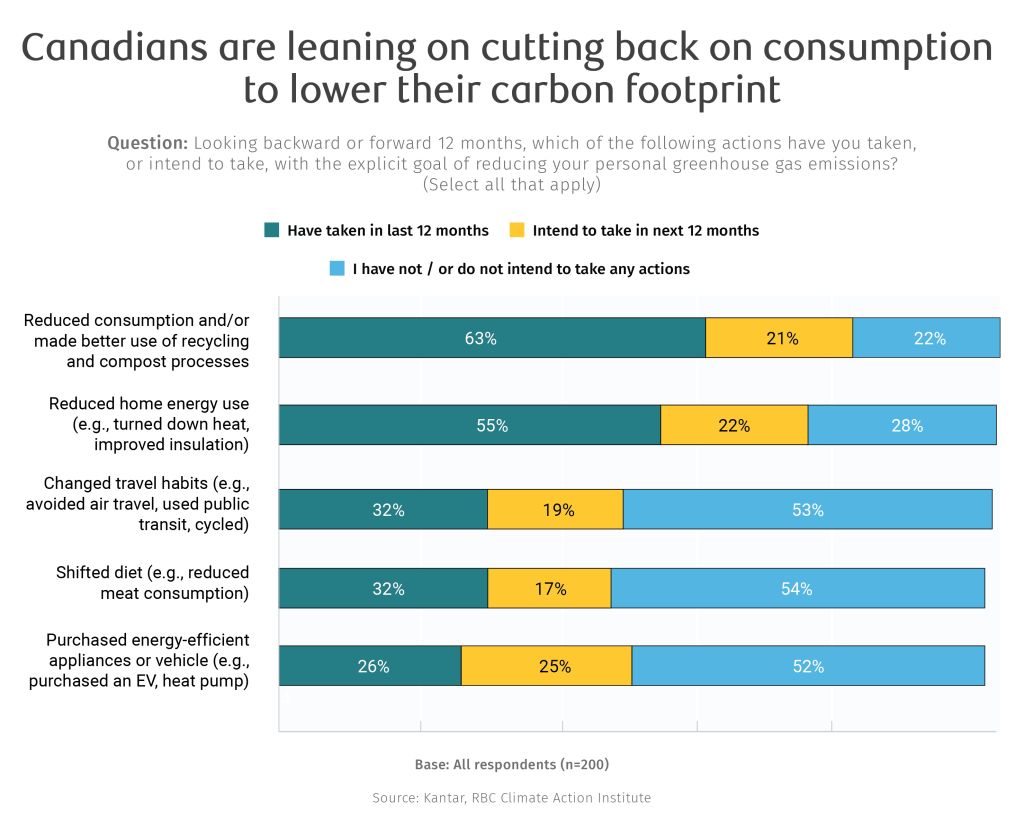
  • That does not necessarily mean climate inaction. Canadians are trying to reduce their carbon footprint in measures they can control: avoiding air travel and cutting meat consumption. Strong majorities either reduced or intend to reduce consumption or boost recycling efforts (84%), cut home-energy usage (77%), while roughly half changed or intended to change their travel habits (51%) and diets (49%).

  • Weather over climate: Around 60% of respondents would place greater emphasis on climate action if extreme weather events were even more frequent. Canada’s last three wildfire seasons were among the worst according to federal records dating back to 1970.2 As the survey suggests, the frequency and intensity has had an immediate impact on the quality of life for many Canadians.

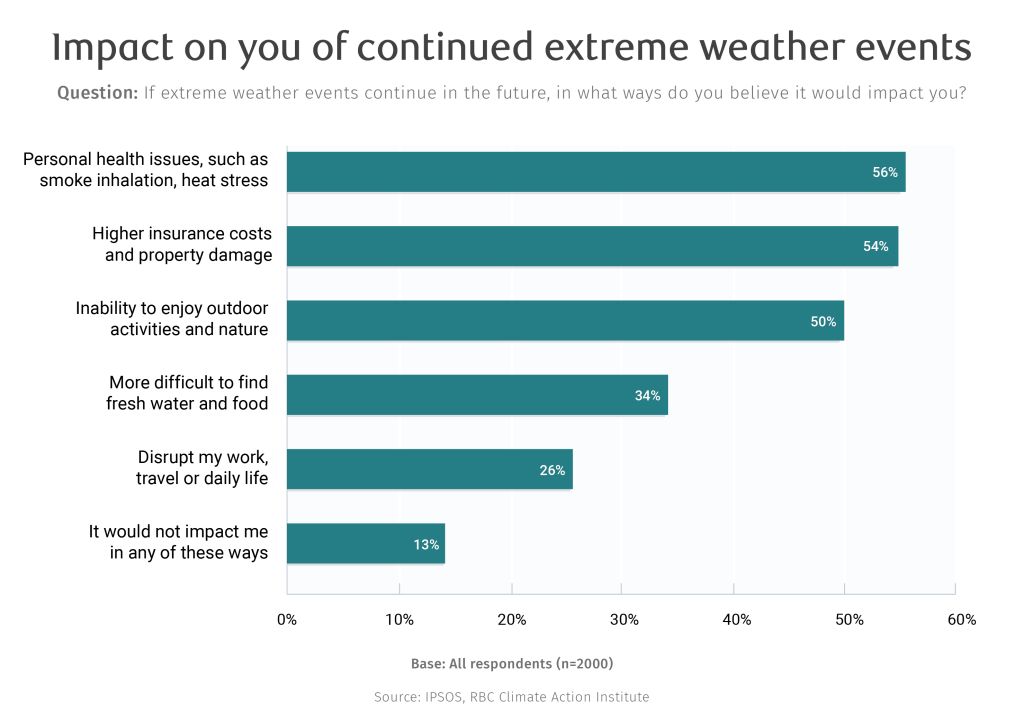
    Impact of continued extreme weather events
  • Canadians want wildfire-containment action: Personal health (56%), including smoke inhalation and heat stress, topped the list of concerns from wildfires, followed by property damage and insurance costs (54%), and the inability to enjoy outdoor activities and nature (50%).

    Canadians are leaning on cutting back on consumption to lower their carbon footprint

The challenge for policymakers and business leaders will be to harmonize environmental goals with other priorities and ensure economic growth does not override climate priorities.

Issue #11

➔ Energy transition clashes with tariffs
➔ IRA: Scrap, slice, or save?
➔ Let’’s talk climate realism

Hot takes

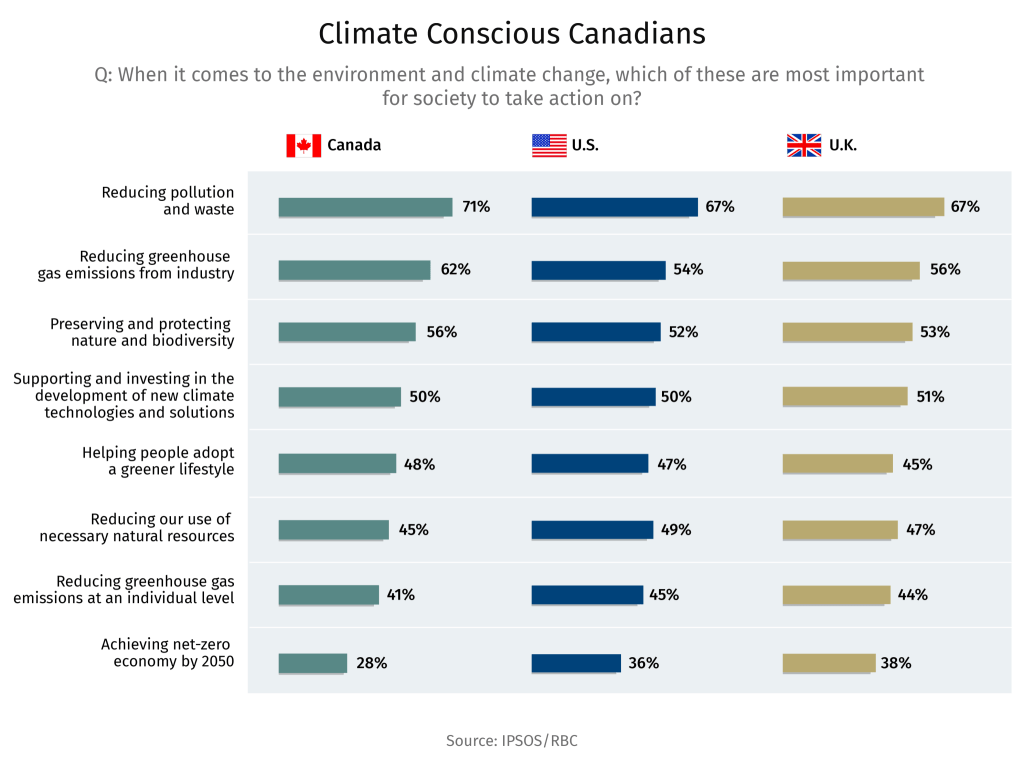
➔ Canadians remain keen on climate. Compared to their American and British counterparts, more Canadians believe reducing industry emissions is an important climate goal, according to an Ipsos survey for RBC (see chart below). However, Canadians are less likely to think that reducing the use of natural resources should be a societal goal.

➔ Let’s talk climate realism. The Council on Foreign Relations launched the Climate Realism Initiative this week, aimed at developing a new U.S. climate strategy. Myha Truong-Regan , Head of Climate Research, says five ideas from the launch event caught her attention: (1) economic and national security priorities will drive countries’ climate agenda; (2) climate can be a source of competitiveness in global trade; (3) global and national climate goals should be easy to understand, to garner widespread public support; (4) the world will need to pursue both fossil fuels and renewable energy as energy demand rises exponentially; (5) framing climate action as personal sacrificial acts rather than smart spending decisions will not resonate with the public. 

➔ Major investors are hoovering up renewable assets. Companies are circling over renewable assets that have seen their valuations shrink over the past five years. Brookfield Asset Management recently bought U.K.-based National Grid’s onshore U.S. renewables business for US$1.7 billion, and its units swooped in to buy French developer Neoen SA for US$6.6 billion, and UK offshore wind farms for $2.3 billion. KKR & Co. is looking to raise US$7 billion for its first Global Climate Fund, while Copenhagen Infrastructure Partners , closed its largest-ever renewables fund, at €12 billion, in March. Deep-pocketed investors are on the prowl. 

➔ A new U.S. biofuel policy may limit Canada’s market opportunities. Many Canadian farmers and biofuel producers worry they’ll be excluded from the proposed U.S. Clean Fuel Production Credit (Z45). This new credit replaces existing incentives that Canadian producers once benefited from and introduces a farmer tax credit with carbon-intensity and country-of-origin restrictions, says Lisa Ashton, Agriculture Policy Lead. U.S. farmers could be at a significant advantage if majority of Canadian farmers are ineligible for Z45 tax credits. 

The climate trade wars are here

Add the humble terbium to the list of commodities caught up in the tariff turmoil. The silvery, rare-earth mineral, used in wind turbines, was one of seven minerals on Beijing’s export controls as part of retaliatory measure to the U.S.’s reciprocal tariffs this month. China, which controls 95% of the global terbium’s supply, also restricted exports of substitutes gadolinium and scandium that could impact big American tech firms.

While autos and steel are grabbing the headlines, companies involved in sectors leading the energy transition are also hit by tariffs, and scrambling for materials that make the parts, cogs and pistons that drive clean technologies.

It’s early days, but here’s what we are watching as tariffs—especially if they remain in place beyond a few months—disrupt the energy transition:

  • EV batteries will be hit hard. U.S. baseline tariffs and higher levies on China and the EU will likely roil global supply chains. BloombergNEF expects batteries and solar prices to be hit hardest.

  • Certain metals and minerals were exempted—but China had other plans. The U.S.’s exemption list includes copper and zinc, rare earths, germanium, nuclear fuel, lithium and cobalt, etc. But China is weaponizing its metal dominance to hit back. Chinese control of several key minerals would hurt Western nations at least in the short to medium term. Canada, with its abundant resources, can help allies.

  • Uranium is about to get expensive. The U.S.’s dependence on mined uranium, especially from Canada, and foreign enrichment services, such as from Russia, make the price trajectory of nuclear fuel uncertain, notes Vivan Sorab, Senior Manager, Clean Tech. Tariffs on Canadian uranium were initially set at 25%, before falling to 10%. Rather than signing new purchase contracts in early 2025, U.S. reactor operators are staying on the sidelines on tariff uncertainty, according to Mining.com . With the U.S. reliant on foreign manufacturers for certain reactor components (e.g., reactor pressure vessels), tariffs could further hike costs.

  • Renewables are no strangers to tariffs. Tariffs on renewable energy systems and components averaged twice those applied to fossil fuels, the International Energy Agency said last year—long before the U.S.’s trade war started.

  • Cleantech was getting really cheap. Many technologies had seen costs drop over the past decade. However, a 100% tariff on solar PV modules today would cancel out the decline in technology costs seen over the past five years, according to the IEA.
    “A range of Chinese clean energy imports already faced high duties; these will become steeper yet,” BloombergNEF noted.

  • Climate remains an emergency, btw. While equity indices vacillate day to day, the global carbon emissions index is only headed one way: higher. CO2 levels are at the highest level in 800,000 years, the UN estimates. Every roadblock, material shortage and trade barrier is delaying efforts to rein in emissions.

IRA: Scrap, slice or save?

The Inflation Reduction Act is among the legislations in the U.S. currently under scrutiny, as Washington eyes spending cuts.

The U.S. Congress has to decide how to pay for the extension of the Tax Cuts and Jobs Act, which could impact IRA tax credits. Here’s how RBC Capital Markets is thinking about IRA’s prospects:

➔ With a potential price tag of US$4.5 trillion to extended tax breaks over 10 years, Republican lawmakers have indicated that every piece of the tax code is on the table, including energy-related IRA tax credits. 

➔ In a signal of some support, 21 Republican House members wrote a letter recently, arguing that developing clean energy was critical for the U.S. to meet President Donald Trump’s goal of becoming “energy dominant.” 

➔ Additionally, 83% of the US$126 billion in private sector manufacturing investments made since IRA’s passage was in Republican congressional districts. 

➔ While RBC Capital Markets does not foresee a full repeal of the IRA as a likely outcome, “we caution against broadly optimistic views that Republican lawmakers will hold the line to save green tax credits in the face of pressure from Republican leadership and ultimately, Trump himself.” 

Trump Tracker

A veritable selection of orders and actions from Washington that are impacting climate and energy transition:

➔ Reciprocal tariffs: The big one on April 2. It sent markets plunging, nerves fraying and brows knitting tighter. Originally, baseline tariffs started at 10% but many countries faced higher tariffs. Close trading partners Canada and Mexico were spared—for now. As markets plunged, Trump retained the universal 10% on most countries, except China which now faces 125% tariffs. 

➔ Upshot: “Major blow to the world economy,” is how European Commission President Ursula von der Leyen described it. China has retaliated with 84% tariffs now in total. 

➔ Tariffs on imported vehicles: The blanket 25% tariffs on all foreign-made vehicles. Parts that are compliant with the U.S.-Mexico-Canada Agreement would remain tariff-free—for now. 

➔ Upshot: Canada responded with matching tariffs on U.S. vehicles that are not compliant with the North American free trade deal. Stellantis shut down its Windsor assembly plant for two weeks. 

➔ Boosting American critical mineral production: The order aims to streamline ways to increase production of uranium, copper and potash. Also on the list: gold and coal that are often not viewed as critical. 

➔ Upshot: The U.S. is not abundant in several critical minerals vital for key technologies such as semiconductors. However, loans, and investment support for new projects through the International Development Finance Corporation (DFC), could “make it a clever candidate” to boost mining in the U.S., according to the Atlantic Council. A potential U.S. minerals deal with Congo highlights the administration’s wide push to source minerals. 

Curated by Yadullah Hussain, Managing Editor, RBC Climate Action Institute.

Climate Crunch would not be possible without John StackhouseMyha Truong-ReganSarah PendrithFarhad PanahovLisa AshtonShaz MerwatVivan SorabCaprice Biasoni and Frances Dawson.

Have a comment, commendation, or umm, criticism? Write to me here (yadullahhussain@rbc.com)

Climate Crunch Newsletter
Issue #10

  • Why (almost) everyone’s hating on the Impact Assessment Act

  • Natural gas is the sector’s emission-busting star

  • Tracking the Trump train. Plus, the big one set to come April 2!

Hot takes

➔ Natural gas is Canadian oil and gas sector’s emission-busting star. The subsector’s emissions have fallen 30% since 2005, the steepest drop within the wider oil and gas sector, according to the latest National Inventory Report. Canada’s total greenhouse gas emissions fell 8.5% in 2023 (from 2005 levels)—its lowest level in 27 years. Electricity led the declines among sectors with a 58% drop compared to 2005, while oil and gas was the laggard with emissions up 7%. That was mostly due to the oilsands, which saw emissions jump 143%, even as the rest of the sector (including pipelines, refining and conventional oil) saw a 25% drop.

➔ Ontario could be home to North America’s first cobalt sulphate refinery. Ottawa intends to provide $20 million in funding to Toronto-based Electra Battery Materials to transform its Temiskaming Shores facility into a cobalt sulfate refinery—the continent’s first. The funding adds to the $20 million grant Electra secured from the U.S. Department of Defense last September, as Washington looks to loosen China’s grip on the global cobalt market. South Korea’s LG Energy Solution will purchase 80% of the refinery’s output, aimed at facilitating the production of around one million EVs. The refinery is part of Electra’s wider ambition, which includes building a battery recycling refinery adjacent to its cobalt refinery. Electra is also eyeing a cobalt sulfate facility in Bécancour, Quebec, and a nickel sulfate plant.

Further reading: The New Great Game: How the race for critical minerals is shaping tech supremacy

➔ Greenpeace is facing an existential crisis. North Dakota jury ordered the environment group to pay US$660 million in damages for leading protests against Energy Transfer’s Dakota Access oil pipeline in 2016-17. The eco-group, which traces its roots to Vancouver back in 1971, could face bankruptcy, ending more than 50 years of activism. The ruling has had a chilling impact on environmental scrutiny by non-governmental groups, but Greenpeace has vowed to fight on.

➔ The great American billionaire climate retreat is underway. The Bill Gates-backed  Breakthrough Energy’s laid off dozens of staff involved in solving climate issues, highlighting the crumbling fight against climate change. It follows fellow billionaire Jeff Bezos’s Earth Fund halting funds for climate projects. Presumably, both are reactions to the U.S. government dismantling several key climate policies. Deep-pocketed philanthropic support and funding for climate initiatives was supposed to ride out political ebbs and flow—instead, it’s been like a weather vane—changing direction at the first sign of shifting winds.

How to fast-track $350B worth of energy projects

Sensing an opportunity, 14 oil and gas executives wrote to Canada’s major political parties—that are now in campaign mode—to “Build Canada Now,” notably oil and gas pipelines and liquefied natural gas export terminals. That playbook could well extend to all kinds of other infrastructure, including mining and clean energy projects.

What stood out from the industry’s five recommendations? A call to overhaul and simplify the Impact Assessment Act. Industries and provinces have railed against the IAA over its short existence and even the Supreme Court has problems with parts of it.

Critics say the IAA, in its current form, intrudes into areas of provincial jurisdiction and injects uncertainty as it covers many social factors beyond environmental effects, leading to project delays.

With Canadians in the mood to build big projects again, billions in capital can be unlocked quickly if the IAA and myriad other provincial and federal permitting rules can be streamlined. The Major Projects Inventory counts 231 energy projects valued at $351 billion energy that are either in review, planning or proposal stage, according to Natural Resources. Add several billion worth of projects that are twinkles in the eyes of corporate executives, and we could be looking at capital north of $400-billion ready to be pledged or deployed.

Also read John Stackhouse’s take on the industry’s 5 recommendations on accelerating project building in Canada.

Trump Tracker

Action # 1: Executive order. President Trump invoked the Defense Production Act to ramp up domestic production of critical minerals and curb China’s resource dominance.

Upshot: Facilitates financial support and streamlines permitting processes to boost domestic mining industry. The U.S. has been scrambling to secure critical minerals, including reportedly eyeing Canada’s resources, Greenland’s riches, and minerals deals with Ukraine.

Action # 2: The Environmental Protection Agency cancelled US$20 billion for clean energy projects being developed by non-profits and community organizations.

Upshot: Implemented. The Greenhouse Gas Reduction Fund created under the Inflation Reduction Act, was aimed to leverage green banks and community lenders to propel private capital investment into clean energy projects. EPA cancelled the grants amid concerns over lack of oversight.

Action # 3: Marine archaeological resources rules eased.

Upshot: Implemented. The move aims to cut red tape and accelerate America’s “Energy Dominance” ambition. The original rules required offshore oil and gas developers to conduct archaeological survey and report any new oil and gas activities that could disrupt the seafloor.

Action # 4: Reciprocal tariffs set for April 2.

Upshot: Announcement to come. They will be part of a slew of trade orders and actions that would hit Canada and the rest of the world, apparently on a sliding scale. Some Washington insiders think some key industries may be spared—for now.

RBC Briefings

Insights from RBC analysts that straddle climate, trade, economy—and everything in between.

ICYMI

Curated by Yadullah Hussain, Managing Editor, RBC Climate Action Institute.

Climate Crunch would not be possible without John StackhouseMyha Truong-ReganSarah PendrithFarhad PanahovLisa AshtonShaz MerwatVivan SorabCaprice Biasoni and Frances Dawson.

Have a comment, commendation, or umm, criticism? Write to me here (yadullahhussain@rbc.com)

Climate Crunch Newsletter
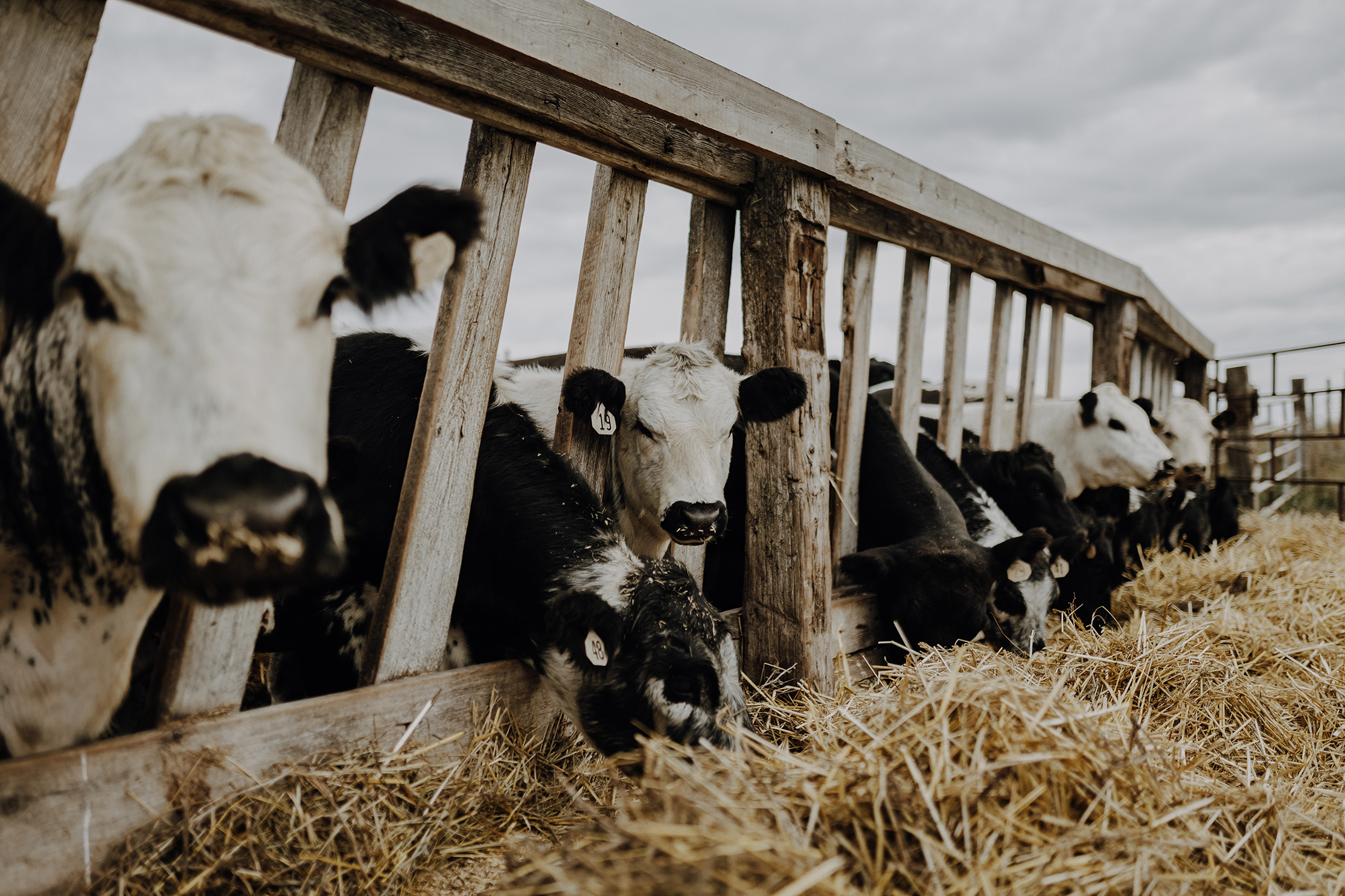
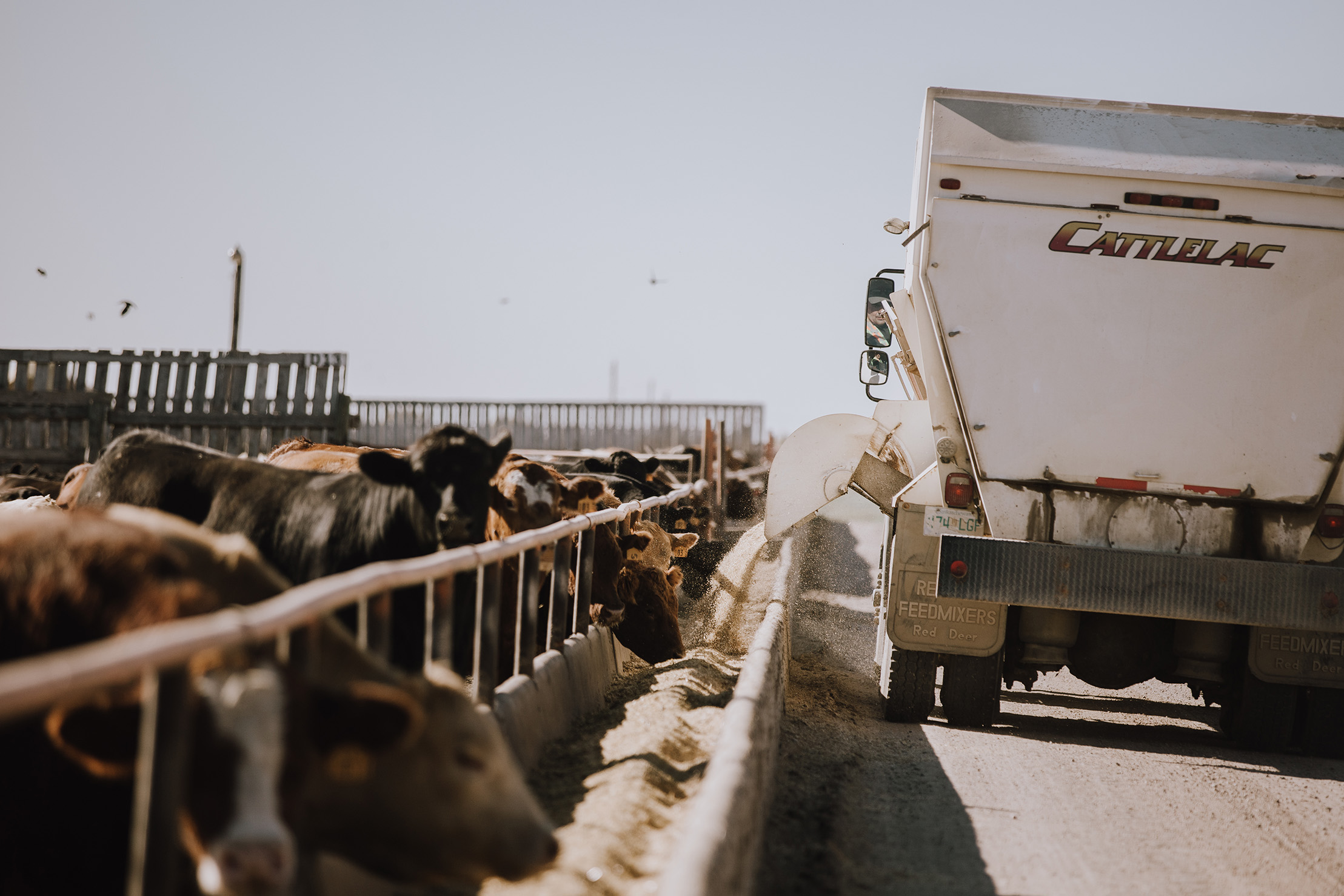
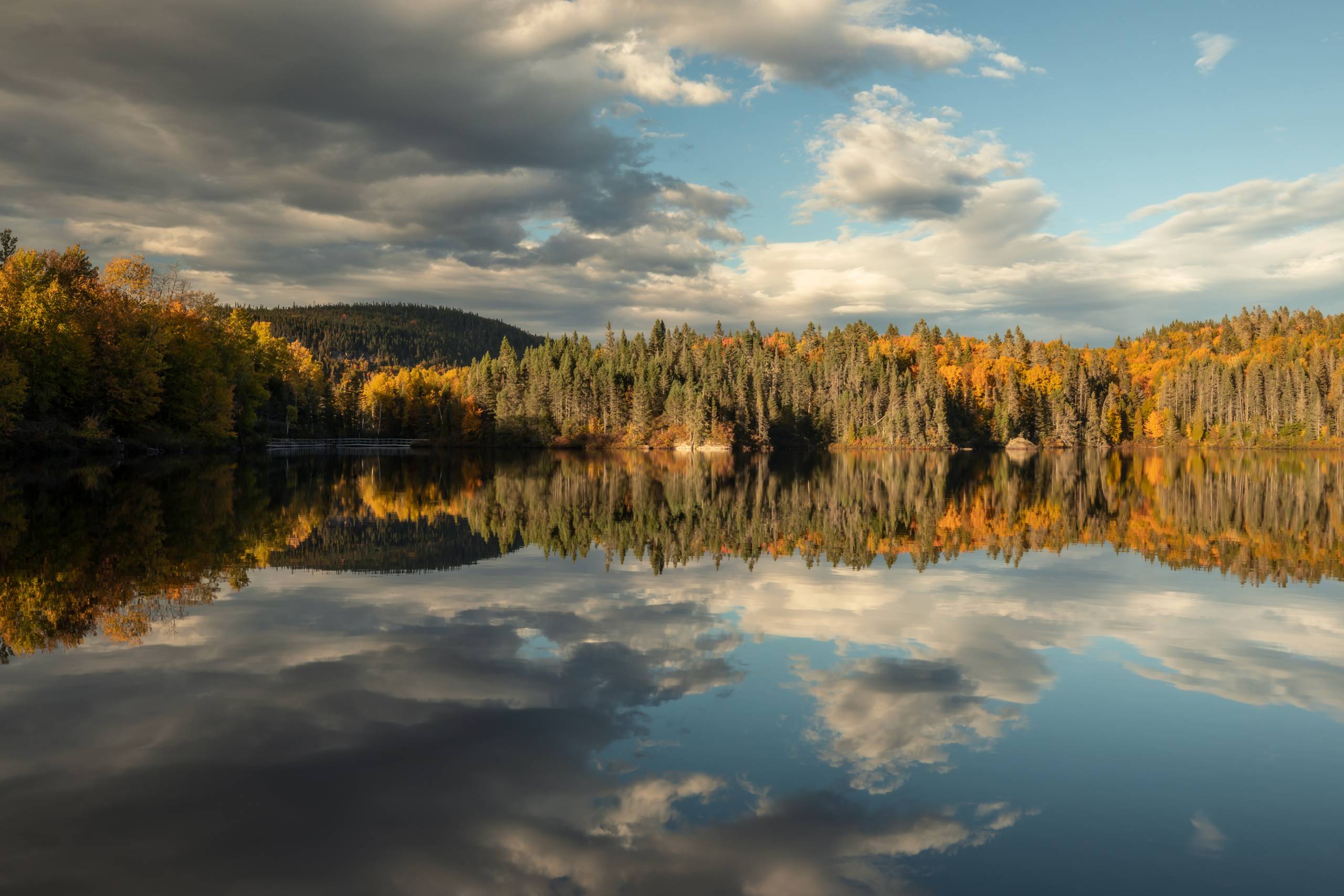
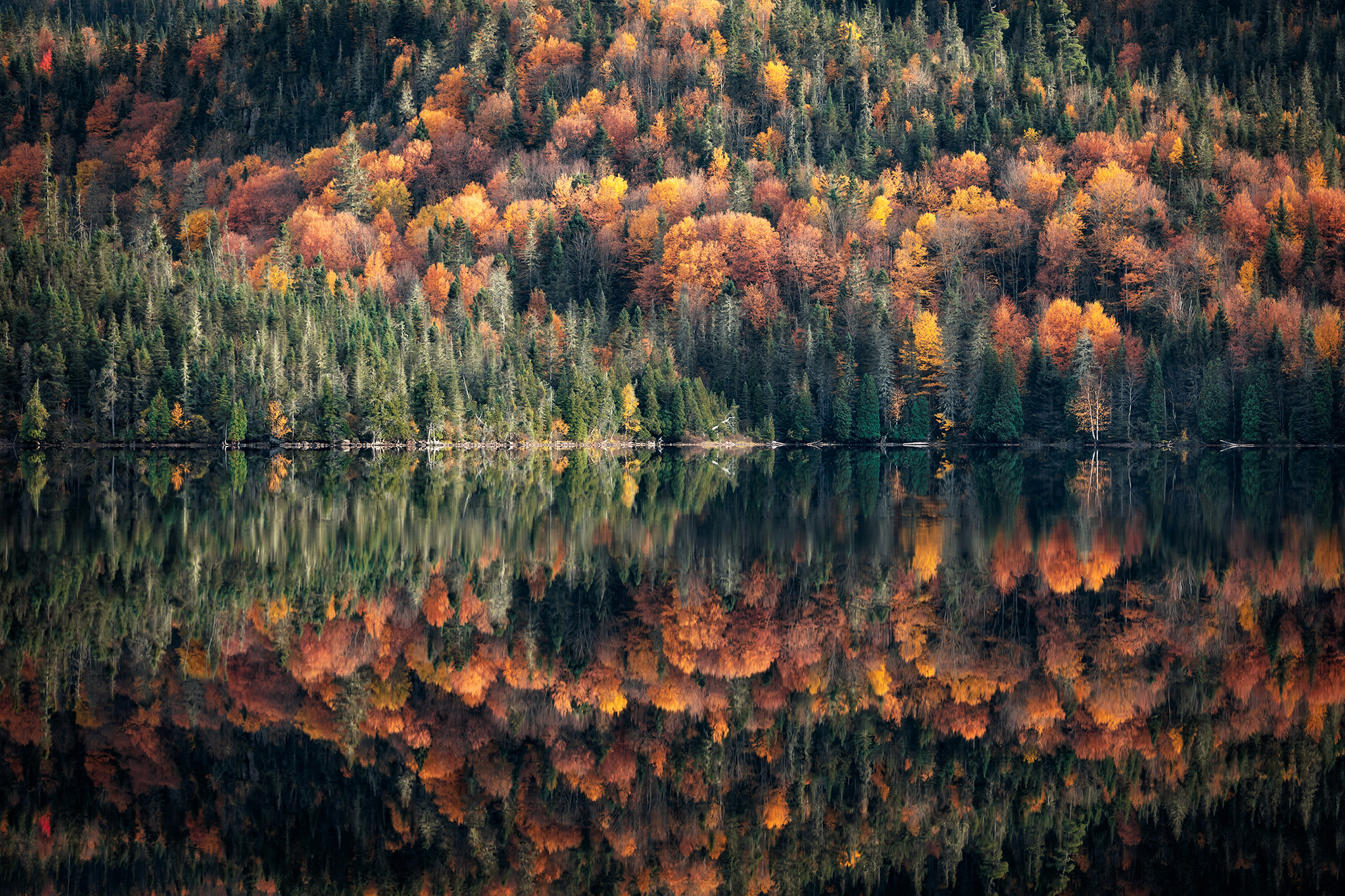
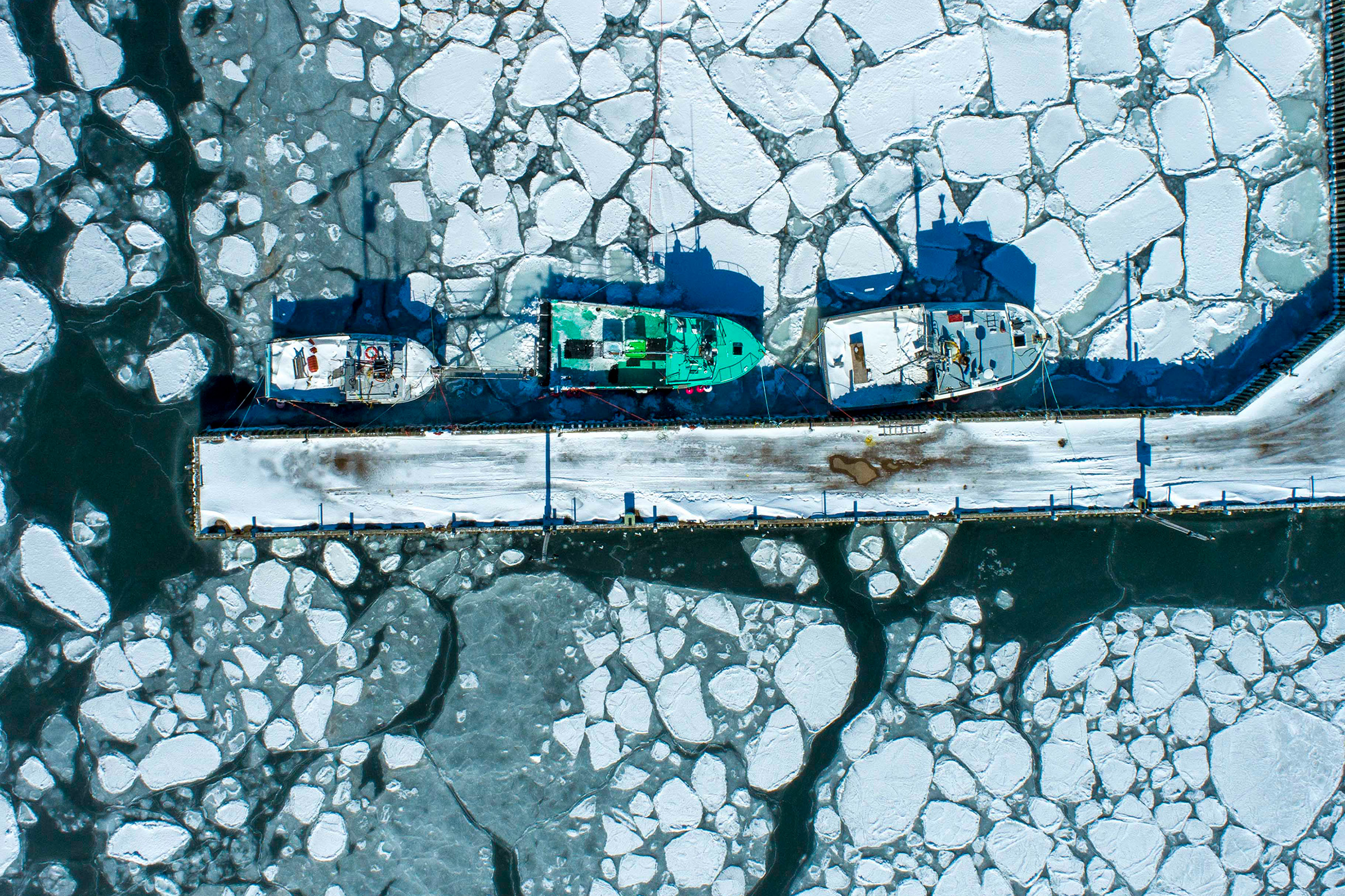
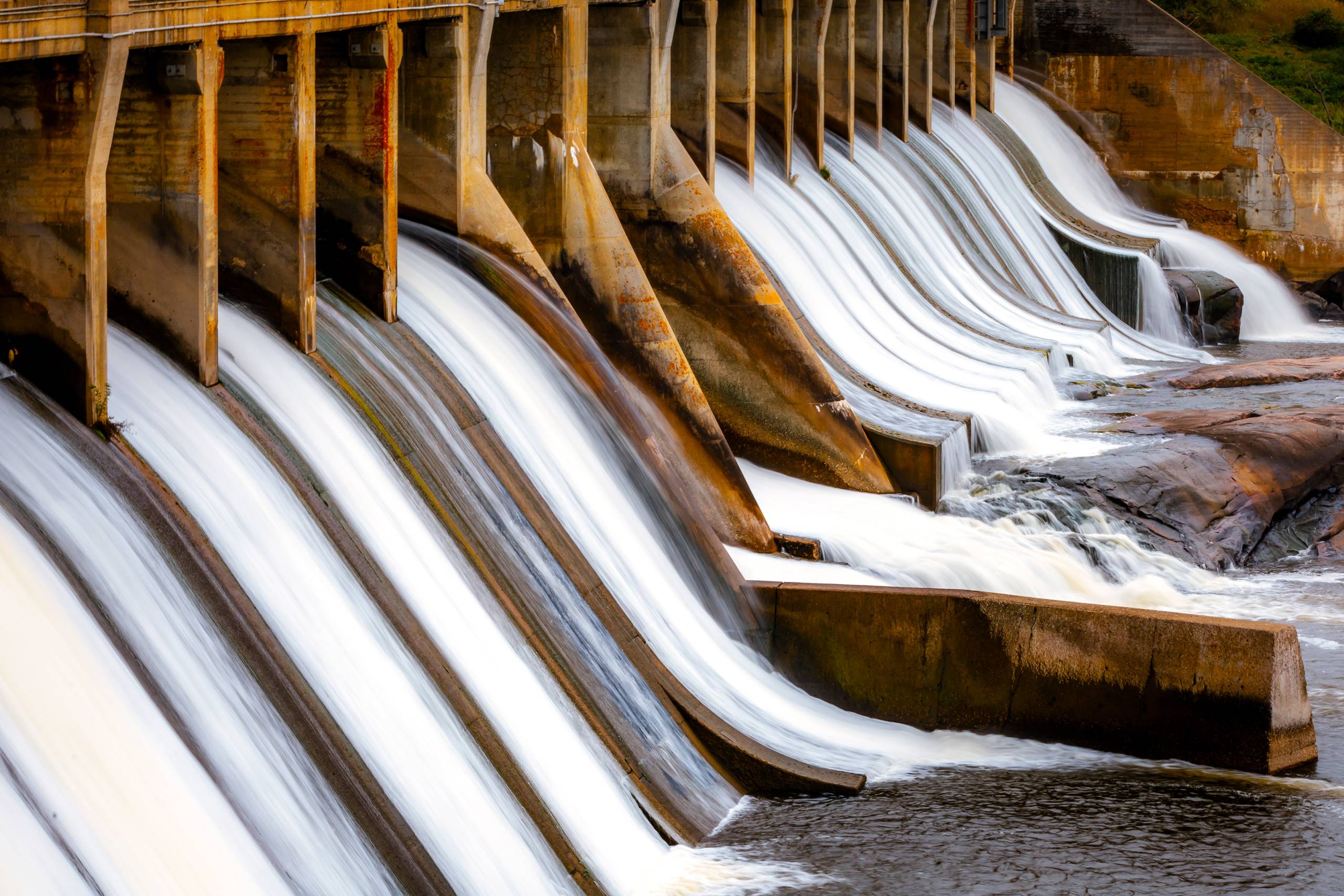
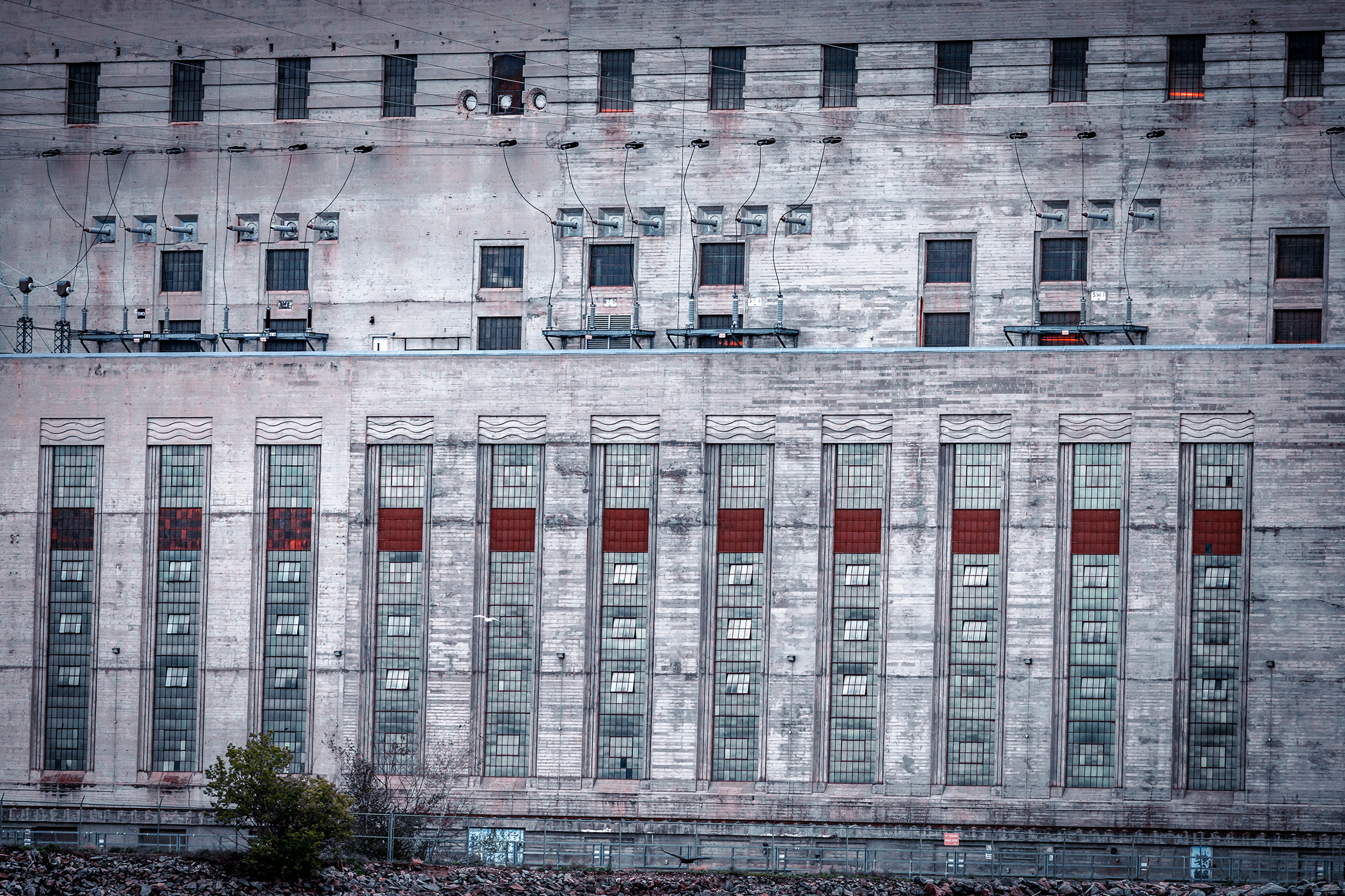
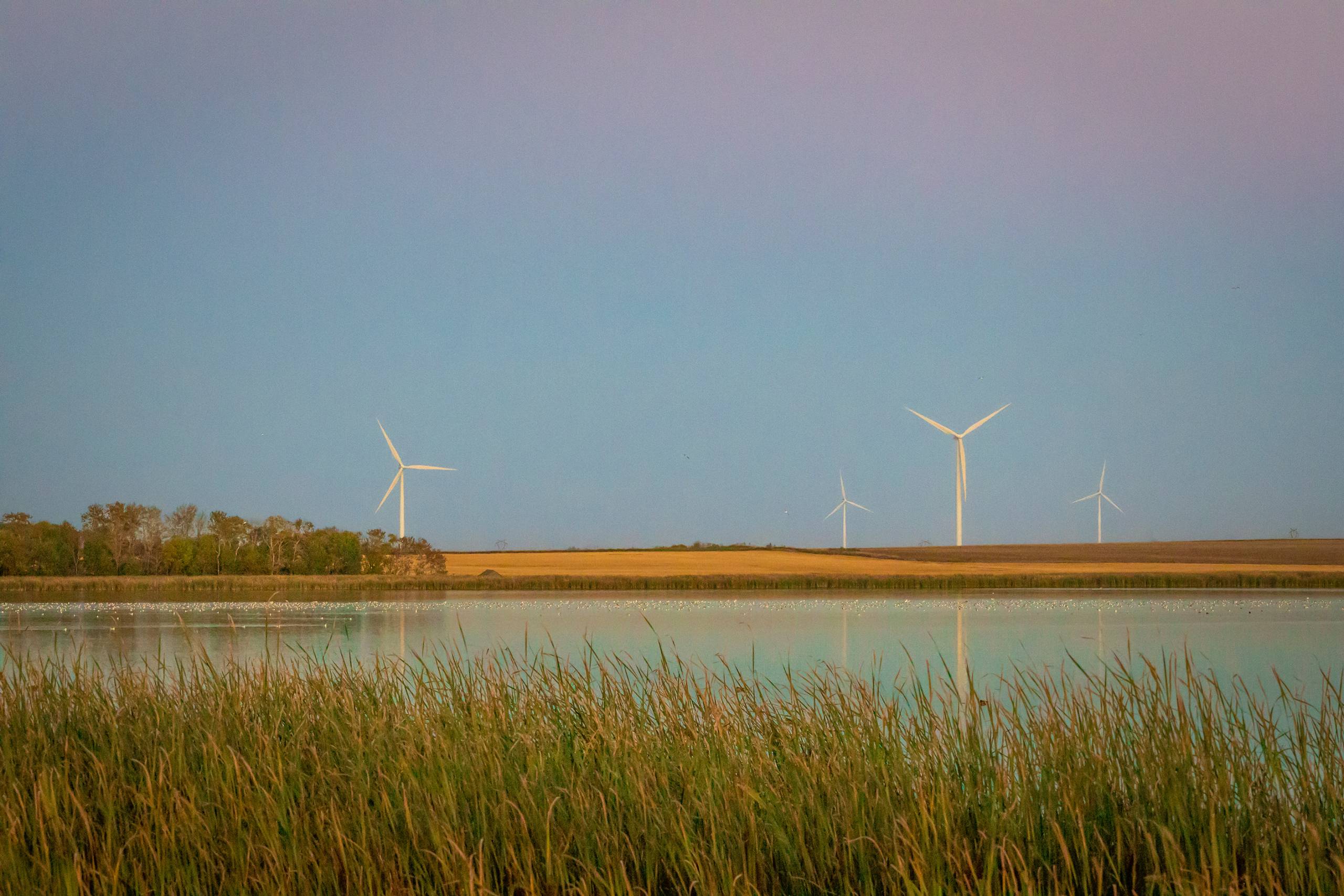
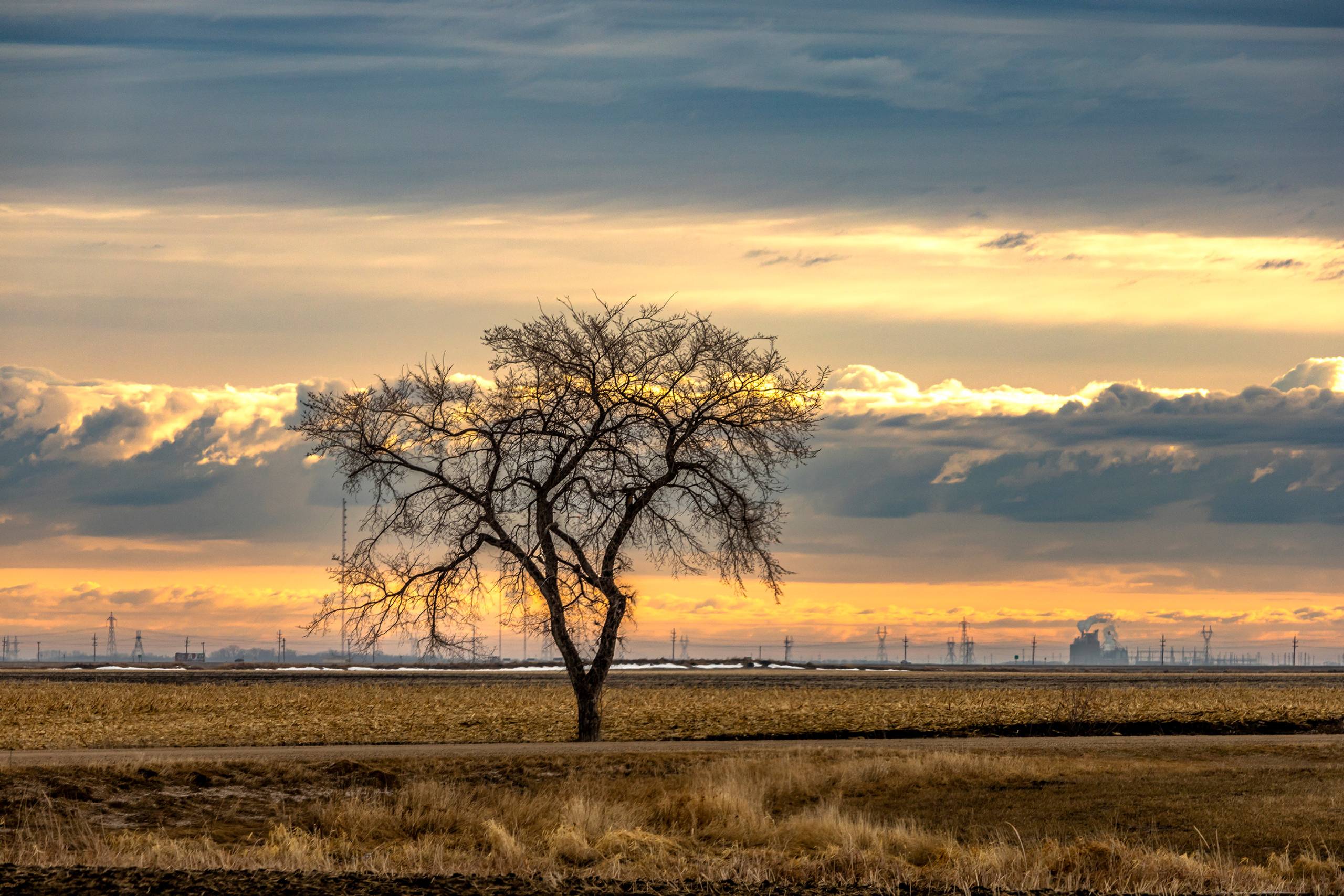
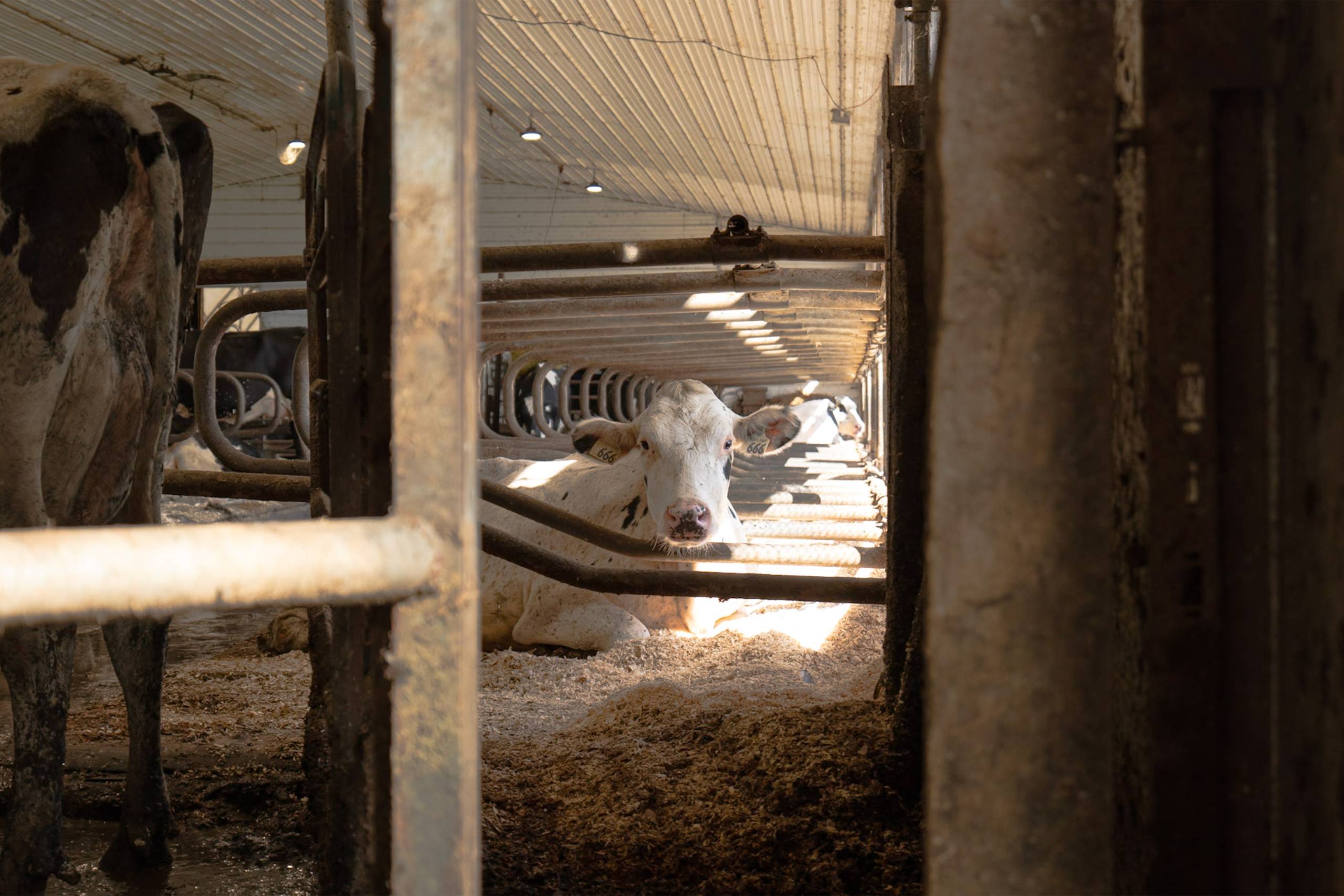
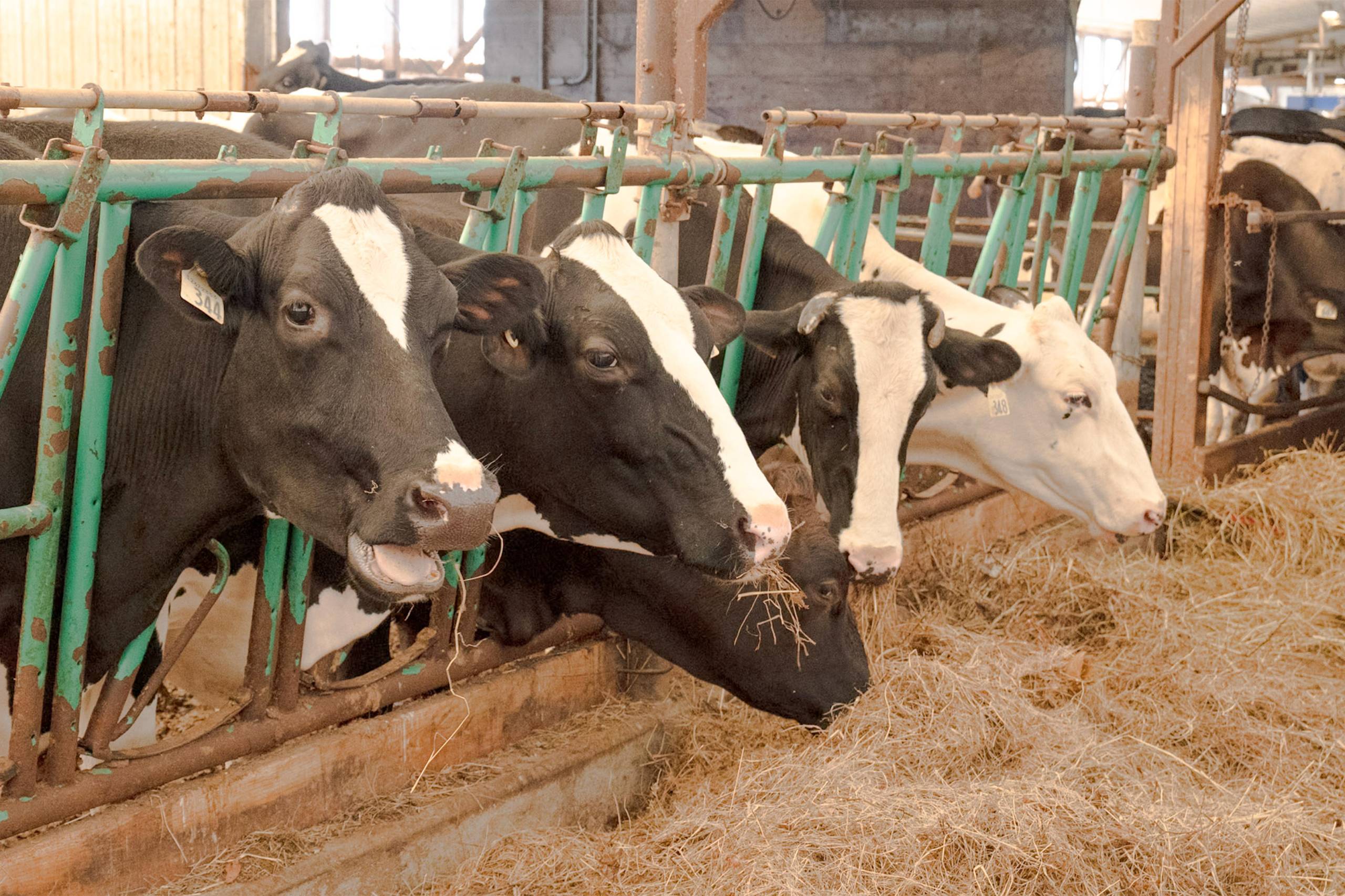
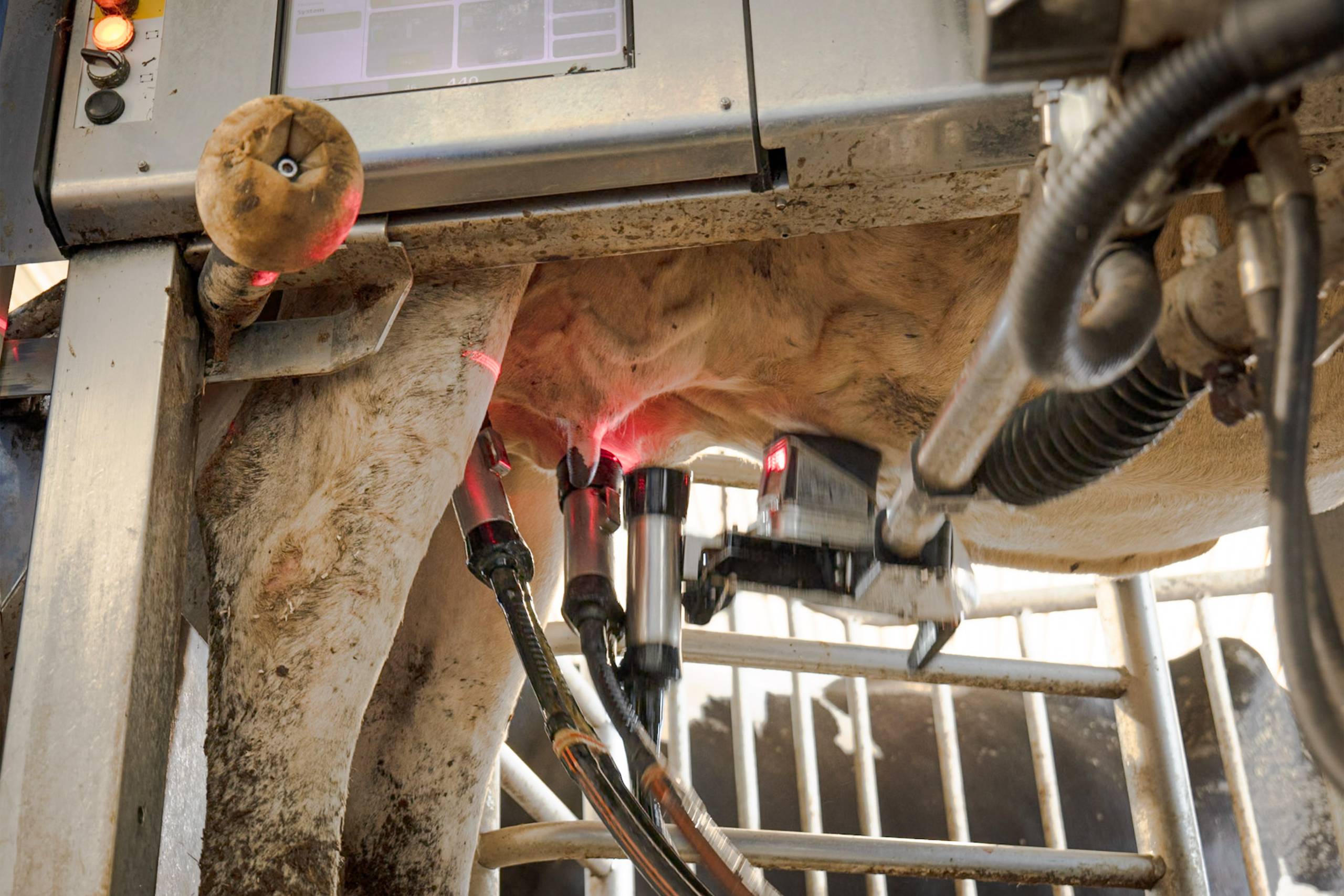
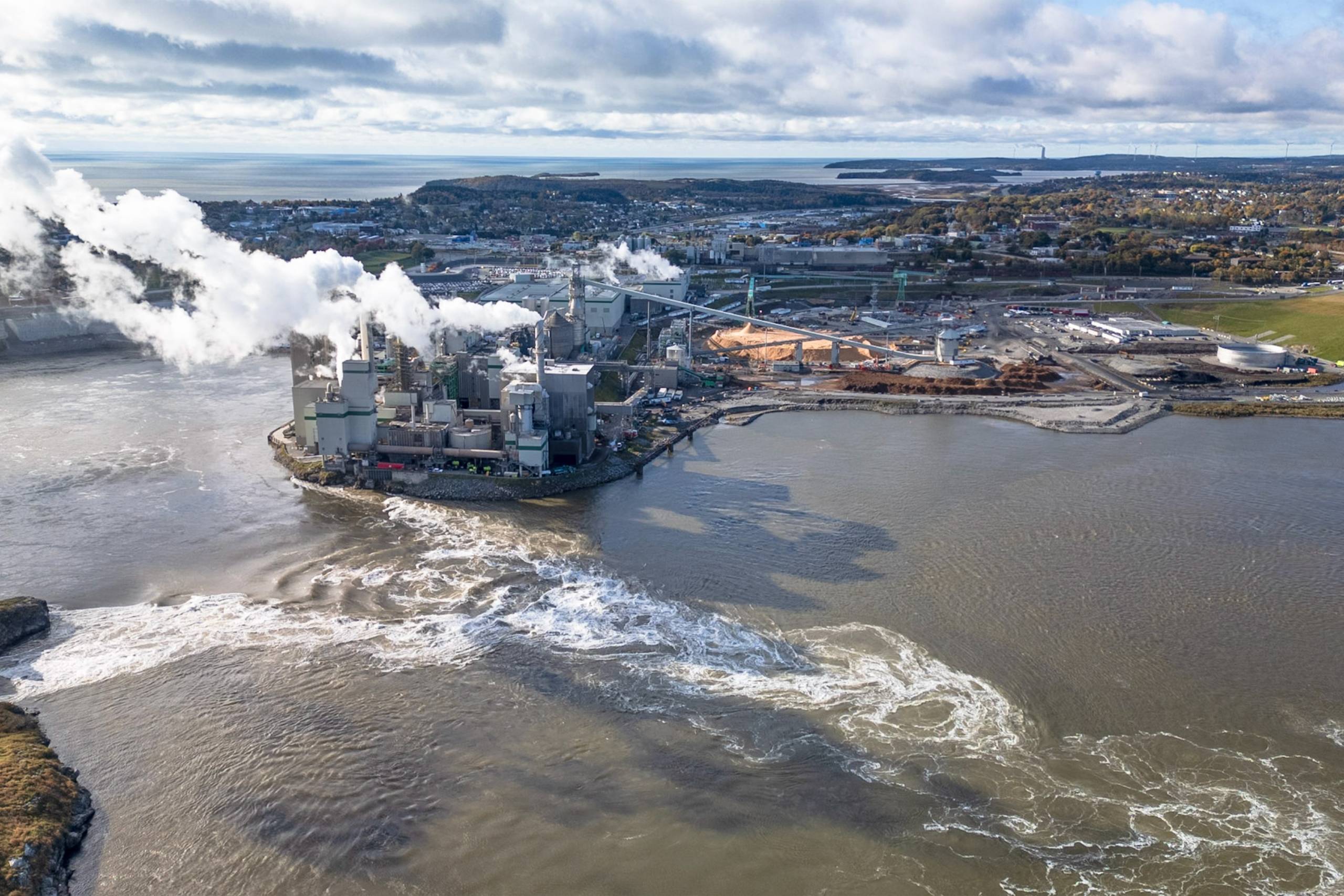
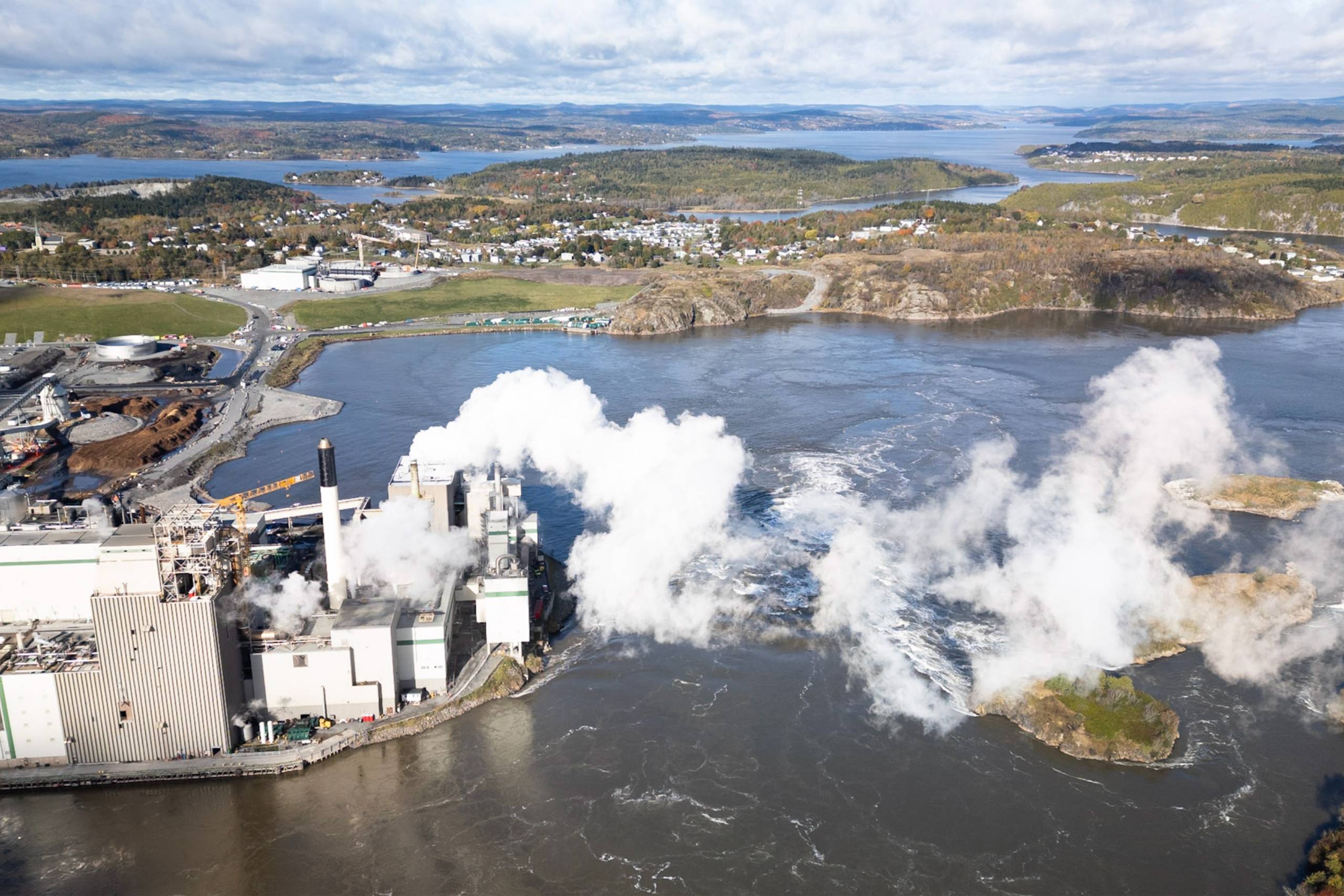
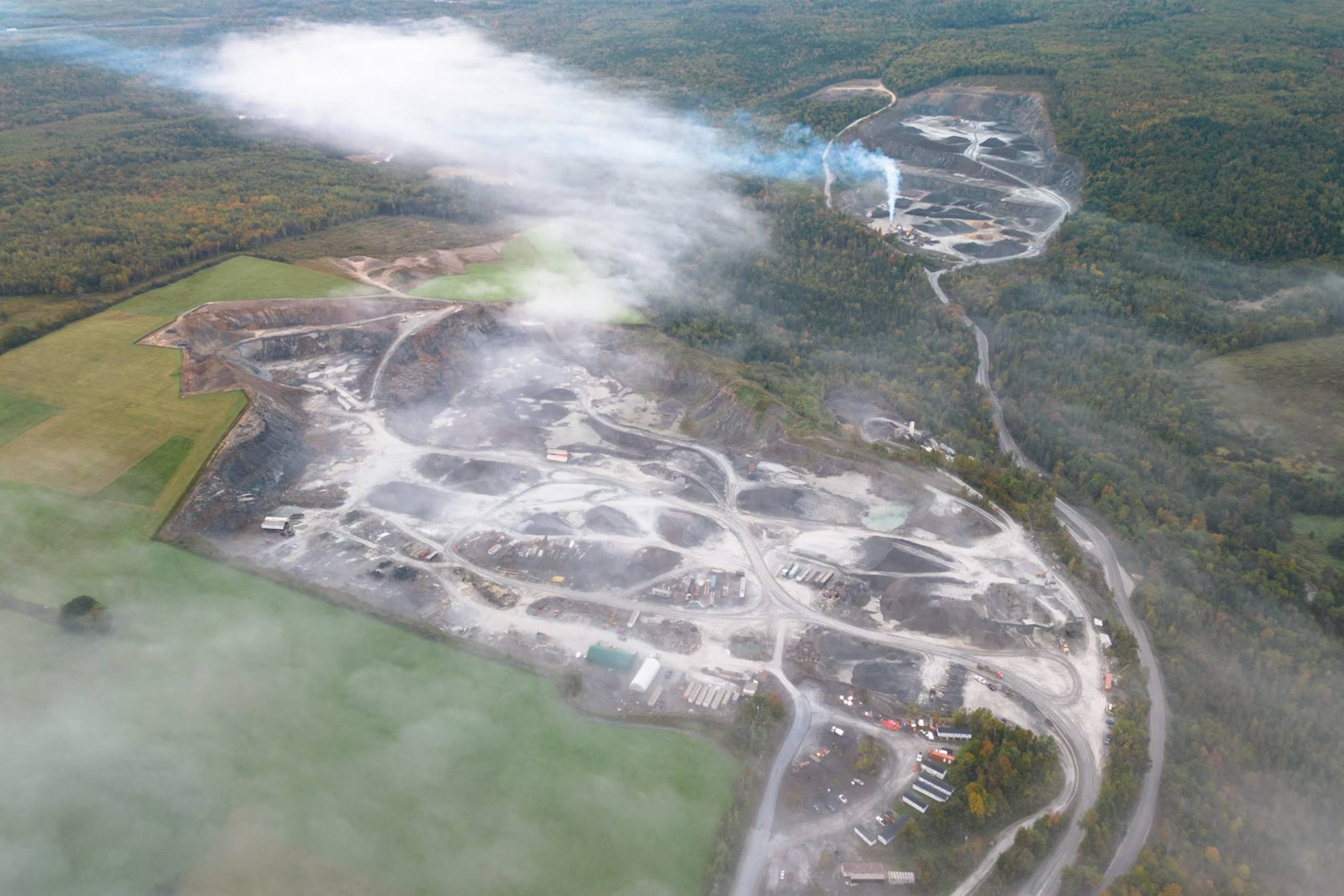
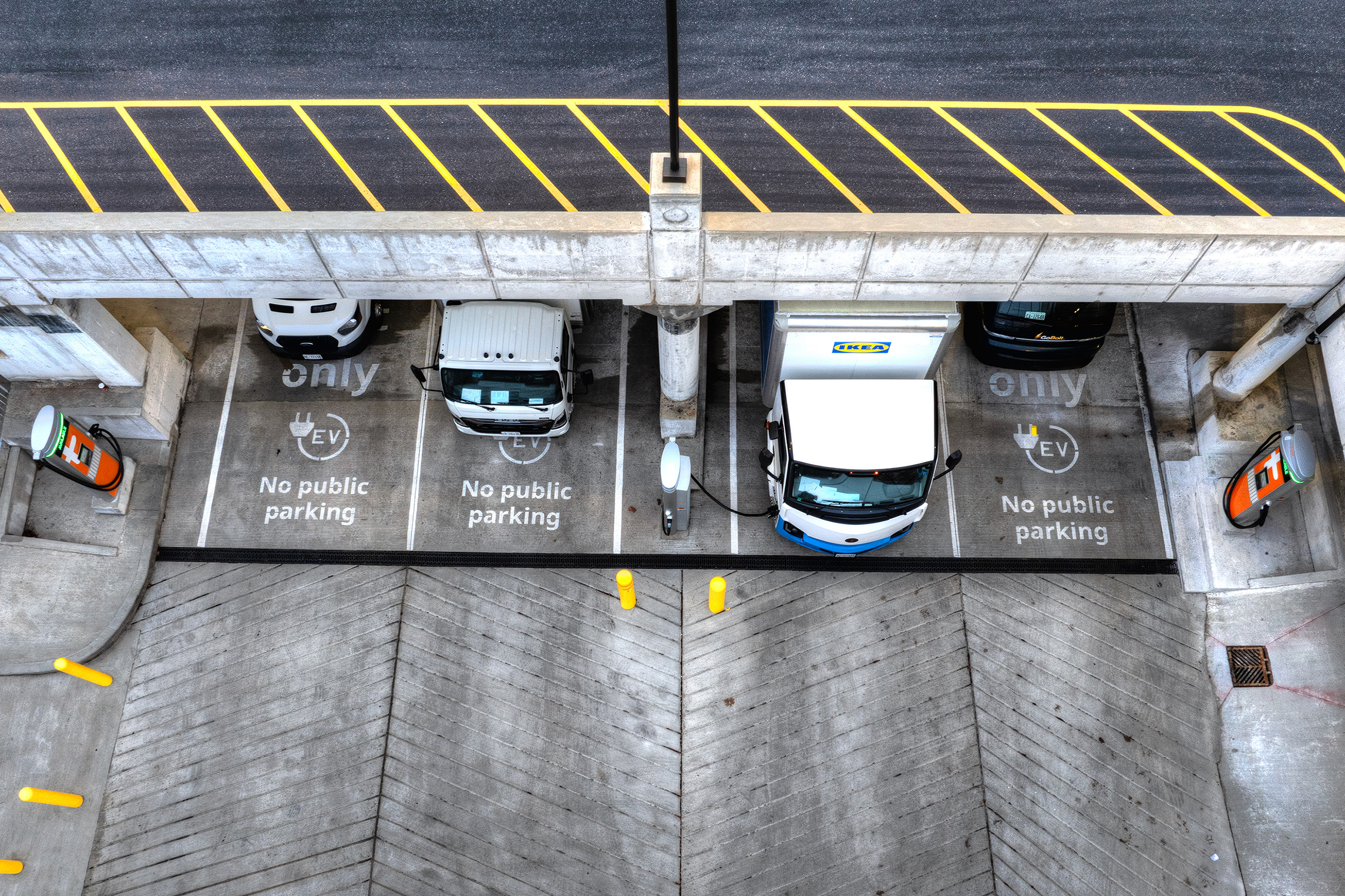
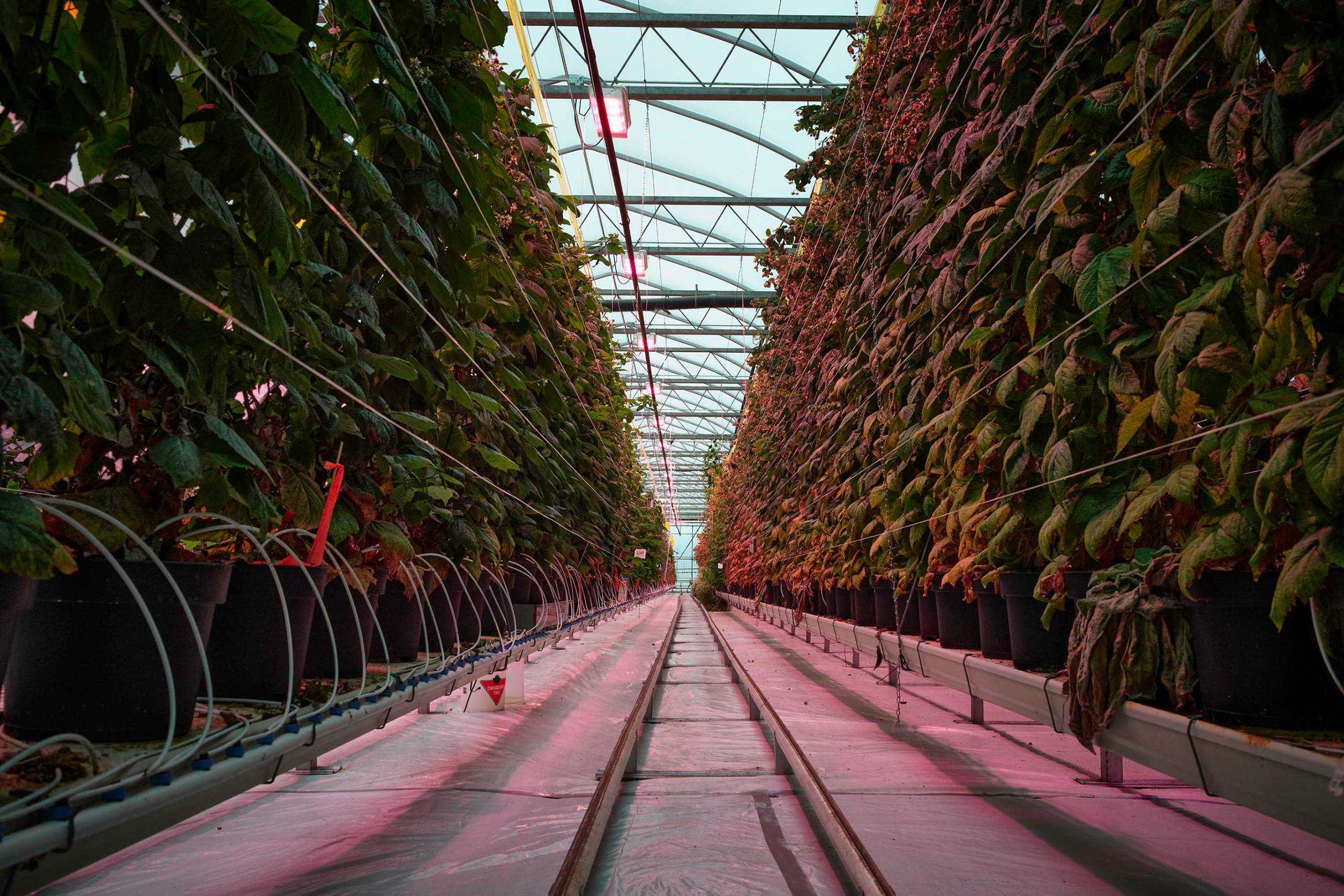
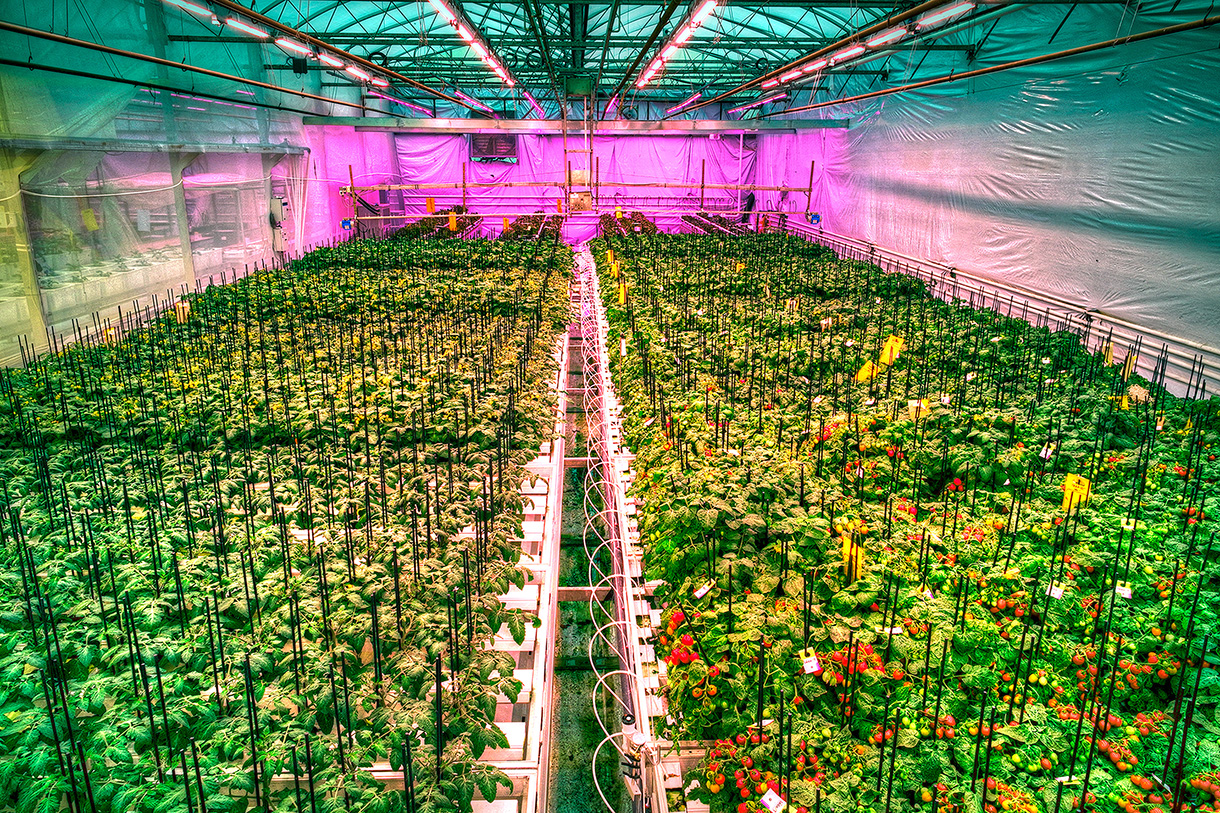
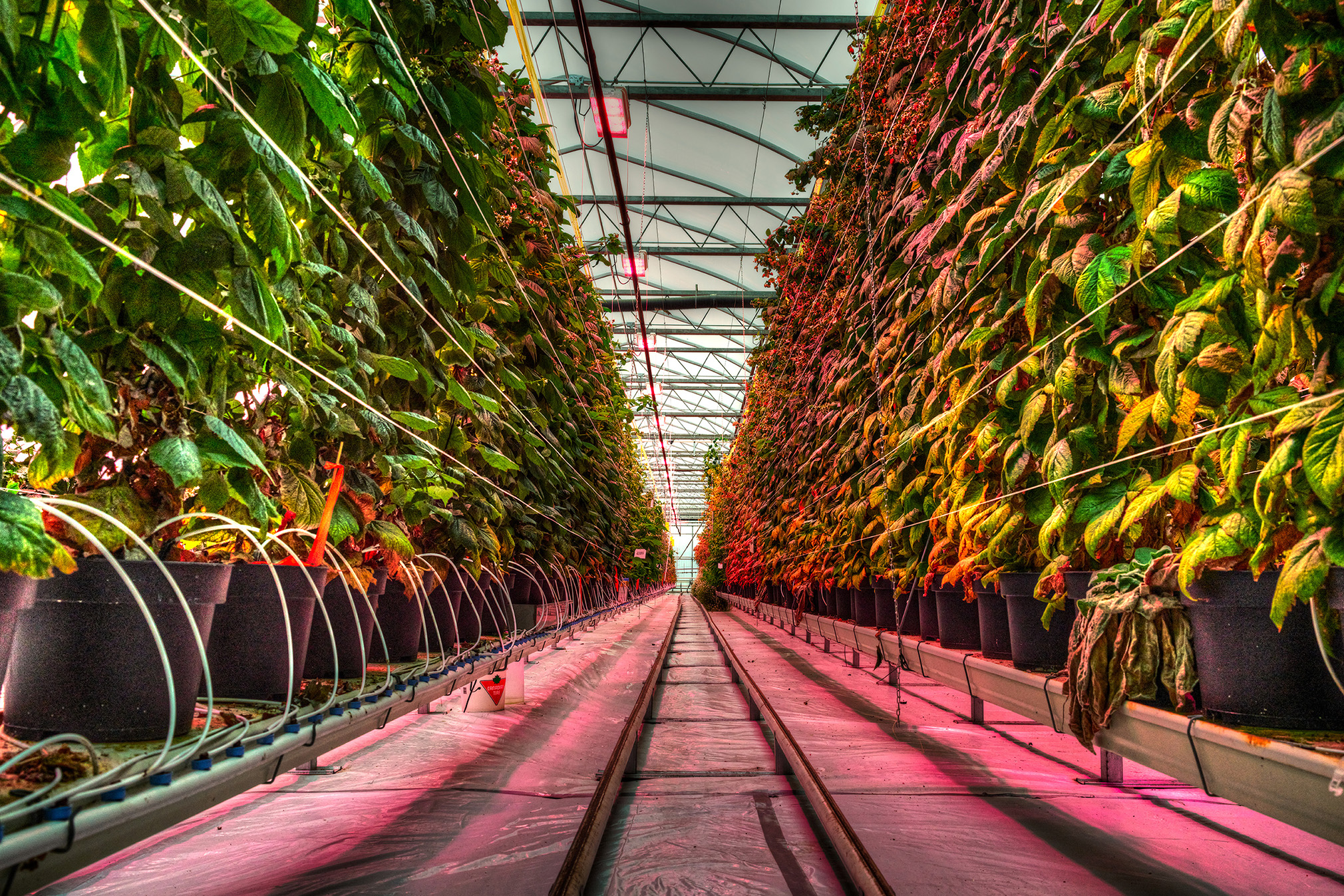
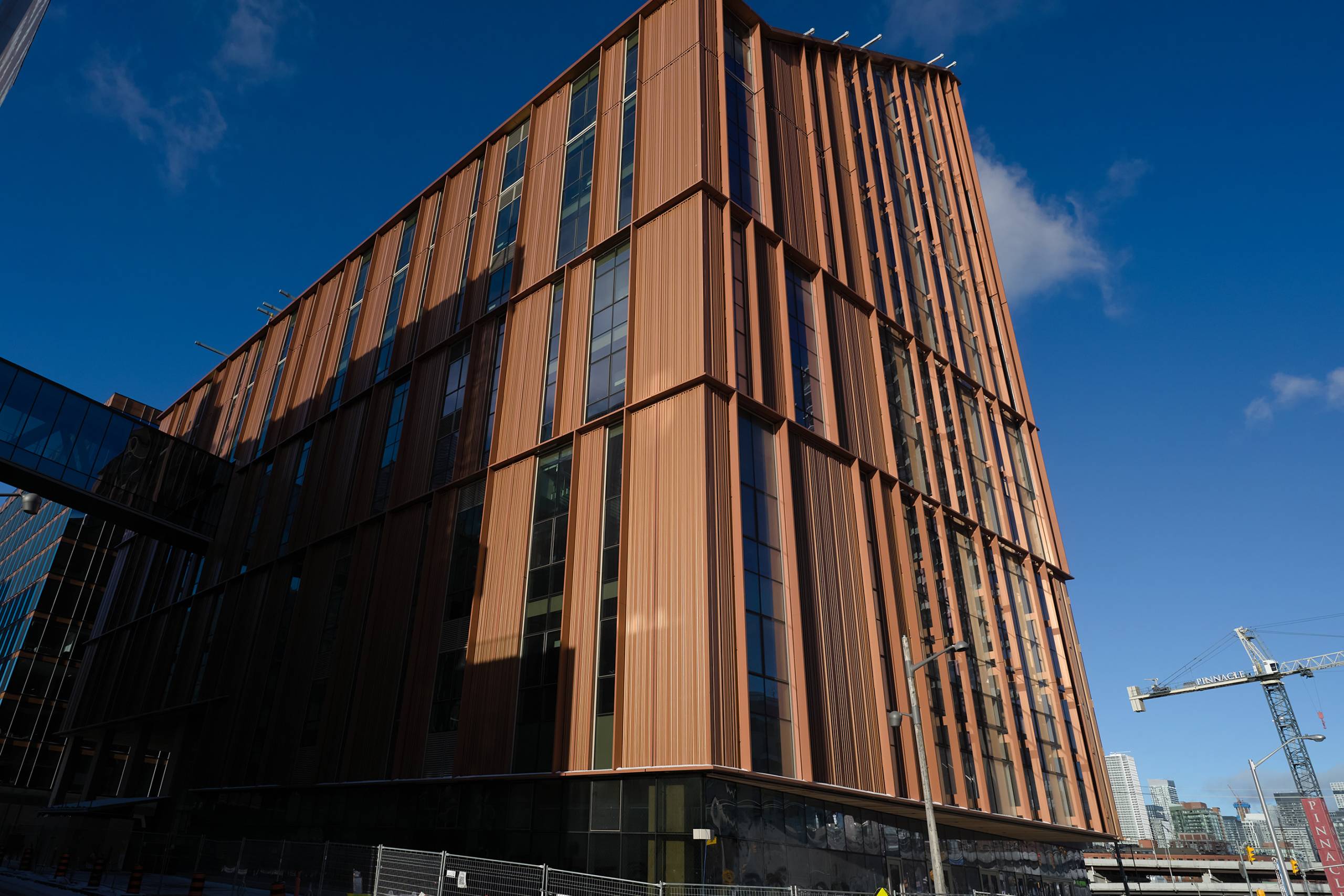
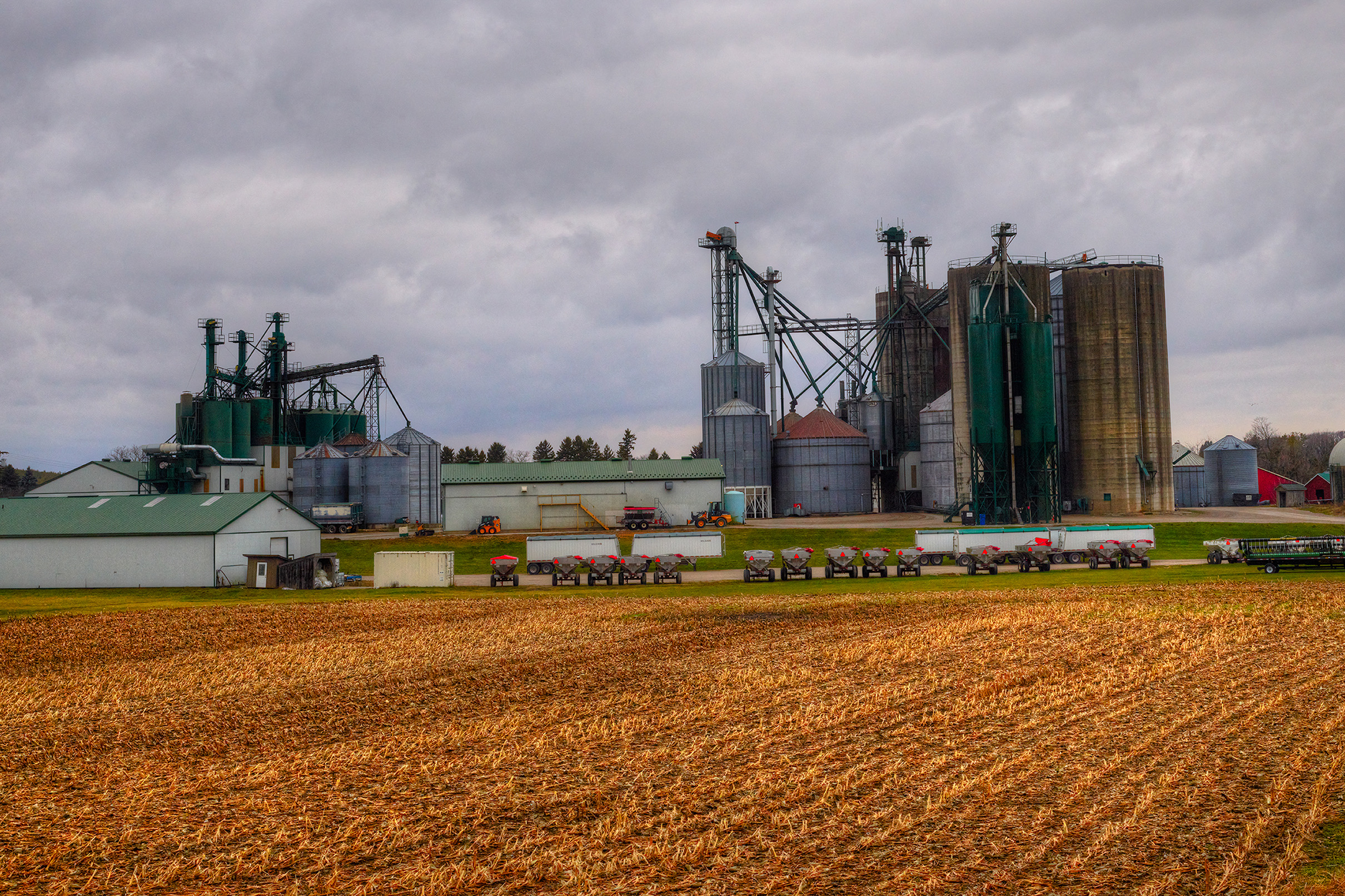
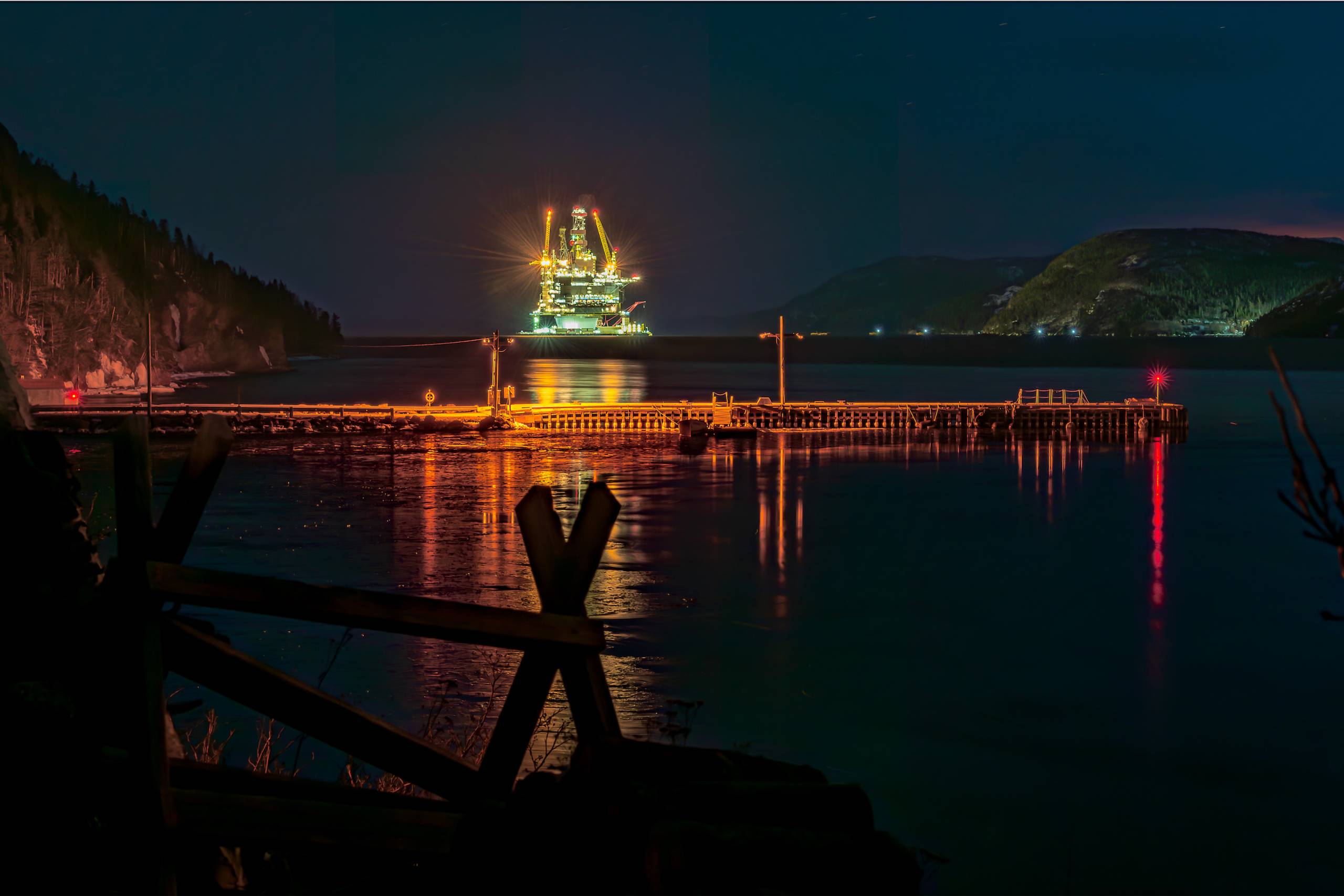
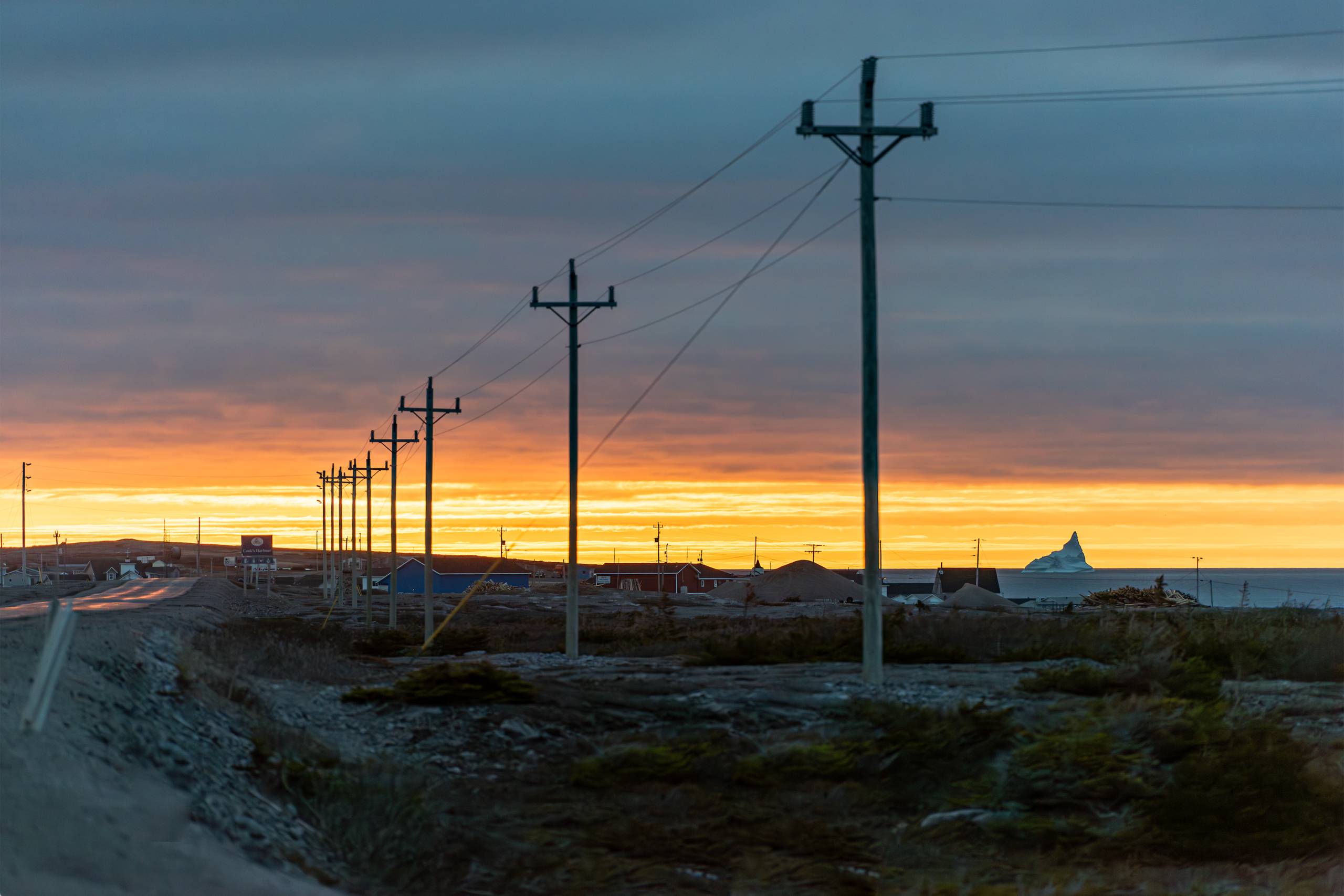
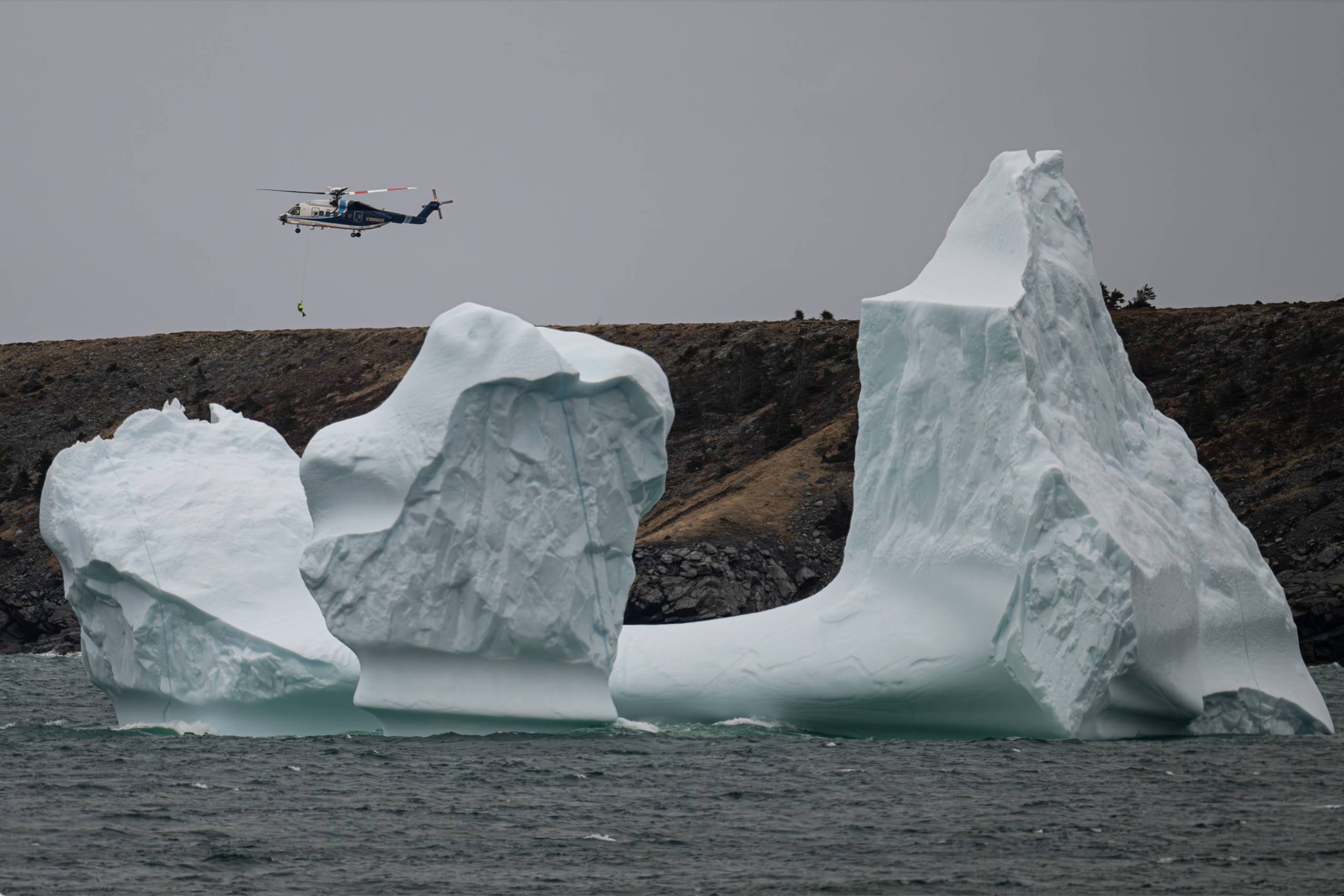
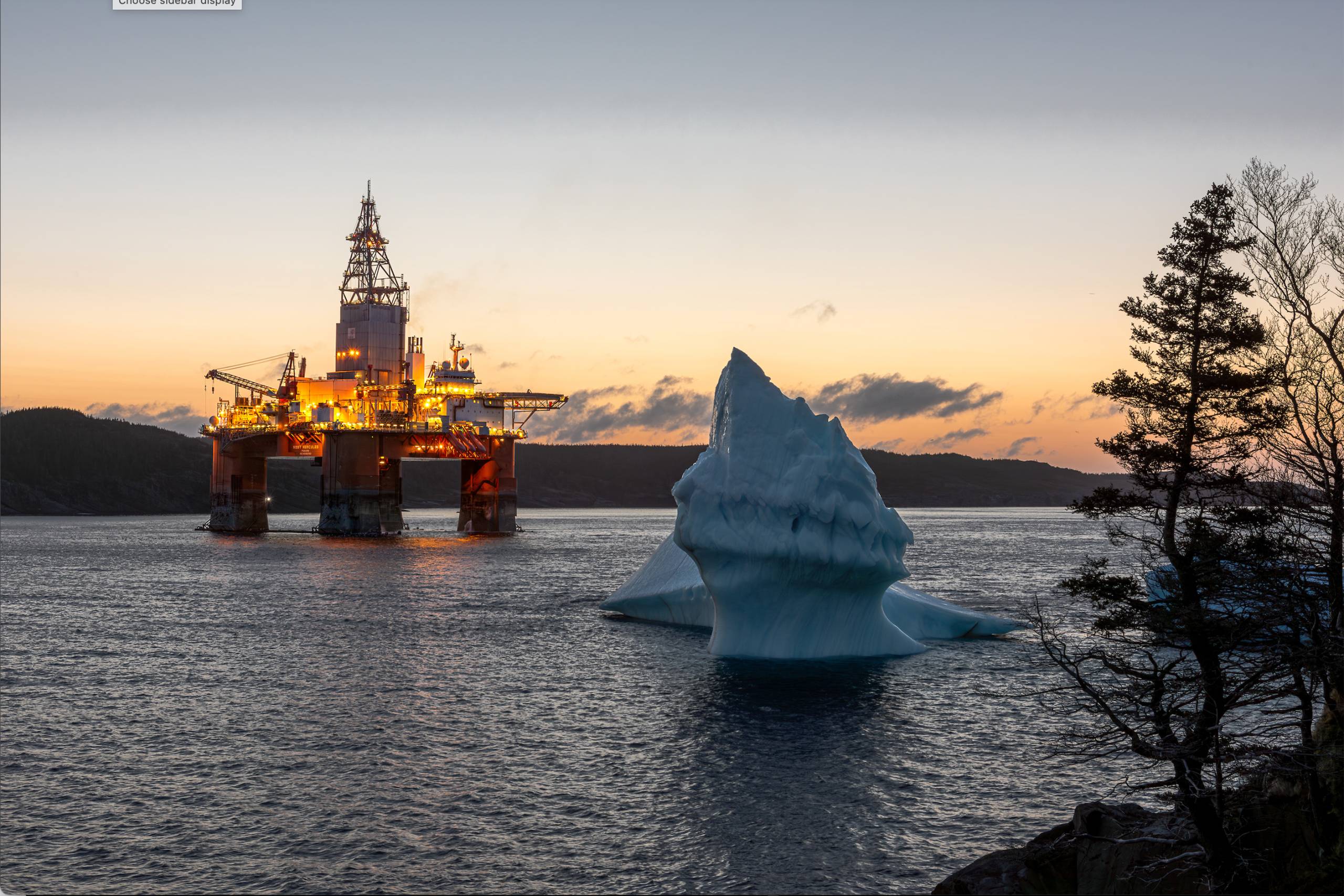
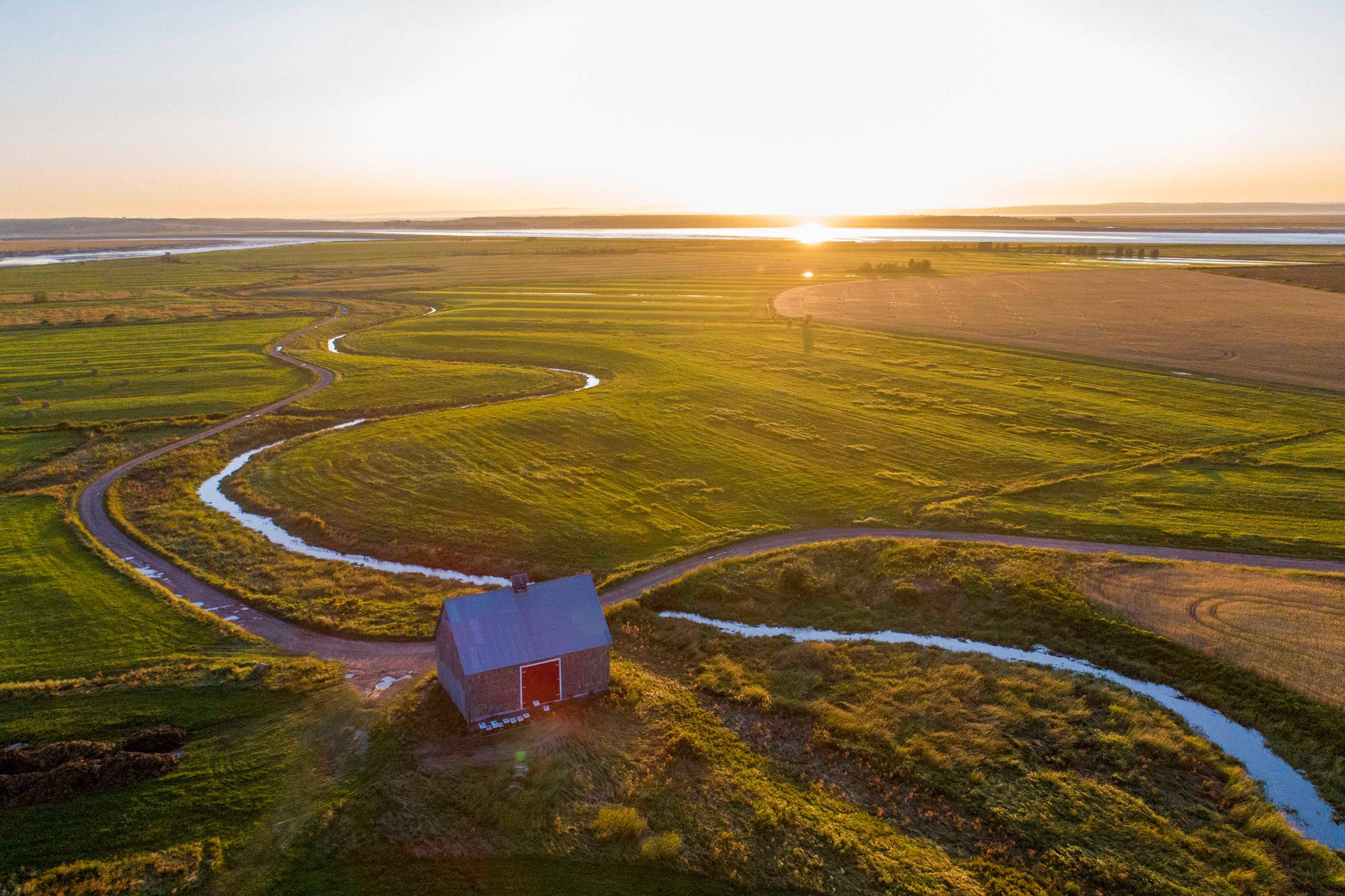
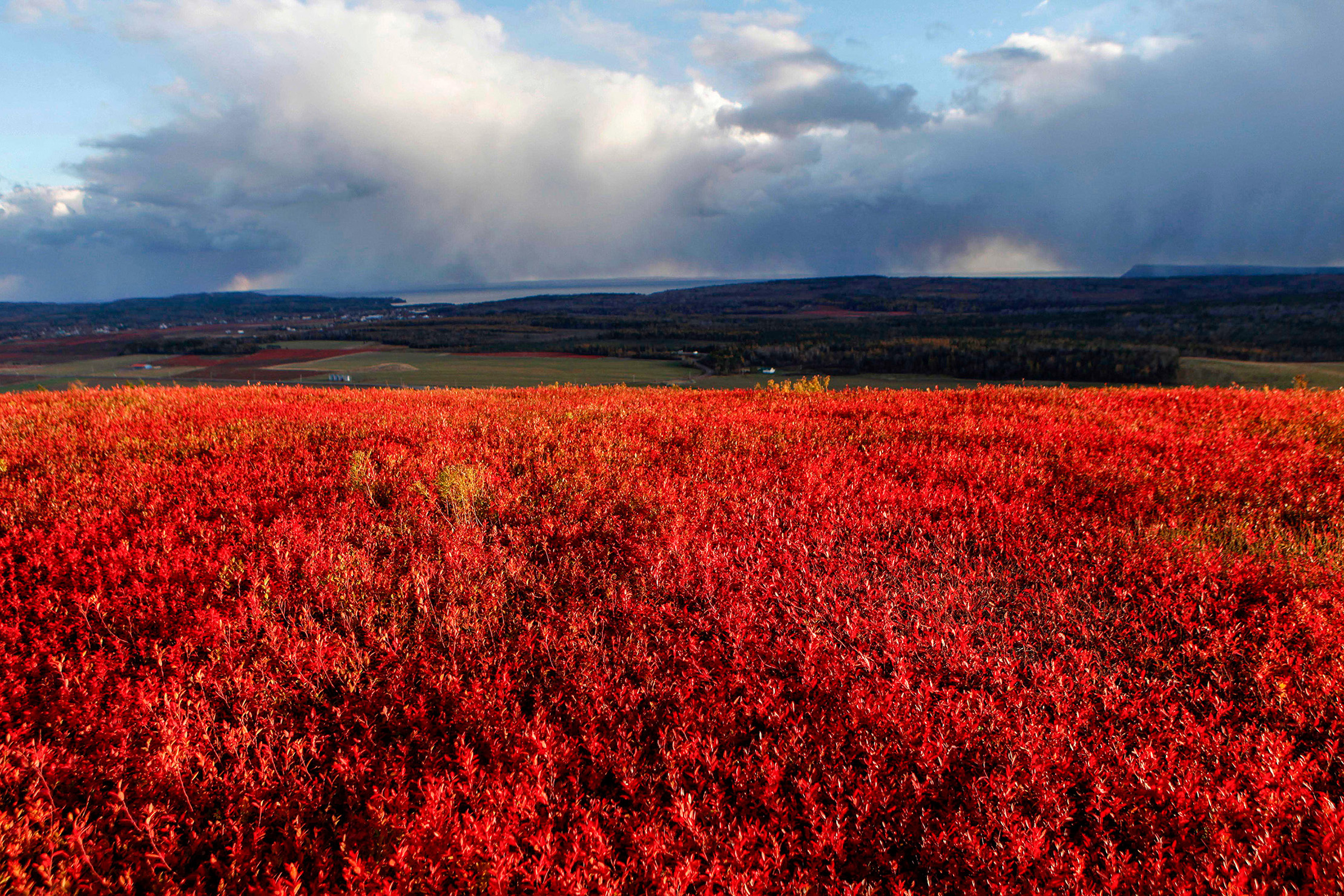
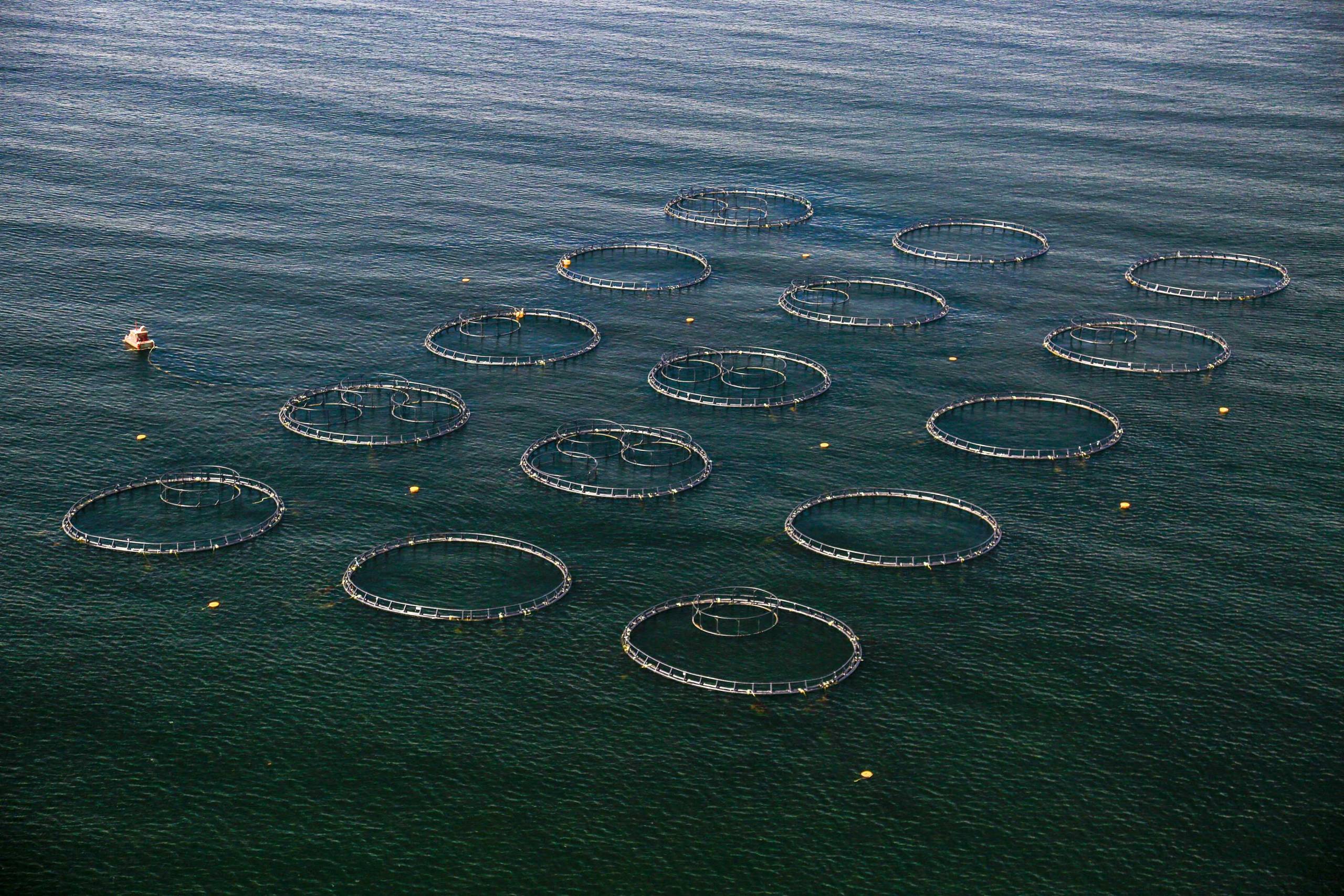
As part of our Climate Action 2025 report, we launched a national photography program to capture real-world examples of climate action across diverse sectors and regions. This collection highlights the unique stories of climate change, the juxtaposition of industry and nature, and some of the solutions in action. By bridging the gap between complexity and emotional connection, these images aim to inspire meaningful conversations and action. Explore this gallery to celebrate this group of photographers who set out to capture climate action in Canada.

Amanda Shalovelo

Amanda began photography when she was fourteen years old. She is self-taught and enjoys primarily photographing scenes from the backroads of the prairies of Saskatchewan. She has been featured in the Canadian Geographic calendars thirteen times and was recently shortlisted for Canadian Geographic’s upcoming Best Wildlife Photography 2024 special issue and the 2025 Wicked Weather Calendar for Canadian Geographic.

Harmony Le Reste

Harmony is a French photographer focusing her work on nature and the great outdoors. At the age of 22 in 2015, she moved to Montreal, Canada. This change of life was accompanied by the discovery of the wide-open spaces and wild nature characteristics of North America. She began working as a freelancer with the Tourist Offices in 2016 and traveled throughout Quebec. Since 2019, she also offers photo trips and workshops all around the world to aspiring nature photographers directly in the field.

Today, she juggles her multiple hats as a nature photographer, photo travel guide, artistic director and outdoor videographer.

Len Wagg

Len Wagg is an award-winning Canadian photographer, author and presenter. A visual storyteller for over three decades, he is well known for capturing the majestic beauty of his native Nova Scotia’s wildlife and salt-strewn landscapes. His assignments have taken him all the way from the deserts of Ethiopia to the cockpit of a CF-18 over Europe, and all across Canada. His images have appeared in newspapers and magazines around the world.

Marc Gilbert

With a passion for exploring Manitoba’s hidden gems, Marc Gilbert captures stunning images of its sprawling parks and serene rural landscapes. His bold and vibrant photographs evoke a sense of wonder, inspiring viewers to appreciate the beauty of the great outdoors.

See Marc’s full portfolio here.

Mitchell Milbury

Mitchell Milbury is a nature and landscape photographer from New Brunswick, Canada. Most of his photography work highlights the natural beauty of the Maritimes. He was raised in Woodstock, New Brunswick where he spent most of his childhood outdoors. Mitchell practices photography weekly by exploring the province of New Brunswick and creating images that showcase its rich natural environment.

Mitchell’s artwork has been exhibited in New Brunswick galleries, and has sold numerous prints of his artwork online.

You can see Mitchell’s artwork in his online portfolio.

Neil Dankoff

Neil was born and raised in Montreal where he studied Film & Communications at McGill University before heading west to Toronto in 1998. It was at this time that the first digital cameras began to emerge and Neil was instantly hooked. $1400.00 got him a 1.3 megapixel Olympus.

Neil was fortunate to have the opportunity to travel the world and develop his own style of panoramic, landscape photography. Using a Phase One, medium format camera, Neil’s unique approach and technique result in a distinct look that is easily recognizable. Each final piece consists of multiple images captured with varying exposures and focal points, all seamlessly put together in an effort to transport the viewer to a specific time and place.

Neil became a staple in the Toronto art scene and was represented by the prestigious Lonsdale Gallery. Over the next four years, the gallery featured Neil’s work in several solo exhibits.

In 2013, Derek and Kirsty Stern accompanied Neil on a photography trip to Africa. The trip was picture perfect and many more adventures were booked…Bora Bora, Hawaii, Iceland, China, Japan, France, Bolivia etc… In 2015, Neil, Derek and Kirsty opened Kandy Gallery in Montreal. Shortly after, Neil was commissioned by Hotel X Toronto in what would turn out to be the largest fine art photography transaction in Canadian history. He spent close to three years traveling the globe to capture over 800 landscape images for the one of a kind luxury resort hotel. In early 2018, Neil opened Kandy Gallery Toronto in the lobby of Hotel X Toronto and then Kandy Gallery Memphis was launched in December.

Ray Mackey

Ray is a Canadian Landscape & Nature photographer who has been capturing emotion and storylines through imagery for a lifetime and publishing them for the past 15 years. Ray’s travels to other parts of the world to seek out new imagery to capture is an ongoing passion; however, his published works largely focus on the shores of eastern Canada in Newfoundland and has led to being published and displayed in and on the covers of magazines along with other publications and Canadian embassies worldwide.

Read the full report at rbc.com/climateaction25.

Download the Report

Download

For more, go to rbc.com/climate.

Download the PDF

Download


In late May, the RBC Climate Action Institute held its inaugural youth Climate Action Event. We brought together industry executives and climate experts and 70 of Canada’s next generation of climate leaders to engage in some of our recent research and spark thoughtful debate and ideation on how to feed, fuel and house the world in a Net- Zero way. We set out to engage the next generation in our research and generate actionable ideas in agriculture, energy and housing sectors, that we can continue to drive forward in the coming years. But what we learned went much deeper than ideas. On top of critical thinking on how to address challenges in these key sectors with education and community engagement, participants challenged our industry panel on how to best put their efforts, education and enthusiasm to increase transparency and build trust. They challenged both RBC and our industry panel to make more space and time for youth voices as we continue to take climate action. Here’s some of what we took away:

1. Small actions can snowball into big impact

A single plant may not seem like much, but if every person in a community grew a native plant, it would help restore the entire ecosystem. As we heard from Megan Leslie, President and CEO of WWF Canada, collective small changes can add up quickly. WWF Canada’s re:grow program, an online platform that mobilizes Canadians to plant native species in their own spaces, will help restore one million hectares of complex ecosystems. Industry panelists also noted how participants could contribute to climate action through their career, including choosing where they work and informing decarbonization strategies internally to help drive change within their own organization. Other ways include bringing the “latest and greatest” science and technology to the table to inform and influence clients, financiers, and governments on new and sustainable ways of doing things.

2. Using systems to help shift consumer behaviour

Relying on government subsidies is not a long-term strategy so new approaches are needed to facilitate changes in consumer behaviour–both in what they are consuming and how much. We see this starting in schools with meatless days, farming and food programs. There are also programs that encourage sustainable behaviour such as expansion of public transport systems and policies that incentivize use of green retrofits (i.e. heat pumps). We know from RBC-Ipsos research that three-quarters of us felt that given the state of the economy, now is “not the right time” to spend money combatting climate change. We need to go deeper to facilitate change by implementing more systems that help consumers overcome perceived barriers to sustainable practices like lack of affordability, reliability, and access by: 1) instilling the benefits, impacts and outcomes of these choices early on, and 2) encouraging consumers to make better choices that don’t impact their quality of life.
3. Invest in tech

A major theme that emerged was investing in innovative decarbonization solutions during production, and technologies that can help consumers make better choices. In agriculture, we heard about using AI to reduce waste and optimize food production and promoting lab-grown meat to decrease the environmental footprint of traditional livestock farming. Buildings can become more energy-efficient through green building materials like mycelium mushroom concrete and automatic window blinds that adjust to natural light, reducing heating bills. In the energy sector, participants discussed the use of small modular reactors (SMRs), offshore wind farms, and nuclear fusion as cutting-edge solutions for clean energy, alongside better subsidies and infrastructure for electric vehicles (EVs) to make them more accessible and widespread. The focus was on thinking big, emphasizing the need for bold timelines in both the development and deployment of these solutions (think COVID-19 vaccine fast) and a tenfold increase in collaboration across consumers, governments and businesses to ensure we hit our 2030 climate targets.
4. Indigenous communities as collaborators

Attendees shared concerns that climate action doesn’t take into consideration the needs of all stakeholders. Critically lacking is collaboration and consultation with Indigenous communities who can leverage their knowledge as stewards of the land to prioritize resiliency and biodiversity over profitability. Deep engagement in development and decision-making processes can help implement initiatives that reflect the unique environmental, economic, and cultural contexts of each community—that are more likely to be embraced. A collaborative approach enhances the effectiveness of climate action, promotes resilience, and can aid in Canada’s reconciliation journey.

5. Corporations need to build trust

This takes us right to building trust with our communities. Communities won’t collaborate if they don’t see action being taken and commitments fulfilled. Everyone is fatigued by what they perceive to be empty corporate commitments on climate. Attendees shared that their trust in corporations is eroding, and according to Edelman Trust Barometer, only 51% of people trust businesses to do what is right when it comes to climate change. As much as a third of respondents said companies are falling short on living up to their climate commitments . To rebuild that trust, organizations, including RBC, need to be transparent about our commitments, follow through on them and expect to be held accountable if we don’t.

6. Talk less, listen more

An equally important step to building trust is continuously engaging in meaningful—and sometimes uncomfortable—dialogue with young people who want their voices heard. Where appropriate, we must provide adequate time and space for young leaders to connect with decision makers in meaningful, respectful ways. The new generation wants to be a part of free and frank discussions that address their questions and helps them analyze their role in fighting climate change.