Canada and Alberta’s recent agreement-in-principle on methane equivalency sets a 75% reduction target in oil and gas methane emissions by 2035, relative to 2014 levels.1 It could prove to be consequential for the country’s climate ambitions: methane has roughly 80 times the warming impact of CO₂ over a 20-year period and accounts for nearly a quarter of the sector’s total greenhouse gas emissions, making it one of the lowest-cost, highest-impact levers for near-term climate progress.

For oil and gas producers, methane emissions measurement and performance now has greater flexibility on implementation but brings verification to the forefront.

In many instances, things are already up and running among oil and gas operators as several key methane emissions abatement technologies are well established, including:

  • Vapour recovery units that capture gas from storage tanks that would otherwise be vented;

  • Low-bleed pneumatic devices that eliminate routine methane releases from instruments controlling valves and pumps;

  • Compressor seal replacements that prevent leaks from pressurized equipment;

  • Leak detection and repair programs that use optical gas imaging and continuous monitors to find and tackle fugitive emissions.

Collectively, these technologies could reduce emissions by more than three million tonnes per year, representing roughly 1% of Alberta’s annual emissions.2

The province has deployed them at scale. Alberta has invested $172 million in methane reduction technology since 2019, including the installation of more than 58,000 low- or no-bleed devices. The outcomes are tangible: government-funded programs have prevented an estimated 17 million tonnes of emissions from being released, according to the Alberta government. A $25-million implementation program helped 49 operators deploy equipment across more than 650 sites at abatement costs below $50 per tonne.3

Canada’s broader methane mitigation sector has grown to more than 130 firms, with compliance actions under the enhanced regulations projected to generate 34,000 jobs from 2027 to 2040.

However, the progress is not without its headwinds. Alberta had frozen the TIER Fund credit price at $95 per tonne in May 2025, well below the federal trajectory to $170, citing U.S. tariff pressures.4 The MoU commits both governments to a minimum effective price of $130 per tonne, but days after signing, Alberta introduced amendments that flooded the credit market.

While the agreement is promising, success depends on transparent verification, particularly given that a multi-year aerial campaign found Western Canadian oil and gas methane emissions were nearly twice official inventories.5 Canada acknowledged this when it updated its methodology, resulting in a more than 35% increase in reported fugitive emissions.6 The agreement’s commitment to independent third-party assessment may prove its most consequential element.

Norway has the world’s lowest methane intensity thanks to a flaring ban dating back to 1971, but its oil and gas sector is a fraction of Canada’s scale.7 The IEA’s Global Methane Tracker 2025 places Canada’s upstream intensity at approximately 0.40 kg methane/GJ, below the global average of 0.55 kg methane/GJ and well ahead of Russia, Iran, and Turkmenistan, but higher than Norway and Saudi Arabia.8

The EU’s Methane Regulation, the world’s first legally binding standard, will require importers to report methane intensity from 2028 and meet maximum intensity thresholds by 2030, connecting low-methane performance with market access, potentially creating an advantage for producers that can compete on methane intensity.9

Private capital is tracking the signal. One recent example is Montreal-based GHGSat, which raised $47 million in September 2025, bringing total financing to $173 million, backed by Canadian entities Yaletown Partners, BDC Capital, and National Bank.10 The company now operates 16 methane-detecting satellites and has partnered with ExxonMobil and Aramco.

A draft equivalency agreement is expected for 60-day public consultation later this year. The signals point toward a tightening global methane regime: EU import standards by 2030; Japan and South Korea seeking lower-carbon gas supply; and the Global Methane Pledge, endorsed by 159 countries.

  • Canada is one of only six countries with a domestically designed and exportable nuclear technology portfolio. That strategic leverage positions Canada to shape global energy security and forge long-term alliances.

  • Canada can take advantage of rising global interest in nuclear power. The United States has ambitions to quadruple its nuclear capacity, and more than 30 other nations have pledged to triple nuclear capacity by 2050.Canada can offer proven value across the nuclear supply chain to help scale the growing global market.

  • Uranium is the U.S.’s structural vulnerability—and Canada’s advantage. U.S. nuclear reactors require 25,355 tonnes of uranium annually, but sources only 8% of that requirement domestically. Canada, which has the world’s third-largest uranium resources and is ramping up production, is establishing its anchoring role in North America’s nuclear fuel supply chains with its high-quality deposits, reliable production, and geopolitical stability.

  • Canada’s nuclear supply chain is primed for expansion but sits at a strategic inflection point. Ontario’s successful nuclear refurbishment projects have preserved high-value nuclear manufacturing and engineering capabilities and have demonstrated that large-scale nuclear projects can be delivered ahead of schedule and under budget. But future competitiveness depends on sufficient policy clarity, project pipelines, and new nuclear build success to justify sustained investment and expansion.

  • Canada faces three credible, and not mutually exclusive, nuclear futures. Canada can anchor its strategy around: (1) uranium and fuel security; (2) lead in technology through pressurized heavy water reactors (PHWRs) and light water small modular reactors (SMRs); or (3) integrate more deeply into a North American nuclear build-out.

  • Canada needs to move fast to execute its nuclear ambition. Civil nuclear competitors are pairing technology with financing, diplomacy, and long-term partnerships as global interest in nuclear power surges. The window is narrowing for Canada to translate intentions into lasting influence. It could prove to be a multi-billion-dollar exporting opportunity as nuclear investments need to nearly double to US$120 billion annually by 2030 to double nuclear capacity, according to one International Energy Agency scenario.

Following a period of stagnation in the Western world, nuclear power is making a comeback—a global resurgence driven by the rising power demand of artificial intelligence, the energy security concerns, and shifting industrial policy.

The technology sector, facing imminent increases in power demand thanks to AI data centres, is a key driver of nuclear’s resurgence, with companies like Google, Microsoft, Meta, and Amazon signing agreements with conventional nuclear power producers and advanced nuclear technology companies. Google signed a 25-year power purchase agreement with NextEra Energy to restart the Duane Arnold Energy Centre in Iowa, a 610MW plant offline since 2020,1 provided early-stage capital to Elementl Power to develop three advanced nuclear sites in the U.S.2 and partnered with Small Modular Reactor (SMR) company Kairos Power and the Tennessee Valley Authority on a reactor demonstration project.3 Amazon has invested over US$1 billion in nuclear projects and technologies,4 including a stake in the advanced SMR company X-Energy.5 And Meta, looking to secure reliable, long-term electricity supplies to power its AI ambitions, inked 20-year agreements to buy energy from three U.S. nuclear plants (Meta also committed to developing small modular reactors with two companies). These deals will provide the company with 6.6 gigawatts of power by 2035, according to Meta.6

Beyond the growing power needs of artificial intelligence, energy security concerns, particularly in Europe, are driving the reversal of nuclear phaseout plans and the development of new nuclear strategies. Italy has recently begun exploring the reintroduction of nuclear power into the country’s energy mix, almost four decades after its last plant was shut down.7 Denmark is actively considering nuclear power,8 and Norway has begun impact assessment studies for a potential SMR.9 The European Commission is also developing a strategy targeting SMR deployment by the 2030s.10

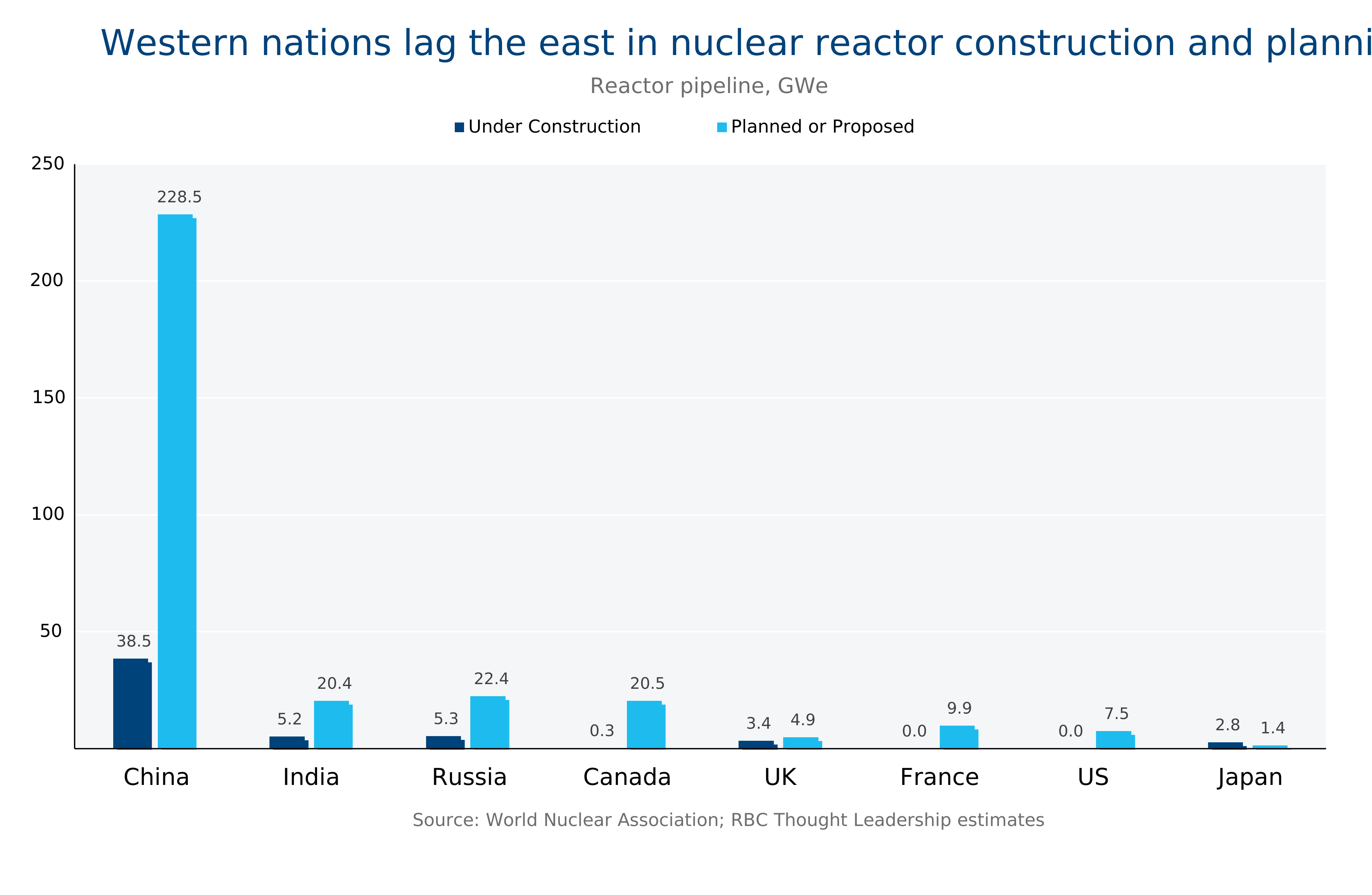
Western nations lag the east in nuclear reactor construction and planning

Yet nuclear’s resurgence in the West faces significant challenges. Most notably, reactor construction projects across several Western nations have been marked by cost and schedule overruns that have raised execution risk and hampered financing. The Vogtle 3 and 4 projects in Georgia, the first new reactor projects in the U.S. in decades, were built at an estimated cost of US$36.8 billion as of 2014, relative to an original estimated cost of US$14 billion.11 The Flamanville 3 project in France connected to the grid in December 2024, twelve years behind schedule, at a cost of €13.2 billion, quadruple the initial cost estimate.12 The U.K.’s Hinckley Point C project remains under construction, and is now projected to cost £49 billion, nearly triple the £18 billion estimate when it commenced construction in 2017, with Unit 1 not expected online before 2030.13 And in the U.S., the V.C. Summer nuclear project in South Carolina was abandoned in 2017 following project delays and cost overruns.14   

But with interest in nuclear resurgent, worldwide capacity could grow 75% to roughly 730GW by 2050 under current policies, according to the International Energy Agency.15 

For its part, the U.S. is aiming to quadruple what is already the world’s largest nuclear reactor fleet by 2050 (up from its previous goal to triple capacity), strengthen its supply chain, and modernize nuclear fuel supplies. The U.S. is advancing rapidly on next-generation nuclear technology, committing about US$5 billion in federal funding to small modular and advanced reactor research, demonstration, and early deployment through U.S. Department of Energy programs.

China, meanwhile, is building an additional 38.5GW of capacity16, while Russia is leveraging nuclear energy for its Arctic, industrial and foreign policy goals, extending its state-backed reactor export model.

With significant uranium reserves and deep nuclear technology expertise, Canada is one of only six countries with domestic and exportable nuclear technology portfolios. And it is embarking on a new nuclear construction program that could become one of the largest in the West if the full suite of projects proceeds as planned. Construction of the G7’s first Small Modular Reactor (SMR) has started at the Darlington nuclear site in Clarington, Ontario, and several of Canada’s nuclear reactors have been successfully refurbished ahead of schedule and under budget, bucking the cost overrun trend of nuclear projects in other Western countries.

Simply put, Canada has an opportunity to play a key role in nuclear’s resurgence—from anchoring global uranium and fuel supply to leading in nuclear technology and service exports to its allies, scaling North American nuclear supply chains, and enhancing global nuclear exports.

Here are some of the goals and requirements for each pathway.

The Goal

As global reactors restart, stable uranium mining and nuclear fuel services (conversion, enrichment, fabrication) become increasingly critical to energy and security. Canada’s world-class uranium deposits and uranium conversion expertise anchor allied nuclear fuel security in North America and abroad, guarding against energy insecurity and resource nationalization risks.

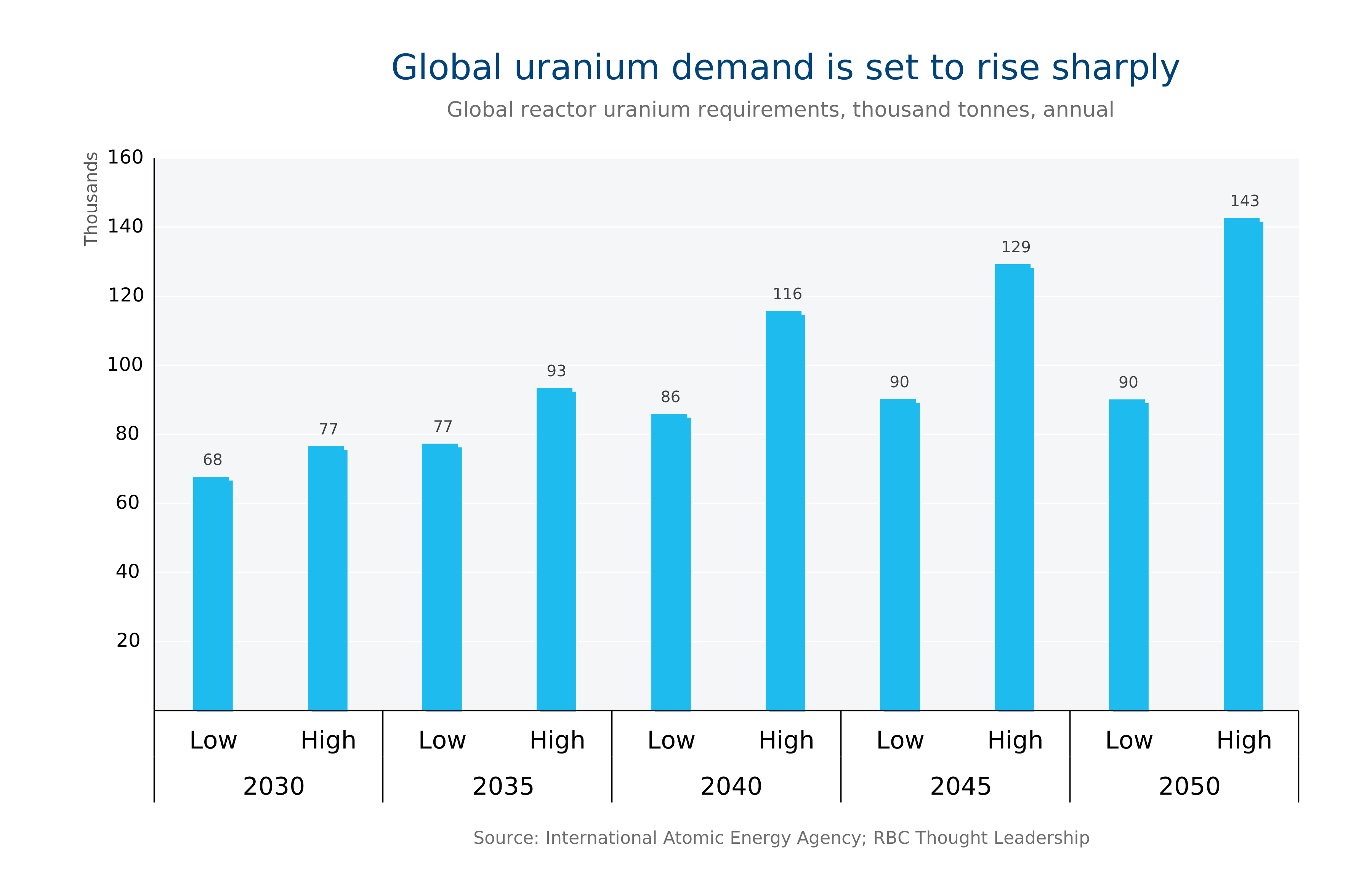
Global uranium demand is set to rise sharply

Leveraging Canada’s Advantage

Planned and under-construction reactors will increase global uranium requirements as they come online, necessitating new mines as existing resource quality drops and supplies of secondary uranium become more constrained.

Canada is home to the world’s third largest uranium resources after Australia and Kazakhstan,17 and already plays a key role in anchoring nuclear fuel supply chains thanks to its high-quality deposits, reliable production, geopolitical stability, and fuel manufacturing expertise.

Ongoing expansion of existing projects and new mines in Saskatchewan will enhance Canada’s position as a key energy security pillar for allies in North America and globally. By building on its strengths in uranium conversion (Canada holds 18% of global uranium conversion capacity),18 Canada can strengthen fuel services stability for an expanding nuclear fleet in North America and abroad.

Pathways to Success

The U.S.’s nuclear reactor fleet already has key energy security vulnerabilities, with 20% of its enriched uranium sourced from Russia in 2024.19 U.S. policy efforts have sought to reduce the dependence with proposed investments in spent fuel reprocessing, and the previous administration’s ban on Russian enriched uranium imports (Russia controls 40% of global enrichment capacity)20. However, even with potential expansion of enrichment infrastructure, the U.S. will remain dependent on uranium imports, with domestic production currently a fraction of annual reactor requirements. U.S. nuclear reactor operators purchased 25,355 tonnes of uranium in 2024, with only 8% sourced domestically, with Canada providing the greatest source of U.S. purchases at 36% of the total.21 Continued U.S.–Canada partnership on uranium will be critical for the security of the U.S.’s nuclear fuel supply. While Canada is currently self-sufficient in uranium and fuel manufacturing thanks to reactors that run on natural uranium, future nuclear reactors, such as SMRs and potentially large light water reactors, will necessitate enriched uranium for fuel, potentially strengthening the case for Canada to seek domestic enrichment capabilities.  

The Goal

Leveraging its existing technology expertise and expanding its domestic large-scale nuclear program alongside growing expertise in SMR deployment would strengthen Canada’s energy and economic security domestically. It would also provide a differentiated portfolio of reactor technologies, engineering and operational services, and regulatory support for new and existing nuclear jurisdictions.

Leveraging Canada’s Advantage

Canada’s experience in the Candu pressurized heavy water reactor (PHWR) design, construction, and operation, underpins a 17-reactor strong fleet across Ontario and New Brunswick and 12 units exported internationally since the 1970s.22 Fuelled by natural uranium, Canadian reactors do not rely on enriched uranium fuels, enabling independence from a concentrated set of enrichment suppliers, an increasingly valuable attribute as energy independence gains traction globally. Modern, gigawatt-scale designs and upgraded versions of existing reactors could expand Canada’s reactor portfolio if they are licensed and proven commercially at home. Simultaneously, successful construction and operation of grid-scale light water SMRs in Ontario would cement Canada’s position as a first mover and operator in this technology, allowing Canadian nuclear suppliers and operators to market their construction, operational and regulatory expertise to new markets.

Combined, these capabilities could position Canada among a handful of countries with credible expertise and export capability across a portfolio of technologies ranging from large nuclear reactors to small modular reactors.

Such a nuclear energy strategy could also provide a boost for the more than 200 domestic nuclear component manufacturers supporting Canada’s program. PHWR and SMR deployments abroad could enable value capture for Canada across the full reactor lifecycle, from uranium and fuel services supply, regulatory support, reactor construction and operation, through refurbishments, and decommissioning—even with some supply chain localization in partner countries.

Pathways to Success

Experience from early SMR projects will enable the Canadian nuclear sector, and partners across the supply chain, construction, and engineering services, to anchor global deployment.  Poland,23 Hungary,24 and Bulgaria25 alone could represent a potential pipeline of up to 40 SMRs, providing a critical early market for Canada starting in the 2030s, as domestic deployment of large reactors sets the stage for international exports later into the decade. To succeed, Canada’s local deployments will need to be delivered and operated successfully, backed by the expansion of its supply chain and nuclear manufacturing base beyond its current refurbishment-ready capabilities. Key manufacturing gaps, such as reactor vessels and heavy water production for new reactors, will need to be closed. Canada will also need to expand its nuclear talent pool to prepare for reactor construction, as well as preserve existing expertise, as global deployments create competition for talent.

The Goal

Integrating more deeply into the U.S. supply chain (including reactor component manufacturing, construction, and deployment) would give Canada access to an established export pipeline for large light water nuclear reactors. Favourable commercial negotiations and cross-border intellectual property transfer could enable Canada to partially localize supply chains for U.S.-origin large reactor components, allowing Canada to support domestic construction programs and support foreign reactor construction.

Leveraging Canada’s Advantage

U.S.–Canada civil nuclear cooperation is rooted in decades of technology collaboration and expertise exchange. Although Canada and the U.S. operate different nuclear reactor technologies today and have distinct nuclear regulatory procedures, the two nations have formally collaborated on several advanced nuclear technologies such as next-generation SMR fuels and light water SMRs through joint technical work between each nation’s regulators.26

A traditionally single-technology nuclear nation, Canada could expand its large nuclear reactor fleet to include U.S.-origin designs such as the AP-1000, which benefits from more than a decade of operating experience in the U.S. and China. This could lower construction risk for gigawatt-scale reactors in Canada by leveraging lessons learned from prior construction projects in the U.S. and China, and enable Canada’s nuclear supply chain to expand, and selectively access a global export pipeline. Currently, 20 AP-1000 reactors have been contracted in markets such as Poland, Bulgaria, Ukraine, and India,27 and Canadian manufacturers have signed memorandums of understanding for the potential supply of  components such as valves and flow control equipment,28 as well as steam generators, pressure vessels, and heat exchangers.29

 Canadian manufacturers have already provided components such as valves30 and fabrication services for reactor modules31 to U.S. nuclear projects such as Georgia’s Vogtle 3 and 4 reactors. U.S. nuclear supply chains, which lay largely dormant until the Vogtle projects lack the capacity to scale reactor construction to the levels envisaged under the U.S. government’s ambitions,32 could create opportunities for Canadian manufacturers if projects proceed to construction. The Canadian nuclear supply chain already hosts more than two dozen companies with nuclear certifications from the American Society of Mechanical Engineers, covering core nuclear components, safety systems, and relief systems,33 evidence of an established, licensable industrial base capable of supporting large-scale reactor deployment.

Pathways to Success

For deeper North American supply chain integration to succeed, Canada will need to secure and increase domestic manufacturing and export opportunities as the U.S. builds out its nuclear industrial base. Washington has increasingly framed nuclear energy as a strategic economic sector, with industrial policy playing a growing role alongside commercial considerations. Recent agreements between the U.S. federal government and nuclear sector partners reflect this orientation, positioning reactor deployment as a vehicle for U.S. industrial renewal. The trajectory of existing U.S.–Canada trade dynamics, such as tariffs on Canadian-manufactured components, alongside commercial negotiations, will determine the extent to which Canada is able to localize manufacturing and scale current exports to the U.S.

  • Eighty years ago, Canada became the second country, behind only the United States, to achieve sustained nuclear fission thanks to the work on the experimental Zero Energy Experimental Pile (ZEEP) reactor at the Chalk River Laboratories in Ontario.34

  • Canada’s domestic, pressurized heavy water nuclear reactor technology, the Candu, supplies 15% of the country’s electricity through 16 reactors in Ontario and one reactor in New Brunswick.35

  • The Canadian nuclear sector employs roughly 89,000 people,36 and is a major producer of medical isotopes, like Cobalt-60 for cancer treatment and medical sterilization, through its nuclear reactors.

  • Canada leads in next-generation nuclear technologies, having developed the world’s first SMR roadmap in 2018 and is building the G7’s first SMR near Toronto, a project that will eventually supply 300MW of capacity, enough to power 300,000 homes with reliable, zero-emission power.

  • Canada is advancing rapidly on its deep geological repository, a culmination of years of stakeholder engagement and Indigenous engagement, entering the impact assessment process, bringing the country closer to a single solution for the long-term responsible management of spent nuclear fuel.

As Canada expands its nuclear power industry, it needs to enhance and refine several areas across the supply chain.

  • Establish a comprehensive nuclear strategy. Centred on energy and economic security and a fleet-based approach for deployment, a pan-Canadian comprehensive strategy—in coordination with Ontario and other provinces, industry and universities—can improve certainty needed for supply chain investment, workforce development, inter-provincial cooperation, and international partnerships. It could integrate deployment targets, construction timelines for major projects, and technology pathway clarity with the goal of ensuring future energy and economic security.

  • Develop a competitive nuclear export financing and diplomatic infrastructure. A dedicated nuclear export financing facility, supporting a multi-technology reactor portfolio including SMRs, could improve Canada’s competitiveness as an exporter of nuclear reactors, components, and expertise. It could be paired with enhanced diplomatic infrastructure, with dedicated nuclear trade commissioners and the integration of civil nuclear cooperation into Canada’s foreign policy strategy.

  • Build and maintain a nuclear-skilled workforce. Skills development planning, including expansion of apprenticeship programs, visa fast-tracks for nuclear specialists, university partnerships, and training facilities tied to deployment timelines could smooth the way for large-scale nuclear deployment.

  • Close critical supply-chain gaps and support expansion. Canada’s nuclear supply chain will need to scale heavy water production and close gaps in calandria manufacturing and zirconium supply for fuel cladding, while supporting local suppliers to remain competitive against manufacturers in other civil nuclear jurisdictions like China. The nuclear supply chain can provide an avenue for manufacturers from other sectors (e.g., the automotive industry) to diversify into, but can benefit from targeted support for high-cost and time-intensive nuclear component manufacturing certifications from professional bodies such as the Canadian Standards Association and the American Society of Mechanical Engineers.

  • Protect uranium value chain and strengthen fuel security. Growing mining capacity, expanding conversion infrastructure to capture more value-added services along the nuclear fuel cycle, and assessing advanced fuel requirements and potential expansion of Canada’s fuel capabilities into areas such as fuel fabrication for light water nuclear reactors and enrichment will prepare Canada and its allies for an energy secure future regardless of technology.

Download the Report

RBC Thought Leadership is grateful to the following individuals and organizations for sharing their expertise.

Atkins Realis

Atomic Energy of Canada Limited

BWXT Canada

Cameco Corporation

Canadian Nuclear Safety Commission

Conexus Nuclear Inc.

David Paterson

Jacquie Hoornweg

Laurentis Energy Partners

Michelle Leslie

Milt Caplan, MZ Consulting

Norm Sawyer, ION Nuclear Consulting

Ontario Power Generation

RBC Capital Markets

SMR Forum

The Breakthrough Institute

The Canadian Association of Small Modular Reactors

The Canadian Nuclear Association

The Organization of Canadian Nuclear Industries

The World Nuclear Association

Westinghouse Canada

Investment in next-generation geothermal technologies is surging globally, driven by recent breakthroughs in drilling technology that are rapidly transforming the economics and viability of geothermal electricity generation. According to the International Energy Agency (IEA) and data from Underground Ventures, a geothermal-focused venture investor, financing for next-generation geothermal reached roughly CAD$3 billion in 2025.1 The U.S. and Indonesia lead the world in investment in geothermal power and heating projects.2

While Canada possesses world-class subsurface expertise, hot geothermal gradients spanning western and northwestern regions, and companies like Eavor, DEEP Earth Energy, and Tu Deh-Kah Geothermal, domestic deployment lags dramatically. Canada currently generates less than six megawatts (MW) of geothermal power, representing 0.004% of the country’s installed capacity.3

According to the IEA, global investment in geothermal energy could reach CAD$3 trillion by 20504 as nations seek reliable, zero-emission baseload power to complement intermittent renewables. Advanced technologies are key to scaling geothermal, which has traditionally been confined to specific areas with the right geology. Two technologies stand out: (1) Enhanced geothermal systems (EGS), which borrow shale drilling technology, create new fractures in hot underground rocks, inject fluids and use the steam to generate geothermal power;5 (2) Closed Loop Geothermal (CLG) systems also deploys advanced drilling and injects liquid through underground pipes to generate electricity.6 7

Recent innovations are dramatically reducing costs. Improved drilling techniques borrowed from oil and gas, including polycrystalline diamond compact drill bits and real-time fibre optic monitoring, are cutting well costs by up to 12-26% compared to earlier estimates.8 Companies like Houston-based Fervo Energy have demonstrated sustained 8-10 MW output from single production wells at their Cape Station project in Utah, validating the commercial viability of EGS.9 New techno-economic analysis shows that in high-gradient regions like British Columbia’s Mount Meager or the Northwest Territories’ Liard Basin, levelized costs of energy for EGS could fall to CAD$45-53/MWh with continued innovation, competitive with combined-cycle gas and cheaper than new nuclear.10

The opportunity could be significant.

Recent research on Baker Lake, Nunavut, reveals that previously dismissed regions of the Canadian Shield may hold viable deep geothermal resources. At a measured gradient of 28°C/km, significantly higher than earlier national estimates, modelling indicates a 90% likelihood that a four-kilometre deep system could meet the community’s heating demand, with potential for electricity generation at 7-8 kilometre depth.11

Saskatchewan is already leveraging its oil and gas expertise.

Saskatoon-based DEEP Earth Energy has partnered with oilfield services company SLB to develop Canada’s first commercial-scale geothermal power facility near Estevan, near the Saskatchewan-North-Dakota border. Phase 1 involves drilling two wells, with Phase 2 potentially scaling to 18 wells producing 30 MW.12 This project leverages the Western Canadian Sedimentary Basin’s hot sedimentary aquifers and demonstrates that Canada’s oil and gas infrastructure, rigs, drilling expertise, and supply chains, can be applied to geothermal development.

Yet regulatory fragmentation threatens to stall momentum.

Only Alberta, British Columbia, and Nova Scotia have geothermal-specific legislation. There is no national strategy, no coordinated R&D agenda, and insufficient financial de-risking tools to accelerate early-stage projects. A national regulatory template that provinces could rapidly adapt to their own specific needs alongside government-backed initiatives like the Alberta Drilling Accelerator (ADA) could help to catalyse geothermal in Canada by reducing drilling costs, developing high-temperature tools, and optimizing reservoir stimulation.

The window for Canadian leadership is closing.

The U.S. Department of Energy’s Enhanced Geothermal Shot targets electricity costs below CAD$61/MWh by 2035.13 with billions in funding. Tech giants including Google, Meta, and Microsoft are investing heavily in geothermal partnerships. China, Indonesia, and the Philippines are rapidly expanding deployment. If Canada does not act with coordinated policy, regulatory harmonization, and strategic R&D investment, it risks squandering subsurface expertise and geological endowment that offer natural advantages.


Vivan Sorab is Clean Technology Lead at RBC Thought Leadership

A COP28 declaration by 25 countries in 2023 to triple nuclear capacity by 2050 sets the stage for a new race to deploy nuclear power. Several structural shifts have only accelerated that momentum, driven by nuclear’s competitive advantage to power artificial intelligence data centres and advanced manufacturing, and the criticality of energy security in a changing geopolitical order.

Where does Canada stand in a world that is re-embracing nuclear power?

Canada has a window of opportunity but must race to capture it. Its key advantages are its first-mover status on the construction of a grid-scale Small Modular Reactor (SMR) just east of Toronto and an 80-year track record as a formidable civil nuclear power.

Expected to come online by 2030, the SMR power plant in Darlington is Canada’s first new reactor in three decades and has the potential to power 300,000 homes. Crucially, it showcases Ontario’s nuclear prowess, paving the way for its operational and supply-chain expertise to power grids from Saskatchewan to Tennessee to Poland.

But competitors are also on the move. The Trump administration’s Nuclear Reactor Pilot Program aims to have at least three advanced nuclear test reactors achieve an advanced stage by the summer of 2026. China’s SMR program is also advancing, with the demonstration project of its domestic ACP-100 design achieving new construction milestones in 2025.

RBC Thought Leadership’s Vivan Sorab moderates a panel – The Role of SMRs in a Global Tripling of Nuclear Capacity – at the Canadian Association of Small Modular Reactors SMR Forum 2025 in Edmonton.

Canada’s continued success hinges on it bolstering its nuclear sector to deliver new capacity for power and non-power applications, and strengthening fuel supply for tomorrow’s nuclear fleet.

Here’s what’s needed for Canada to succeed:

Anchor nuclear fuel supply around Canadian uranium. Potential reductions in secondary uranium supplies and the emergence of SMRs in the 2030s and 2040s will reconfigure nuclear fuel supply chains, increasing the need for uranium concentrate, conversion, enrichment, and fuel fabrication services. Canada’s world-class uranium deposits and its expertise in uranium milling and conversion are key advantages, and can help anchor a North American—and global—nuclear fuel supply chain.

Collaborate with the U.S. to unlock continental nuclear energy security. Lessons from decades of U.S. operational experience in boiling water reactors (BWR) will be invaluable as Canada constructs its first SMR—based on a BWR design—at the Darlington New Nuclear Project. As a first-mover in SMR construction and deployment, Canadian expertise will be critical to the success of similar U.S. SMR projects when they commence construction and move into operation.

Build investor confidence. Construction risks have hindered private sector participation in new nuclear reactor financing. Successfully translating Ontario’s success in nuclear refurbishment into new reactor construction will be critical to increasing investor confidence in SMRs, though government support—especially in smaller jurisdictions—will remain important. 

Nurture Indigenous engagement and equity. Engagement with Indigenous communities is critical for new nuclear projects. That includes raising technology awareness and buy-in from communities where nuclear power has never been built before, but also giving them a stake in the project through jobs, training and equity opportunities.

Seesawing trade relationships between the U.S. and China have brought critical minerals to the forefront. In fact, Rare Earth Elements (REEs), the 17 elements with physical and chemical properties that make them key inputs to some of the world’s most critical technologies, were China’s latest weapon in its trade arsenal against the U.S.

Following recent trade talks with the U.S., China expressed a willingness to walk back the REE export restrictions it announced in April. However, the threat re-emphasized the West’s collective dependence on China. In September 2020, the first Trump administration signed an executive order warning of the country’s critical dependence on China for REEs and called for increased domestic production. Even if the U.S.’s attempts at re-shoring supply are successful, its production will be a fraction of China’s, making international collaboration, including with Canada, a critical requirement.

Seven numbers tell the current state—and Canada’s potential role.

67%

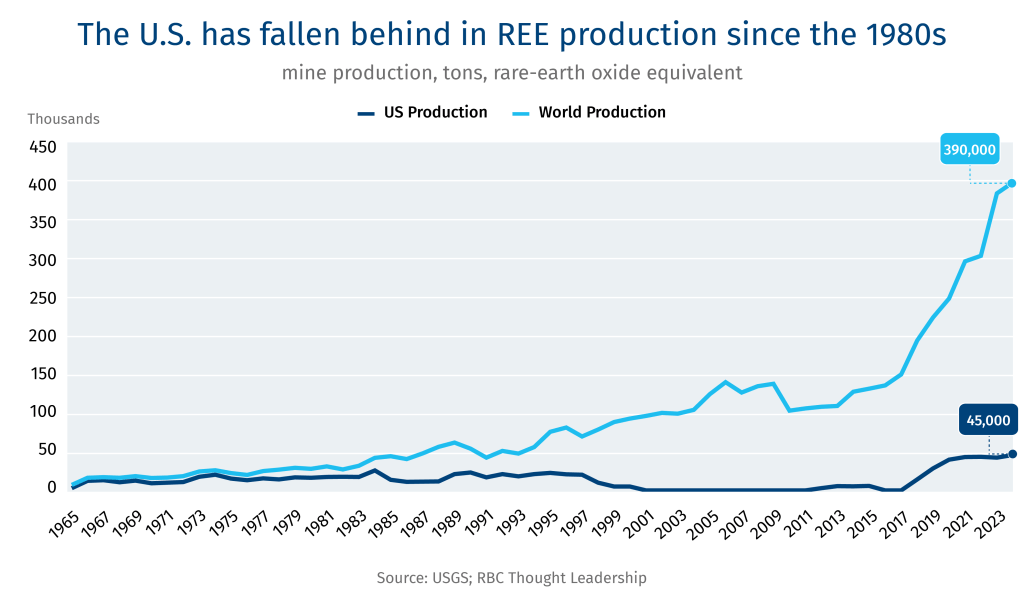
Share of global REE mine production that comes from China. While the U.S. produces 11% of the global total, the second highest, it exports nearly all its production for further processing. The U.S. was once the world’s leading REE producer but has been losing share since the 1980s, with China dominating global production since. Canada has produced REEs in the past, but currently does not have any domestic mining operations.

99%

Share of Chinese control over Heavy REE separation and processing. Heavy Rare Earths, such as terbium, enable REE magnets to work in higher temperature applications without losing performance. China also controls 90% of Light REEs, including neodymium, which are also key inputs to magnets. Countries like Estonia and Canada have or are developing LREE and HREE separation and processing capabilities.

92%

Share of Chinese control of global REE magnet manufacturing. While REEs are used in various forms (e.g., as powders for polishing optical equipment, and as catalysts in petroleum refining), they are also used to make the world’s most powerful permanent magnets. These magnets are used in high-performance technology including military aircraft, submarines, and electronics and are difficult to substitute.

16

The number of U.S.-entities to which REE exports were banned by China in April, as trade tensions between the two nations escalated. Fifteen of these entities were linked to the manufacturing of defense technologies.

US$439 Million

How much the U.S. Department of Defense has spent since 2020 to strengthen its domestic REE supply chain.

$22 Million

What the U.S. has invested in Canadian REE processing companies since 2023. Canada is considered a “domestic source” of critical minerals under the U.S. Defense Production Act (DPA), so Canadian companies are eligible to receive investments under DPA Title III.

12

REE projects in Canada currently active in the exploration, resource estimation, or preliminary economic assessment phases. There are also three separation and processing facilities and two REE recycling plants. To capitalize on the opportunity, a few things could speed things along. 1/ Government investment: Provincial funding in Saskatchewan, for example, has helped bring REE processing facilities closer to commerciality. Government support could also help fast-track projects. 2/ Secure offtake for REE products: As discussed in The New Great Game, decades of focused industrial policy and technology development have left Western manufacturers competing with lower-cost products while being bound to tighter environmental standards. Guaranteed offtake at competitive prices could help Canada’s REE industry get a foothold.

Vivan Sorab is Senior Manager, Clean Technology, at the RBC Climate Action Institute

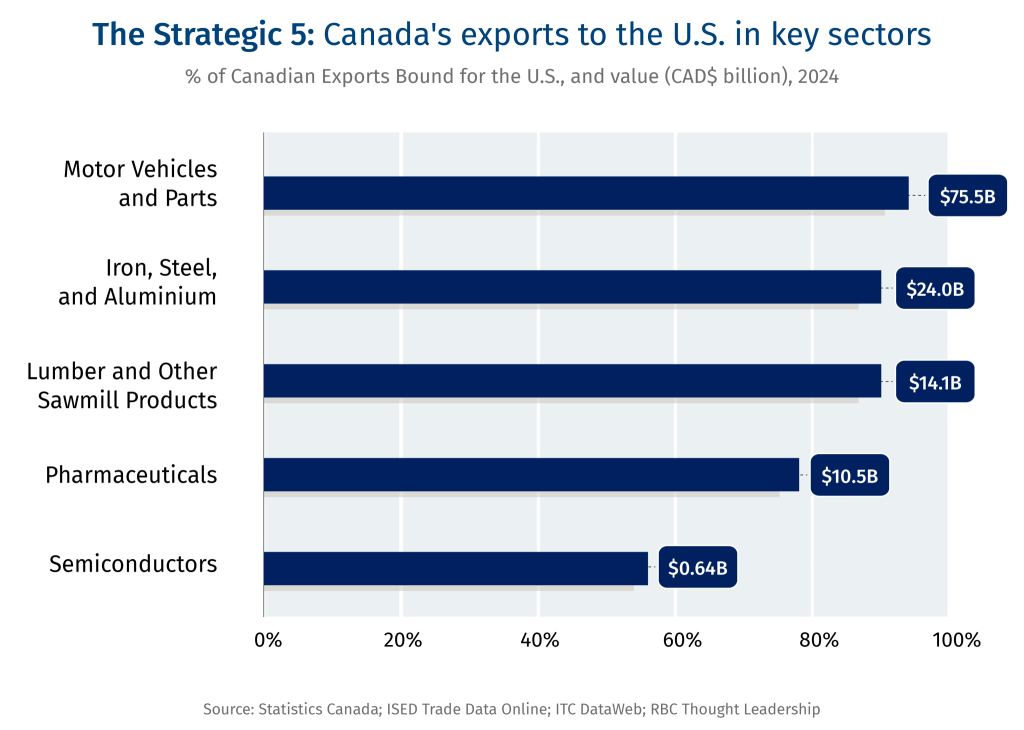
U.S. President Donald Trump believes autos, steel and aluminum, lumber, pharmaceuticals and semiconductors are the five strategic sectors that will drive American industrial revival. His overarching plans involves cutting imports (and trade deficits) and onshoring domestic production in each of the sectors and related industries. That’s emerging as a challenge for some of the U.S.’s top sector suppliers, including Canada.
These five domestic sectors rely heavily on shipments south of the border and are of strategic importance to Canada.

U.S. tariffs on the Strategic 5 will likely hurt Canada’s economic prospects and could trigger layoffs and flight of capital in sectors that are vital for our energy and national security.

Here’s a look at the importance of each of these sectors to the Canadian economy:

Automotive

  • Exposure to the U.S. market: $75.6 billion in exports (2024)

  • Total U.S. market: Sales of new vehicles in the U.S. reached 15.8 million units in 2024—second only to China’s 31.3 million.1

  • Global market: Just over 88.2 million vehicles2 are estimated to have rolled off assembly lines worldwide last year.

  • Canada’s role: Domestic auto- and part- makers’ market share in North American auto manufacturing has fallen over time, with Mexico gaining ground. However, 92% of Canadian auto exports are still shipped south of the border.

  • Tariff status: For CUSMA-compliant vehicles, the 25% tariffs are currently in force and apply to the value of non-US content.

  • Canada’s response: Ottawa’s countermeasures focus on 25% tariffs on all U.S. auto parts not compliant with CUSMA. The federal government and Ontario are also easing tariffs for U.S. auto parts for companies that remain committed to the Canadian auto supply chain.

  • The fallout: Stellantis and General Motors temporarily laid off staff in Ontario assembly plants.

  • What’s next: The Trump administration is mulling a potential pause on auto tariffs—primarily to give carmakers more time to onshore supply chains.

Aluminum, steel and iron

  • Exposure to the U.S. market: 91% of Canada’s aluminum and 89% of its steel exports were shipped to the U.S.

  • Total U.S. market: The U.S. consumed 93 million tonnes of steel in 2024—with Canada supplying 6.4 million metric tonnes of the total.3

  • Global market: Global aluminum demand has steadily increased over the past decade, driven mostly by growth in Chinese demand and from sectors like construction and transport.

  • The U.S. has had an average trade deficit in aluminum with Canada of about US$7 billion annually over the past five years.4

  • Canada’s role: We are a top foreign supplier of aluminum and steel to the U.S., ahead of China and Mexico.

  • Tariff status: The 25% U.S. tariffs on aluminum and steel imports from Canada are triggered by American efforts to bolster its domestic industry. The first Trump administration had also imposed tariffs on Canadian aluminum for 14 months, lifting them after USMCA was ratified in 2019.

  • The fallout: Hundreds of workers in the aluminum and steel industry have already been laid off since the latest tariffs came into effect.6 Ottawa is taking several measures to support Canadian workers and businesses.

  • What’s next: Commerce Secretary Howard Lutnick says reprieves on steel and aluminum tariffs are unlikely. With aluminum featuring on the USGS Critical Minerals list and a new probe on U.S. critical mineral imports underway, Canada’s aluminum industry may need to gear up for further uncertainty.

Lumber and other sawmill products

  • Exposure to the U.S. market: $14.1 billion in exports—90% of Canada’s total lumber exports.

  • Total U.S. market: The U.S.’s trade deficit against Canada in softwood lumber averaged US$5.8 billion annually over the past decade, according to the U.S. International Trade Commission.

  • Global market: The US$788 billion global wood products market is expected to nearly double in value by 2033. We wrote recently on how Canada can capture a greater share of the global opportunity.

  • Canada’s role: Canada’s domestic consumption of softwood lumber has fallen 11% from a decade ago. Domestic demand, which has generally followed housing starts, reached a 23-year low in 2023.

  • Tariff status: Under the Biden Administration, the U.S. raised duties charged on Canadian softwood lumber imports to 14.5% in August 2024. These tariff rates remain in place with additional hikes on the horizon.

  • The fallout: The lumber industry is already facing regulatory headwinds that have forced closures of sawmills in B.C.

  • What’s next: U.S. tariffs on softwood lumber imports are set to increase to 34.5% and could come into effect in the fall.

Pharmaceuticals

  • Exposure to the U.S. market: $10.6 billion in exports.7

  • Total U.S. market: Prescription drug sales in the U.S. were $716 billion in 20228 , or about 2.8% of U.S. GDP.

  • Between 2019 and 2024, the U.S. has run an annual $1.2 billion trade deficit in pharmaceuticals with Canada, according to U.S. International Trade Commission data.

  • Global market: Pharma R&D spending is expected to top US$200 billion9 this year.

  • Canada’s role: The U.S. is Canada’s primary pharmaceutical export market, accounting for 78% of its pharma exports in 2024. Japan, the next largest export market, received 5% ($720 million) of exports, followed by China, at 2% of exports, or $276 million. The Canadian pharma industry employed 35,367 workers in 2024.

  • Tariff status: Originally exempt from the April 2 reciprocal tariffs, the White House has now officially launched an investigation into the national security impacts of pharmaceutical imports.

  • The fallout: Industry is warning of a spike in costs of drugs and even shortages of key medicines.10

  • What’s next: Major tariffs on pharma could be on the horizon.

Semiconductors

  • Exposure to the U.S. market: $637 million, or 56% of Canadian semiconductor exports, in 2024.11

  • The U.S. runs a trade surplus in semiconductors with Canada, reporting a surplus of $764 million in 2024.

  • Global market: Global semiconductor sales were estimated at $627 billion in 2024.12

  • Total U.S. market: Companies involved in the semiconductor ecosystem plan to invest nearly US$450-billion in more than 90 new manufacturing projects in the U.S. across 28 states, according to an industry association.13

  • Canada’s role: Canada is emerging as AI hub with its clean and cheap electricity seen as a competitive edge. A recent RBC Thought Leadership report, published before the trade turmoil, estimated Canada could attract nearly $100 billion across 20-30 data centres. Disruptions to the nascent chip supply chain could disrupt that potential capital flow.

  • Tariff status: The U.S. announced probe into chip and electronics imports in early April, paving the way for new tariffs.

  • The fallout: Several tech companies have seen their stocks drop.

  • What’s next: Some reports suggest Trump will announce new tariff rates on imported semiconductors next week, with flexibility for certain companies. Secretary Lutnick said it would likely come in “a month or two.”15

Vivan Sorab is Senior Manager, Clean Technology.


Canada is bracing for a new trade war after the U.S. slapped 25% tariffs on Canadian steel and aluminum in an effort to re-shore its own industries. While it’s easy to lose sight of climate-change challenges amid trade turmoil, Canada’s decarbonizing efforts in its heavy industries can emerge as a strength that would help the sector face these headwinds.

However, fully capitalizing on these strengths would require Canada to address critical hurdles, including financing gaps for industrial-scale deployment, slow permitting for resource projects, and the need for stronger policy alignment with major trading partners. By strategically leveraging its clean-energy endowment and critical minerals supply, Canada can turn near-term economic pressures into long-term competitive advantages for its heavy industries such as cement, iron and steel, and petrochemicals.

We highlight a few of Canada’s strengths here:

  1. Late-stage startups are leading the charge: As we highlighted in Climate Action 2025: A year for rewiring, the mega deals that characterized Canadian heavy industry innovators in the early 2020s have given way to a more sober fund-raising environment, with venture deals in 2024 amounting to $158 million, a fraction of the funds raised in previous years. While funding, especially for early-stage innovations, is more challenging than ever, late-stage startups are actively deploying their carbon-reducing innovations in partnership with large, incumbent players in cement, petrochemicals, and pulp and paper.
  2. Clean power is Canada’s superpower. The country’s rich endowment of low-cost hydroelectric power has differentiated Canadian industries in several areas. Such advantages span aluminum smelting and iron and steel production. Additionally, electric arc furnaces under development in Ontario powered by clean electricity sources are set to produce low-carbon steel that would help lower the industry’s emissions.
  3. Canada is poised to leverage a critical advantage: As a leading global producer of commodities such as potash, nickel, aluminum, and uranium, Canada’s metals and mining industry could buck the economic headwinds facing other sectors. As we highlighted in Climate Action 2025, mining companies are incorporating decarbonization technologies and practices into their operations, which are being recognized by end-users keen on decarbonizing their supply chains. The key for Canada will be to bring the commodities to market faster and position itself as the West’s critical minerals hub. This will require more financing for junior mining companies and faster permitting to bring mines online. In addition, industries and government will also need to build logistics and transportation infrastructure to remote location with First Nations buy-in, consent and partnerships. Read more about Canada’s critical minerals advantage here.

Canadian industries are well positioned to deliver commodities the country and global markets need, without losing sight of sustainability. Canada would benefit from using its energy endowment to responsibly power its industries, and continue to innovate to bring new technologies to commercial reality.

For more climate briefings and analyses, subscribe to our mailing list here to get our reports and bi-weekly newsletter Climate Crunch.

Vivan Sorab is Senior Manager, Clean Technology, at the RBC Climate Action Institute

As the world races to secure the critical minerals essential to a modern economy, Canada has a crucial decision to make: what role can it play in de-risking a critical mineral supply chain that is overwhelmingly dominated by China?

At PDAC 2025, this question is top of mind for industry leaders, policymakers, and global investors. Building on our Getting Critical on Critical Minerals briefing, we’re diving deeper into five minerals increasingly vital to the economy of the future.

Each of these minerals are vital inputs across five key focus areas: artificial intelligence, border security, healthcare, energy and defense. But supply chains are vulnerable, international competition is fierce, and Canada must navigate complex policy, investment, and processing challenges to establish itself as a global leader.

Explore the briefings:

1. Gallium: the most critical of critical minerals. Key Focus: Artificial Intelligence

Critical Minerals – Gallium

2. Germanium: vitally important to border security: Key Focus: Border Security

Critical Minerals – Germanium

3. Graphite: the Swiss Army Knife of critical minerals. Key Focus: Defense

Critical Minerals – Graphite

4. Helium: tomorrow’s critical mineral. Key Focus: Healthcare

Critical Minerals – Helium

5. Rare Earth Elements: a needed alternative to China. Key Focus: Energy

Critical Minerals – Rare Earths

It’s time to get critical on critical minerals.

Every year, Toronto plays host to the world’s biggest mining conference, as the Prospectors and Developers Association of Canada brings together more than 27,000 global mining executives, investors and policy makers. And this year’s conference, running from March 2-5, is more critical than ever. Critical minerals will be centre stage, given their importance to the growing geopolitical race between the United States and China. They may not be the mainstay of mining but minerals like gallium and lithium are essential inputs in advanced technologies that span energy, defense, manufacturing and increasingly, artificial intelligence. Nations with secure access to these critical minerals will secure global economic competitiveness and national security. Here are three big questions we’ll be tracking at PDAC ‘25:

1. What’s with all the critical mineral hype?

From advanced semiconductors used in AI to the manufacturing of electric vehicles and batteries to technological advancements in defense and aerospace, critical minerals underlie the critical components of the Fourth Industrial Revolution – an era of disruptive technological forces driven by increased human-machine interaction. Today, China dominates the entire critical mineral value chain, from mining to refining/processing to end-use demand. The International Energy Agency has identified six core critical minerals (copper, lithium ,nickel, cobalt, graphite and rare earth elements) — and on average, China accounts for two-thirds of global refining capacity for the group. In contrast, the U.S. has limited domestic reserves of critical minerals and is entirely import-reliant on supply – often times from China itself. This battle for global tech supremacy between China and the U.S. is manifesting a critical mineral resource war, a new great game for the 21st century rivaling the geopolitical significance of oil post Second World War.

2. What role can Canada play in securing critical mineral supply chains?

Canada and the U.S. have an established minerals and metals trading relationship, as each other’s largest trading partner. In 2024, Canadian non-fuel mineral imports amounted to US$40 billion, or 24% of total U.S. imports. The country is also the largest source of U.S. critical mineral imports by dollar value, but largely skewed by ‘commercial’ critical minerals imports such as aluminum, nickel and zinc. Increasingly, there is a growing cohort of less commercial yet strategically important niche critical minerals with vital importance in defense applications, border security and advanced chip making. The supply of these minerals, such as gallium, germanium, antimony and tungsten, are dominated by China and are subject to Chinese export controls. It is across this subset of minerals particularly where we believe Canada can play a vital role in in de-risking U.S. and G7 critical mineral supply chains.

3. What can we expect to hear at the conference?

This year’s PDAC conference will have a greater-than-usual policy bent, given the increased tensions around U.S. critical mineral supply – already witnessed in Ukraine peace talks but also seen in President Trump’s commentary around Greenland and Canada. Continued rhetoric from policy makers and mining executives on Canada’s potential may expand the belief that Canada has allies and economic partners. We anticipate hearing more on how Canada can enhance its competitiveness in attracting critical mineral capital. This could include a greater role for governments in providing offtake agreements, enhanced fiscal incentives such as expanded investment tax credits, securing market access and streamlining permitting. RBC Thought Leadership will publish a more detailed report on critical minerals later this coming week, along with commentary throughout PDAC. You can follow our research and insights on RBC’s Trade Hub.

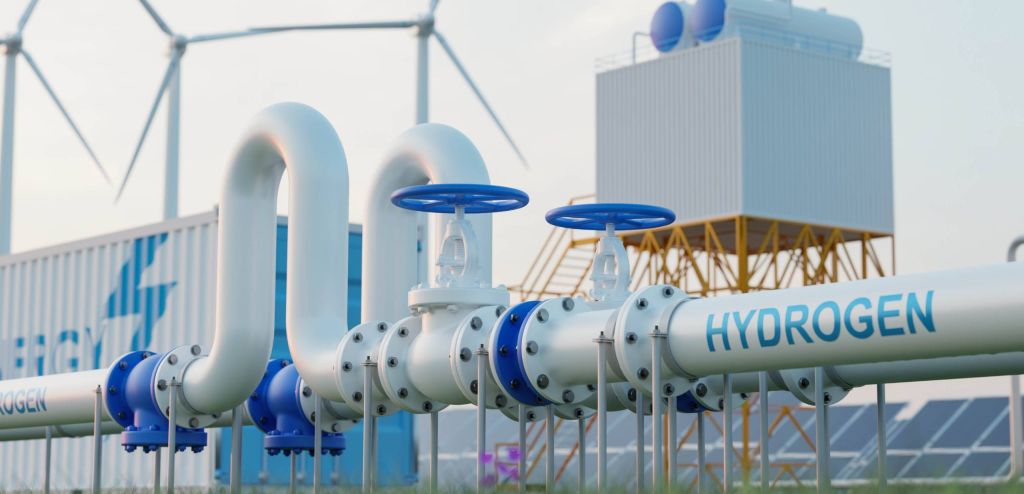
There is a buzz around hydrogen. It comes in many iterations—geological, low-carbon, and conventional, and everything in between—and has seen billions of dollars of investment across the world. Depending on how hydrogen is made, it is labelled green when manufactured using renewable power, and blue when using natural gas and capturing the emissions, although several other ways of producing hydrogen exist. Its properties as an energy carrier and a chemical feedstock promise to make significant contributions to decarbonizing the world. Canada can play a role here to meet continental, perhaps even global, demand. For now, the country’s hydrogen production remains modest: we produce about 3,500 tonnes of low-carbon hydrogen, several orders of magnitude less than the three million tonnes of fossil-based, carbon-emitting hydrogen it consumes to service its oil and gas, petrochemical, and fertilizer sectors. Scaling up low-carbon hydrogen production to replace this would help Canada achieve its Net Zero goals, but it has a long way to go—in technology, regulations and application—before it can emerge as a formidable alternative to conventional hydrogen and fossil fuels. The good news is that progress is already underway. Since the federal government published its hydrogen strategy in 2020, 80 low-carbon hydrogen projects valued at over $100 billion in investment have been announced or are under consideration or development. Provincial strategies are taking shape and pilot projects, across applications from steel to space heating, are demonstrating hydrogen’s potential to replace fossil fuels and lower emissions in areas where it has not traditionally been applied. And with at least 13 known partnerships between hydrogen proponents and Indigenous communities already established, a hydrogen-fueled future in Canada could be built on a strong foundation of Indigenous engagement. Hydrogen could be one of the pillars of a decarbonized Canada. Canada’s 2020 hydrogen strategy projected production trebling to 21 Mt per year by 2050, accounting for a third of Canada’s final energy consumption—an ambitious growth trajectory. In theory, hydrogen could flow through natural gas distribution lines, fuel heavy-duty trucks that are the backbone of inter-regional trade, and burn in power plants to keep the lights on in homes, all while lowering emissions if produced cleanly. It could also form part of a new export industry, transporting energy from the East Coast’s best-in-class wind resources to Europe and support the continent’s energy independence from natural gas. But as the federal government’s May 2024 strategy update shows, a lot hinges on which applications see uptake of hydrogen in favour of other solutions. Demand could vary significantly, from 3 to 20Mt/year—that’s a 17Mt/y spread, suggesting uncertainty around hydrogen’s potential. This uncertainty stems from hydrogen’s innate complexities and the competition it faces from other clean technologies. Here are some hurdles the industry must overcome:

1. A question of logistics

Hydrogen is inefficient to make and difficult to transport. Converting renewable power into hydrogen results in 30% to 40% less energy than if the electricity was used directly, such as through a heat pump for space heating. And once manufactured, moving hydrogen to its destination is challenging because of high energy requirements for compression, limited hydrogen pipelines in the country, and the inability of natural gas pipelines to channel high concentrations of hydrogen without risking damage.

2. Footing clean hydrogen’s energy bill

Canada’s rich hydroelectric and nuclear generation resources and strong methane regulations are an advantage, but will only take us so far in an age of increasing energy demand and rising costs. Hydrogen’s efficiency challenges mean that Canada will need a lot more renewable energy generation to make green hydrogen, and strong carbon capture, utilization and storage (CCUS) infrastructure to lower the CO2 emitted from making blue hydrogen. Blue hydrogen manufacturing will also need Canada to step up methane leak monitoring and mitigation. These measures will allow Canada to manufacture the hydrogen it needs without straining electricity grids or increasing overall emissions because of methane leaks.

3. Competing with the IRA

Lowering hydrogen manufacturing costs will also be key while maintaining an investment environment that’s attractive to global hydrogen companies. The biggest competition comes from the United States, where tax credits under the Inflation Reduction Act (IRA) give hydrogen developers a revenue premium over Canadian incentives. Canada’s Clean Hydrogen Investment Tax Credit (ITC) could offset 15% to 40% of hydrogen costs and help close the gap with the U.S., especially as new, restrictive guidance on IRA credit eligibility makes incentives down south more uncertain. For costs to go down, Canada’s hydrogen ITC must progress through legislation quickly and demand for clean hydrogen must scale. Hydrogen’s potential applications are as numerous as its varied colours. But prioritizing high-impact early projects will help calibrate the demand hydrogen needs to match supply-side incentives. Canada needs to be tactical in the near term to ensure that existing hydrogen supply is decarbonized quickly, and that the most promising pilot projects and economic sectors receive the support they need to deploy hydrogen at scale. Vivan Sorab is RBC Climate Action Institute’s Senior Manager, Clean Technology.