EN
EN 

Now they have a chance to reinvent themselves.
COVID-19 has crushed pretty much every retail category, nowhere more so than in malls. Clothing sales alone were down roughly 50% in the early weeks of the crisis.
In the U.S., Green Street Advisors predicts more than half of department stores in malls will close by the end of 2021. Coresight Research expects upwards of 25,000 stores in the U.S. to close this year – 60% of them in malls.
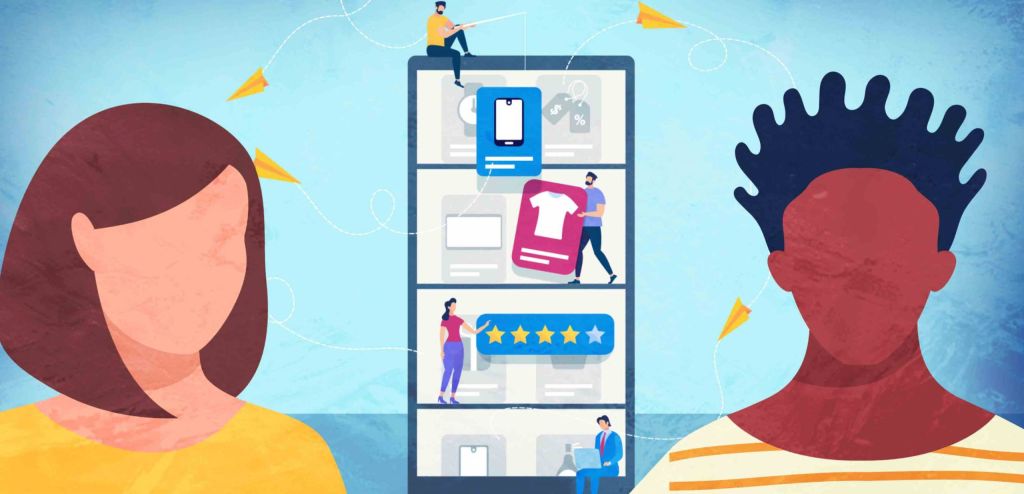
Cadillac Fairview has launched a new program called Ravel to counter the unravelling of malls. The digital platform is not just one-way information about sales or locations; it’s a blended model to allow shoppers to see styles and colours that may not be in stock, and to compare items across stores.
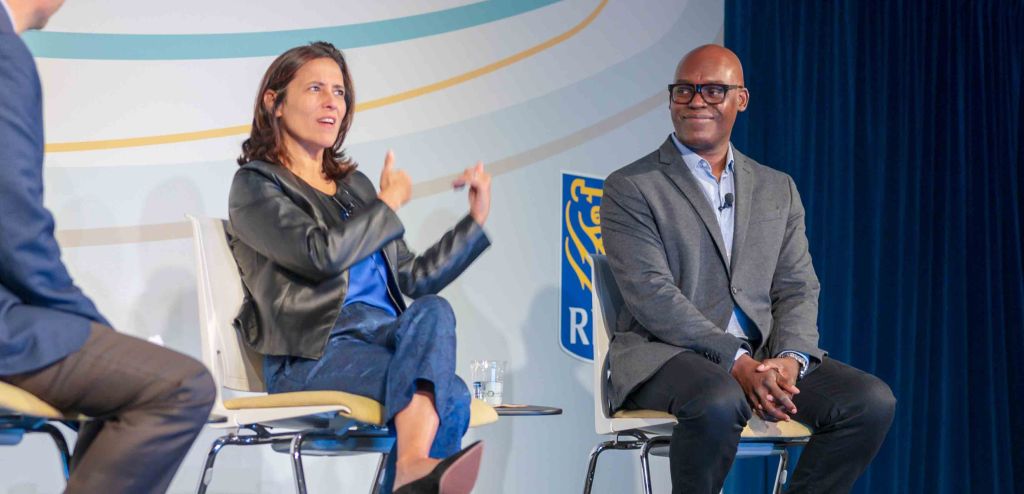
“It’s a virtual mall in your pocket,” says Jose Ribau, Cadillac Fairview’s Executive Vice President of Digital & Innovation. Ribau joined the RBC Disruptors podcast to discuss how the world of retail is shifting.
Listen on Apple Podcasts, Spotify or Simplecast |
See transcript
“Wouldn’t it be great if you could have the efficiency of a digital platform but also try the blazer on before you buy it?”
CF owns 68 properties in Canada, including Toronto’s Eaton Centre and Vancouver’s Pacific Centre. In South America and East Asia, where CF also operates, malls deploy digital platforms to allow customers to choose items and have them delivered to their cars or their homes, often while paying through an app.
A lot is at stake. Retail employs more than two million Canadians, and accounts for a big chunk of commercial real estate. In 2017, there were 3,742 shopping centres larger than 40,000 square feet across the country – up from 3,496 such properties in 2012.
If those malls want to disrupt themselves, here’s some of what they need to consider:
1. Online shopping is here to stay.
But so, too, is the blended model. Yes, we love the convenience of e-commerce, but most of us also love to explore, to see and to touch. Malls allow us to browse stores while also browsing online and to use online platforms to get the ideal items sent to us whenever and wherever we want.
2. The mall of the future will be built on data.
Malls are a goldmine of data that can help retailers feed information to shoppers while they’re shopping — and use that data to enhance the shopping experience with alerts, deals and photos of products.
3. Delivery services are shifting from B2B to B2C.
As customers continue to go online, delivery services are becoming a key part of retailer and restaurant supply chains. Smart malls are figuring out how to get products to shoppers wherever they are.
4. Malls need to be fun and inspiring.
Those that can capture that spirit in a safe physical environment will be the ones that thrive.