Next Generation: Ottawa’s Proposed Rules Push Provinces To Build Cleaner Grid
Author: Colin Guldimann
Canada is facing a major electrification challenge at a time of rising demand—and intense competition for decarbonization dollars.
We have a head start with a low-emissions grid but building on that advantage would require significant new investments to develop a larger and reliable electricity infrastructure that attracts clean industries.
As the new Net Zero race heats up, the U.S.’s Inflation Reduction Act (IRA) has emerged as a key catalyst, with its slew of incentives running into billions of dollars. While offering Canada fresh opportunities to capitalize on energy transition, IRA also challenges Ottawa, the provinces and industry to raise their game. If Canada gets it right, a substantially bigger and sustainable grid would serve as a springboard for the new energy economy.
In a bid to meet the challenge, the federal government unveiled its much-anticipated Clean Electricity Regulations (CER) last week, sketching out a roadmap for a Net Zero grid by 2035—with a few detours.
Ottawa’s original, stringent stance on a non-emitting grid has given way to a more flexible approach, accounting for each province’s unique challenges and the sheer scale of managing the energy transition without hurting affordability and reliability. It’s an acknowledgement that the country needs all the energy sources at its disposal to build out a reliable energy infrastructure, with guardrails to ensure new dollars heavily favour low-emission sources.
The proposal also offered more clarity on the role of abated natural gas in the power grid—a contentious issue between Ottawa and the provinces. Despite some latitude, the proposed CER still requires electricity generation in Canada to achieve a low-carbon grid 15 years sooner than legislated targets for the whole economy.
The regulations are going to be play a critical role in boosting the country’s green credentials. A diverse mix featuring gas-fired power with carbon capture, nuclear, hydro and renewables will be needed to meet growing electricity demand. It would also help attract investments to build an electric vehicle supply chain, sustainable mining and other new energy sectors.
The onus is now on provinces to adopt the new regulations. The federal government is seeking feedback until November 2023 with plans to publish finalized regulations by 2024.
Some provincial grids will find it harder to hit Net Zero targets by 2035
GHG emissions in electricity sector by jurisdiction
Jurisdiction
Electricity Total
Greenhouse Gases (Megatonnes)
Electricity Sector Emissions as a % of Total Emissions
Share of clean/renewable electricity (%)
British Columbia
0.4
1
97.5
Alberta
32.7
13
15.1
Saskatchewan
13.9
21
14.1
Manitoba
0
0
99.8
Ontario
3.7
2
92.3
Quebec
0.3
0
99.7
New Brunswick
3.5
28
73.4
Nova Scotia
6.3
43
26.6
Prince Edward Island
0
0
99.3
Newfoundland and Labrador
1
10
97.8
Yukon
0.1
9
72.8
Northwest Territories
0.1
4
68.7
Nunavut
0.2
25
0.2
Canada
62.1
9
82.6
Source: Environment & Climate Change Canada, Canada Energy Regulator, RBC Climate Action Institute
A Role For Natural Gas
The CER consultations launched last year had sparked tensions between Ottawa and fossil-fuel reliant provinces such as Alberta—which recently announced a six-month moratorium on renewable energy projects. Other gas-powered provinces such as Saskatchewan, Ontario and Nova Scotia had also expressed concerns.
Provincial utilities worry that as more power comes from wind and solar power, it will be harder to reliably match supply and demand of electricity, risking blackouts. Ontario’s Independent Electricity System Operator (IESO) noted that 40% of severe weather events that could cause renewables outages exceeded the length of time it can store power in batteries. Rising demand and higher costs of alternatives such as energy storage or nuclear power makes the case for gas a lot stronger.
The proposed rules offer some flexibility to help alleviate those concerns and ensure natural gas has a role to play, albeit diminishing, in provincial grids:
The draft regulations require that grid-connected electricity generating units online as of 2035 with a capacity of 25 megawatts (MW) or more meet an annual average emission threshold under 30 tonnes of CO2 per gigawatt-hour (GWh) of electricity produced. An unabated gas-fired generator produces 400-500 tonnes per GWh.
For reliability, unabated peaking gas turbines can fire for up to 5% of the year without meeting an emissions performance standard. Ottawa considered allowing peakers to run more but found it decreased costs by only 2% while increasing emissions.
Natural gas turbines already in service before 2025 have 20 years of uncapped emissions before being subject to the rule (this likely will not apply to any gas units not already planned, which won’t be commissioned before 2025).
Natural gas-fired generators that install carbon capture can apply for exceptions to the emissions threshold (increasing allowed emissions to 40 tonnes/GWh on an annual average basis) for up to 7 years after commissioning the unit, to allow for capture system downtime.
“Behind-the-fence” (i.e., own-use) power generation is exempt, as are emissions associated with the heat element of combined heat-and-power systems (e.g., those used in the oil sands). They are still covered under the large emitters carbon price.
That gives gas-reliant Alberta and Saskatchewan some breathing room before they need to reduce their dependence on fossil fuels. Still, incentives are firmly nudging the provinces to transition natural gas out of the grid over time.
Provinces Take Charge
We think these are material concessions in response to provincial and industry feedback, without sacrificing the core intent of the regulations. We expect the regulations will have a significant impact on the role of unabated natural gas in the grid.
The 5% threshold for peaking is restrictive (many peakers operate above this capacity factor) but existing transition gas (e.g., Alberta’s recently grow in gas to get off coal) will be allowed to operate for at least 20 years, enough time for operators to be paid out for their investments.
Future gas baseload plants will likely be significantly challenged in areas without access to carbon storage. If the regulations come into force as proposed, gas baseload power is unlikely to offer a solution for eastern Canada without significant work to develop a carbon, capture and storage (CCS) strategy and studies of storage opportunities. Indeed, the federal government’s model sees little role of emitting generation under the regulations even with the peaker provisions, with natural gas providing somewhere between 0.5% and 1% of Canada’s electricity after 2035.
The sum of the regulations and investment tax credits from Budget 2023 would help move the needle.
Teasing a forthcoming clean electricity strategy, Ottawa suggested federal funds would be restricted to provinces that “take concrete action to achieve Net Zero.”
Indeed, provinces will likely need to publicly commit to the 2035 Net Zero Electricity goals and start cutting emissions beyond electricity. Supporting the required permitting for transmission lines, power storage projects, and carbon capture equipment will also be critical for provinces to move at an accelerated pace.
Contributors:
Lead author: Colin Guldimann, Senior Economist
RBC Climate Action InstituteMyha Truong-Regan, Head of Climate Research
Yadullah Hussain, Managing Editor
Shiplu Talukder, Digital Publishing Specialist
Caprice Biasoni, Graphic Design Specialist
Ontario’s clean grid strategy, released this week, has the “all-of-the-above” vibe to it
The province is doubling down on its nuclear power prowess, keeping natural gas in play and eyeing more hydro even as it plugs in more solar and wind into the grid.
There’s a lot to like in the provincial government’s plan to meet rising long-term electricity needs. The plan to invest more in nuclear will add certainty that Ontario’s electricity grid would facilitate Net Zero goals by 2050. But its reliance on natural gas in the near term could threaten short-term climate targets.
Ontario’s “Plan For A Clean Energy Future” signals the government’s recognition that the province’s economic growth depends on more clean electricity: a greener grid would help the province attract billions of dollars in transition energy investments such as electric vehicle supply chains, decarbonizing industries, energy storage, and critical minerals. But the plan falls somewhat short in putting much of the focus on the 2040s. The province’s decision to maintain natural gas-fired power in the energy mix could set up a potential political dust-up with the federal government, which is poised to finalize its Clean Electricity Regulations.
Our key take-aways from Ontario’s clean energy plan:
Demand Surge
By 2050, Ontario’s electricity capacity—how much power the province can produce at one time—is expected to more than double to 88,000 megawatts. The province will also have to replace power generation capacity of 20,000 megawatts over the next three decades. Coupled with rising population over the next few decades, Ontario will be challenged to power the grid without raising its emissions.
The province is also attracting unprecedented investments in electric vehicle battery manufacturing, clean steelmaking and other sectors, partly as a function of subsidies, which would strain capacity. Five major investments in the new energy economy alone will increase industrial demand by 21% once online.
Nuclear Renaissance
Ontario is going big on new nuclear reactors to meet that demand. Plans to make Bruce Power Generating Station the world’s biggest nuclear site with a 4,800-megawatt expansion, announced last week, were augmented to add three innovative small modular reactors to one announced at the Darlington nuclear site in 2021.
Stand-by Source It’s what the province calls its “insurance policy.” Natural gas will continue to play a role as the Darlington and Bruce sites undergo refurbishment over the next decade (at its peak four nuclear units representing 9% of Ontario’s capacity will be offline). To that end, the province is in search of 1,500 MW of new gas generation capacity (growth of about 15%, if met). But that could upset the province’s plans to cut emissions: a recent Independent Electricity System Operator (IESO) estimate foresees nearly tripling electricity sector emissions by 2030 as gas plants stand-in for nuclear power generation in the short-term.
Facilitating Renewablese The province is procuring electricity storage, which is critical if it’s to deploy more cost-effective wind and solar power. It’s current procurement of 2,500 MW of clean energy storage is the largest battery procurement in Canada’s history. The Oneida Energy Storage Facility and Marmora Hydroelectric Pumped Storage Project are also positive developments.
But as the province’s grid integrates more renewables, a buildout of transmission lines will be critical to plug in power from remote sites. The province has not yet outlined a strategy to address that looming transmission challenge.
What’s Missing
The province has the long-term plan mostly right in our view: nuclear and hydro firming up a lot of new renewables, with some questions around peaking power from gas with carbon capture or hydrogen. Efforts to expand hydropower capacity and exploring promising low-carbon technologies such as renewable natural gas and renewable diesel will also ensure the province remains a clean-tech hub.
But a lack of near-term focus on key infrastructure is concerning. Transmission will be critical to integrate renewables, investments to facilitate electrification of households by local distribution companies will be needed to ensure the grid can handle EVs and heat pumps, and smarter technology can help facilitate more limited natural gas peaking in the near and medium term.
The plan takes some good first steps in facilitating a more flexible electricity system, by allowing consumers to access their utility data via Green Button, an energy efficiency tracking program, and considering more use of distributed energy (like rooftop solar) or energy conservation.
Ontario’s long-term nuclear investment will secure a visible path to 2050 climate goals. But the province will need to move quickly and make costs more visible to consumers if it’s to avoid major investments in emitting infrastructure over the next few years.
Ontario faces a $450-billion investment bill by 2050 to meet surging demand and emerge as a green-grid hub that’s attractive to industries looking to cut or eliminate their emissions.
Rising electricity demand could strain the province’s grid as early as 2026 and even trigger chronic shortages by 2030.To meet pressing short-term needs, Ontario is eyeing more gas-fired power generation, which, unabated, could clash with the federal government’s forthcoming Clean Electricity Regulations.
The province can avoid making expensive decisions on its future energy mix by pursuing robust policy measures and incentives to save power.
Timely action to conserve energy could save enough electricity to power 3 million homes by early 2040s—a little more than half of the province’s residential electricity demand.
Readily available technologies such as smart thermostats, electric panels and AI-enabled HVAC systems that can substantially improve grid efficiency and sustainability would give Ontario the room to manage demand peaks without building new gas plants.
The measures could save Ontario ratepayers at least $500 million annually in avoided generation costs over that time.
Smart homes can unlock grid efficiencies
Tech-savvy homes could save Ontario ratepayers $500 million annually
1
Smart thermostats
2
Solar panels
3
Smart HVAC
4
Distributed battery storage for EVs
5
LED light bulbs for conservation
6
Insulation and air sealing
7
Smart electrical panel
8
Wi-Fi enabled plugs
9
Energy-efficient appliances
10
Heat Pump Water Heater
Ontario is bracing for a wave of electricity demand
The province’s rapidly growing population, electrifying industry, and aging nuclear reactors will shift the province’s electricity grid from decades of comfortable surplus to critical shortages in just a few years. By 2026, the province’s grid could strain to meet demand during peak hours; by 2030 soaring demand could outpace generation capacity.
Clearly, building more power generation is going to be unavoidable in the coming years. The Independent Electricity System Operator (IESO), which runs the province’s power market, plans to import power (primarily from Quebec), expand renewables, store power in batteries, and dabble with new nuclear reactors to meet demand. But IESO is also seeking bids for new gas-fired power plants that are vital to manage near-term capacity pressures.
The strategy could clash with Ottawa’s expected Clean Electricity Regulations (CER) that will prohibit unabated gas-fired power plants to ensure a Net Zero electricity grid by 2035.
Electricity generates 7.7% of Canada’s greenhouse gas emissions—the 6th largest source of emissions in the nation.
The country boasts one of the cleanest grids in the world, but that label is threatened as provinces such as Ontario, Alberta and Saskatchewan remain heavily dependent on natural gas and see it as a critical and reliable source to meet future demand.
The expected CER builds on federal coal regulations that stipulate phasing out unabated coal-fired electricity units by 2030, and aims to avoid grid emissions as other sectors electrify. Rising demand for electric vehicles and heat pumps, electrified steelmaking, and battery manufacturing, among other segments, will cause the grid to expand rapidly over the next few decades. Left to their own devices, some provinces have planned to add natural gas power, partially offsetting emissions cuts from these sectors.
The federal government believes recently announced electricity tax credits should offset the cost of taking gas out of the power mix or fitting it with carbon capture, but several provinces say building enough non-emitting power to meet Ottawa’s timeline is going to be difficult. Alberta and Saskatchewan who are rapidly phasing out coal as a power source, are reluctant to shut the door on natural gas without ensuring the reliability of other sources.
The CER’s rollout in its current form and timeline could set up a federal-provincial fight.
Ontario, the country’s largest economic engine and most populous province, faces the most immediate challenge.
But investing $450 billion in generation, transmission, and distribution by 2050 without knowing the scale of demand is risky.
To ensure an accelerated but orderly transition, Ontario will have to do both: boost supply, but also find other ways to manage demand in the interim.
RBC’s $2-Trillion Transition report estimates annual investment of $5.4 billion in renewable and batteries are needed to save around 11 million tonnes in electricity emissions, but natural gas will have to play a stabilizing role in ensuring an orderly energy transition.
As Ontario’s reliable generators such as nuclear plants get refurbished and coal power shuts down, more natural gas generation is the province’s preferred route. But that strategy is at odds with federal Net Zero targets: A recent IESO estimate foresees nearly tripling of emissions by the end of the decade, as gas plants meet increasing demand and declining nuclear production.
Stepping off the gas
What can the province do to bide its time and avoid making an early call on costly natural gas generation?
One way is to use policy levers to delay demand. Energy conservation can buy the province time to build large-scale, cleaner power sources such as hydro and nuclear instead of gas, saving money long-term, as we wrote in Price of Power last year.
Deferring hefty financial commitments will keep electricity affordable and gives Ontario time to redefine itself as a low-carbon manufacturing hub that attracts companies involved in electric car supply chains, green metal production, and clean-tech.
The good news: technology exists that Ontario can use to navigate the looming demand rush and delay committing to natural gas-powered generation. Changing consumer attitudes and behaviours to promote flexible demand and energy efficiency will also be key to unlocking significant savings and alleviating grid pressures.
By 2040, Ontario could meet nearly 20% of its electricity demand growth via economically viable conservation
Electricity conservation is often overlooked, since it has done little to cut emissions in Ontario’s already-green grid, but it could emerge as a vital policy lever to avoid new gas plants. By 2040, Ontario could meet nearly 20% of its expected demand growth—or 28 terawatt-hour (TWh)—via economically viable conservation. Doing so could save Ontario ratepayers at least $500 million annually by 2040.
It’s worked before. Over the past two decades, albeit against slowing demand growth, IESO’s conservation programs have outpaced demand. By funding retrofits and LED lighting, among other actions, electricity conservation doubled between 2014 and 2021, from 11 TWh to nearly 22 TWh. Demand grew just 7 TWh in comparison.
To maximize potential, Ontario will need to leverage technology to shift peaks to avoid building more capacity now.
Smart tech to the grid’s rescue
Ontario can build on its reputation as a leader in grid innovation to support smart energy use. It’s one of the only jurisdictions globally that has a smart meter installed in nearly every home. That’s allowed the province’s widespread time-of-use pricing policy to manage peak demand.
Flexible demand can also respond better to variable zero-emitting sources, like wind and solar. Given the right financial incentives that inspire attitude change, consumers may be prompted to install home solar panels, smart thermostats and smart electrical panels that can improve grid efficiency.
Currently, Ontario’s centralized grid system is underutilizing these technologies. Here are a few ways the province can leverage new technologies.
Make it pay: EV owners save money when they charge their cars overnight. But what if they could use it themselves when they turn on their induction stove or sell the leftover power in their car back to the grid? Our research suggests EV owners could earn as much as $100 per month. Those payments could offset distribution upgrade costs for households, although infrastructure upgrades will be needed to facilitate the new vehicle-to-grid technology. Set right, they can save the province money, too, since storing power in EVs may be cheaper than single-use utility-scale batteries. Giving consumers the right price signals can facilitate more responsive demand.
Make it smart: Home monitoring systems attached to electrical or smart panels can combine with Wi-Fi-enabled plugs and smart thermostats to remotely control appliances, lights, heating and cooling to avoid electricity peaks. In Montreal, start-up Brainbox’s artificial intelligence software cut electricity use 10% in a major office tower by weeding out inefficiencies in the system.
Make it responsive: With smarter systems in place, electrical panels can alert consumers that the dryer they just turned on is more economical to run in an hour. Or when the system predicts new peaks, smart water heaters could pre-heat and store hot water for later in the day. This could be key to managing a grid that’s increasingly reliant on variable renewable power.
Make it accessible: Ontario’s current demand response programs focus on paying industry and large buildings to cut demand during peaks. Finding ways to encourage widespread, distributed adoption of these technologies can help consumers benefit (and get paid) for the services they can provide to the grid, easing the cost of electrification.
Make it cost-effective: Traditional energy efficiency can also ease the strain on Ontario’s grid. Think analog solutions like LED light bulbs, energy-efficient appliances, efficient pool pumps for homeowners. Retrofit programs will also need to be scaled up, with support from IESO.
Actions for a green & efficient grid
Ontario is in an enviable position to get electricity consumers to change behaviour. Adjustments to time-of-use pricing are already set to shift demand away from peaks. But with overnight set as the cheapest rate, consumers may not be willing to alter behaviour beyond EV charging.
A well-established track record of successful efficiency programs does not mean consumers will invest in retrofits without education or financial incentives. The key will be to help consumers understand the cost of their actions and price them sufficiently to change behaviour. We’ll need to support household investments in technologies to get there faster and assist lower income households through transition.
The action points below should ideally be pursued together to maximize benefits for consumers, industry and the province.
Ideas to move forward
Ontario’s Ministry of Energy should direct IESO to ramp up and expand cost-effective energy efficiency programming.
Energy efficiency programs should finance low-income households’ adoption of smart technologies such as panels, thermostats, and water heaters to ensure they can benefit from new rate structure.
Economic incentives in existing time-of-use pricing structure are not large enough to nudge consumers to shift their energy consumption to off-peak and mid-peak hours. After supporting tech adoption and real-time pricing feedback, the Ontario Energy Board should introduce higher on-peak rates and set time-of-use pricing as a default, with financial support for low-income households.
Utilities should take a more consumer-minded approach to pricing that clearly communicates to ratepayers the pricing consequences of their electricity use patterns.
As a policy default, allow homeowners and building operators with onsite renewable power generation capacity to sell surplus power back to the electricity grid during peak demand.
Future electricity subsidies from all levels of government should not be focused on subsidizing more generation, regardless of cleanliness. Rather they should support adoption of new technologies to make the grid smarter and accelerate behaviour changes.
Lead author: Colin Guldimann, Senior Economist, RBC Climate Action Institute
RBC Climate Action InstituteMyha Truong-Regan, Head of Climate Research
Yadullah Hussain, Managing Editor
Darren Chow, Senior Manager, Digital Media
Shiplu Talukder, Digital Publishing Specialist
Why we wrote this
Canada is on the edge of a building boom. With our housing stock already severely strained, we’ll soon need to find a way to accommodate a record surge in new Canadians. That’ll mean building nearly six million new homes.
Constructing these homes sustainably—as we must if we are to hit our climate targets—brings with it economic opportunity. Canada can lead North America’s construction sector into a new greener era, one defined by novel building materials, smart building systems and the rapid deployment of low-carbon heating and cooling. In addition to the buildings themselves, we’ll need to construct new supply chains, skilled workforces and critically a retrofit economy to support the transition.
This challenge compelled the RBC Climate Action Institute and George Brown College’s Brookfield Sustainability Institute to launch a collaboration that begins with this paper. High Rise, Low Carbon: Canada’s $40 billion Net Zero Building Challenge aims to help inform and inspire Canadians to see both the urgent need and growing opportunity that will come with more sustainable buildings.
John Stackhouse, Senior Vice President, Office of the CEO, RBC
Luigi Ferrara, Chair and CEO, Brookfield Sustainability Institute
Key points
By 2030, Canada will need 5.8 million new houses—a 40% increase—as the current housing affordability crisis and immigration boom accelerate demand.
If built with current practices and prevailing codes, these structures will add up to 18 MT (million tonnes) of greenhouse gas emissions to our carbon footprint annually.
Emissions from production of the cement and steel used to build them will add even more.
Canada’s existing buildings are already among our biggest emitters, releasing some 90 MT of greenhouse gases annually.
To meet our Net Zero targets, we’ll need to change how and what we build. We’ll also need to re-visit our current buildings—retrofitting some 16 million homes and 750 million m2 of commercial space.
This will require more than $40 billion a year in capital investment, with 60% going to retrofits and the rest to new builds.1
New technologies will be essential. Heat pumps—already gaining traction in Atlantic Canada and B.C.—must become mainstream, augmenting and eventually replacing gas furnaces that are the largest source of building emissions.
Key Charts
Seven Ideas
Provinces should set progressively tighter emissions standards for new and existing buildings.
Codes for new construction must tighten quickly, and emissions permitted in existing structures should decline gradually according to a transparent but ambitious schedule. Sales of emissions-heavy technology and materials should be phased down according to that schedule.
Building owners must collect and share emissions and retrofit data.
A national open-access database showing the impact of various retrofits across all building types can help owners make capital plans to meet the aforementioned standards. Governments at all levels should help share the cost of the database.
Utility commissions must send the right price signals.
Provinces can use electricity rates to encourage the installation of heat pumps in large buildings and conservation and demand shifting in small ones.
Target affordability with mortgage insurance, lending, and land-use regulations.
Ottawa should allow longer maximum amortization for insured green mortgages and fund larger direct subsidies for low-income heat pump buyers. Municipal governments should lower development charges and increase allowed density for green buildings. Banks should study how lending criteria can evolve to help homeowners afford more expensive green homes.
Municipalities should create low-carbon design districts.
Designate areas, rather than specific sites, for low-carbon building types (e.g., mass timber, innovative concrete, prefabricated homes) to rapidly scale pilots.
Upskill workers, boost labour supply, and adopt innovative new designs.
Unions and employers can collaborate to train workers in labour-saving building methods. The federal government can better target immigration policy to attract newcomers with the right building skills.
Industry can partner to secure heat pump innovation and supply.
Industry groups can target other cold countries to improve and lower the costs of cold-climate heat pumps. Governments can support trade missions and encourage domestic production of pumps and components, in part through synergies with other existing Canadian manufacturers and innovators (e.g., auto parts makers).
The case for greening Canada’s built environment
Buildings have long been at the heart of Canada’s emissions problem.
Heated by gas furnaces, powered by coal-fired electricity, and supported by emissions-heavy concrete foundations, our buildings are the third largest source of greenhouse gases after the energy and transportation sectors. In all, they generate an eighth of our emissions, or some 90 million tonnes (MT) of carbon dioxide each year. And those emissions are rising, as more houses and commercial spaces heated with natural gas are built.
To reach our climate targets, we must build in a new way. Through design and retrofits, we can do more than cut emissions. We can turn our buildings into powerful drivers of the green transition, acting as charging stations for electric vehicles, generators of solar power, and carbon sinks that protect emissions stored in raw materials.
Canada’s “built environment”—the shopping malls, homes and office towers central to our lives—is critical to the economy. Construction and real estate services directly account for a fifth of GDP, with commercial buildings supporting broader economic activities ranging from retail stores to assembly lines. But nearly half of our housing stock was built prior to 1980, when energy efficiency wasn’t a top priority. What’s more, Canada’s frigid climate and abundance of natural gas has long led us to heat our homes generously, with little need to focus on emissions.
Until now. Our existing housing stock is already well short of what Canadians need and soaring prices are placing home ownership increasingly out of reach. With record immigration targets set to bring 5.5 million newcomers to Canada by 2035, we’ll need to expand our housing supply by 40% in the next 10 years—without raising emissions.
The scale of this task may be daunting, but it also gives us a chance for a fresh start. And some Canadian companies are seizing it, taking a lead in the development of climate-smart building technologies. Element5, in St. Thomas, Ont., produces mass timber technology that glues wood together in layers strong enough to replace traditional steel and concrete in buildings. B.C.’s QuadReal is turning a Toronto warehouse into a solar farm, fitting the roof with reams of panels that will ultimately power electric delivery trucks. And Toronto’s Morgan Solar is designing window blinds that double as solar panels. Canada can lead North America by exporting these smart building solutions, growing the economy, and cutting our own emissions along the way.
The challenge for our builders will be to make such low-carbon innovations part of business as usual. They’ll also have to work with living spaces that are larger compared to most developed countries.
Labour shortages, strained electricity systems and stressed supply chains for new technologies will present significant barriers. So too, will the added consumer cost of building green. As living costs rise, every added dollar will weigh on Canadian households.
But building the way we always have will bring its own financial burdens, in the form of future retrofits and heftier carbon prices. We can’t afford to wait any longer.
Case study
Creating climate-positive communities
New communities are a chance for designers to develop neighbourhood-scale solutions that move us more rapidly toward Net Zero.
A “climate-positive community” adopts nature-based solutions, circular economy practices, and renewable energy. It designs for durable, flexible buildings, and the conservation of ecosystems. And it supports residents in adopting simple living philosophies, sharing economies and communal smart systems.
These communities typically favour public transport, smaller homes, and higher-density neighbourhoods that allow residents to live, work and play within a walkable radius. They usually integrate a variety of uses and tenancies, develop a network of natural and human-scaled paved spaces, adopt community-run co-housing features, and incorporate renewable energy systems and smart solutions to cut energy use.
London’s Bedzed, among the world’s first climate-positive communities, features 100 homes, a college, offices, and various community facilities. Local and recycled materials were used in its construction and its district heat system and passive house design have helped cut emissions by half for transportation and a third for heating. Water use was reduced by two thirds. That’s led to significant savings for the residents, whose annual bills are £1400 lower than that of the average Londoner.
New builds vs. retrofits: A new pathway and a long grind
New buildings offer a unique chance to reimagine our built environment.
From the outset, communities and structures can be designed to be more energy-efficient and resilient to the physical threats and costs of climate change—like heat, floods, and wildfires. Starting from scratch, developers can more affordably create tighter “envelopes” or structures that allow less air and heat to escape. They can also design around more energy-efficient technologies like heat pumps, which move heat from the outside air, water or ground and transfer it for use inside. This allows savings to materialize faster. And since heat pumps can both heat and cool spaces, this technology can also eliminate the need for both a furnace and an air conditioner in many parts of the country, cutting costs even further.
These operating savings can do much to offset the added 5-10% upfront cost of constructing sustainable buildings. Mortgage policy changes (think longer amortization for insured mortgages on zero emission homes) can do even more. Meantime, a level regulatory playing field across municipalities, where building codes are equally supportive of Net Zero buildings, can ensure all builders face the same costs and meet the same standards.
A bigger challenge rests in what’s known as “embodied carbon”. These are the emissions produced in the manufacture of building materials (such as cement for new foundations and glass for new windows). By some measures, these account for 11% of global emissions,2 and can add up to nearly two decades of emissions from operating the building.
Fortunately, some of the most exciting innovation is happening in this arena. Using wood in tall buildings allows the carbon stored in trees to effectively be locked up for 100+ years, and studies suggest it also reduces heat loss, making it easier to cut operating emissions, too. Innovations in concrete can increase the carbon it stores and 3D-printed or prefabricated buildings can dramatically reduce the amount of materials wasted. More materials are currently in development: researchers in the UK, for instance, are growing structures out of mycelium, sawdust, and wool. Not all of these innovations will be scalable, but we need to invest heavily in the most promising ones.
Current regulations are a significant barrier. To build a ten-story mass timber building, architects at George Brown College in Toronto needed special exemptions from building codes. That took four years, much longer than the expected total construction time of the building itself. We’ll need to accelerate timelines and learn from global peers. The Europeans, for example, have three times as many tall mass timber buildings under construction.
Building from the ground up is one thing. Refurbishing spaces we already have—many of which were built decades ago—will be harder. To meet our 2050 targets, we’ll need to convert 57 million m2 of residential space (400,000 units) and more than 25 million m2 of commercial space to low-carbon heating each year. For housing alone that would mean nearly tripling our current pace of conversion.
But simply replacing aging buildings is costly and could create further upfront emissions. And there are ways to work with the structures we’ve got. Retrofits that improve air tightness and insulation can make heat pumps more cost efficient, though landlords may need to vacate tenants, losing rent, and homeowners may have to sacrifice space to add insulation. For owners, the savings from retrofits may not make up for the cost, except when replacements were due anyway. And embodied carbon means early retrofits can even be bad for emissions in some cases.
Still, every time our aging buildings need an upgrade, we must seize the opportunity. And there are enough commercial buildings nearing the end of life to keep us busy until the 2030s. We need to scale up a retrofit economy quickly, lest we miss the chance to ease the stress on our already overburdened electricity system.
Cleantech may be the best available solution for cutting emissions. But for homeowners and commercial landlords, the numbers make it a hard sell. Modern buildings are as much complex mechanical systems as they are spaces in which we live and work. Large commercial buildings have complicated capital budget plans. And homeowners’ budgets have many competing priorities. Some retrofits can make good financial sense, with reasonable returns (though they’re still less exciting than a shiny new kitchen renovation). But in many cases, and especially for important changes like replacing a gas furnace with a heat pump, the numbers don’t add up. Indeed, though heat pumps do slash utility bills over time, the cost of warming a home with one remains higher than with a gas furnace.
Homeowners in Toronto will pay roughly $2700 per year to heat their homes with a new, high-efficiency gas furnace and to cool it with air conditioning.3 To do the same with a cold climate heat pump,4 accounting for its higher sticker price, would cost $3,300 to $3,800. A carbon tax over $200 would be needed to make heat pumps the clear financial winner.
The highest costs are attached to the most desirable heat pumps which, like existing furnaces, are largely invisible, and push air through ducts. By comparison, the most affordable versions heat homes less evenly. As global adoption accelerates, the cost of making heat pumps (and the consumer price) should fall. But how much, and how quickly, are critical uncertainties.
Another problem: heat pumps use less energy, but they rely on electricity, which costs four times more than natural gas.5 Retrofits that tighten a building’s envelope can allow for smaller, cheaper pumps. But the cost of those retrofits may exceed the lower pump price. If smaller heat pumps gain traction, we could avoid the cost of building a much larger electricity system—but this may not be enough to convince consumers.
To overcome this, governments have turned to household subsidies like the Canada Greener Homes program, which includes grants and interest free loans that can close cost gaps. But households have been reticent to join. In almost 18 months, just 19,000 homes (of a total 16 million) have taken advantage of the Greener Homes program of 196,000 applications (less than half as many retrofits than we need to do annually). Just $69 million has been distributed of a potential $2.6 billion.6 City-level programs like Toronto’s Home Energy Loan Program are even less successful (245 homes since 2014).7
Atlantic Canada offers some hope. Between a fifth and a third of households in the three maritime provinces use heat pumps as their primary source of heat (though often with wood or electric backup). That’s risen from less than 10% in the last decade, a strong growth rate compared to the rest of Canada. The driving force is provincial funding for energy-efficient homes, especially via grants and rebates for heat pumps.8 A well-developed provincial system for delivering retrofits and educating homeowners has also helped.
Case study
Haíłzaqv First Nation
The Haíłzaqv First Nation in Bella Bella, B.C. has undertaken major retrofits, with an eye to reducing its reliance on diesel, cutting emissions, and creating equitable access to clean energy.
The program has already retrofit 154 homes with heat pumps powered by clean hydroelectricity, reducing the high cost of heating oil for residents. What sets the Haíłzaqv project apart is its approach. Community leaders have bolstered engagement, both virtually and in person, for example by helping residents fill in energy surveys. The program distributes “eco kits” so residents can install LED lightbulbs and undertake air-sealing in their homes and offers training for associated work (like energy audits). Local residents were also trained by Coastal Heat Pumps to install new heating systems, enabling them to develop skills for the long term.
This bottom-up approach, with assistance from B.C. Hydro energy efficiency subsidies, has drawn nearly $20 million in investment from the community.
Programs that offer a path to commercial building retrofits are even more scarce. These tend to lean on low-cost finance from government entities like the Canada Infrastructure Bank. And even then, the lack of commercialized large-scale heat pumps makes the economics unattractive. To make the numbers more appealing, landlords will often reduce the scale of their decarbonization strategy. Simplified, standardized retrofit services that guide owners through an efficient process will be critical.
In their absence, we’ll either need larger subsidies or more stringent regulations. This is already happening. New York will ban fossil fuels in new buildings by 2029. In the UK, existing buildings with poor emissions performance can’t be rented with standards tightening over time.
2. Electricity infrastructure
Even after we retrofit buildings, electrifying them could quadruple peak demand in the system—meaning higher electricity rates for everyone.
To decarbonize the economy by 2050, we’ll need to invest $350 billion in electricity distribution networks (the wires that bring power directly to buildings), according to BNEF. About 40% of this spending will be on upgrades to existing infrastructure.9 Some of that is needed to ensure our grids can withstand the physical effects of climate change (heat waves can damage electrical transformers and lines), but most will be needed for electrifying buildings and EV charging.
Drawing the power stored in EV batteries (and compensating the vehicle’s owner) could meet at least 8% of expected new peak demand.10 Ontario’s new ultra-low overnight rate design—which encourages EV drivers to plug in when demand is lower overnight—can create savings for EV owners and relieve burdens on the grid. But to make a bigger dent, we need to do this across many other electricity-dependent devices. Supporting building owners who conserve power is critical too.
We can electrify many more buildings before we run into these problems. But without change, we run the risk of electrifying them in the wrong ways. If forced to decarbonize, big buildings may opt to avoid expensive heat pumps in favour of cheaper electric boilers. Those systems will add stress to grids.
In the interim, there’s a good case for using hybrid gas and electric systems to stem costs. Gas is already available and heating systems replaced today will need to be replaced again by 2050—giving us another chance to fully decarbonize. A heat pump with renewable natural gas backup, a route being explored by Hydro Quebec and Energir, cuts costs by two thirds even with the added cost of renewable natural gas.
Hybrid systems also address another issue. Buildings often can’t get all the electricity they need to fully decarbonize. Two recently built Toronto residential towers with 700 parking spaces could only secure power to support ten EV charging stations.
By around 2030, we’ll need to determine if hybrid systems will get us to Net Zero, or if we need to push harder to electrify buildings. If it’s the latter, we’ll need to rethink electricity pricing structures—which don’t currently cover peak charges or time of use evenly or transparently across the country.
3. Labour force
The new builds and retrofits we need could add significant demand to already tight labour markets. Our estimates indicate heating, cooling, ventilation and electrical tradespeople will be in highest demand. We’ll need 45% more HVAC tradespeople and 55% more electricians.
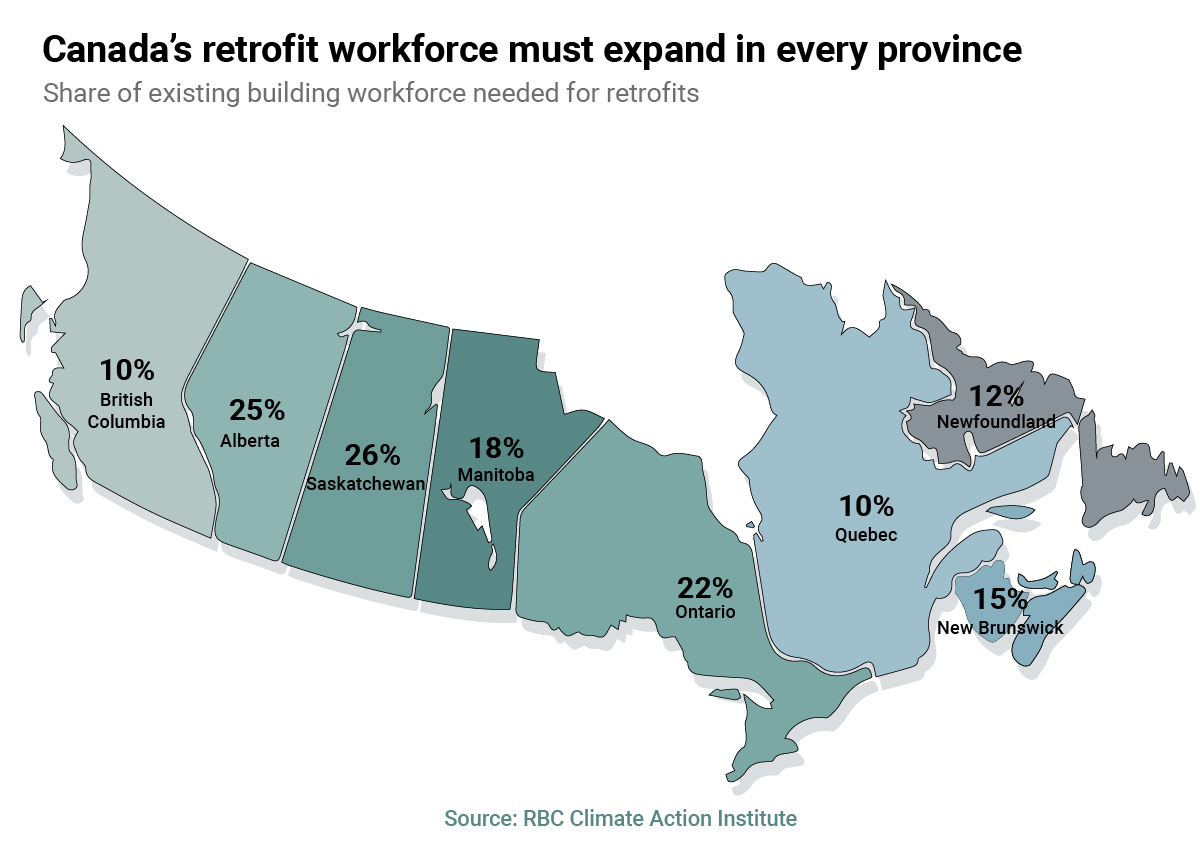
Some provinces will be more challenged than others. Inefficient electric baseboard heating can be replaced with heat pumps. But most of the emissions savings will be from replacing gas furnaces with heat pumps. Quebec and B.C., with larger existing trades workforces and less dependence on gas, will be best positioned for this transition. Ontario and Alberta, with a greater reliance on gas, the fastest growing populations, and largest skilled trades shortages, will struggle more.
As a quarter of Canada’s tradespeople approach retirement this decade, we’ll need new strategies to attract young workers. And we’ll need to upskill existing workers. Among trades, awareness about heat pumps and the retrofits needed to support them remains a barrier.
Innovation can also help. Mass timber buildings, for example, require 25% less time and use 40% less site labour than current building styles.11 But they also require workers experienced in 3D modelling and CNC machining to make wood panels. Wages for these workers are 30% higher than for construction labourers.12 Still unlocking the benefits of higher wages for workers, lower emissions, and sustainable design will depend on supporting education in the trades.
Case study
Building a retrofit workforce
Different skills are required to construct green buildings. Projects may require specialized expertise in areas such as solar panel installation, geothermal energy systems, rainwater harvesting, and green roofs. Building managers will need to collect and analyze data on energy use and greenhouse gas emissions and acquire new skills to manage retrofits. They’ll also need to operate smarter, more complex building systems. Architects will need to develop expertise in retrofits as well as sustainable design. And much greater focus must be paid to upskilling HVAC trades to deploy heat pumps and complex new systems to support them.
In Canada, Workforce 2030 is leveraging a network of community organizations, educators and industry experts to transition pandemic-impacted workers into green building work like energy retrofits and new low-carbon construction. More practical training will also be needed. Singapore’s “Green Skills at Work” program provides classroom-based and hands-on practical training for workers to gain skills and knowledge in low-carbon construction practices.
4. Supply chains
Canada isn’t the only country trying to decarbonize buildings. European heat pump sales have increased rapidly, with some 16% of buildings heated by this technology.13 Sky-high gas prices due to Russia’s invasion of Ukraine and major efforts by EU governments to drive gas conservation have helped this along.
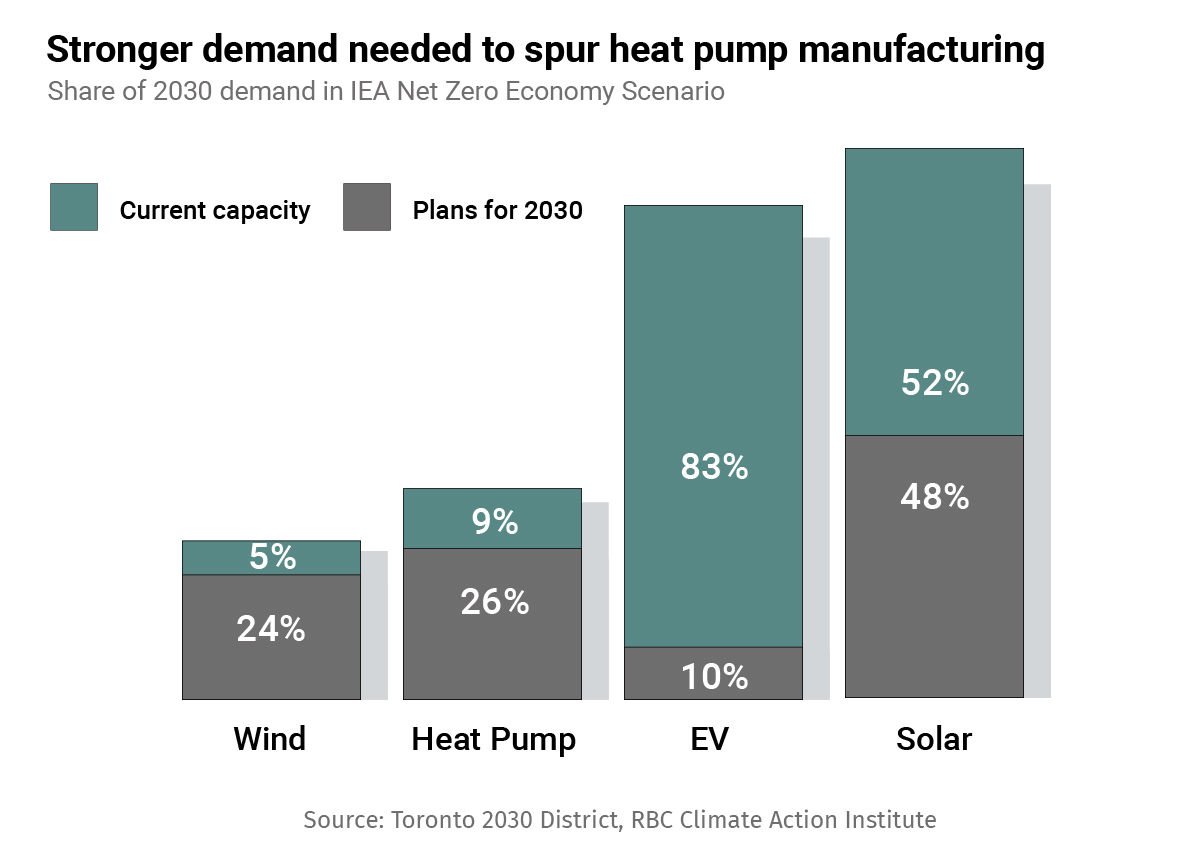
The International Energy Agency warns sales might outpace supply.14 Companies in Asia and Europe have announced plans for new manufacturing plants, but these fall short of what’s needed. With just two years required to build these facilities, that could be quickly resolved. But robust demand will be important to spur investment.
Our cold climate and large living spaces make Canada’s needs unique—but also give us the incentive to innovate. Natural Resources Canada’s joint program with the U.S. Environmental Protection Agency and Department of Energy to develop cold climate heat pumps, is a good first step.
But with limited Canadian manufacturing, we’ll still need to compete for these critical goods. The Biden administration, for example, recently added heat pumps to the list of goods identified in the Defense Production Act identified as critical U.S. climate goals. Though Canada may benefit from more a robust U.S. supply, relying on foreign suppliers adds unnecessary risk to our transition. Canada’s collaboration with the U.S. should be paired with efforts to diversify our supply chains for this critical technology—and establish production at home.
Principal author: Colin Guldimann, Senior Economist, RBC Climate Action Institute
RBC Naomi Powell, Managing Editor, Economics and Thought Leadership Farhad Panahov, Economist, RBC Climate Action Institute Ben Richardson, Research Associate Trinh Theresa Do, Senior Manager, Thought Leadership Strategy Darren Chow, Senior Manager, Digital Media Shiplu Talukder, Digital Publishing Specialist
Brookfield Sustainability Institute Luigi Ferrara, Dean, Centre for Arts, Design & Information Technology Jacob Kessler, Director Account Management & Business Development Matt Hexemer, Director, Global Design Studio Joseph Enaje, Lead Designer Chiara Alberti, Writer/Designer Lucrezia Marsili, Writer/Designer Finn Crockatt, Writer/Designer
Acknowledgements We thank the following people for insightful conversations and support with technical analysis: Julia McNally, Sheena Sharpe, & Cara Sloat, Toronto 2030 District Jon Douglas, Director, Global Sustainability, Corporate Real Estate, RBC Denise Gray, Director, Enterprise ESG Strategy, RBC Brendan Haley, Executive Director, Efficiency Canada Isabelle Smith, Director, Engineering Net Zero, SNC Lavalin Stuart Galloway, EVP, SOFIAC Aaron Berg, Director, Energy Efficiency Investments. Canada Infrastructure Bank Julia Langer, CEO, TAF Carl Pawlowski, Senior Manager, Sustainability, Minto Group Joanna Jackson, Director, Sustainability & Innovation, Minto Group Jeff Ranson, VP Sustainability & Stakeholder Relations, BOMA Mark Hutchinson, VP, Green Building Programs and Innovation, Canada Green Building Council Andrew Guido, VP, Sustainability and Innovation, Empire Communities Luke Gilgan, Board Member, Mattamy Asset Management Roya Khaleeli, Director, ESG, Mattamy Asset Management Kevin Kruk, VP, Project Finance, Tridel Graeme Armster, Director, Innovation & Sustainability, Tridel Malini Giridhar, VP, Business Development & Regulatory, Enbridge Participants at the RBC x BSI Net Zero Buildings research forum on March 15, 2023
Net Zero Buildings Forum: Sandhya Casson Kevin Santus Graeme Kondruss Jasraj Singh Narula Wing Yan Chan Tyana Van-Tang Thanusha Kanagendran Isabel Mactal Carmen Skoretz Wing Yan Chan Monika Patel Lakshya Verma Yasaman Musician Haylie Wong Dhruv Sheliya Samyuktha Vasudevan Livy Morden Ka Man Carmen Lau Berk Ercan Angelo Barletta Mansi Bhojani Shree Shivrajnagesh
These estimates incorporate the incremental capital cost of new net zero buildings vs. current codes as well as the upfront capital costs of retrofits (insulation, heat pumps, etc). They do not present the overall cost increases or added annual spending on buildings over the life of these assets, which would be offset by savings from lower energy bills.
Based on natural gas at $10/GJ. In parts of the country where gas costs more, heat pumps can make more financial sense, but break-evens still require significantly higher gas prices.
Cold climate heat pumps are much more efficient at cold temperatures, and unlike lower-cost heat pumps, convert to electric resistance heat only on the very coldest days, meaning they cost less to run and are friendlier to the grid than traditional heat pumps.
Assuming gas costs of approximately 30 cents per m3 and electricity costs at about 14 cents per kWh
The New Climate Bargain is the latest report in RBC Economics and Thought Leadership’s climate series, building from the team’s flagship report, The $2 Trillion Transition, which was launched in October 2021. This climate series is designed to inform and inspire Canadian prosperity, while advancing RBC’s ongoing commitment to speak up for smart climate solutions, a key pillar of RBC’s Climate Blueprint.
Climate change, meet energy security
Russia’s invasion of Ukraine is a cataclysmic moment for global energy markets. As governments and consumers grapple with energy shortages and high gas and power bills, climate change policies are being thrust into competition with energy security.
The old energy order is giving way to a new, disorderly one as Europe and Asia seek alternate supplies to replace Russian exports. Moscow’s ploy to exploit Europe’s energy vulnerability will not be forgotten in a hurry, and has accelerated two contradictory responses: rapid decarbonization and a scramble to raise fossil fuel production at least in the short term.
The dichotomy underscores a hard truth: short of major additional action, oil and gas will likely remain critical and contentious energy sources for longer than some think.
This poses some critical questions for the West:
Should Canada and the U.S. raise production significantly in the short term to cool prices?
How does higher output square with their ambitious emissions reduction plans?
If governments fail to balance climate action and energy security, will high energy costs and emissions erode public trust?
Canada can still reach its 2050 Net Zero targets, but it may not be a linear journey.The Canadian government has called for more oil and gas production to help ease the global crisis in the short run, while maintaining a firm commitment to competitive and decarbonized oil and gas in the long run.
Our research shows both goals are within reach—but at significant cost. Canada can still reach its 2050 Net Zero targets, but it may not be a linear journey. There isn’t a moment to lose. Policy action over the next 24 months must chart Canada’s climate-and-energy path to Net Zero by 2050.
Key findings
Canada’s oil and gas sector can support near-term energy security while advancing climate action, but will need regulatory certainty and support at all levels of government.
Oil sands and conventional producers could raise production by up to 500,000 barrels per day from 2021 levels.
This could add 9 million tonnes of greenhouse gases per year, costing at least $1.5 billion annually to abate—but bringing potential net benefits of $10.5 billion annually. Critically, if Canadian barrels displace those of other producers, there would be no additional global emissions.
Meeting climate targets despite new production will demand significant investment in methane reductions, as well as electrification and carbon capture across industries.
Cutting emissions 40% from current levels in the oil sands by 2030 will likely require $45 billion to $65 billion in capital spending between 2024 and 2030, peaking at about $9 billion per year mid-decade.
Full upstream decarbonization with carbon capture, utilization and storage (CCUS), a critical emissions-reduction technology, will require oil prices averaging roughly US$50 WTI through 2050.
A deliberate approach to deploying decarbonization technology in the oil sands is needed to avoid over-investing in costly solutions. CCUS should be viewed as just one tool at Canada’s disposal.
CHAPTER 1
Oil is here for the long haul
The journey to decarbonization was never going to be smooth. But it’s turning out to be a highly disruptive economic and political event.
While energy security and climate change have long been on a collision course, Moscow’s aggression has brought the conflict to a head. Early indications suggest at least 3 million barrels per day of Russian oil could be shut in as buyers stay on the sidelines. In the longer term, a bigger portion of Russia’s 11.7 million bpd production could be challenged in the face of oil majors’ exits and as Moscow becomes an international pariah.
The Russian invasion has prompted calls to cut oil and gas demand by accelerating investments in clean energy technologies, a move that could blunt bad actors’ ability to hold energy markets hostage. But most countries would struggle to switch their energy sources rapidly over the next decade.
For example, zero-emission vehicles (ZEVs) accounted for just 5.6% of Canadian light vehicle registrations in 20211. Given this modest starting point, it would take a Herculean effort to reach the ZEV mandates set out in Ottawa’s recently announced Emissions Reduction Plan (ERP). The mandate requires at least 60% of all new light-duty vehicle sales be ZEVs in 2030. Even if Canada meets that ambitious target, 84% of light vehicles will still run on gasoline by the end of the decade
Russia’s actions in Ukraine have shocked energy markets but it’s still too early to know if the world will double-down on investments in renewable energy or lean on fossil fuels to manage the shortages. Most likely, both will see a wave of new investment.
Early estimates suggest global oil and gas capital expenditures will increase 11.6% year-on-year to US$533 billion in 2022. They’ll rise another 4% in 2023, before returning to pre-pandemic levels in 2024, according to Fitch Solutions.
So far, high fossil fuel prices have done little to curtail demand, at least in North America. While renewable energy investments are expected to rev up too, in Canada, there’s a renewed push for more oil production and a call for more pipelines. In the U.S., shale basins and Middle East oilfields are preparing to bring back mothballed rigs.
And the world may be falling back into old consumption patterns. Germany plans to build LNG terminals even as it accelerates investments in renewables, while the IEA has recommended a temporary switch to coal and oil-fired electricity to wean the European Union off Russian gas. Both would add to, rather than cut, emissions.
The hurried response is aimed at protecting consumers from price spikes. Persistently high energy prices are cascading across energy-intensive industries, raising prices of staple commodities and denting the budgets of vulnerable households and small businesses. In such an environment, energy accessibility and affordability usually trump climate considerations for consumers.
There are already signs that government resolve is weakening: Germany, California, and British Columbia, usually climate leaders, are offering subsidies to offset high gasoline and power prices.
So far, high fossil fuel prices have done little to curtail demand, at least in North America. Consumers have room to absorb higher prices, since US gasoline costs are still nearly a full percentage point lower as a share of personal consumption expenditures than early in the 2000s, and Canadians have amassed major savings stockpiles during the pandemic.
While there is regulatory and investor pressure on energy suppliers to rein in direct emissions (Scope 1) and indirect emissions from purchased electricity (Scope 2), governments have tiptoed around the equally significant challenge of altering consumer behaviour.
Globally, explicit and implicit fossil-fuel subsidies primarily focused on the consumer stood at US$5.9 trillion in 2020, or about 6.8% of GDP. And they’re expected to rise to 7.4% of GDP by 2025, according to the International Monetary Fund. Consumer behaviour trends also suggest preference continues to take precedence over climate considerations: sales of SUVs soared 10% and accounted for 45% of all car sales last year, adding 120 million tonnes of CO2 annually.
Taken together, these indicators suggest oil demand will rise rather than fall in this decade. The IEA’s short-term forecast pegs demand for oil at 104 million barrels per day in 2026, compared to around 99.7 million this year. Production growth over the next few years will be led by the United States, Saudi Arabia, UAE, Iraq and Brazil.
Absent greater action, rising investment in clean energy doesn’t necessarily mean a decline in traditional energy sources.Canada’s contribution to higher output is also baked into the pie. The Canada Energy Regulator expects domestic production, led by the oil sands, to peak at 5.8 million bpd by 2032, before falling to 4.8 million bpd in 2050, assuming action to reduce GHG emissions continues at its current pace. If that’s the case, emissions would mostly rise, despite improvements in oil sands efficiency (which has fallen by a third since 1990.)
Surging global energy demand
Energy demand over the past four decades has grown around 1.75% annually. With global population set to rise by another 2 billion people by 2050, expect that demand to surge again. As a base case, the IEA projects energy demand will grow 1% annually over the next three decades.
While renewable energy consumption is forecast to lead growth with a 3.2% annual increase between 2020 and 2050, oil demand is expected to rise by 0.5% and natural gas by 1.3% annually. Absent greater action, rising investment in clean energy doesn’t necessarily mean a decline in traditional energy sources.
Still, a bullish scenario for oil markets is far from certain. The IEA’s less optimistic scenario pencils in a 25% decline in oil demand, with prices averaging US$64 per barrel. However, if a greater push emerges to get to Net Zero, prices drop as low as US$24. Net Zero production will be a prerequisite to sell into that shrinking oil market.
The trouble is, this base case for fossil fuel demand is at odds with climate goals.
To have a 50% chance of meeting a 1.5°C warming target (the stretch goal for the Paris Agreement), the world will need to leave 60% of the world’s remaining oil and gas, and 90% of its coal in the ground2.That’s twice as much as a 2° scenario, and suggests we’ll need to hit peak global production soon—certainly within the decade.
Compared to 1.5°, 2° could be even more destructive for the planet, with twice as many plants and animals seeing their habitats diminish, large swathes of sea coral becoming extinct, and millions more people facing heatwaves, floods, and water scarcity3.
Against that bleak backdrop, Western oil production should not continue unrestricted no matter how acute the energy security imperatives. To resolve that tension, new Western production must displace other sources, to stabilize global emissions (including Scope 3 emissions that include an organization’s upstream and downstream emissions), and policymakers must redouble efforts to drive down oil demand.
Canada has the tools and technologies needed to rapidly deploy renewable power, electrify buildings and transport infrastructure, and, in some cases, industry. But managing the impact of intermittent renewables and the high cost of some alternatives will require careful planning, too.
But displacing development of fossil fuel resources elsewhere will be more challenging. Western economies need to be on the same page, targeting a growing Western share of oil production and falling overall oil demand. And they’ll need to agree to pay a premium for oil from climate-compliant producers.
Canada and the U.S. should pursue a North America energy security alliance that secures both conventional energy, and the underlying resources for energy transition. Elements of such a strategy include long-term contracts with U.S. refineries that provide certainty for Canadian oil producers to invest in decarbonization, maintenance of existing pipelines and support for power transmission lines.
Canada must ensure it receives consideration for its stability and energy decarbonization efforts. Long-term contracts could seek to put a floor on oil prices at levels that support decarbonization investments in Canada, and reduce the impact of extremely high oil prices for US consumers.
CHAPTER 2
Canada’s role in ensuring energy security
Energy is a critical sector for Canada. Oil and gas extraction and support activities, refining, distribution and transportation, could account for close to 10% of Canadian GDP in 2022. In addition to directly employing 178,500 Canadians, the industry supported 415,000 indirect jobs in 2020.
Resource-rich provincial governments benefit from royalties, which are expected to total at least $18 billion in 2022, up 50% from 2021 due to high energy prices and fully paid-down projects. 4
Given its sizeable resources, Canada can play a critical role in ensuring global energy security—that both addresses short-term energy shortages and burnishes Canada’s status as a soft power whose resource wealth can neutralize non-democratic forces. The challenge is to do so without threatening our climate goals.
First, the good news. Canada can boost oil and gas exports to the U.S., which, in turn will raise the U.S.’s ability to expand energy supplies to the rest of the world.
We estimate that Canada can raise production by as much as 500,000 barrels per day through a combination of oil sands and conventional oil production to overcome supply deficits over the next year.
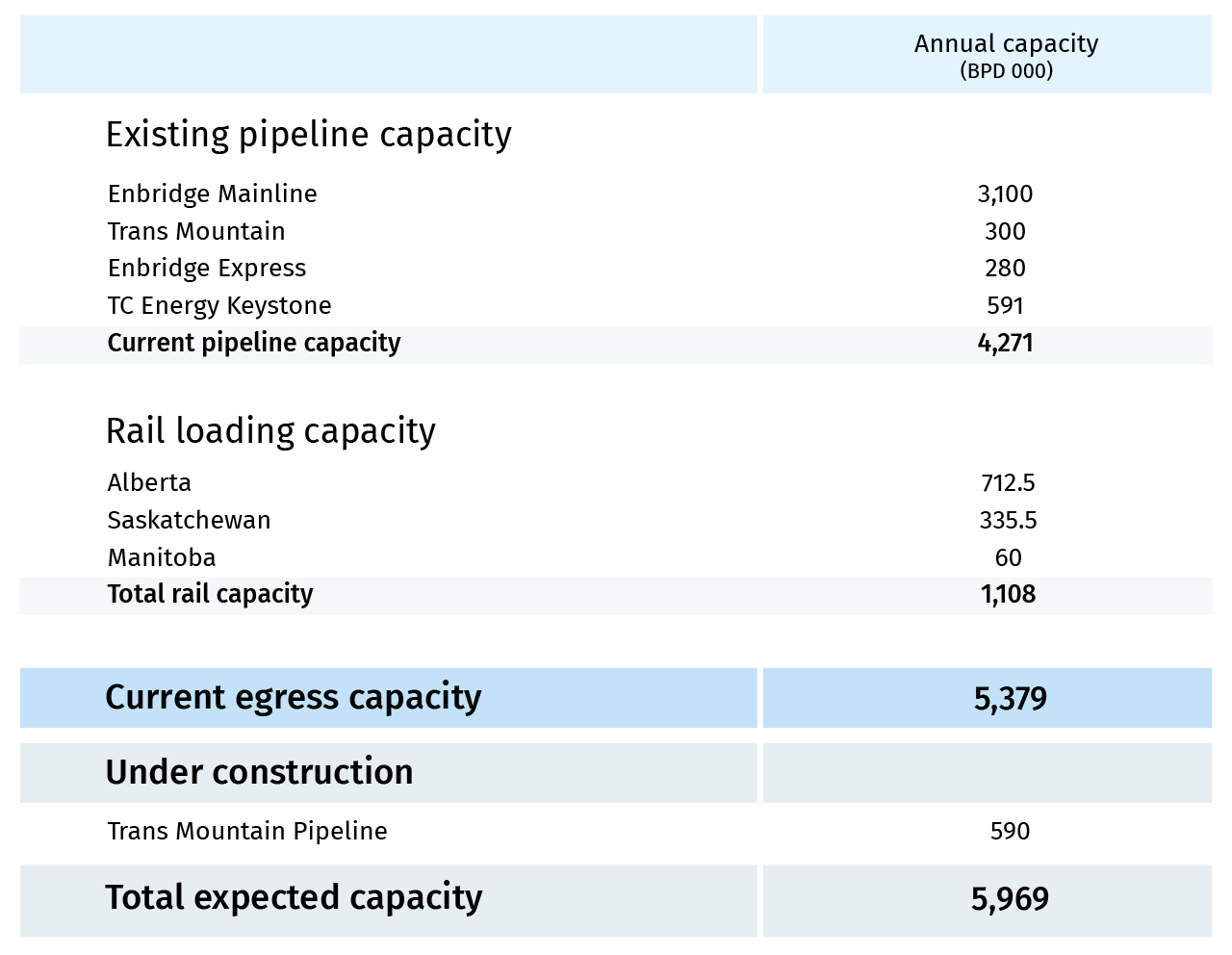
While Canada’s exports are already at near record levels with an average of 3.76 million bpd in 2021, U.S.-destined pipeline capacity stands at more than 4 million bpd.
Over the past few years, Canadian pipeline operators have invested in decongesting their systems to optimize capacity, but further notable increases may require new lines, according to industry.
But under a realistic production forecast, that may not be necessary. The Canada Energy Regulator’s latest forecast of 5.3 million bpd of pipeline and rail capacity by 2050 should be sufficient to handle Canadian production.
Around 1 million bpd of total rail loading capacity suggests that, in a pinch, current oil export capacity can support near-term expansion. However, railway companies will be challenged to supply specialized rail cars and juggle demand from agriculture, food and minerals producers already struggling with supply chain challenges in order to accommodate higher oil shipments.
Canadian takeaway capacity is sufficient
Source: Canadian Association of Petroleum Producers, Canada Energy Regulator
The bad news: rising production could challenge Canada’s recently-announced ERP target to cut oil and gas sector emissions by 42% as new production adds as many as 9 million tonnes of additional emissions.
Laying the Foundation for Emissions Cuts
Required under Canada’s Net Zero legislation, the Emissions Reduction Plan (ERP) and the subsequent federal budget marked a tone-shift for climate policy. The document outlined emissions targets at the sectoral level, and provided significant new funding for transportation, carbon capture, and nature-based climate solutions.
But when it comes to the all-important energy sector, it was short on details. Mindful of a war in Ukraine and a full-blown global energy crisis that is still unfolding, the ERP underscored the dilemma of setting aspirational climate goals at a time of structural disruption in energy markets.
The ERP assumes rising Canadian oil production. But recent announcements pay more attention to new projects’ emissions rather than their economic benefits. The message from Ottawa is, increasingly, that only the lowest-carbon operations will be given social license to produce.
It will be a challenge, but we believe Canada can accelerate oil production and achieve its stated goal of reducing greenhouse gas emissions by 40 to 45% by the end of the decade.
There are no guarantees. The industry may not respond to the call to raise production without resetting emissions targets and obtaining social licence. Investors have prioritized dividends and buybacks over ploughing back profits to generate more barrels, while labour shortages and stringent ESG targets are further discouraging a push to raise production.
Should oil prices rise further, that may not be the case. But to secure more energy supplies, Canadian policymakers should signal greater comfort with a short-term rise in oil emissions—as long as emissions start to fall in other areas, or oil production starts coming offline beyond 2030.
At the same time, policy makers can pull other levers to ensure we remain close to our 2030 emissions targets. Rising oil sector emissions can be offset with cuts elsewhere, such as by accelerating renewable power infrastructure and building decarbonization, and improving energy efficiency. The economic benefit of rising oil production can help offset the cost of accelerating other sectors’ decarbonization, especially buildings and electricity, where supply chain bottlenecks may be less severe than transportation.
Overall, there’s no need for near-term energy security challenges to threaten the world’s commitment to Net Zero. But cross-sector trade-offs won’t work in the long term. Canadian oil producers will need to cut not just industry-average emissions, but overall emissions in each type of production. Making the long term investments needed to do so requires clarity, and there’s no better clarifying moment than an energy crisis.
CHAPTER 3
The need for CCUS
While supporting near-term energy security and meeting future climate targets will be challenging, our report $2 Trillion Transition: Canada’s Road to Net Zero found that technologies to achieve deep cuts are readily available for transportation, buildings and electricity.
The ERP already targets 42% emissions cuts in the oil and gas sector, nearly 40% of which come from the oil sands, where cuts are costly and technically difficult. This will be challenging to achieve, given the industry’s reliance on capital-intensive carbon capture projects for deep cuts.
Development of the recently-approved Bay du Nord oil field off the coast of Newfoundland, which may only start producing oil in the late-2020s, could add some 4.5 million tonnes over the life of the project.
But conventional oil and natural gas producers appear well placed to cut emissions over the next decade. For one, their emissions are lower per barrel, due to lower energy input. For another, about 40% of upstream natural gas emissions, and two-thirds of conventional oil emissions come from methane releases and leaks. These are slated for a 75% reduction by 2030 via widespread leak detection and vapour recovery units, making up nearly the entire contribution of cuts in the ERP.
More effort to electrify facilities near B.C.’s clean electricity grid to address combustion could deepen cuts and make room within the sector for rising production. In the medium term, with greater effort by utilities to bring electricity to more parts of B.C. and Alberta’s oil and gas fields, deeper decarbonization is possible.
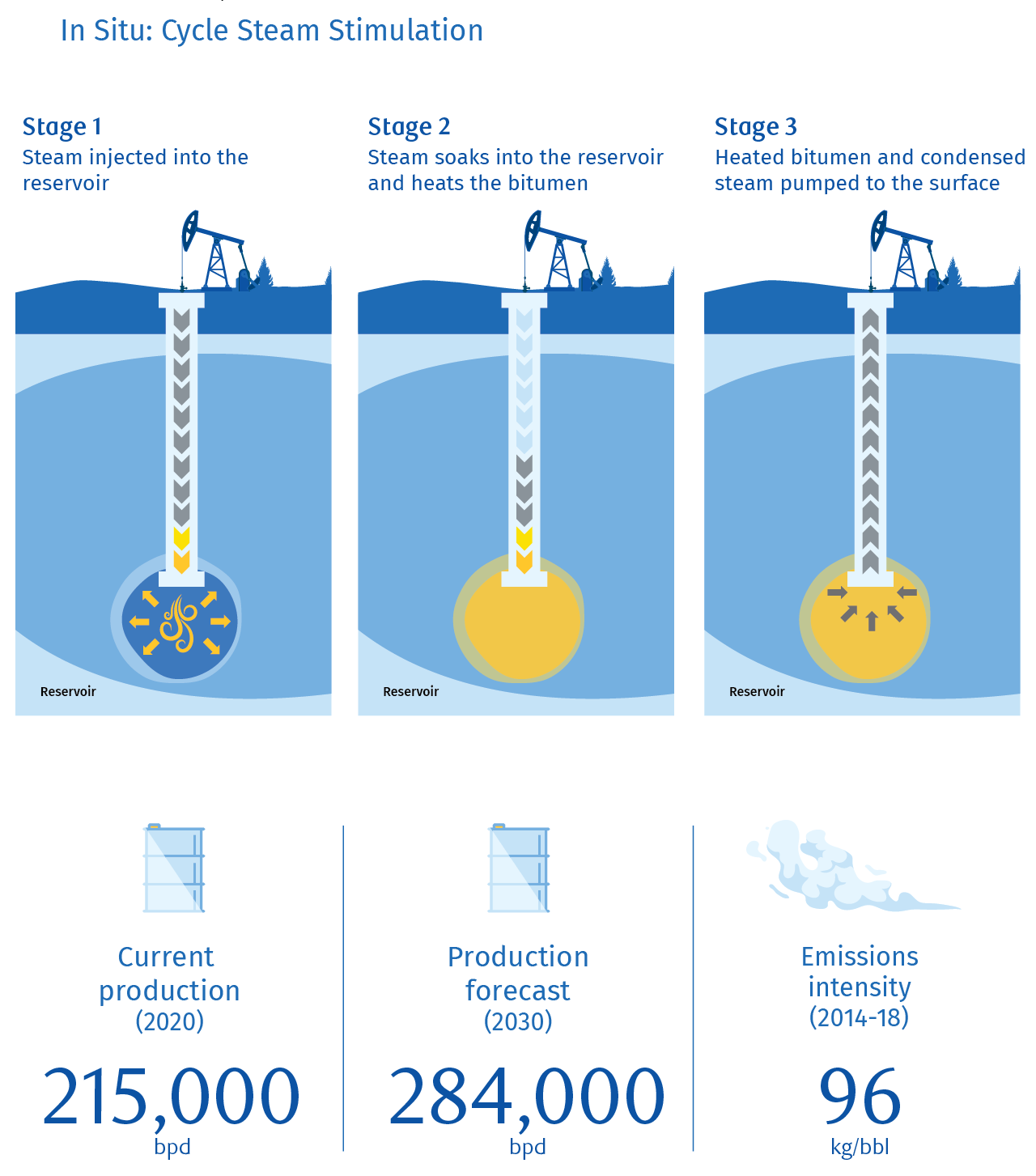
Types of bitumen production
Mining: Shovel-Ready Only a fifth of the oil sands deposit can be extracted by mining. Massive shovels scoop out the bitumen and ship it on large trucks to cleaning facilities where it is separated from sand, water and clay, or tailings. The waste material is sent to tailings ponds. Current production (2020): 1.49 million bpd
Production forecast (2030): 1.70 million bpd The separated oil is processed in two ways:
Synthetic Crude Oil Synthetic crude oil (SCO): Once stripped of the waste, the bitumen is converted to a sweet, synthetic crude oil (SCO), in upgraders, or complex heavy oil refineries. While the process adds to the oil’s emissions at the upstream stage, the lighter, sulphur-free end product can be sold to a conventional refinery.
Average emissions intensity (2014-18): 95 kg/bbl
Froth treatment Mined dilbit or paraffinic froth treatment (PFT): Two new oil sands projects, Imperial Oil’s Kearl Oil Sands Project and Suncor Energy-led Fort Hills, use the PFT method. The process removes the bitumen’s heaviest components and is diluted with lighter blends to produce dilbit. PFT uses a paraffinic solvent as diluent, producing a clean end product that can be transported without the need to upgrade, thereby reducing upstream emissions.
Average emissions intensity (2014-18): 46 kg CO2/bbl
If Canada is serious about cutting oil sands emissions by 2030, the first move is to bring down emissions intensity—the CO2 emitted per barrel—with production efficiencies. But this isn’t likely to bring emissions on track to meet our climate goals.
Without new facilities dragging down average carbon emissions5, oil sands emissions per barrel could improve about 6 to 7% by 2030. Some of these improvements would come at high costs6. Others are only economical for new facilities, or those not yet past the prototype stage.
Over the long term, breakthrough technologies that provide low- or no-carbon steam, like hydrogen boilers and small modular nuclear reactors, could revolutionize oil sands production, as both provide zero-carbon sources of heat and power. Unlike conventional producers, who consistently need to drill new wells, and move emissions-controlling equipment each time, the stationary nature and slow decline rate of oil sands may improve the economics of costlier equipment like reactors.
Until then, carbon capture is the key technology for cutting emissions deeply. The IEA and UN’s Intergovernmental Panel on Climate Change have both identified CCUS as a technology that can help cut emissions with conducive policies, public support and innovation.
Most CCUS projects to date, in Canada and elsewhere, have been heavily subsidized by tax credits or government investments. But the technology is not without significant drawbacks: it’s pricey, slow to build, adds costs, relies on complex engineering, and sometimes fails to capture or store emissions effectively. The technology also needs to be tested in large- scale settings. As yet, there are no major plants that capture CO2 from the combustion of natural gas, which is the primary application for the oil sands. And with just 40 million tonnes per year of existing capturing capacity globally, a near-term buildout of 20 to 30 million tonnes in Canada appears ambitious.
What’s more: CCUS projects don’t inherently have financial returns. The product they make, CO2, has minimal market value, so returns need to be engineered from government policy, like carbon pricing or fuel standards. And in many cases, the avoided taxes or regulatory payments are highly uncertain.
Accordingly, most CCUS projects to date, in Canada and elsewhere, have been heavily subsidized by tax credits or government investments. Or have required corporations to voluntarily pay very high carbon prices. To justify government investment, we need to be sure oil sands production at scale is competitive in the long run.
To justify government investment, we need to be sure oil sands production at scale is competitive in the long run.
Emissions Catchers: Carbon Capture Utilization & Storage Projects in Canada
CCUS projects in operation, under construction and proposed
CHAPTER 4
Can Net Zero oil sands compete in global markets?
The Oil Sands Pathways Initiative, an industry group aimed at getting the oil sands to Net Zero, is targeting targeting 22 million tonnes (Mt) in emissions cuts by 2030. To accelerate investment in CCUS, the recent federal budget announced a refundable investment tax credit totaling a little less than 50% of project costs to 2030. This is a significant step in the right direction, and should help spur studies of, and investment in, the best CCUS sites.7
But for widespread deployment—government modelling implies some 15 to 18 Mt of installed capacity by 2030—more effort from provinces will be needed. This could include a top-up on the credit, but also improvements to non-financial parts of CCUS projects like permitting, liability, and storage rights. The government’s commitment to explore carbon pricing certainty could also help de-risk cash flows from CCUS projects.
And to make an equal contribution to Canada’s 2030 target, we think the overall ambition needs to grow, deploying around 30 Mt of carbon capture in the next eight years.
Doing so would require between $45 and $65 billion in total capital spending between 2024 and 2030, totaling $9 billion per year at its peak. This would be a significant draw relative to the industry’s current investment levels. Assuming the government continues to absorb half the bill, total taxpayer costs would be significant, too.
While previous rounds of high oil prices have led to investment booms, the short-term landscape has changed. After a turbulent few years, oil sector investors prefer to see firms focus on dividends and share buybacks rather than invest in expensive carbon capture projects.
The long-term outlook also challenges major investments in oil sands projects, especially as most forecasts have oil demand falling in the coming decades, as drivers switch to electric vehicles. A major push for decarbonization to reduce demand for Russian oil and gas in Europe may accelerate this trend.
In that context, Canada’s challenge rests in removing carbon emissions from the oil sands without making them uneconomical to extract.
We estimate full decarbonization of the oil sands8 could cost between $6 and $14 per barrel for mined bitumen and $17 and $23 for in situ bitumen. Overall, WTI would have to average about US$50 over the life of the project to meet investor expectations. While that has largely been the case since 2005, uncertain future demand means that may be a high bar.
That said, oil sands wells decline more slowly than conventional ones, making them more suitable for site-specific and immobile CCUS. If CCUS remains a key technology for decarbonizing oil, that may be a structural advantage for oil sands producers. Ignoring sunk capital costs, steam assisted gravity drainage (SAGD) facilities with CCUS could run profitably at prices as low as US$40.
These relatively high abatement costs mean Canadian producers should take a pragmatic approach to CCUS. Deploying investments gradually through the 2020s and 2030s would allow for cost efficiencies and leave room for future technologies to potentially lower costs. A slower approach is at loggerheads with deep emissions cuts this decade, but a measured, realistic approach to decarbonizing heavy oil production will be critical to maintain Canada’s economic competitiveness in the sector.
In the long term, given a majority of emissions from oil consumption come from burning the fuel, industry will need to invest in developing uses for bitumen that don’t require combustion. IEA forecasts put non-combustion demand near 15 million barrels per day in 2050, for things such as lubricants, waxes and asphalt. Opportunities to take the heaviest parts of Canadian barrels and make value-added products like carbon fibre are in the early stages of innovation, but could be a key for diversification and transition in the oil sands.
Of course, this may yet be challenged by emissions reduction mandates levied by government and the significant uncertainty around future oil and carbon prices. We’ll need a coordinated effort by industry and government to address these challenges.
CHAPTER 5
Managing volatility in the investment cycle
The oil sector is highly cyclical, which makes long term investments difficult especially when coupled with the uncertainty of returns for decarbonization projects. For one, it’s likely oil production and emissions will fluctuate through 2050 as prices encourage or discourage investment. Investing billions of dollars in CCUS during periods of price weakness will be challenging, and boom-and-bust weary investors may be reluctant to fund large-scale, long horizon projects even when prices are high.
At the same time, record cash flow of an estimated US$150 billion for Canadian oil and gas producers this year, and expectations that high prices will persist for some time, make allocating public funds to decarbonize the oil sector a greater political challenge amid high corporate profits.
Against this backdrop, a key goal for Canada should be to help smooth volatile investment cycles in the oil patch, and ensure consistent investment in the industry’s decarbonization. Federal and provincial governments should spread out the significant windfall revenues they accrue during high price periods to help sustain investment when the industry is struggling. And firms should commit to funding decarbonization even if oil prices falter.
The Canada Growth Fund is an important shift in the government’s approach, promising new investment structures and formalized involvement in emissions-cutting projects. While co-investing with industry in abatement projects improves financial returns, there are still significant roadblocks to large decarbonization projects. Policy uncertainty, permitting and regulatory snarls, sub-surface rights for carbon storage and liability if it leaks, and the risks associated with early stage technologies can still delay investment.
To deliberately deploy enough investment to meet rapidly approaching targets in the sector, an energy-focused stream within the Growth Fund needs to bring the right stakeholders around a single table to streamline and expedite project approvals.
Resource-rich provinces, the energy and financial industries, regulators, utilities and outside experts can partner with the Growth Fund to jointly address these roadblocks.
To reduce uncertainty, investment in oil and gas decarbonization during low price periods could see higher public contributions than during periods when industry cash flow is high, demonstrating government support when times are tougher.
Crucially, it must have some independence from the political cycle. Rather than additional budgetary allotments, public funding should be directly segregated from existing royalties and federal corporate taxes to ensure funding stability.
Canada Growth Fund’s energy stream: Who does what?
Federal government: can ear-mark windfall corporate tax revenues from high commodity prices to major industrial decarbonization in the Growth Fund, and provide long-term carbon pricing guarantee contracts to de-risk cash flows from specific CCUS projects.
Provincial government: should earmark a portion of the royalties for decarbonization of provincial economies, and commit to proactively reducing the free allocation of credits in provincial pricing systems to support the backstop carbon price.
Provincial and federal regulators: would need to work with ministries industry, and local stakeholders to fast-track permitting and approvals for strategic decarbonization projects.
Indigenous groups: which are at the forefront of both climate change and resource management, should be equity partners and have a voice in how resources are deployed.
Private sector financial institutions: will be key partners to help industry use leverage to hit desired rates of return. Non-recourse financing supported by carbon pricing guarantees from the federal government should be explored.
Utilities: will be key partners to help industry use leverage to hit desired rates of return. Non-recourse financing supported by carbon pricing guarantees from the federal government should be explored.
Industry: will allocate capital as projects are approved, but will also provide expertise on how to direct investment. They must commit to making decarbonization a priority throughout the investment cycle.
Key ideas to move forward
To ensure energy and climate security, the federal government and key provinces, the private sector and Indigenous communities will need to take critical steps in the near future. Some ideas:
ACTIVELY PARTICIPATE IN OIL MARKET STABILITY
Avoid emissions policy that restricts or cuts near-term domestic production at a time when Western Canadian oil is addressing current market disruptions. Beyond 2030, significant efforts should be made to curtail and even wind down projects that are not aligned with Canada’s Net Zero goals. Decarbonization technologies and processes should be embedded in business models of all new projects.
Leverage the Canada Growth Fund to smooth investment cycles in the oil and gas space. Spending could incorporate larger public contributions in periods of lower oil prices and more private funding at high prices.
Ensure any emissions cap is forward-looking. Seek greater effort in natural gas and conventional production than oil sands, and aim for falling emissions over the medium term.
ACCELERATE & DIVERSIFY EMISSION CUTS
Offset slower progress on oil emissions with other decarbonization efforts, including building retrofits, ZEV subsidies, and electrical transmission infrastructure.
Develop new abatement technologies that maintain cost efficiencies. The Canadian Innovation and Investment Agency, introduced in Budget 2022, should also include a stream for the most promising early-stage abatement technologies and non-combustion uses for oil.
Diversify energy investment. While oil and gas will be key fuels for climate transition, electricity and new energy technologies such as hydrogen are gaining momentum. Canada’s energy firms should aspire to broaden their asset portfolio and develop expertise in low-carbon and sustainable technologies that would complement fossil fuel exports.
TAP INTO INDIGENOUS EXPERTISE
Continue to ensure Indigenous groups are key partners in new energy systems. Equity participation in new infrastructure and energy projects would foster support from partners with local expertise, speeding development. Ensuring Indigenous communities receive upside and ownership, as well as the economic benefit of projects, are key pathways to advance meaningful economic reconciliation and inclusion.
FORGE ENERGY ALLIANCES
Resolve key energy trade issues with the United States at the highest political level to overcome state and provincial hurdles. Develop a North American energy alliance with a high-level summit that broadly aligns U.S. and Canada on market access issues including cross-border pipelines, alignment of fuel standards and border carbon adjustments.
Work with international partners to create demand certainty. Aim for long-term oil contracts with the U.S. and Europe to price in environmental efforts, governance and geopolitical stability to ensure the most stable producers remain key suppliers of Net Zero oil. Similarly, cultivate deeper energy ties with Asian economies such as Japan, South Korea and Taiwan to bring energy market stability. Greater trade ties could also open the door for export-focused liquefied natural gas and hydrogen joint ventures with Asian countries.


 EN
EN 

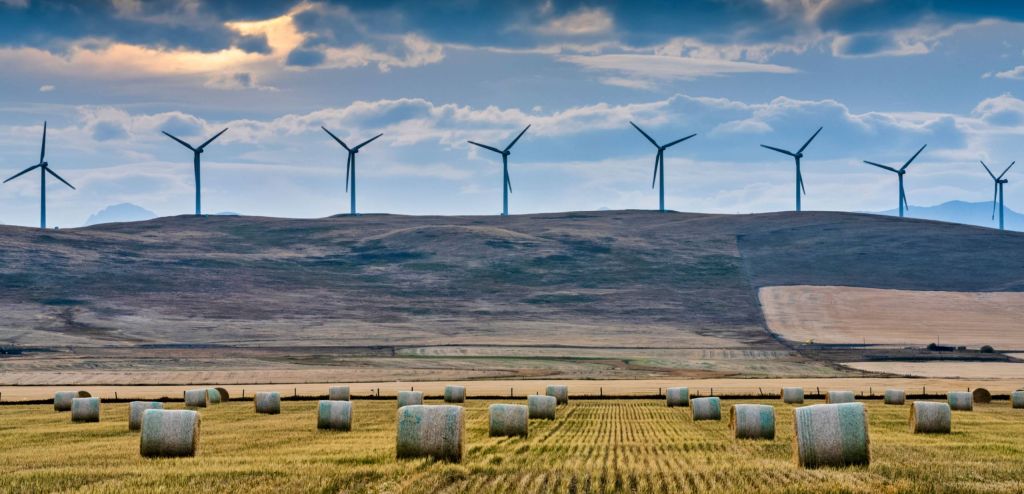
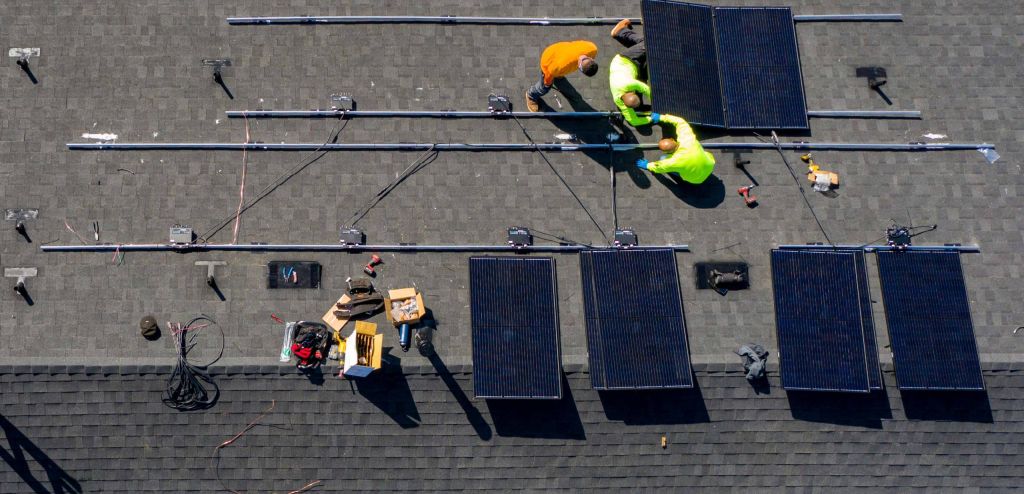
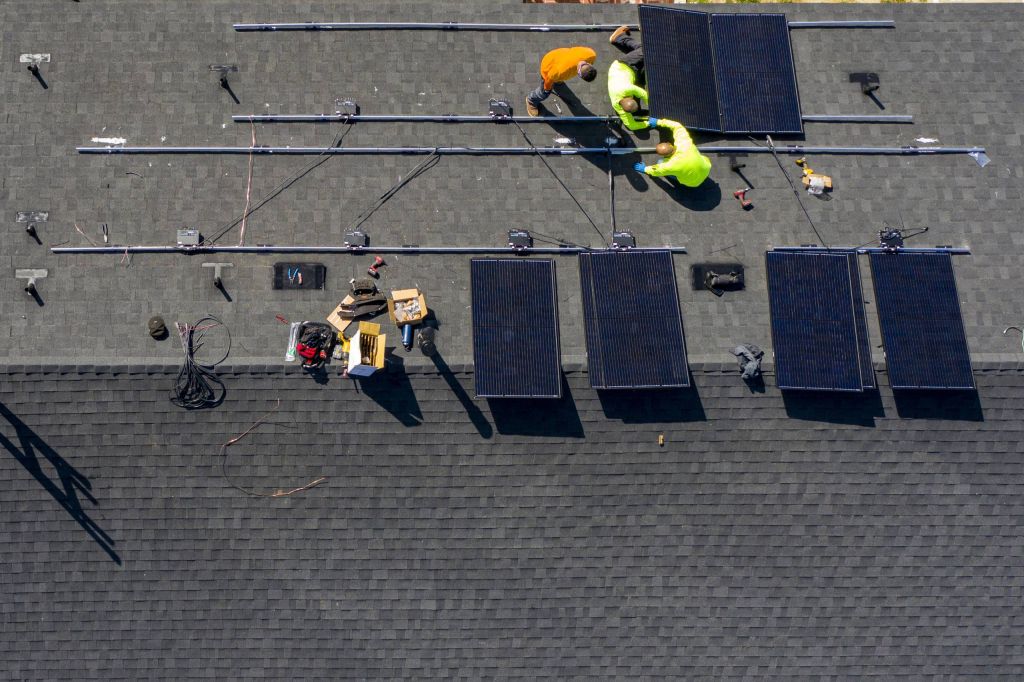





















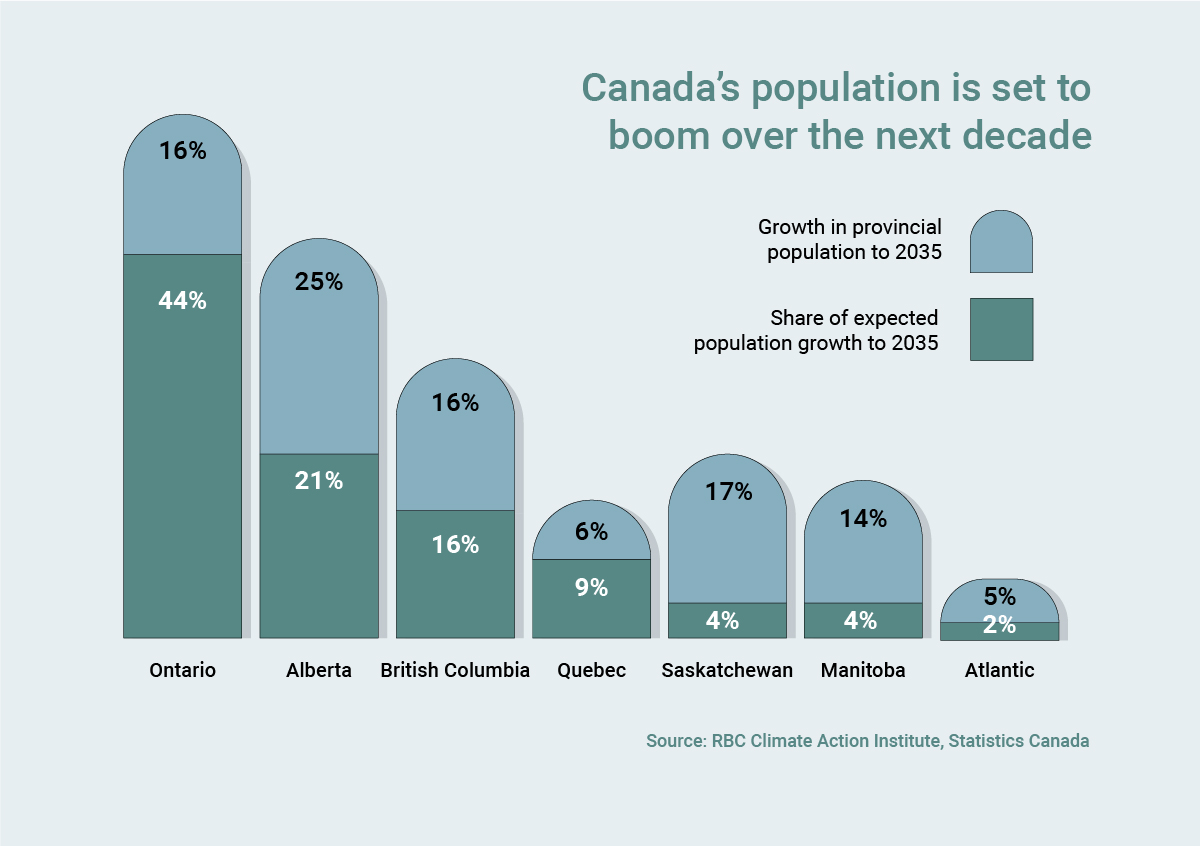

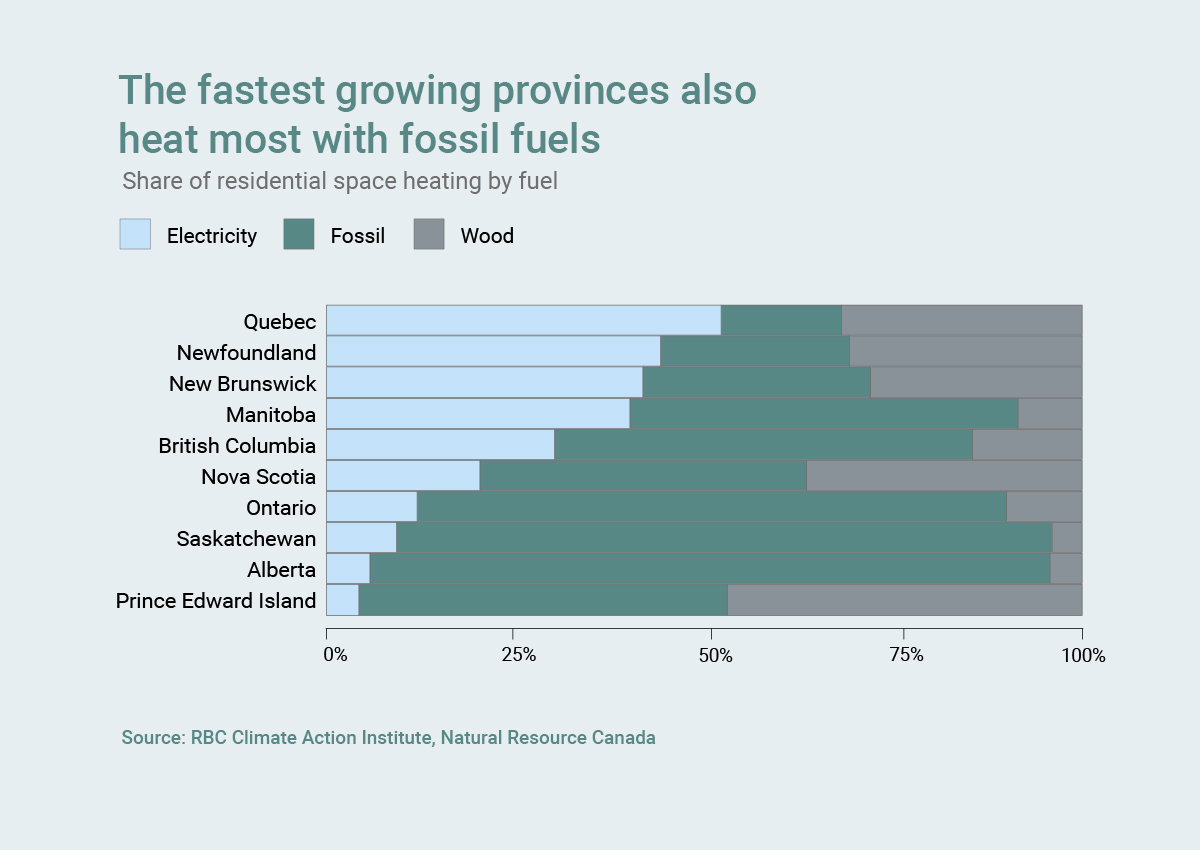
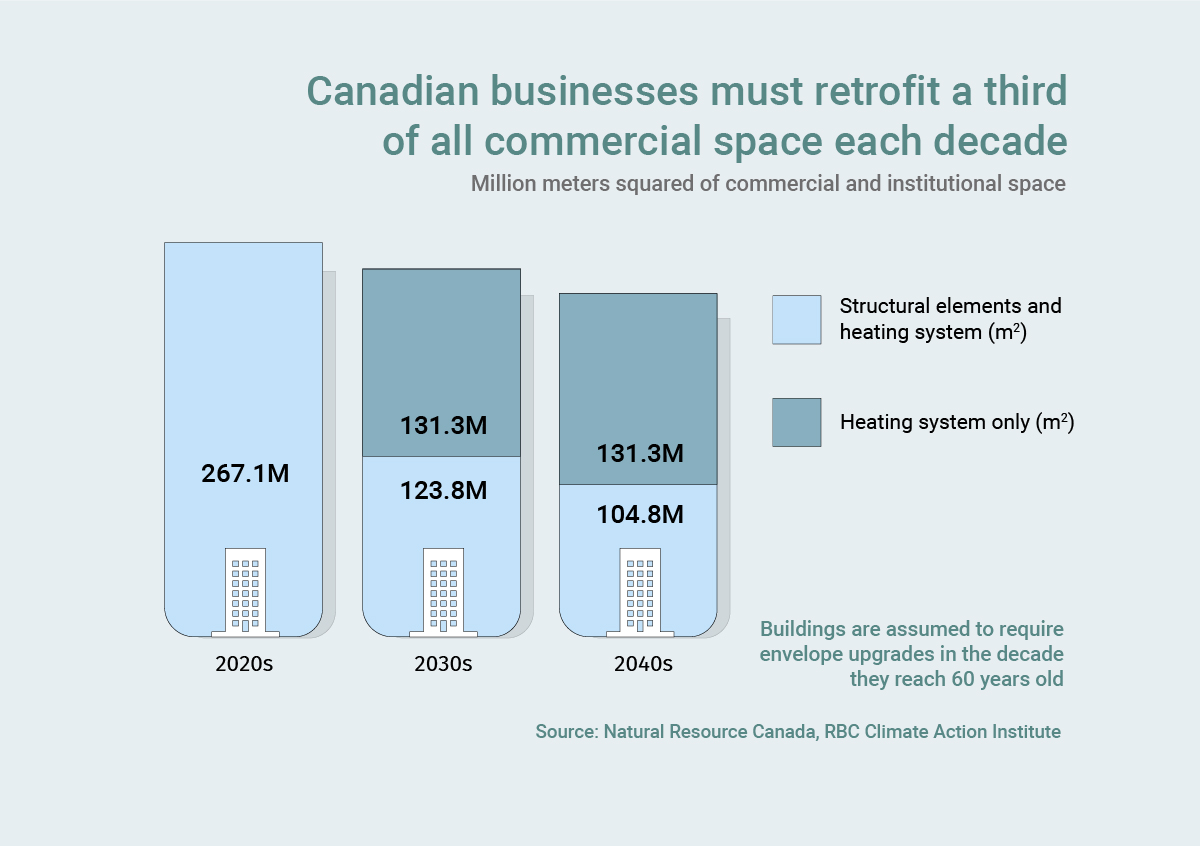
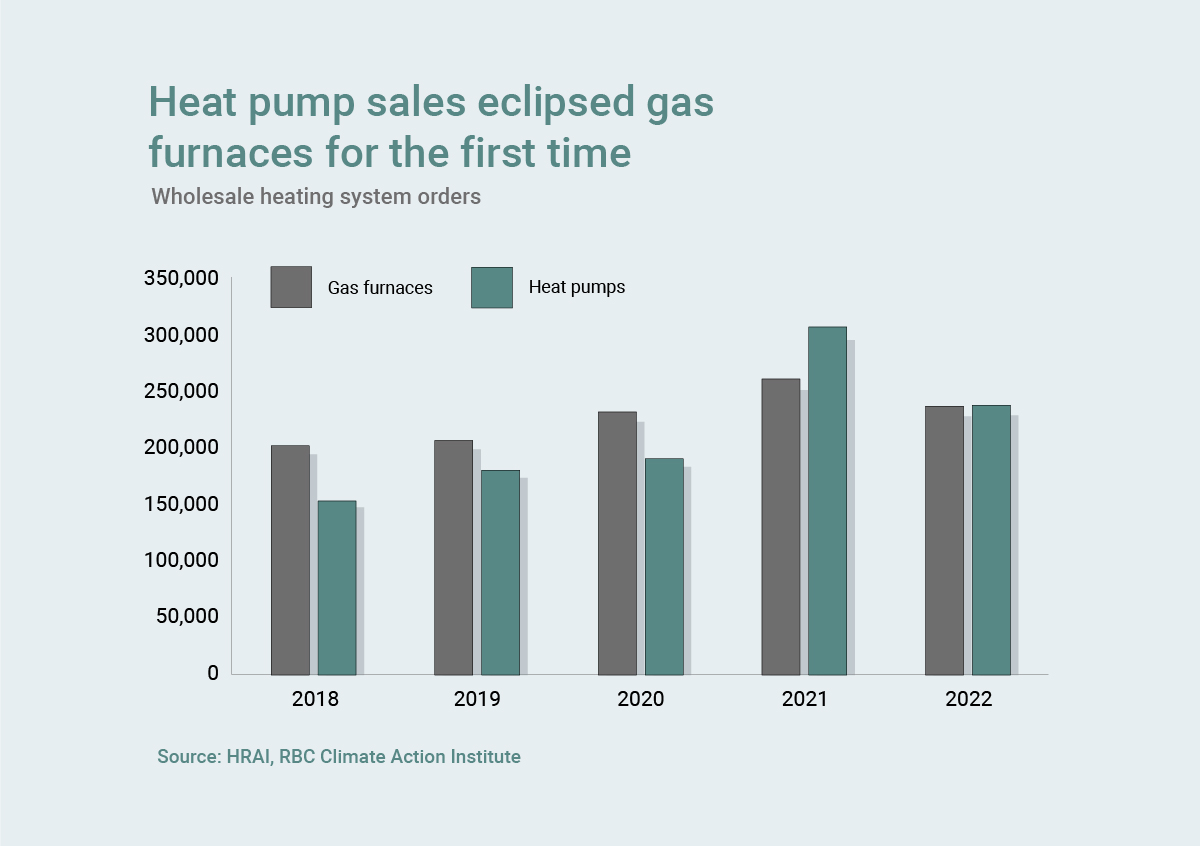
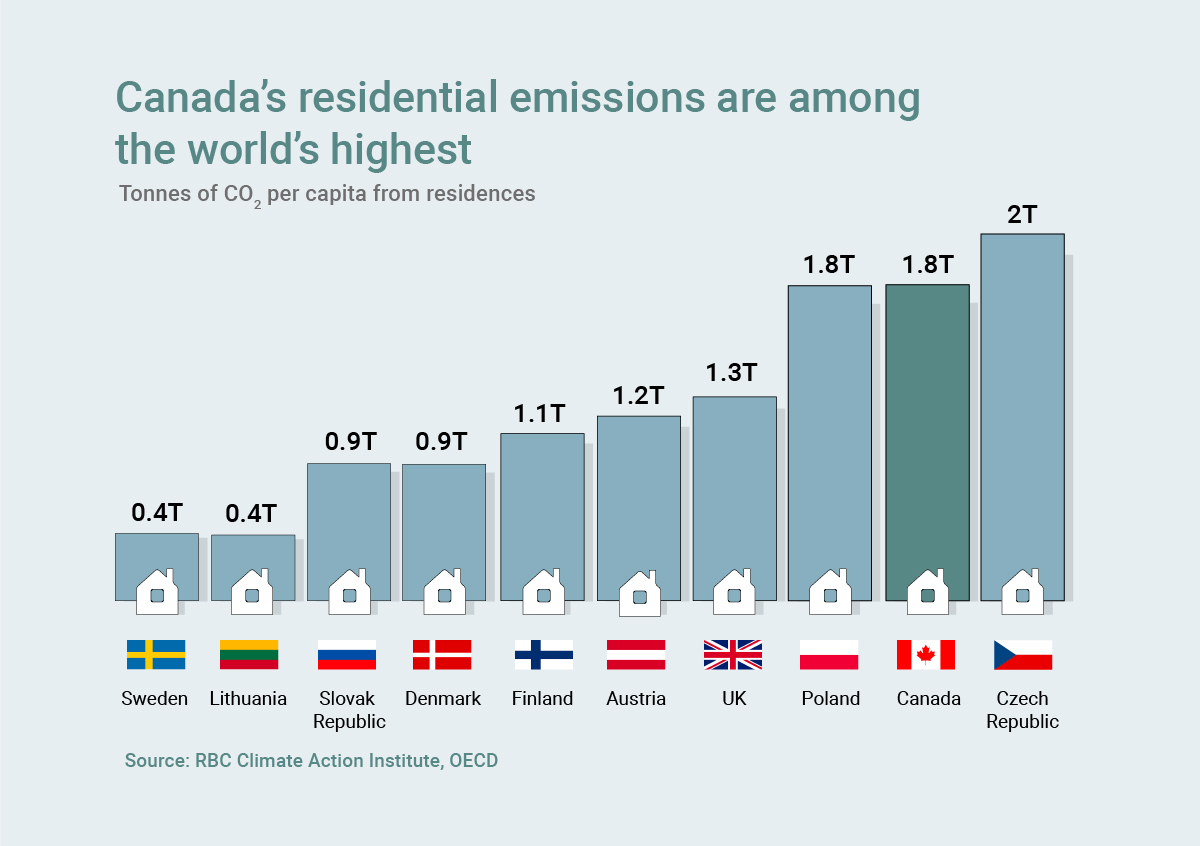









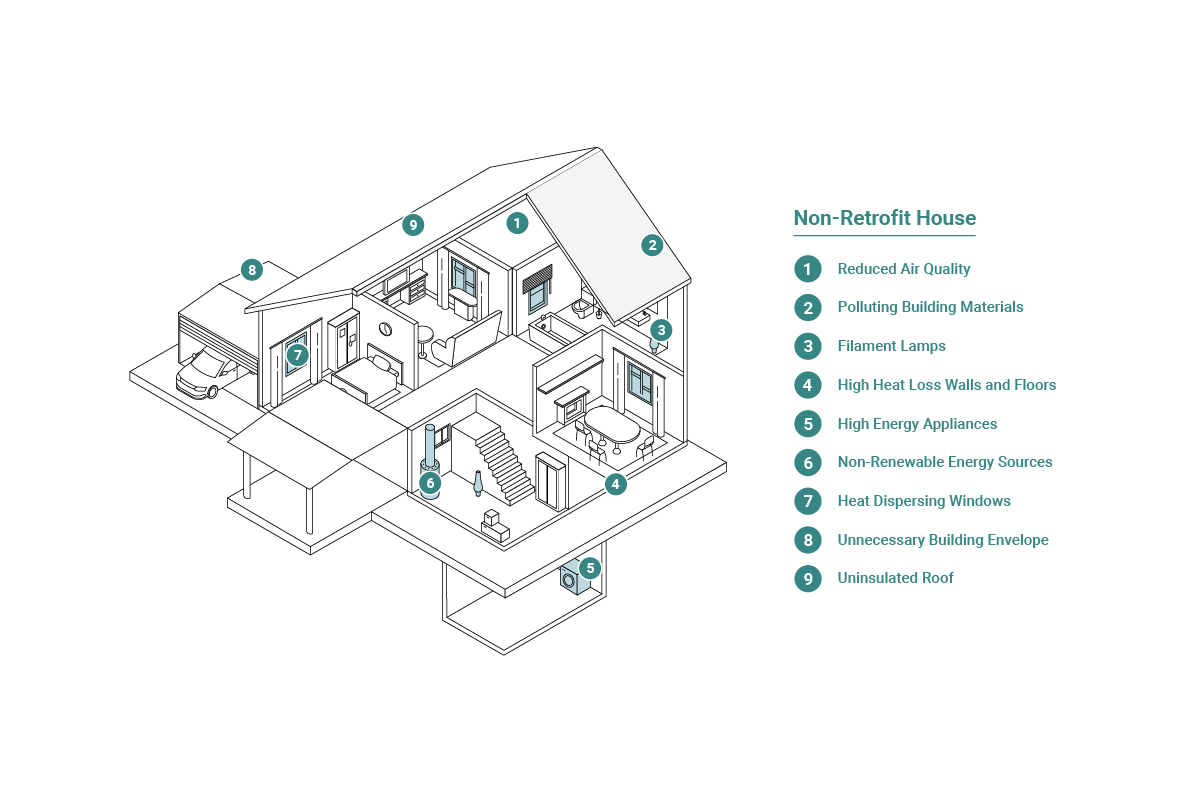
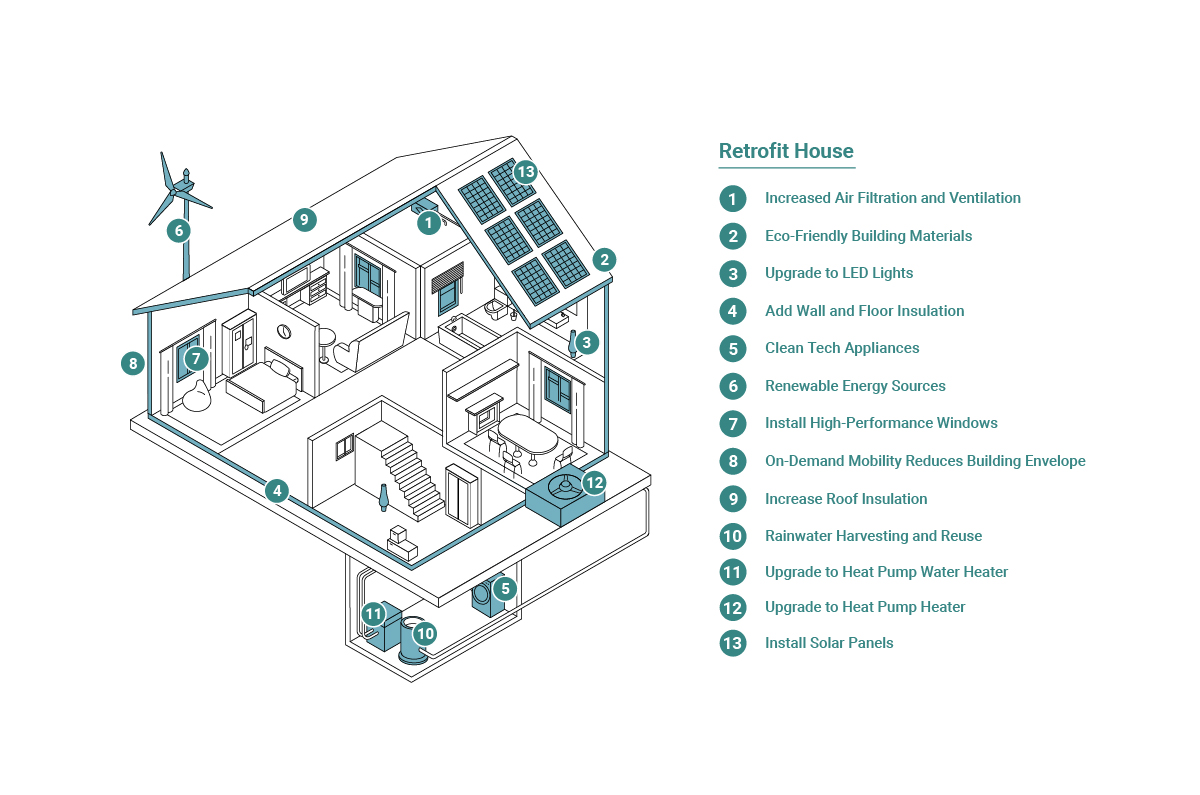
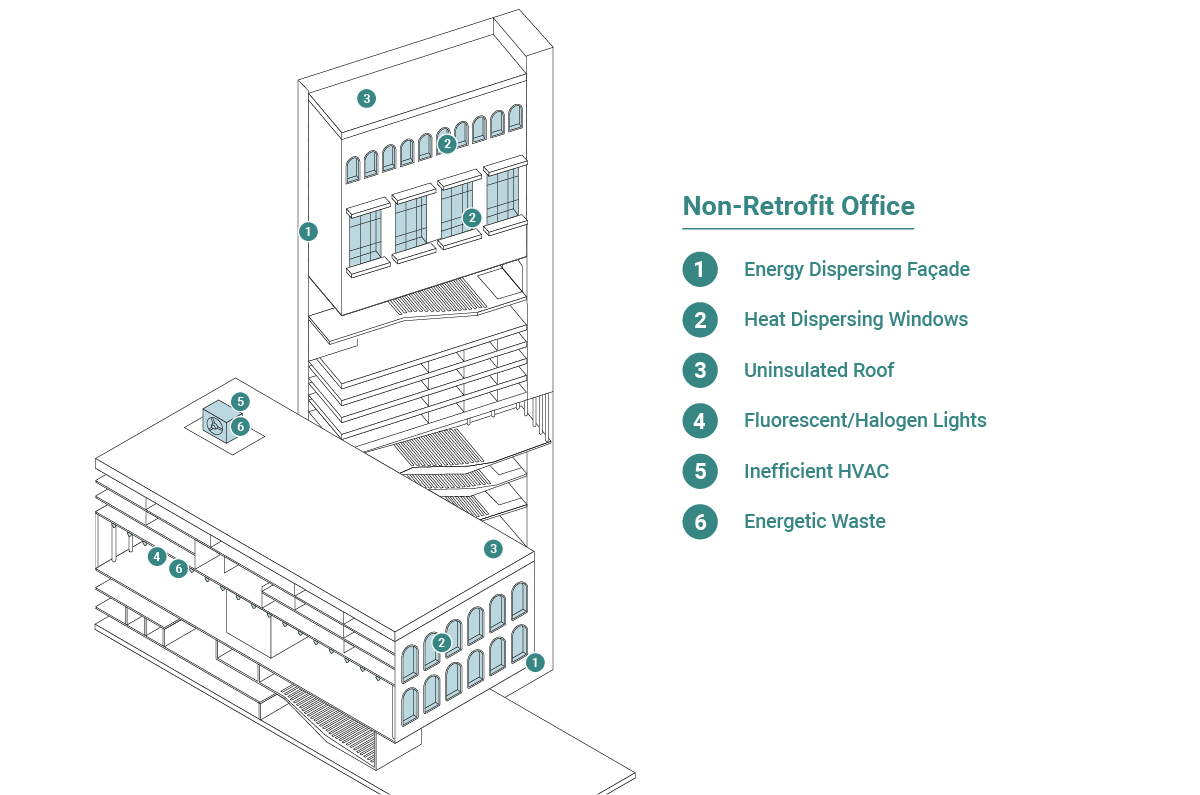
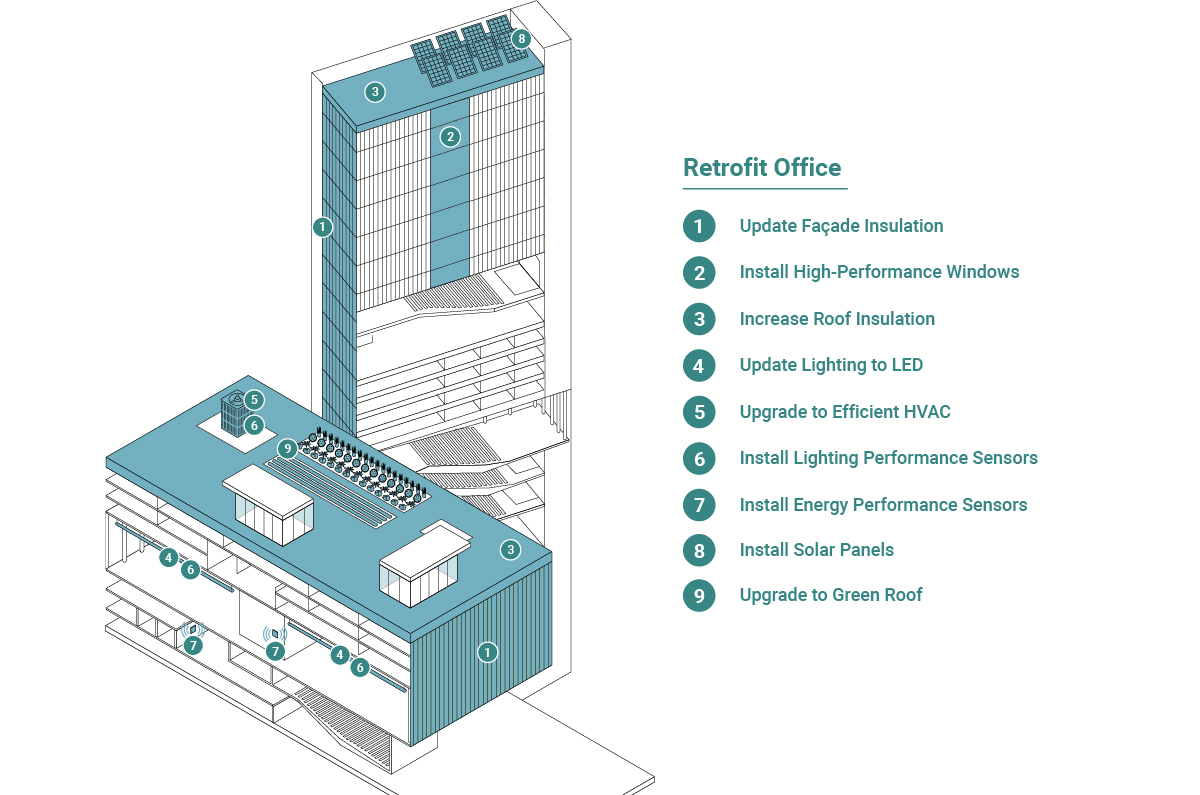
 Finance
 Electricity Infastructure
  Labour force
 Supply Chains