

 EN
EN 

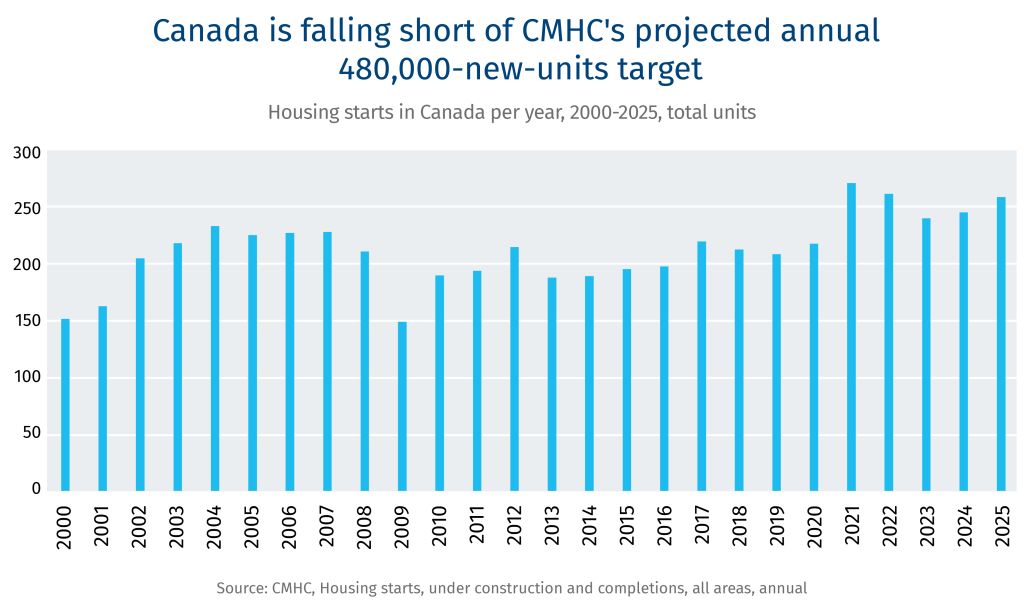
Modern Methods of Construction can help build Canadian homes 50% faster and 40% cheaper than traditional methods. Read A New Blueprint.
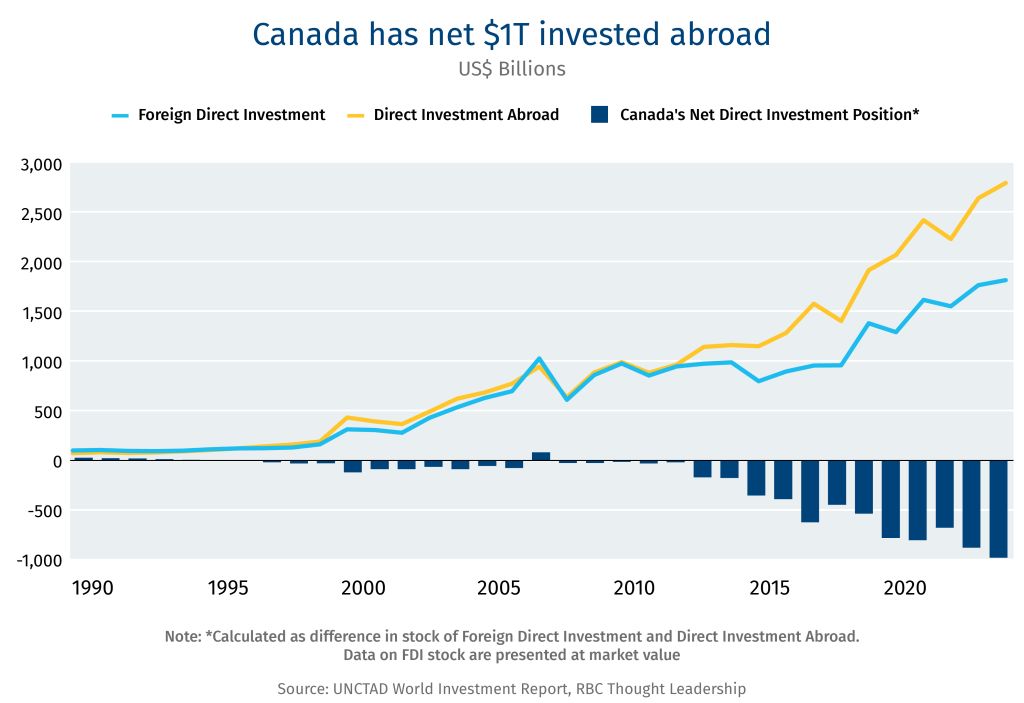
Over the past decade, Canada’s net outflow of investment exceeded $1 trillion, the most significant capital exodus in modern Canadian history.
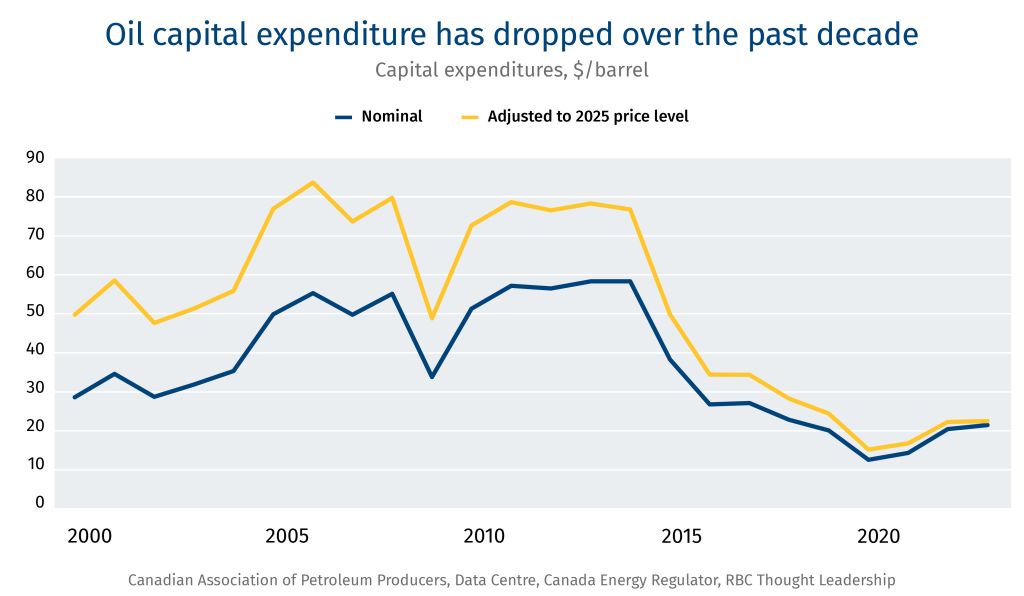
The Canadian oil and gas sector is poised for a potential upturn, driven by global demand for secure and stable supplies of oil and liquefied natural gas.
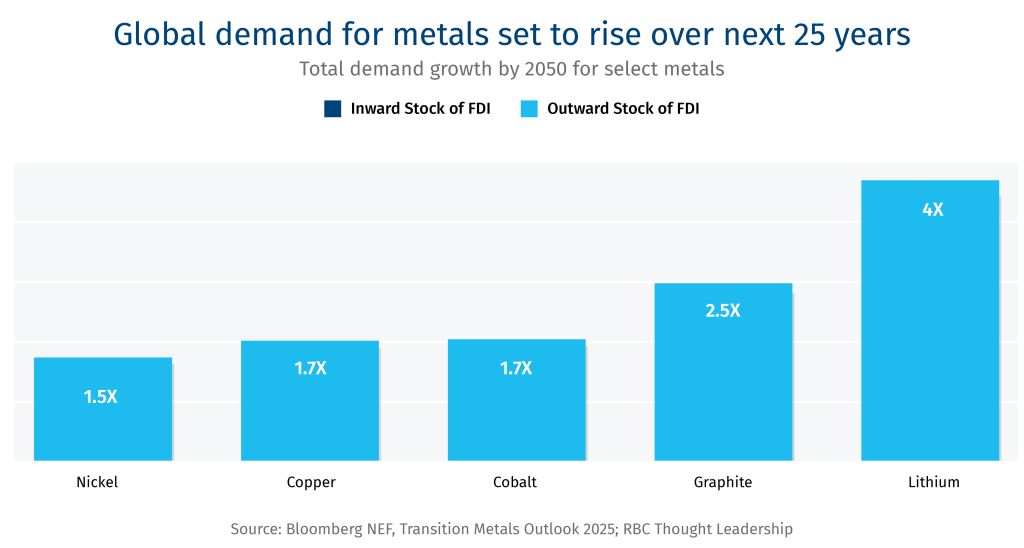
In Capital Gains we examine how Canada can emerge as a critical minerals’ supplier of choice for allies and partners.
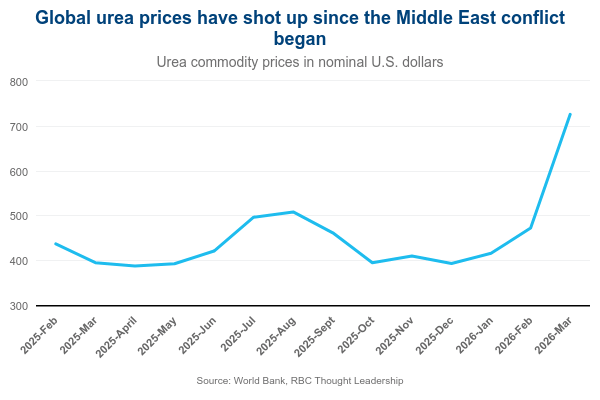
Shortages of fertilizers, such as urea, could have a damaging impact on groceries and food.
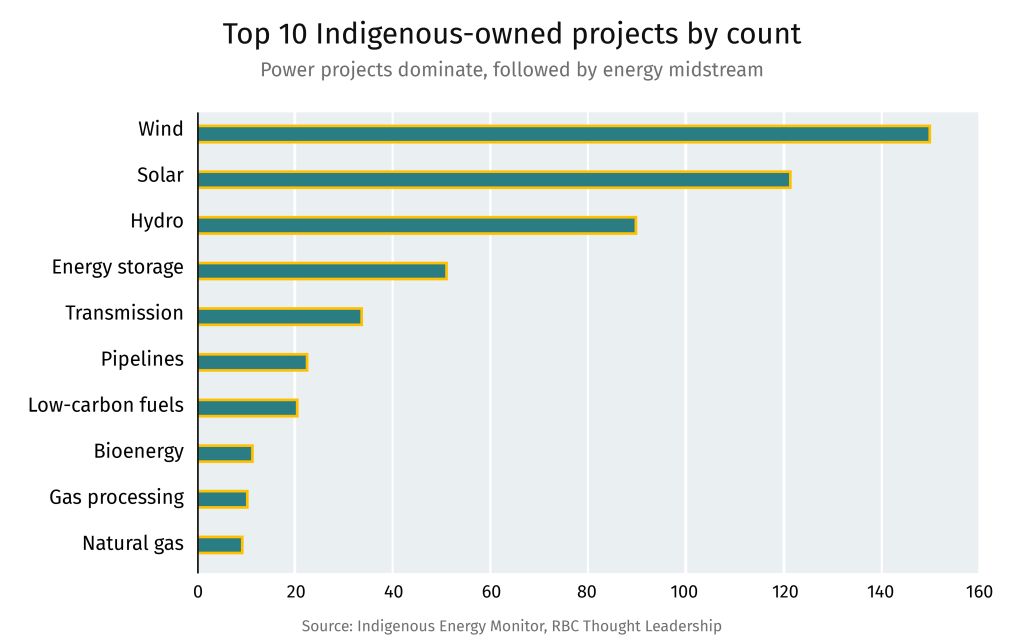
Over 80% of prior Indigenous equity transactions in Canada are in relatively low-risk power and utilities sectors. However, the next wave of Canadian projects, including those in natural gas and mining, would expect First Nations and proponents to assume more risk. Read Nations Building to explore the challenges facing Canada’s next wave of projects.
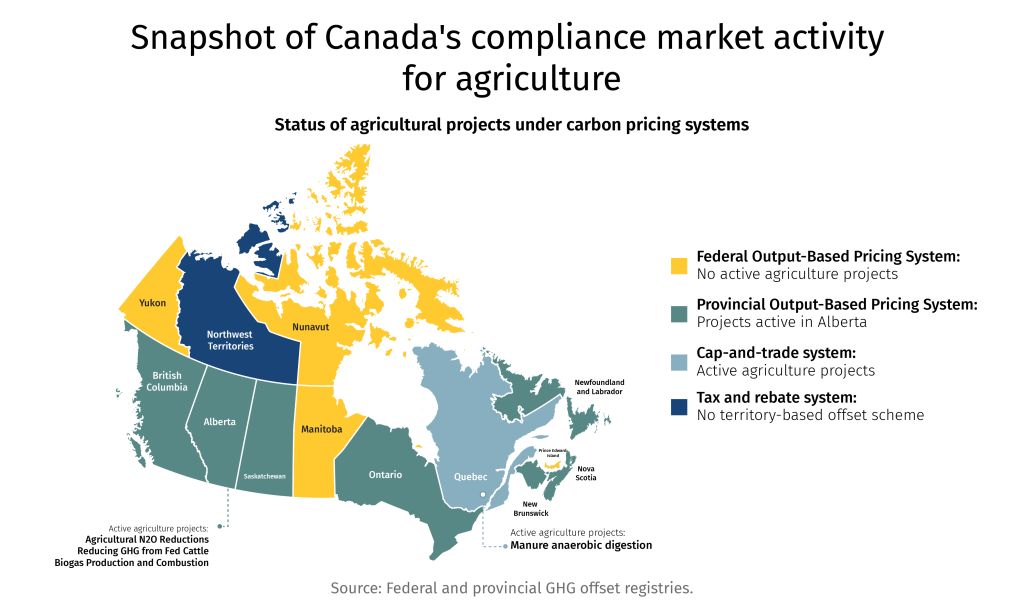
Fragmentation across Canada’s industrial carbon pricing system has led to several inefficiencies in the marketplace and held back development. Our report, Giving Farmers Credit, examines how it is one of the factors holding back climate action in the country’s agriculture sector.
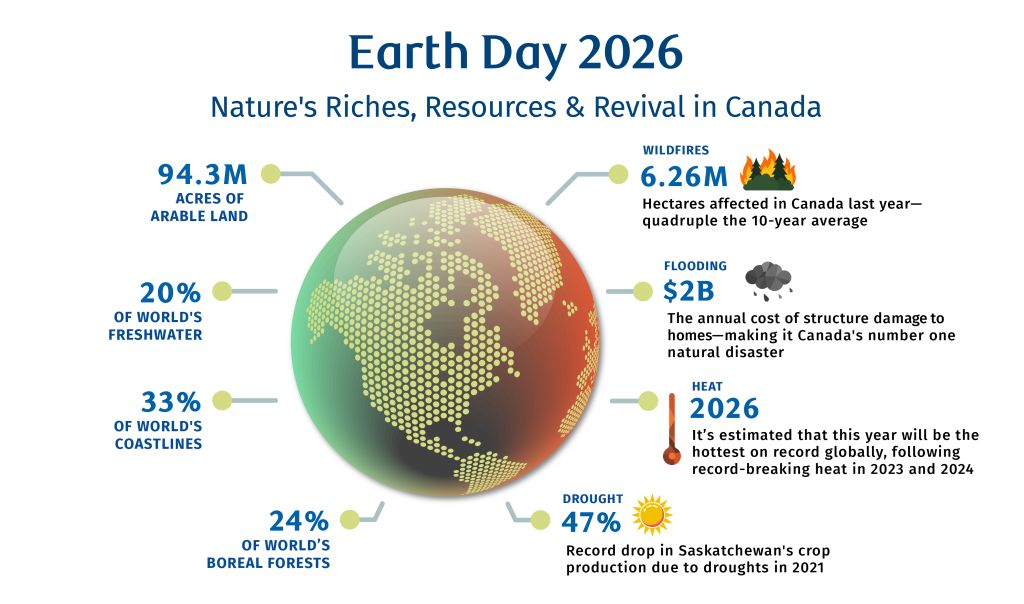
“Our power, our planet” was the global theme of Earth Day 2026. Indeed, clean power often lays the foundation of a cleaner economy. New research from RBC shows Canada’s electricity system needs an estimated $670 billion over the next 10 years to support the energy transition.
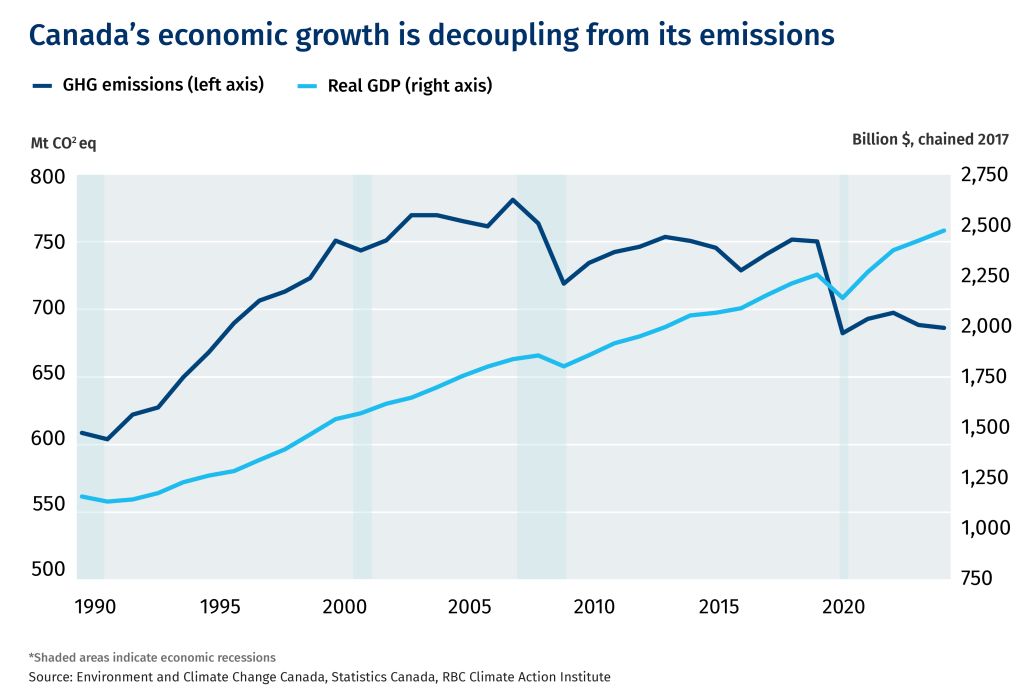
Like many of its peers, Canada has made progress in decoupling economic growth from emissions through increased renewable energy adoption, improved energy efficiency standards, and sectoral shifts toward services and technology. However, its decoupling drive remains a work-in-progress, particularly in emissions-intensive sectors.