RBC Thought Leadership Climate Action John Stackhouse: 8 Canadian messages for the world on climate
Climate Action

John Stackhouse: 8 Canadian messages for the world on climate

The RBC Climate Action Institute co-hosted a special session today in Ottawa with the British High Commission, to share views with the diplomatic corps

Read time 2 minutes

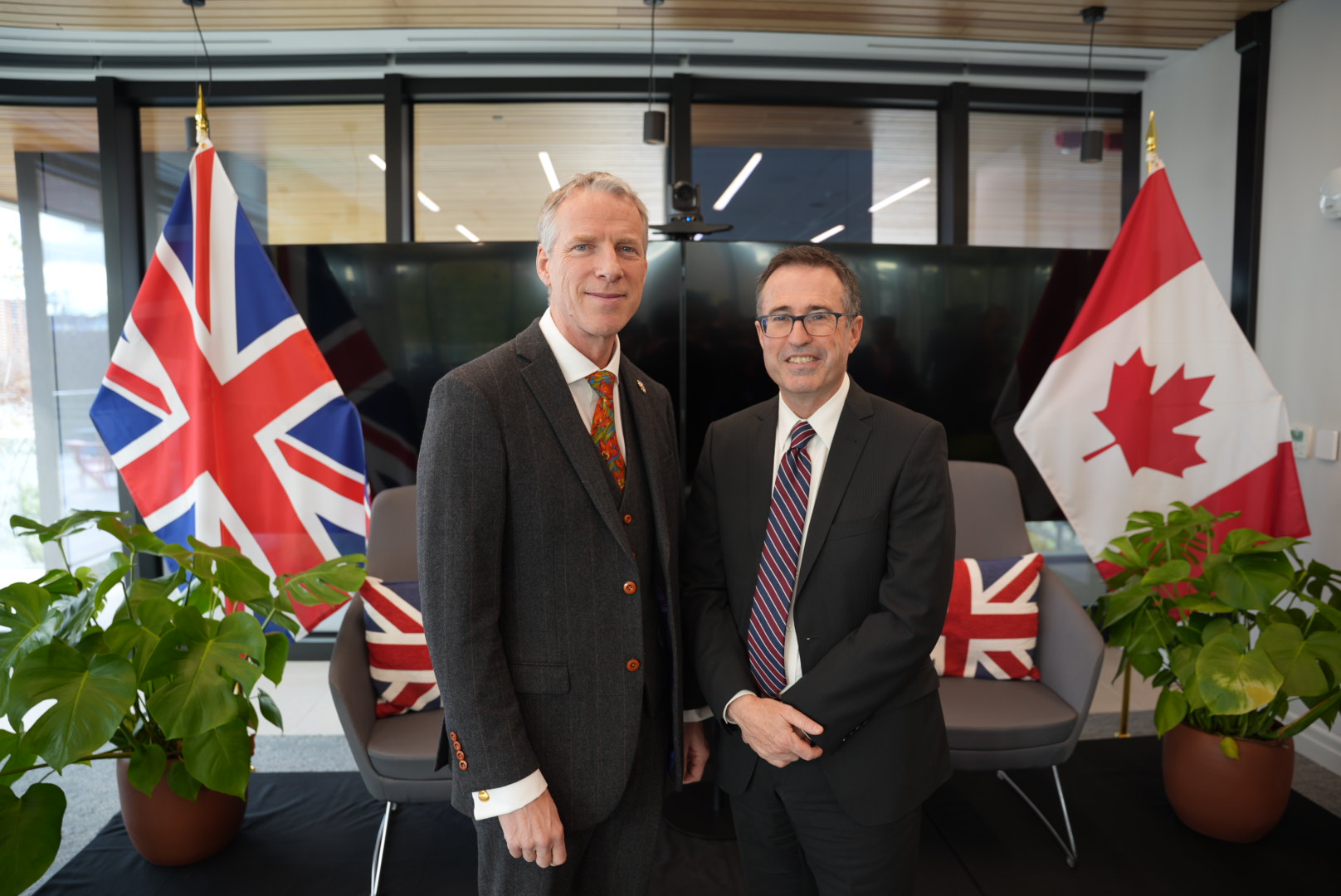
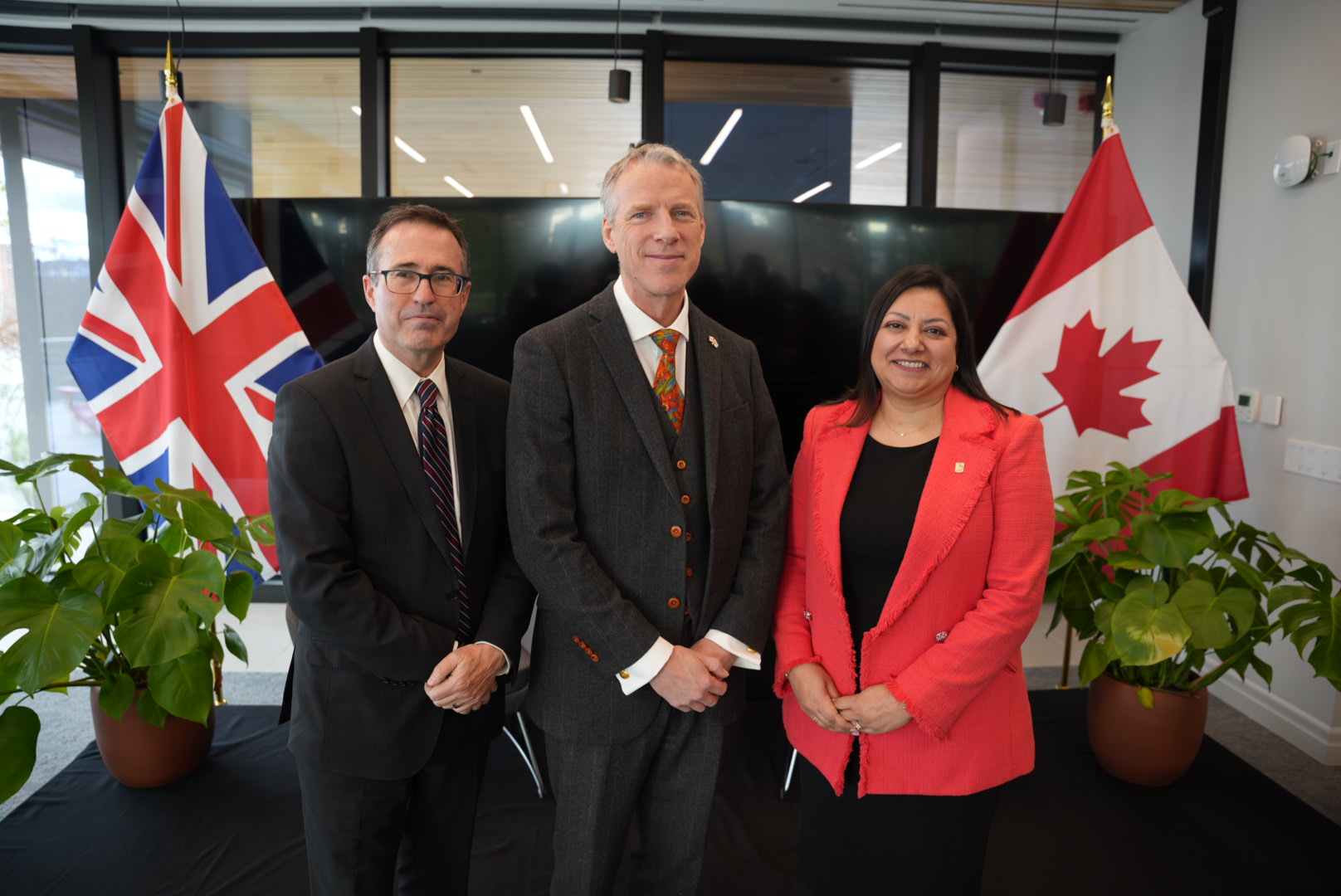
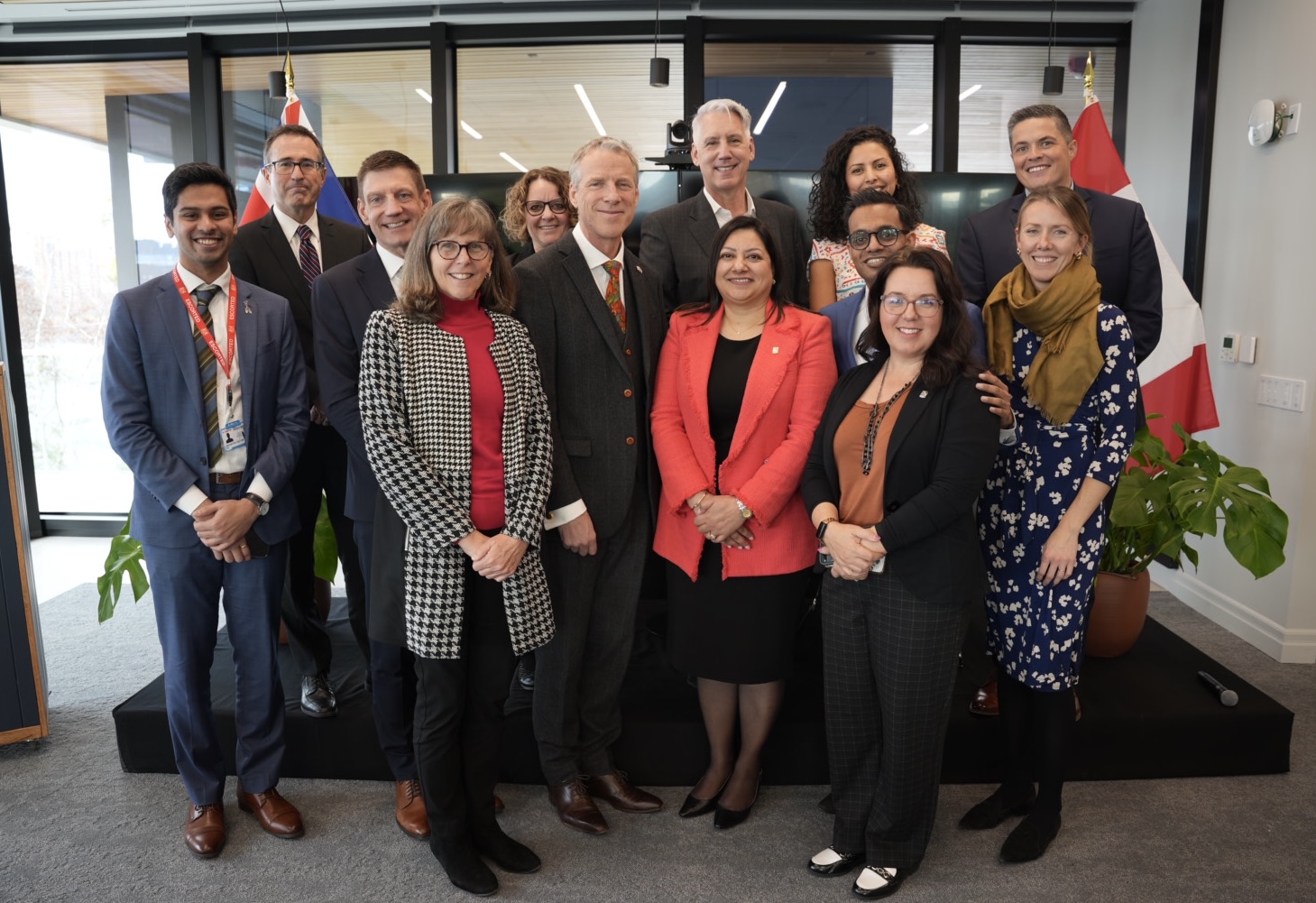
The RBC Climate Action Institute co-hosted a special session today in Ottawa with the British High Commission, to share views with the diplomatic corps on where we see global climate policy heading and how Canada is positioned for the rest of the 2020s. Here’s some of what I discussed in a conversation moderated by Deputy High Commissioner David Prodger:
  1. Climate policy needs to be reframed (and maybe reshaped) to deliver direct cost-of-living benefits. Think energy efficiency.
  2. “Security” may be Word of the Year in 2025. Can climate policy add to our need for security of exports? We may be able to better deploy our industrial carbon pricing systems, run by the provinces, to position Canadian products as cleaner than others, especially in the U.S. and European markers.
  3. Expect more dual-purpose alliances for energy security and climate action. A G7 approach to nuclear energy cooperation, for instance, could add to Canada’s role as host in 2025.
  4. Private capital will continue to move ahead of public policy. As we will show in our upcoming Climate Action 2025 report, climate capital is still growing — not as much as it needs to, but the trajectory is up.
  5.  Innovation and technology will be key. Even in tight budget times, we’ll need to invest ambitiously in research and development.
  6. International financial institutes like the World Bank will need to take on more of the climate finance load for developing countries. Will China step up to help? And how will the U.S. react?
  7.  Developing nations will continue to raise pressure around resilience and adaptation. More money for disaster-proofing may be a good thing, unless it comes at the cost of prevention.
  8. As the world’s biggest emitters — the U.S. and China — go their own ways, other countries will need to build bridges between North and South, East and West, rich and poor, big and small. Is that still a role for Canada?

Great comments from a range of countries, with a general concern that the headwinds for climate action are growing, and more international cooperation will be needed, even in a more divided world.

This article is intended as general information only and is not to be relied upon as constituting legal, financial or other professional advice. The reader is solely liable for any use of the information contained in this document and Royal Bank of Canada (“RBC”) nor any of its affiliates nor any of their respective directors, officers, employees or agents shall be held responsible for any direct or indirect damages arising from the use of this document by the reader. A professional advisor should be consulted regarding your specific situation. Information presented is believed to be factual and up-to-date but we do not guarantee its accuracy and it should not be regarded as a complete analysis of the subjects discussed. All expressions of opinion reflect the judgment of the authors as of the date of publication and are subject to change. No endorsement of any third parties or their advice, opinions, information, products or services is expressly given or implied by Royal Bank of Canada or any of its affiliates. This document may contain forward-looking statements within the meaning of certain securities laws, which are subject to RBC’s caution regarding forward-looking statements. ESG (including climate) metrics, data and other information contained on this website are or may be based on assumptions, estimates and judgements. For cautionary statements relating to the information on this website, refer to the “Caution regarding forward-looking statements” and the “Important notice regarding this document” sections in our latest climate report or sustainability report, available at: https://www.rbc.com/our-impact/sustainability-reporting/index.html. Except as required by law, none of RBC nor any of its affiliates undertake to update any information in this document.

Important Notice Regarding Information on this Website and Caution Regarding Forward-Looking Statements

The information on this website is intended as general information only and does not constitute an offer or a solicitation to buy or sell any security, product or service in any jurisdiction; nor is it intended to provide investment, financial, legal, accounting, tax or other advice, and such information should not to be relied or acted upon for providing such advice. Nothing herein shall form the basis of or be relied upon in connection with any contract, commitment, or investment decision whatsoever. The reader is solely liable for any use of the information contained herein, and neither Royal Bank of Canada (“RBC”, “we”, “our” and “us”) and its subsidiaries nor any of RBC’s affiliates nor any of their respective directors, officers, employees or agents shall be held responsible for any direct or indirect damage arising from the use of any information contained herein by the reader.

From time to time, we make written or oral forward-looking statements within the meaning of certain securities laws, including on this website, in filings with Canadian securities regulators or the U.S. Securities and Exchange Commission, and in other communications. Such statements are subject to our caution regarding forward-looking statements. Forward-looking statements on our website include, but are not limited to, statements relating to our economic and sustainability related objectives, vision, commitments, goals and targets as well as potential events and actions. By their very nature, forward-looking statements require us to make assumptions and are subject to inherent risks and uncertainties, which give rise to the possibility that our predictions, expectations or conclusions will not prove to be accurate, that our assumptions may not be correct, and that our objectives, vision, commitments, goals and targets will not be achieved. We caution readers not to place undue reliance on these statements as a number of risk factors – many of which are beyond our control and the effects of which can be difficult to predict – could cause our actual results to differ materially from the expectations expressed in such forward-looking statements. ESG (including climate) metrics, data and other information contained on this website are or may be based on assumptions, estimates and judgements. For cautionary statements relating to the information on this website, refer to the “Caution regarding forward-looking statements” and the “Important notice regarding this report” sections in our latest sustainability report, available at: https://www.rbc.com/our-impact/sustainability-reporting/index.html.

Except as required by law, none of RBC nor any of its affiliates undertake to update any information on this website.

All expressions of opinion on this website reflect the judgment of the authors as of the date of publication and are subject to change. We do not guarantee the accuracy of the information or expressions of opinion presented herein and they should not be regarded as a complete analysis of the subjects discussed. No endorsement of any third parties or their advice, opinions, information, products or services is expressly given or implied by RBC or any of its affiliates.

All references to websites are for your information only. The content of any websites referred to on this website, including via website link, and any other websites they refer to are not incorporated by reference in, and do not form part of, this website.  This website is also not intended to make representations as to sustainability-related initiatives of any third parties, whether named herein or otherwise, which may involve information and events that are beyond our control.