

 EN
EN 


Insights

Climate Crunch
Climate Crunch: The coming war for climate
Plus, inside Canada’s strategy for the “Davos of Energy”
Energy Reports
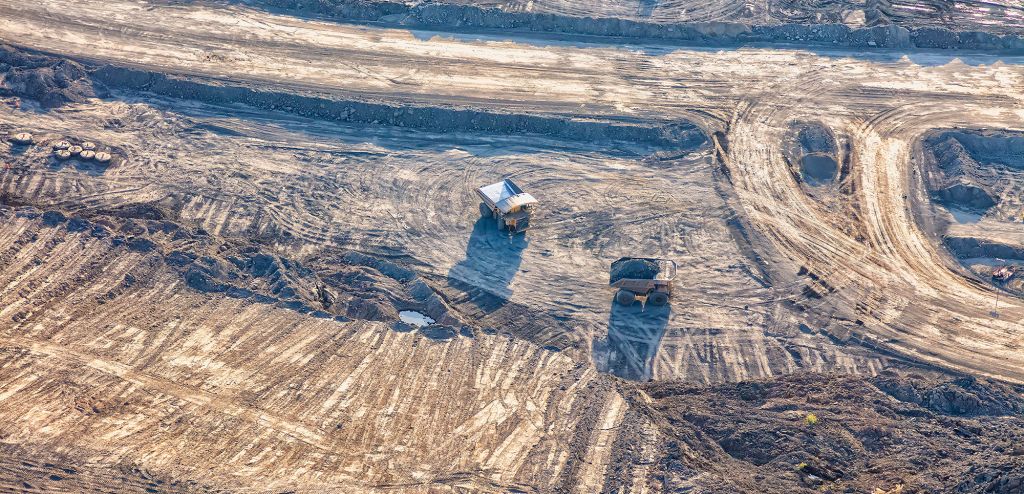
Critical Conversations: Seven takeaways from PDAC
The industry is enthusiastic, the government supportive, but there is a long way to go to realize Canada’s mining potential.
Climate Action Institute
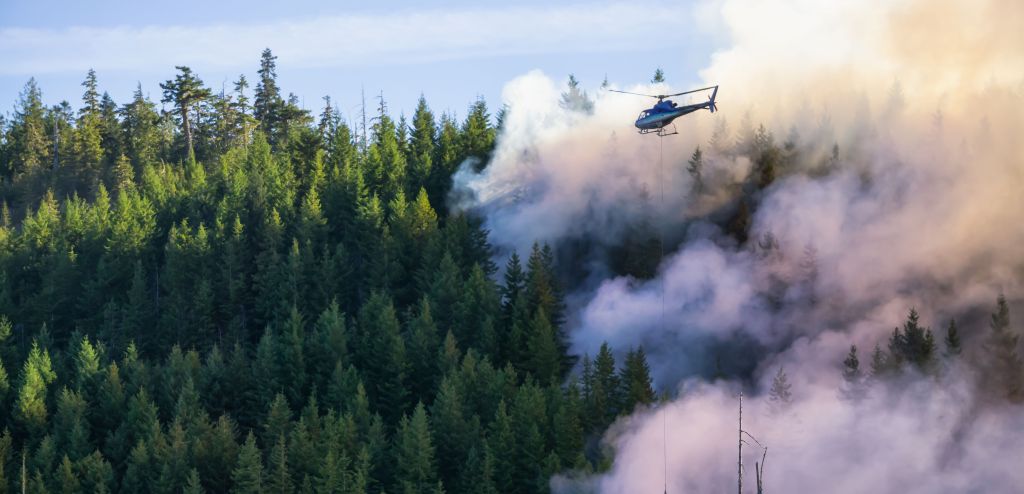
Overheard: What Canadian leaders told us about…
A round up of climate conversations with industry and government on where Canada can focus its climate action efforts.
Climate Action Institute
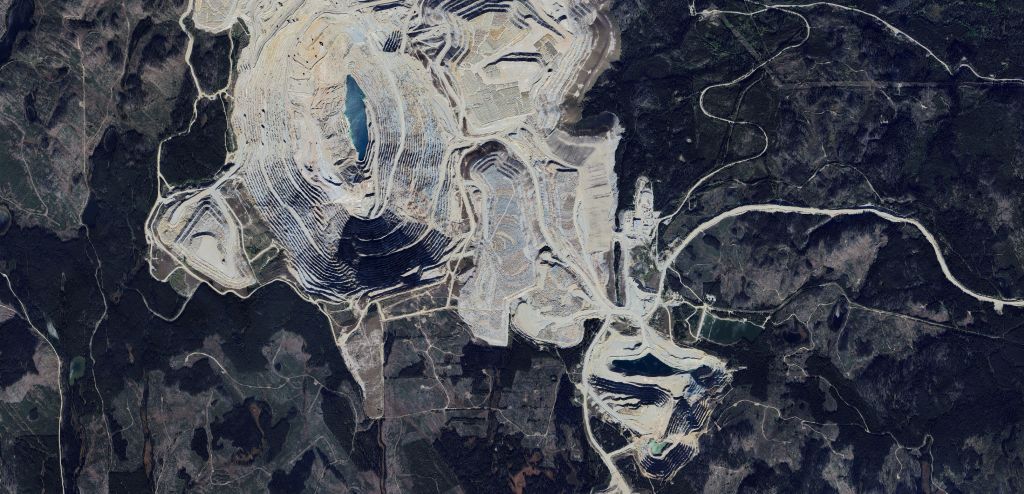
Mine & Refine: Bridging Canada’s Critical…
Five measures Canada can take to resolve its critical minerals capital crunch
Climate Crunch
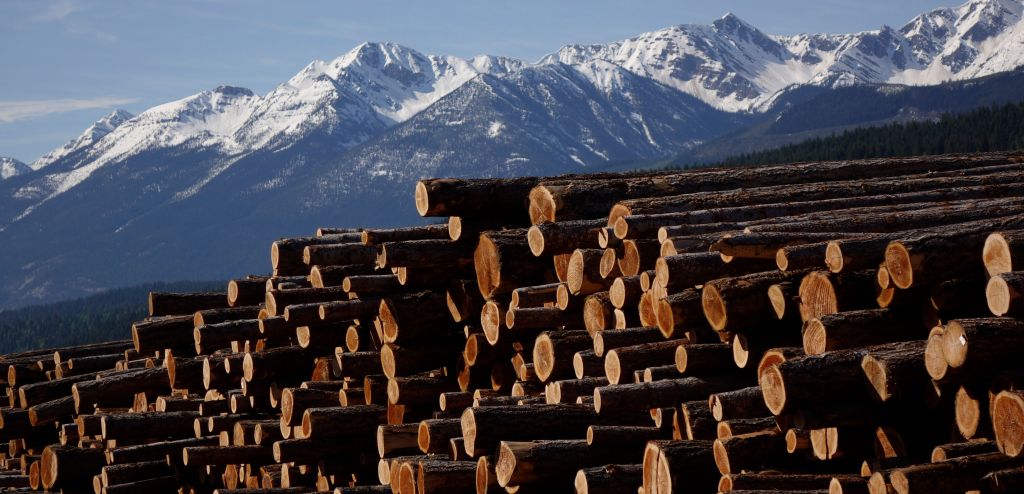
Climate Crunch: A thousand cuts: Why B.C.’s…
Plus, what a new emissions standard means for ag and forestry companies

Climate Action Institute
Subsidies & Speed Bumps: The road ahead for…
Incentives are back, but unlikely to trigger a major uptick in sales
Climate Action Institute
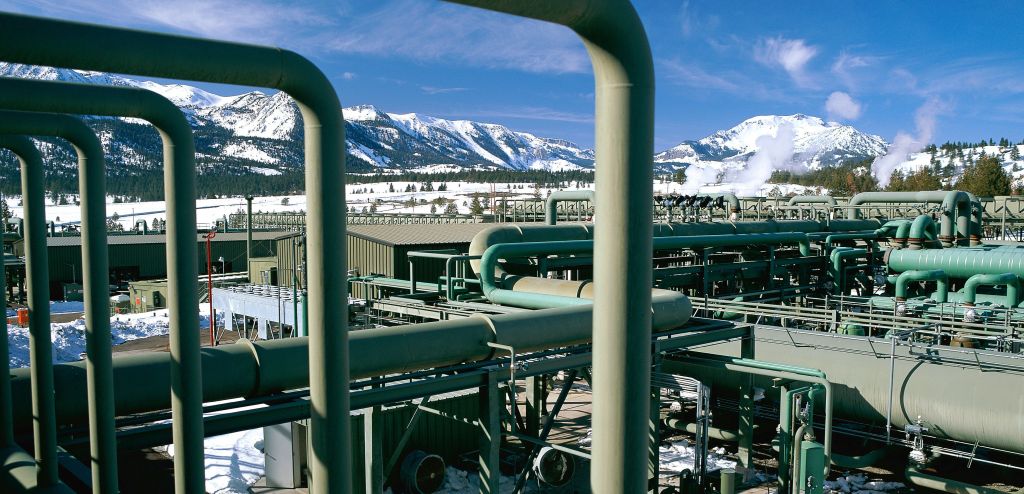
Geothermal Energy Surges: Canada’s potential in…
Drilling down on Canada’s geothermal opportunity
EXPERT COMMENTARY
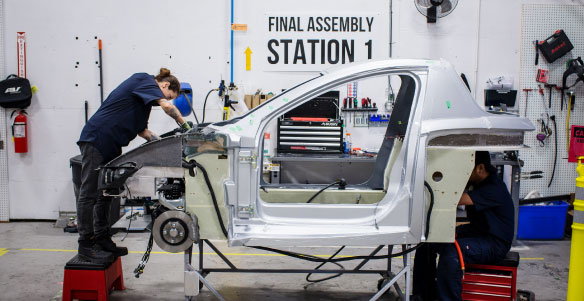
Subsidies & Speed Bumps: The road ahead for Canada’s auto strategy
More from Our Experts Commentary:
Subscribe To Our Insights
Sign up to our weekly newsletter Climate Crunch, landmark reports and insights

Indigenous
Unlocking Indigenous Potential To Power Canada’s Net Zero Economy
Allen Clarke, an Indigenous expert, explores three mutually beneficial ways Canada can unlock capital for Indigenous participation in major green projects.

Energy
Three Ways Canada Can Address The World’s Gas & Climate Crises
Each path carries economic and climate risks that Canadian policymakers and industry must weigh quickly—the window of opportunity won’t be open for long.
Energy
Canada Needs Green Subsidies More Than Ever
Canada’s transition strategy needs to go past electric vehicles and critical minerals.
AGRICULTURE
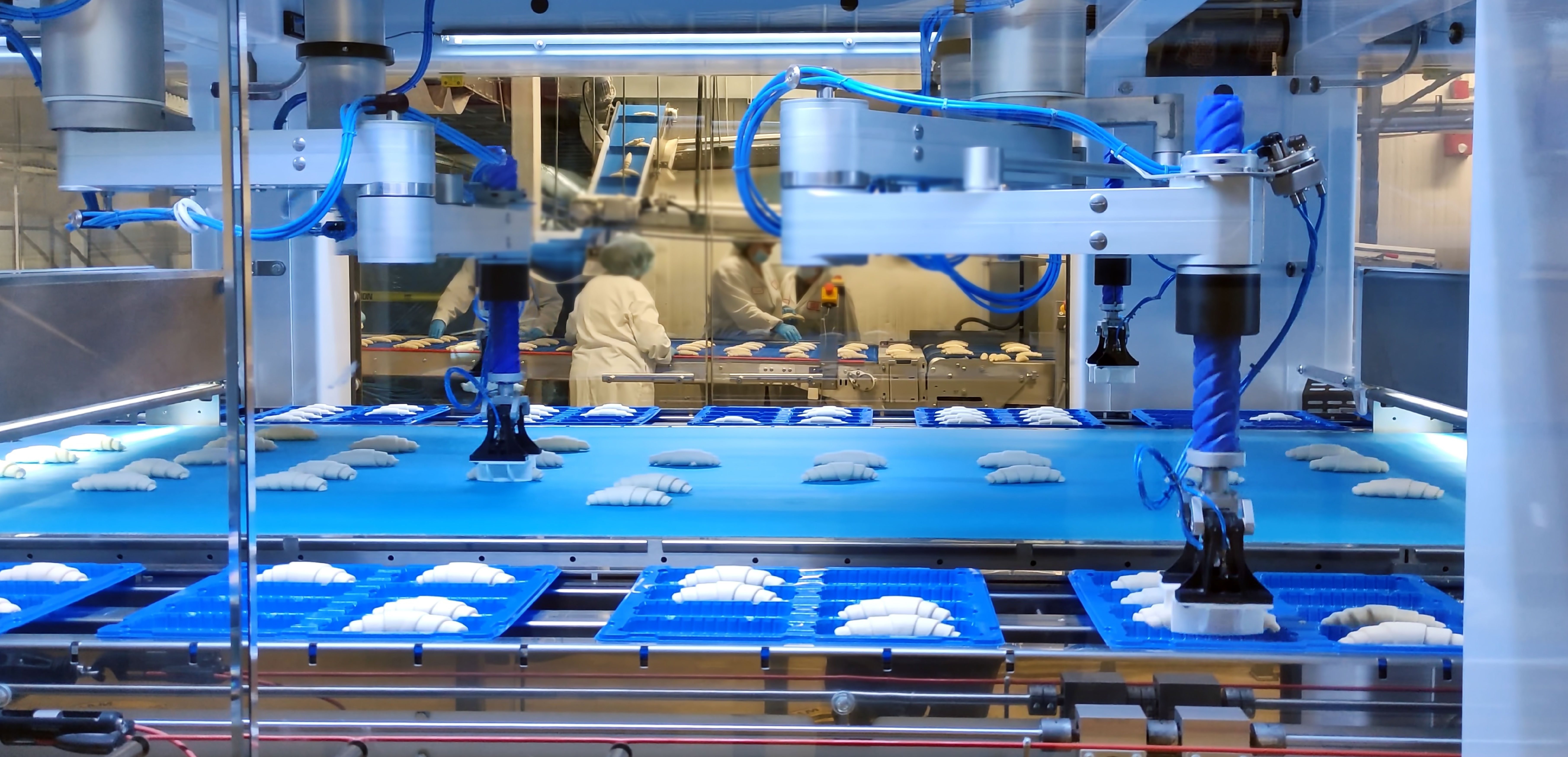
Seeding Scale: Addressing Canada’s agri-food growth capital gap
Canada’s agri-food startups present a $13-billion investment opportunity.
RBC Climate Action Institute
Follow Us


PODCAST

LATEST PODCAST
February 24, 2026
Quantum computing is accelerating – and putting today’s encryption on a clock.


February 11, 2026
The $15m Cliff: Keeping Canadian Agri-Food Startups Scaling at Home
Canada can be an agriculture superpower—if we stop exporting the companies that will build it.
January 27, 2026
Risk as Signal: A Canadian Playbook
From Davos to Canada: John Stackhouse and Gerald Butts (Eurasia Group) break down the RBC–Eurasia Group Canada risk outlook — and what leaders do next.
Subscribe to the Disruptors Podcast



More Climate News at RBC

Our Climate Strategy
Our strategy is to support our clients across sectors in the transition, while focusing first on the areas that we believe present the greatest opportunities and risks. We will continue to measure and track our progress and evolve our strategy to be responsive to the needs of our clients and communities.

2024 Sustainability Report
Learn about our approach to sustainability matters and our overarching strategies, highlights and performance related to sustainability topics.
Important Notice Regarding Information on this Website and Caution Regarding Forward-Looking Statements
The information on the RBC Climate Action Institute’s (“CAI”, “we”, “our” and “us”) website is intended as general information only and does not constitute an offer or a solicitation to buy or sell any security, product or service in any jurisdiction; nor is it intended to provide investment, financial, legal, accounting, tax or other advice, and such information should not to be relied or acted upon for providing such advice. Nothing herein shall form the basis of or be relied upon in connection with any contract, commitment, or investment decision whatsoever. The reader is solely liable for any use of the information contained herein, and neither CAI, nor Royal Bank of Canada (“RBC”), its subsidiaries and its affiliates nor any of their respective directors, officers, employees or agents shall be held responsible for any direct or indirect damage arising from the use of any information contained herein by the reader.
From time to time, we make written or oral forward-looking statements within the meaning of certain securities laws, including on this website, and in other communications. Such statements are subject to RBC’s caution regarding forward-looking statements. Forward-looking statements on our website include, but are not limited to, statements relating to economic, environmental (including climate), social and governance-related objectives, vision, commitments, goals and targets as well as potential events and actions. By their very nature, forward-looking statements require us to make assumptions and are subject to inherent risks and uncertainties, which give rise to the possibility that our predictions, expectations or conclusions will not prove to be accurate, that our assumptions may not be correct, and that our objectives, vision, commitments, goals and targets will not be achieved. We caution readers not to place undue reliance on these statements as a number of risk factors – many of which are beyond our control and the effects of which can be difficult to predict – could cause our actual results to differ materially from the expectations expressed in such forward-looking statements. ESG (including climate) metrics, data and other information contained on this website are or may be based on assumptions, estimates and judgements. For cautionary statements relating to the information on this website, refer to the “Caution regarding forward-looking statements” and the “Important notice regarding this document” sections in RBC’s latest climate report or sustainability report, available at: https://www.rbc.com/community-social-impact/reporting-performance/index.html.